
To choose the right size stone TV console cabinet, you must balance the physical dimensions of your television, the layout of your living room, and the logistical constraints of delivering a heavy stone piece. The ideal console should extend at least 10 to 15 cm beyond each side of your television screen, maintain a minimum of 60 cm of walking clearance in front, and align its height with your seated eye level. Because stone carries immense physical and visual weight, selecting the correct proportions is essential to prevent your living area from feeling cramped or structurally compromised. Incorporating a tv console cabinet stone into your home requires precise planning across width, depth, height, and structural load capacity.
Quick Sizing Rules for a TV Console Cabinet Stone
When planning for a tv console cabinet stone, standard furniture rules must be adapted to account for the unique characteristics of natural or engineered stone. Unlike lightweight wood or medium-density fibreboard (MDF), stone is an unyielding, high-density material that cannot be easily shaved down or modified upon arrival. To ensure a harmonious setup, follow these foundational rules:
- The Width Rule: The console must extend past the outer edges of your television screen to create a stable visual anchor.
- The Clearance Rule: Maintain a clear pathway of at least 60 cm between the front edge of the cabinet and any opposing furniture.
- The Delivery Rule: Confirm that every doorway, corridor, and lift along the delivery path can accommodate both the physical dimensions and the heavy weight load of the stone slab.
These parameters prevent the common mistake of purchasing a premium stone piece only to find it visually overwhelms your living room or cannot physically enter your home.
Products mentioned in this guide
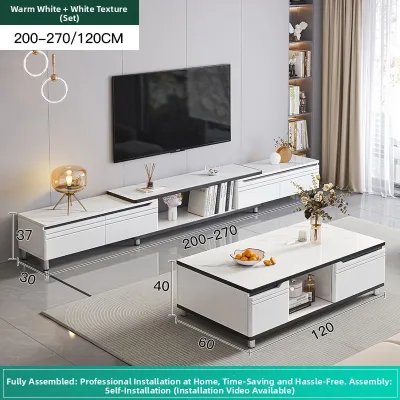
![[Pre-order]Modern Minimalist Marble TV Stands Sintered Stone TV Cabinets Living Room Furniture](https://img.lazcdn.com/g/p/7a792b8f3f44d94e808b53e2ffbf744c.jpg_400x400q80.jpg_.webp)
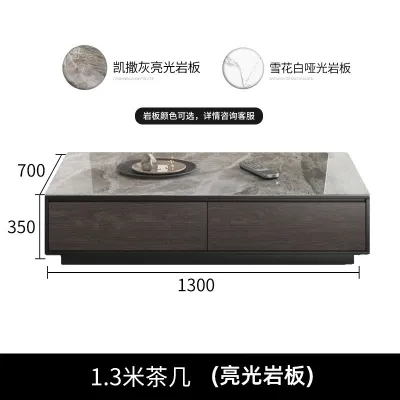
Prices are valid at publication and may change. Please refer to the product page for the latest price.
Measure Your Living Room and Delivery Access
Assess Floor Space and Walking Clearance
Begin by measuring the exact length of the wall where you intend to place the console. It is a common design error to fill the entire wall length with furniture, which creates a cramped, claustrophobic atmosphere. For optimal visual balance, aim to leave at least 20 to 30 cm of open wall space on either side of the console. This breathing room is especially important in compact living rooms, such as those found in modern apartments or build-to-order (BTO) flats.

Next, measure the depth of the space. A typical stone cabinet has a depth ranging from 40 to 50 cm. You must ensure that this depth does not protrude into your primary walking paths. If your living room layout requires walking past the television to access a balcony, kitchen, or hallway, verify that a minimum clearance of 60 to 90 cm remains clear. Blocking these pathways not only restricts daily movement but also increases the risk of painful bumps against the hard, unyielding corners of a stone surface.
Check Doorways, Elevators, and Staircases
The weight and rigidity of stone make delivery logistics one of the most critical phases of the purchase. Unlike flat-packed wooden furniture, a stone TV console is typically delivered fully assembled or as a massive, heavy stone slab pre-bonded to a structural frame. Before finalizing your order, measure the height and width of your front doorway, any corridor turns, and the interior dimensions of your building’s elevator cabin.
In many high-rise residential buildings, standard passenger lifts have strict height and weight limits that may restrict the transport of long, single-piece stone slabs. If your building lacks a spacious service lift, or if you reside in a multi-story landed home with narrow staircases, you must measure the turning radius of the stairs. Always communicate these specific dimensions to your furniture retailer. Verify whether the delivery team requires specialized equipment, extra manpower, or if the piece must be transported in sections to prevent damage to your property or the stone itself.
Match the Console Width to Your TV Screen
To achieve a balanced aesthetic, the width of your stone console must correspond directly to the size of your television. A TV that is wider than its supporting cabinet creates an awkward, top-heavy silhouette that feels unstable and visually jarring. Because stone carries a powerful, grounding visual weight, a console that is too short will look particularly disproportionate. As a general design principle, the console should be at least 10% to 20% wider than the total width of the television.
When calculating these dimensions, do not rely solely on the diagonal screen size advertised by television manufacturers. The diagonal measurement does not represent the actual physical width of the frame. Instead, use a tape measure to find the exact horizontal width of your television from left bezel to right bezel.
To assist in your planning, consider this general, non-exhaustive framework matching common television sizes to recommended stone console widths:
- 55-Inch Television: A typical 55-inch TV has an actual physical width of approximately 121 to 123 cm. To ensure proper visual balance, pair this with a stone console that is at least 150 to 160 cm wide.
- 65-Inch Television: With an actual physical width of roughly 143 to 145 cm, a 65-inch television requires a stone console of at least 180 to 200 cm in width to maintain a proportionate border on either side.
- 75-Inch Television and Larger: A massive 75-inch screen spans about 165 to 168 cm in physical width. For a screen of this magnitude, select a stone console that is at least 210 to 240 cm wide.
Providing this extra horizontal space not only anchors the screen visually but also leaves practical surface area for decorative items, small table lamps, or media accessories without cluttering the viewing field.
Choose the Right Depth, Height, and Storage
Plan Depth for Media Devices and Cables
Beyond width, the depth of your stone console dictates its functional capacity. Measure the physical depth of all electronic devices you plan to store, including soundbars, gaming consoles, media receivers, and internet routers. Remember to add an extra 5 to 8 cm to these measurements to accommodate rear cable connections and power plugs.
Standard stone cabinets typically offer a depth of 40 to 45 cm, which is generally sufficient for modern, slim electronics. However, cable management requires special attention when dealing with stone. Unlike wooden furniture, which can be easily modified at home with a hole saw, a solid stone top cannot be drilled without professional masonry tools and a high risk of cracking the slab.
Therefore, you must inspect the cabinet design before purchasing. Ensure the model features pre-cut cable management holes in the back panels, open shelving sections, or a recessed backboard that allows cords to run down safely behind the unit without forcing the console away from the wall.
Calculate Height for Comfortable Viewing
Achieving optimal viewing ergonomics is vital to prevent neck and eye strain during long viewing sessions. The fundamental rule of television placement is that the center of the screen should align directly with your eye level when seated on your sofa.
To calculate the ideal console height for your setup, start by measuring the height of your sofa’s seat cushion from the floor, then sit down and measure the distance from the floor to your eyes—this typically ranges from 95 to 110 cm for an average adult. Next, measure the vertical height of your television screen and divide this number by two to find the center point. Subtract this half-height from your seated eye level to determine the ideal height for the top surface of your console.
If you have a low-profile modern sofa, a low-slung stone console measuring 35 to 45 cm in height is usually appropriate. For traditional, taller sofas, a standard console height of 50 to 60 cm will provide a more comfortable viewing angle. If you plan to wall-mount your television above the stone console, maintain a gap of 10 to 20 cm between the bottom of the TV and the stone surface for a clean, floating aesthetic.
Verify Floor Support and Structural Safety for Stone
Natural stones like marble, granite, or travertine, as well as high-quality engineered stones, possess immense density and weight. A fully assembled stone TV console can easily weigh between 80 to over 150 kilograms, even before you place any media equipment on top. Consequently, you must assess your flooring type and structural load capacity.
While standard reinforced concrete floors in modern apartments easily support this weight, caution is necessary if you plan to position the console on raised wooden platforms, lightweight laminate flooring, or hollow underfloor heating systems. The floor surface must be perfectly level. An uneven floor creates uneven pressure points beneath the heavy stone frame, which can lead to structural stress and eventual hairline fractures or major cracks in the stone slab over time.
Additionally, because of the top-heavy nature of stone-topped furniture, stability is paramount. If you have young children or pets in your home, check the manufacturer’s guidelines regarding wall anchoring. Securing the rear frame of the console to the wall prevents accidental tip-overs. If you have any doubts about your floor’s load-bearing capacity or the structural integrity of your wall for anchoring, consult a qualified professional engineer or contractor before installation.
Avoid Common Sizing and Placement Mistakes
Avoiding common pitfalls during the selection process will save you from costly returns and installation headaches. One of the most frequent errors is purchasing a console that matches the exact width of the television. This creates a harsh, vertical visual block that deprives the room of design balance. Always opt for a wider console to frame the screen properly.
Another common mistake is failing to account for wall skirting boards (baseboards). Many stone TV consoles feature solid, flat-backed designs with flush edges. If your living room wall has prominent skirting boards, the bottom of the console will be pushed away from the wall, leaving an unsightly gap at the top and potentially destabilizing the unit. To prevent this, look for cabinets with built-in skirting cutouts at the base, or select a model with recessed legs that sit inward from the stone top’s outer edge.
Finally, never underestimate the physical depth of your cables; ignoring the space required for HDMI plugs and power adapters can force your expensive stone console several centimeters forward, narrowing your walkways and disrupting your carefully planned layout.
Community discussion
Share your experience or ask a question. Comments are reviewed before publication.