
Finding the perfect solid wood TV console for your living room is more than just matching your interior design style. In Singapore’s HDB flats and condominiums, where space is carefully optimized, selecting the correct dimensions is essential to maintain both visual balance and physical comfort. A console that is too large can overwhelm the room and block crucial walkways, while one that is too small can make your television look unstable and disproportionate.
To make the right choice, you must balance the physical dimensions of your television, the layout of your living room wall, and the practicalities of daily movement. Solid wood furniture brings a distinct warmth and structural weight to a home, making its physical footprint highly noticeable. By taking precise measurements and planning for clearance, you can select a console that serves as a beautiful, functional anchor for your entertainment setup.
Measure Your Wall and Room Layout
Before browsing designs, establish the physical limits of your living room wall. Measure the total width from corner to corner, noting architectural features like structural pillars, window frames, or swinging doors. If your layout includes an adjacent dining area or open-plan kitchen, identify exactly where the living room zone begins and ends to avoid visual crowding.
Products mentioned in this guide
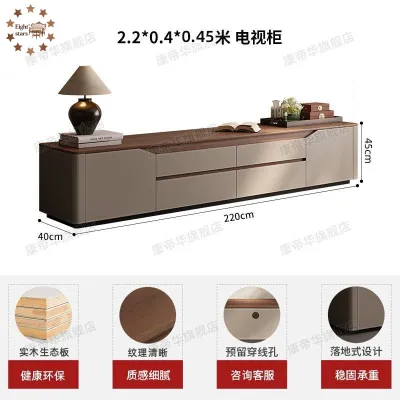
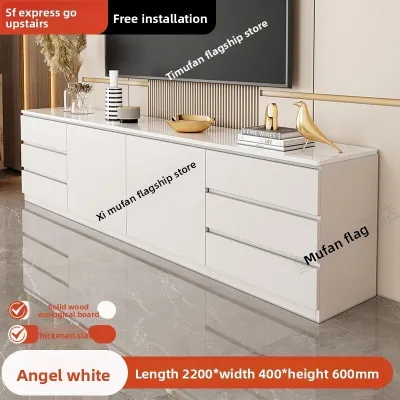
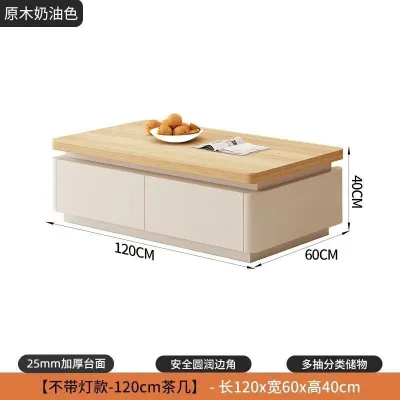
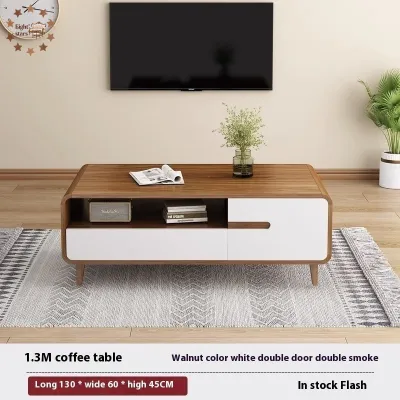
![[CozyNest ]TV Console Rounded Corner Floor To Ceiling TV Cabinet Luxury High-End TV Console Cabinet Nordic Solid Wood Console Table](https://img.lazcdn.com/g/p/b44659adc9574e160c9333678ffabf9b.jpg_webp_400x400q80.jpg_.webp)
![[CozyNest ]New fully solid wood TV cabinet - Nordic style small-sized for narrow living room suitable for home use simple and elegant Chinese-style matching color TV cabinet](https://img.lazcdn.com/g/p/4784c9bdb19a67fd29a58d94a002a8d1.jpg_400x400q80.jpg_.webp)
Prices are valid at publication and may change. Please refer to the product page for the latest price.
Walkway clearance is critical in compact HDB and condo layouts. A standard walkway requires sufficient clearance to allow household members to pass comfortably. Measure the distance from the front of your sofa to the wall, then subtract the depth of your planned console and coffee table. If the remaining space feels tight, look for a shallower console design to preserve natural traffic flow.
Electrical outlets and connectivity points also dictate where your console can sit. Locate all power sockets, cable television ports, and fiber broadband points on the wall. A solid wood console with a closed back can block access to these points if it lacks pre-drilled cable management holes. Note the height and width of these outlets to choose a console that leaves them accessible or accommodates them within its compartments.
Match the Console Width to Your TV Size
Achieving the right visual proportion between your television and your solid wood TV console is key to a balanced living room. As a general rule, your TV console should be wider than your television screen. A console that is the exact same width as the TV, or narrower, creates a top-heavy look. Aim for a console that extends beyond each side of your TV screen to create a grounded silhouette.

Beyond aesthetics, physical stability is a primary safety consideration. While modern flat-screen televisions are relatively thin, they still carry significant weight, and larger screens can tip over if placed on an unstable surface. Check the manufacturer’s weight capacity specifications for both the TV and the console. Solid wood is naturally sturdy, but you must verify that the specific cabinet design is rated to hold your television model safely.
You must also evaluate the footprint of your television’s stand base. Some TVs use a central pedestal stand, while others rely on wide-set legs positioned near the outer edges of the screen. Measure the depth and width of the TV stand base itself, ensuring it fits entirely within the flat surface area of the console with a comfortable margin on all sides to prevent overhang.
Determine the Ideal Height and Depth
The height of your TV console directly impacts your viewing comfort and neck health. To find the ideal height, sit on your primary living room sofa and measure the height of your eyes from the floor. For an ergonomic viewing experience, the center of your TV screen should align closely with your eye level when seated. Subtract the height of your TV stand and half the screen height from your eye-level measurement to find the ideal console height.
Console depth is equally important for housing your media accessories and maintaining a clean look. Measure the depth of your largest devices, such as soundbars, gaming consoles, and media players. Ensure the console is deep enough to accommodate these items with their power cables and HDMI connectors plugged into the back, leaving extra depth to avoid bending stiff cables at damaging angles.
Proper ventilation is a critical factor that is often overlooked when choosing solid wood furniture. Solid wood retains heat, and enclosed cabinets can trap hot air generated by running electronics, leading to hardware damage. If you plan to store gaming consoles or media players inside closed compartments, ensure the console features open back panels, slatted doors, or dedicated ventilation cutouts to allow air to circulate freely.
Check Delivery and Assembly Clearances
A common oversight when purchasing solid wood furniture is failing to plan for the delivery process. Unlike flat-pack furniture made from composite materials, high-quality solid wood TV consoles often arrive fully assembled or in large, heavy sections. Measure your building’s elevator cabin height, width, and depth to ensure the delivery team can transport the piece. Do not forget to measure the clearance of staircase landing turns if your building lacks elevator access.
Once the console reaches your floor, it must pass through your main entrance door and any narrow corridors leading to the living room. Measure the clear opening width of your front door, taking into account the door frame and any security gates. If your home has a narrow entryway or a sharp turn immediately inside, simulate the delivery path to ensure a long, rigid wooden console can navigate the corner safely.
Before finalizing your purchase, consult the retailer’s delivery guidelines and assembly requirements. Some retailers offer professional on-site assembly, which is highly beneficial for complex or exceptionally heavy solid wood pieces. If the console requires assembly, verify the dimensions of the flat-pack boxes to ensure they can be maneuvered through your home. Understanding these logistics beforehand prevents delivery failures and ensures a smooth installation process.
Common Sizing Mistakes to Avoid
One frequent mistake is forgetting to account for the thickness of skirting boards along the base of your living room wall. Skirting boards can prevent a flat-backed TV console from sitting completely flush against the wall, leaving an unsightly gap. To avoid this, look for consoles with a recessed back or legs that are set inward from the rear edge, allowing the top surface to sit flush against the wall while clearing the skirting board.
Another common error is choosing a console that is too deep for the room’s proportions, which can severely restrict movement. In narrow HDB or condo living rooms, every centimeter of floor space matters. A console that protrudes too far can make the space feel cramped and block the path between the sofa and the television. Map out the console’s footprint on your floor using masking tape before buying to visualize how much space it will occupy.
Finally, do not underestimate the visual weight of solid wood. Solid wood is a dense, prominent material that naturally draws the eye. A bulky, dark-toned wood console with solid doors can easily overwhelm a small living room, making it feel dark and enclosed. If you have a compact space, consider a solid wood console with tapered legs, open shelving, or lighter wood tones like oak or ash to maintain a sense of openness.
Frequently Asked Questions (FAQ)
Can a solid wood TV console be wall-mounted?
Yes, but wall-mounting a solid wood console requires careful structural planning due to the natural weight of the timber. Unlike lightweight composite materials, solid wood is heavy even when empty. You must distinguish between floor-standing consoles and those specifically designed as wall-hung floating units. Before installation, verify your wall type; concrete or solid brick walls can support floating consoles when installed with heavy-duty anchors, whereas drywall or partition walls require reinforcement. Always consult a professional installer or the manufacturer to verify load-bearing limits and ensure structural safety.
How much space should I leave between the TV and the console surface?
If your television is wall-mounted above the console, leave a clearance of about 10 to 15 centimeters between the bottom of the TV and the top surface of the console. This gap provides sufficient space to place a soundbar, center channel speaker, or media devices without blocking the bottom of the screen. It also allows for proper heat dissipation and easy access to the TV’s lower ports and cables. If your TV sits directly on the console using its stand, ensure there is enough clearance around the sides and rear of the screen to prevent heat buildup, following the TV manufacturer’s guidelines.
Community discussion
Share your experience or ask a question. Comments are reviewed before publication.