
Choosing the right size solid wood shelf for your HDB flat or condominium unit requires balancing storage needs with the physical realities of compact urban living spaces. Unlike lightweight composite furniture, a solid wood shelf is a substantial, long-term investment that cannot easily be shaved down or squeezed into a tight corner if your measurements are off. To select the perfect dimensions, you must look beyond basic wall width and systematically analyze vertical clearance, floor-level obstructions, room traffic flow, and the structural limits of your home’s walls. By matching the shelf’s depth, width, and height to your specific room layout, you ensure the piece enhances your home’s functionality without making the space feel cramped. Keep in mind that the wood species alone does not guarantee resistance to scratches or moisture; always verify the manufacturer’s finish type, joint construction, and care instructions to match your home’s environment.
Measure Your Available Space Accurately
Before browsing designs, you must establish the exact physical boundaries of your targeted wall or floor area. Start by measuring the usable width of the wall with a steel tape measure, identifying any fixed obstacles that could block the shelf. Power outlets, light switches, data ports, and wall-mounted fans are common features in Singapore apartments that can easily be covered or rendered inaccessible by a poorly sized shelf. If you plan to place the shelf next to existing furniture, leave a buffer of at least 5 to 10 centimeters to prevent a crowded appearance and allow for easy cleaning.
Height measurements require equal precision, particularly in modern condos and HDB BTO flats where ceiling heights can vary. Measure from the floor to the lowest overhead obstacle, which might be a false ceiling, an exposed structural beam, a sprinkler head, or a curtain track. If you are placing a tall shelf near a window, ensure its height does not interfere with the curtain rod or block natural light.
Products mentioned in this guide
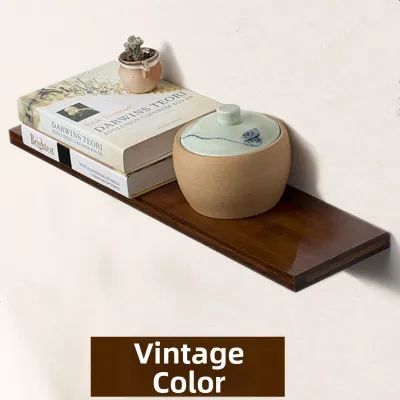
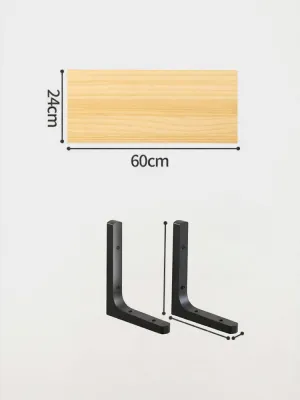
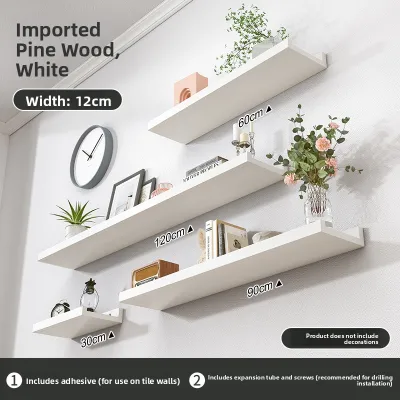
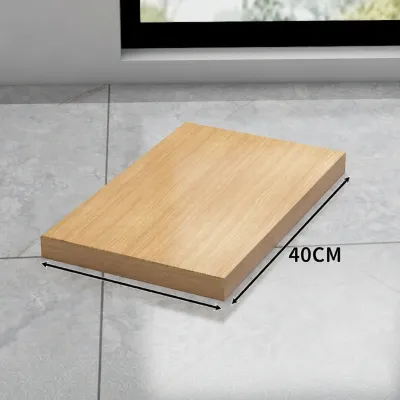
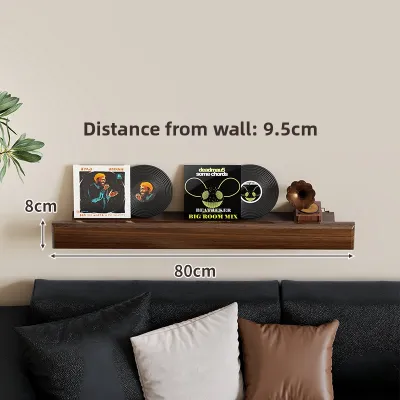
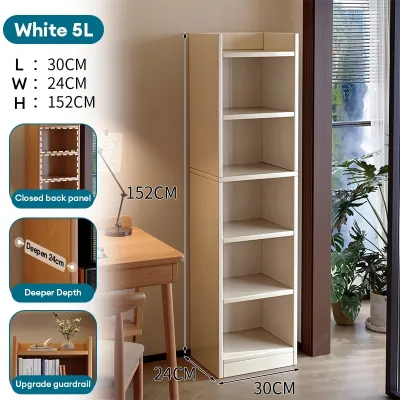
Prices are valid at publication and may change. Please refer to the product page for the latest price.
Depth is often the most overlooked dimension, yet it directly impacts how comfortable a room feels to walk through. Measure the distance from the wall to the edge of the nearest high-traffic walkway, ensuring that anyone passing by will have at least 60 to 90 centimeters of unobstructed clearance. A shelf that protrudes too far into a corridor or living room pathway creates a constant physical bottleneck and increases the risk of painful bumps.
Finally, do not forget to account for the skirting boards running along the base of your walls. Most HDB flats and condos feature skirting boards that project 1 to 2 centimeters from the wall surface. If a floor-standing solid wood shelf does not feature a base cutout or plinth recess to accommodate these boards, it will be pushed away from the wall, leaving an unsightly gap at the top and reducing its stability. Note down the height and depth of your skirting boards so you can verify if the shelf’s design allows for a flush fit.
Match Solid Wood Shelf Dimensions to Common Room Layouts
Different rooms in Singaporean apartments demand distinct dimensional strategies to balance storage capacity with open floor space. A shelf that works beautifully in a spacious living room will likely overwhelm a compact study corner or bedroom.

Living and Dining Areas
In shared, open-plan living and dining areas, your solid wood shelf should serve its purpose without dominating the visual landscape. For narrow living rooms typical of modern HDB layouts, prioritize shallower depths of 25 to 30 centimeters for display-focused shelving. This keeps the center of the room open while still providing ample space for books, small plants, and decorative objects.
If you require extensive storage, consider a wider, low-profile solid wood shelf that doubles as a media console or dining sideboard. Keeping the height below 80 centimeters helps maintain an open line of sight across the room, making the overall space feel larger. When placing these low-profile units, always verify that they do not block access to balcony sliding doors, main corridors, or adjacent dining chairs.
Before finalizing your choice, carefully map out the swing arcs of nearby doors, windows, and cabinets. A solid wood shelf placed too close to a bedroom door or a kitchen entrance can restrict its opening angle, leading to structural wear and daily frustration. Ensure there is a generous buffer zone so that doors can swing fully open without striking the corners of the shelf.
Bedrooms and Compact Study Corners
In private, compact spaces, maximizing vertical storage is often the most effective way to free up valuable floor area. Tall, narrow bookcases with a footprint of 40 to 60 centimeters in width and 180 to 200 centimeters in height work exceptionally well in bedroom alcoves or beside wardrobes. When selecting a tall unit, double-check that it does not block overhead bedroom lighting or air conditioning vents.
For study corners and home offices, wall-mounted solid wood shelves offer an excellent way to keep your desk surface clear. If you plan to store heavy reference books or folders, look for shelf depths of 25 to 30 centimeters. For lighter items like decorative frames or small tech accessories, a shallower depth of 15 to 20 centimeters is ideal as it prevents the shelf from casting deep shadows over your workspace.
To maintain a relaxing atmosphere in smaller rooms, always leave adequate visual breathing room around your shelving. Avoid filling every single shelf to its absolute capacity, and leave at least 20% of the wall space around the unit completely clear. This simple design rule prevents a small bedroom or study from feeling cluttered and visually oppressive.
Navigate Delivery and Installation Constraints
Choosing the right dimensions is only half the battle; you must also ensure the physical piece can actually enter your home and be installed safely. Solid wood furniture is notoriously heavy and rigid, meaning it cannot be bent or easily disassembled like flat-pack alternatives.
Begin by measuring the delivery path from the unloading bay to your front door. Check the interior dimensions of your HDB or condo lift, including the door opening height, width, and the diagonal clearance inside the cabin. If your unit is only accessible via stairs, measure the width of the staircase landings and the height of any low-hanging pipes or exit signs. Finally, measure your unit’s main door frame and any hallway corners to guarantee the delivery team can maneuver the shelf into its designated room.
Wall mounting a solid wood shelf requires careful consideration of your home’s structural materials. Concrete walls, common in structural HDB partitions, offer excellent load-bearing capacity but require a hammer drill and heavy-duty masonry anchors for installation. Conversely, drywall or partition walls found in many newer condos require specialized toggle bolts and must be anchored directly into the internal metal or wood studs to support the weight of solid wood. Never attempt to mount a heavy solid wood shelf directly onto unsupported plasterboard, as this can lead to catastrophic wall failure.
Because solid wood is inherently heavy, you must always consult the manufacturer’s load capacity guidelines for both the shelf itself and its mounting brackets. For freestanding units, especially those taller than 120 centimeters, wall anchoring is highly recommended to prevent accidental tipping. This safety measure is crucial in homes with young children or pets who might attempt to climb the shelves.
Avoid Common Sizing and Placement Mistakes
To protect your investment and maintain a safe home environment, avoid several frequent errors that homeowners make when placing solid wood shelves.
First, never place a solid wood shelf directly beneath or adjacent to a wall-mounted air conditioning unit without checking clearances. Air conditioners can occasionally leak water or drip condensation, which can warp, stain, or mold solid wood over time. Furthermore, placing a tall shelf too close to the AC unit can disrupt the room’s cold air circulation and block access for routine filter cleaning and servicing. Similarly, ensure your shelf does not cover electrical distribution boxes, fiber termination points, or utility meters that require regular access.
Second, do not overestimate the load capacity of your shelf based solely on the fact that it is made of solid wood. While the timber itself is strong, the overall weight tolerance is limited by the strength of the wall anchors, the bracket design, and the span of the shelf. A long, unsupported solid wood shelf can still sag over time if it is overloaded with heavy books. If you plan to store heavy items, opt for shorter shelf spans or ensure there are central support brackets to distribute the weight evenly.
Third, always leave a small clearance gap around the shelf for routine maintenance. Shoving a shelf tightly into a corner makes it incredibly difficult to dust behind, manage electrical cables, or clean adjacent window tracks. A gap of just 2 to 3 centimeters behind and beside the shelf allows for adequate airflow and easier cleaning access.
Finally, be mindful of how the wood tone and physical scale of the shelf interact with your room’s lighting. A massive, dark walnut shelf can look stunning in a spacious, sunlit showroom, but the same piece can make a small, poorly lit HDB bedroom feel dark and cramped. For smaller spaces, opt for lighter wood species like oak or ash, or choose open-backed shelf designs that allow the wall color to show through, creating a lighter visual footprint.
Frequently Asked Questions (FAQ)
Can I mount a solid wood shelf on an HDB household shelter wall?
No, you should never drill into or mount shelves on the structural walls of an HDB household shelter (commonly known as the bomb shelter). HDB renovation regulations strictly prohibit any drilling, hacking, or modification of the reinforced concrete walls, floor, ceiling, and steel door of the household shelter to preserve its structural integrity during emergencies. If you need storage inside your household shelter, opt for freestanding solid wood shelving units, boltless metal racks, or tension-based storage systems that do not require wall drilling. Always consult a licensed renovation contractor or refer to the latest HDB renovation guidelines before planning any storage installations near or inside your household shelter.
How much clearance should I leave around air conditioning units?
You should maintain a minimum clearance of 15 to 20 centimeters around all sides of a wall-mounted air conditioning unit, and at least 50 centimeters of clear space directly below it. This clearance is essential to ensure unobstructed airflow for the air conditioner’s intake and outflow, allowing your room to cool efficiently. Leaving adequate space also prevents the solid wood shelf from blocking access for aircon technicians during routine servicing, chemical washes, and filter cleanings. Additionally, keeping this distance protects your solid wood shelf from potential water damage caused by condensation drips or drainage pipe leaks.
Community discussion
Share your experience or ask a question. Comments are reviewed before publication.