
Quick Guide: Core Sizing Rules for Small Coffee Tables
Finding a coffee table small enough for a compact living room while remaining highly functional is a balancing act. In smaller homes, every square centimeter of floor space counts. Your coffee table must provide surface utility without disrupting physical movement or visual flow. To achieve this balance, interior designers rely on a few foundational sizing rules that ensure your table complements your seating rather than crowding it.
The first rule of thumb concerns length: your coffee table should measure between one-half and two-thirds of the total seating length of your sofa. This proportion keeps the table visually anchored. Second, height is critical; the table surface should align with or sit slightly below the top of your sofa’s seat cushions. Finally, clear pathways are non-negotiable. Maintaining a dedicated clearance zone around the table prevents bumped shins and ensures you can move freely through your living space.
How to Measure Your Space and Seating Arrangement
Before browsing online marketplaces or visiting local showrooms, you must take precise measurements of your existing furniture and physical layout. Start by measuring your sofa’s exact dimensions: the total length from outer armrest to outer armrest, the seat height from the floor to the top of the uncompressed cushion, and the overall depth. Remember to account for cushion compression; a soft, plush cushion might sink by an inch or two when occupied, which can affect how easily you reach the table surface.
Products mentioned in this guide
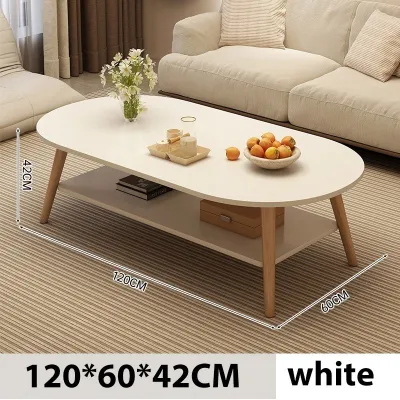
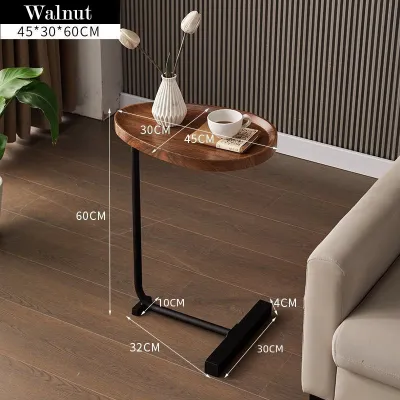
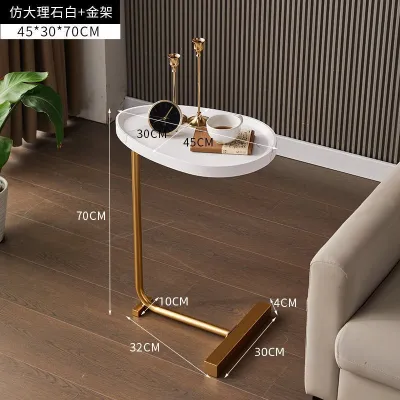
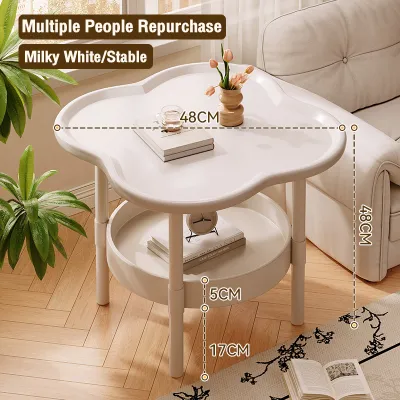
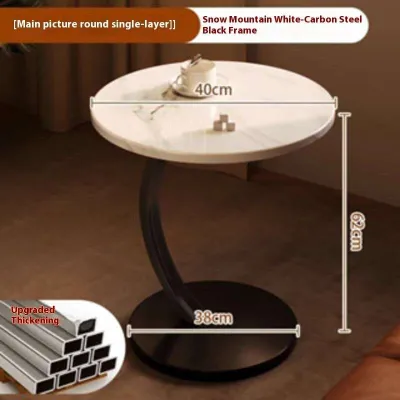
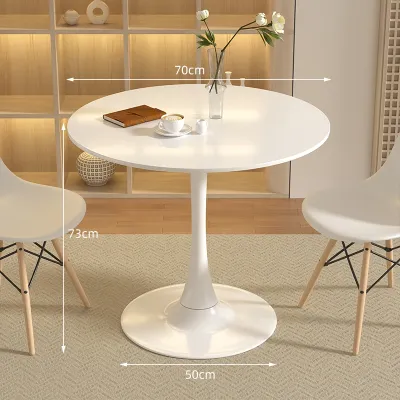
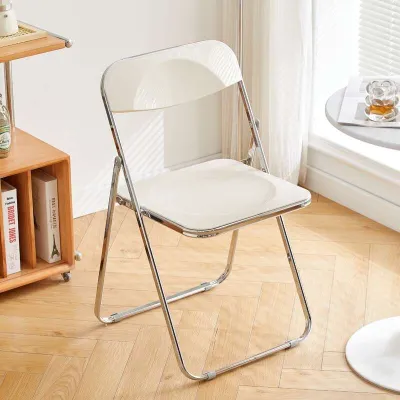
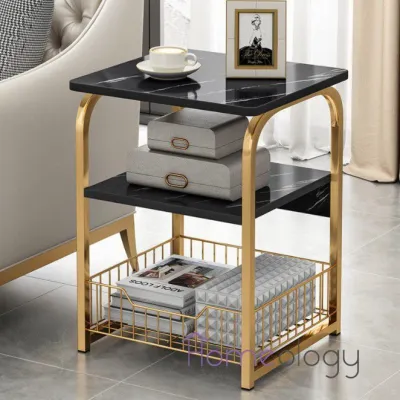
Prices are valid at publication and may change. Please refer to the product page for the latest price.

Next, determine the available floor footprint in your living room. Rather than measuring the entire room, focus on the specific zone between your sofa and your television console. Subtract the depth of your TV console and any other fixed furniture from this total distance. You must also account for functional clearance zones, such as the swing path of nearby doors, access to sliding balcony doors, and the physical clearance of low-hanging ceiling fans. In compact layouts common in Singapore’s HDB flats and BTO apartments, these architectural features heavily restrict where a table can safely sit.
To avoid costly return fees and spatial frustration, use a simple physical mockup technique. Grab a roll of painter’s tape or lay down sheets of newspaper to outline the exact dimensions of your prospective coffee table on the floor. Leave this mockup in place for a day or two. Walk around it, sit on your sofa, and open nearby drawers or cabinets. This hands-on test allows you to experience the table’s physical footprint and assess its visual weight within the room before making a purchase.
Breaking Down the Ideal Dimensions
Choosing a small coffee table requires looking beyond a single “small” label. You need to analyze how height, length, width, and clearance zones interact to create a comfortable, functional layout.
Getting the Height Right
The height of your coffee table directly impacts how comfortable your living room feels. Standard sofa seat heights generally range from 15 to 20 inches (approximately 38 to 51 centimeters) above the floor. To maintain natural ergonomics, your coffee table should be level with your sofa’s seat height or sit up to 2 inches (5 centimeters) lower.
If a coffee table is too high, it creates an awkward visual barrier in the center of the room, making the space feel closed off and visually cluttered. It also forces you to reach upward to set down a cup of tea or a remote control, which is physically unnatural. Conversely, a table that sits too low requires you to bend forward excessively. This repetitive bending can cause minor ergonomic strain over time, particularly when lifting heavier items like laptops or serving trays. Aiming for that level-to-slightly-below sweet spot ensures seamless transitions from sitting to reaching.
Determining Length and Width
While the classic design rule dictates that a coffee table should be two-thirds the length of your sofa, compact spaces require a more flexible approach. If you are pairing a table with a compact loveseat or a small two-seater sofa, aim for a length that is one-half to two-thirds of the seating area. For example, a 60-inch sofa pairs beautifully with a coffee table measuring between 30 and 40 inches in length.
Width, or depth, is equally important for maintaining the room’s central axis. A table must be wide enough to accommodate daily essentials like a tissue box, remote controls, or a decorative tray, yet narrow enough to preserve clearance on both sides. In tight rectangular layouts, look for narrow profiles—often referred to as “skinny” or “slender” coffee tables—with widths ranging from 18 to 22 inches. If you are configuring a modular sectional or an L-shaped sofa, a square table can work exceptionally well, as it mirrors the equal proportions of the corner seating arrangement.
Factoring in Clearance and Walkways
Even a perfectly proportioned coffee table will make a room feel cramped if it is squeezed too close to your seating. The ideal clearance between the front edge of your sofa and the edge of your coffee table is 14 to 18 inches (35 to 45 centimeters). This range provides ample legroom for sitting and standing while keeping the table within comfortable arm’s reach.
For the main pathways that lead through your living room to other areas—such as corridors, entryways, or balcony doors—you must maintain a wider clearance of at least 24 to 30 inches (60 to 76 centimeters). If your household includes young children, older adults, or individuals who use mobility aids, prioritize the upper end of these clearance ranges. Keeping walkways wide and unobstructed reduces the risk of accidental trips and ensures everyone can navigate the living room safely.
Choosing the Right Shape for Tight Layouts
The geometric shape of your coffee table plays a major role in how traffic flows around your seating arrangement. Selecting the right silhouette can visually expand a tight room while preventing physical bottlenecks.
Round and Oval Tables for Tight Traffic
For high-traffic living rooms or homes with tight spatial constraints, round and oval coffee tables are highly effective solutions. By eliminating sharp, 90-degree corners, curved tables allow you to navigate tight spaces smoothly without the risk of bumping into painful edges. This is particularly beneficial in households with active toddlers or in narrow layouts where the walkway between the sofa and the TV console is restricted.
Visually, curved shapes introduce soft, organic lines that break up the rigid, boxy architecture typical of modern apartments. A round table takes up less physical and visual square footage than a square table of the same width, making the entire seating area feel lighter and more open. For the best layout, center a round table within a tight, square seating arrangement or pair it with a compact loveseat to soften the overall composition.
Square and Rectangular Tables for Sectionals
If your living room features a long, shallow sofa or a compact sectional, linear tables are often the most practical choice. A narrow rectangular coffee table mirrors the long, straight lines of a standard sofa, providing a balanced surface area that is accessible to everyone sitting down. This shape fits neatly into narrow, elongated rooms, keeping the central walking path clear.
For L-shaped sectionals, square coffee tables are highly efficient. A square table nests perfectly into the corner crook of the sectional, ensuring that guests sitting on both legs of the sofa can easily reach the table surface. When selecting a square table, align its geometry with your area rug and the primary seating axis to create a cohesive, balanced look. Ensure the table’s dimensions do not extend past the outer edges of the sectional cushions to keep walkways clear.
Nesting and Lift-Top Tables for Multi-Use Spaces
In multi-functional living rooms where your coffee table must double as a workspace, dining table, or storage unit, specialized space-saving designs offer excellent utility. Nesting tables consist of two or three tables of graduating sizes that slide completely underneath one another. This design allows you to keep a single, compact footprint for daily use, and then easily slide out the secondary tables to expand your surface area when hosting guests. When shopping for these tables in Singapore, you will find budget-friendly options starting under S$150, while premium solid wood designs typically range from S$300 to S$600.
Lift-top coffee tables are another popular option for small spaces, featuring a mechanical top that raises upward and forward to create a comfortable desk or dining height. When shopping for a lift-top model, always check the manufacturer’s specified weight capacity, extended height, and overall stability. Because these tables contain moving metal joints, verifying the load capacity is crucial to prevent tipping or mechanical failure when placing laptops or heavy meals on the extended surface. Ensure the base is heavy enough to anchor the table securely when the top is fully deployed.
Common Sizing Mistakes That Cramp Small Living Rooms
When decorating a compact living room, a few common sizing and placement errors can quickly make the space feel cluttered and dysfunctional. One of the most frequent mistakes is ignoring the concept of visual weight. A small coffee table crafted from solid, dark wood or heavy, opaque stone can make a small room feel incredibly cramped, even if its physical dimensions are technically correct. Instead, look for tables featuring open metal frames, slender legs, or transparent materials like tempered glass or acrylic. These designs allow light and sightlines to pass through, creating the illusion of a larger, more open floor plan.
Another common pitfall is blocking essential pathways and functional features. Always verify that your coffee table does not obstruct the opening of TV console drawers, the swing of nearby doors, or access to your balcony. If you have to squeeze sideways to walk past your coffee table to reach the balcony or kitchen, the table is either too large or poorly positioned.
Additionally, many homeowners forget to measure the delivery route before purchasing. A coffee table might fit your living room layout perfectly, but if it cannot clear your building’s elevator doors, narrow stairwells, or apartment entryway, you will face significant delivery challenges. Always check the packaged dimensions of the furniture and compare them against your building’s access points.
Finally, avoid the temptation to over-accessorize a small coffee table. Cluttering a compact surface with large books, heavy candles, and bulky decor defeats the purpose of choosing a space-saving size. Keep the surface clean and minimalist, leaving at least 70% of the tabletop free for daily use.
Frequently Asked Questions (FAQ)
Can a coffee table be longer than the sofa?
No, a coffee table should never be longer than the sofa it sits against. Doing so completely disrupts the visual proportions of your living room, making the seating arrangement look unbalanced and awkward. From a practical standpoint, a table that extends past the sofa ends blocks access to the seating, creating physical bottlenecks and making it difficult to sit down or stand up. To maintain a balanced aesthetic and clear walkways, always keep your coffee table’s length strictly shorter than your sofa’s total seating length, ideally aiming for the half to two-thirds proportion.
What is the best material to make a small room look bigger?
To make a compact living room feel more spacious, focus on materials with low visual weight. Transparent materials, such as tempered glass or clear acrylic, are highly effective because they do not block your line of sight, allowing you to see the floor underneath the table. This openness makes the room feel larger and airier. Alternatively, tables with slender, open-frame metal legs or light-colored natural finishes (such as pale oak or white-finished metal) help bounce light around the room. When choosing glass or acrylic, ensure you follow the manufacturer’s care instructions and use coasters to prevent surface scratches.
How do I size a table for a sofa with a chaise?
Sizing a coffee table for a sofa with an attached chaise lounge requires a slight adjustment to the standard rules. Instead of measuring the entire length of the sofa, measure only the main, straight seating section, excluding the width of the chaise. Your coffee table’s length should be based on this shorter seating portion. Additionally, you must ensure that the coffee table does not extend into the open space running parallel to the chaise. This area must remain entirely clear to allow you to stretch out your legs comfortably and get on and off the chaise without bumping into the table.
Community discussion
Share your experience or ask a question. Comments are reviewed before publication.