
Finding the perfect storage solution for a Housing & Development Board (HDB) flat requires balancing vertical space with precious floor area. A shelf rack storage unit with drawers offers an excellent combination of open display space and concealed storage, but its success depends entirely on selecting the correct dimensions. Choosing the wrong size can quickly make a bedroom, study, or living area feel cramped and disrupt daily movement.
To select the right unit, look beyond the basic width and height listed on a product page. You must account for the physical space the unit occupies when fully opened, the structural limits of your room, and the path required to bring the furniture into your home. Planning for functional clearance ensures you find a storage rack that organizes your belongings without overwhelming your living space.
Measure Your HDB Room and Clearance Zones
Before browsing online marketplaces or visiting showrooms, establish the exact physical boundaries of your placement area. Measure the floor footprint, including the maximum width and depth the unit can occupy. Do not rely on visual estimates; even a discrepancy of a few centimeters can prevent a door from opening or block a walkway in a compact HDB bedroom. Additionally, measure the ceiling height if you are considering a tall utility rack that utilizes vertical space.
Products mentioned in this guide
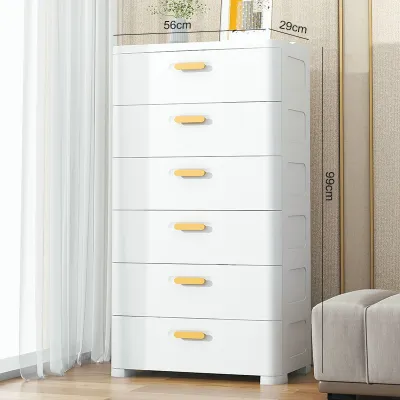
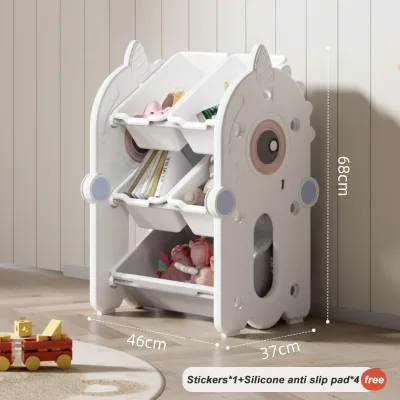
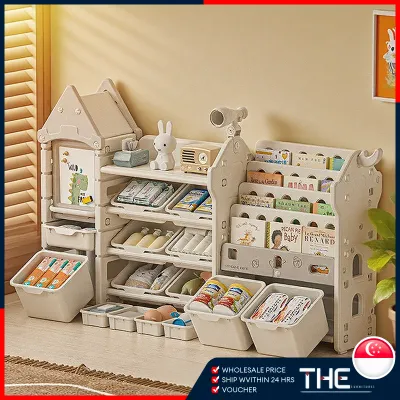
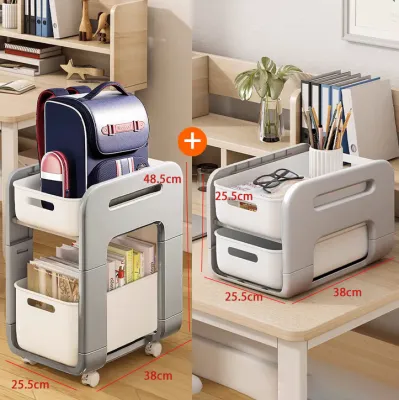

Prices are valid at publication and may change. Please refer to the product page for the latest price.
Measuring the static footprint is only the first step; you must also calculate the dynamic clearance zone. A shelf rack with drawers requires extra depth to allow the drawers to slide out completely. Check the manufacturer’s specifications for the drawer slide length, or add the depth of the drawer to the depth of the frame. Beyond the fully extended drawers, leave enough space to stand, bend down, and access the lower compartments comfortably.
Finally, look closely at architectural details that might restrict placement. Skirting boards along the base of the wall can prevent a flat-backed rack from sitting flush against the wall, stealing a centimeter or two of depth. Note the location of wall-mounted power outlets, light switches, and internet ports to ensure the rack does not block access. Window sills, low-hanging air-conditioning units, and door frames must also be measured to avoid physical interference.
Match Storage Capacity to Your Drawer and Shelf Needs
A storage unit is only as useful as its ability to hold your specific belongings, so audit your items before deciding on a rack size. Group your possessions by size, weight, and how often you need to access them. Heavy books, decorative items, or frequently used storage boxes are best suited for open shelves, while smaller, loose items like documents, cables, or clothing accessories are better kept in drawers. This categorization helps you determine the ideal ratio of open shelving to closed drawer space.

Next, estimate the internal volume required for your drawers. Keep in mind that the external dimensions of a drawer do not represent its actual usable capacity. Drawer runners, wooden or metal side panels, and bottom supports reduce the internal width and depth. If you plan to store bulky items like winter wear or bedding, you will need deeper, wider drawers, whereas stationery and small electronics are better organized in shallow drawers to prevent items from getting buried.
While it is tempting to choose the largest possible unit to maximize storage, prioritizing practical accessibility is far more effective. Overstuffing a room with a massive rack to solve a temporary storage problem often leads to a cluttered, uninviting environment. Instead, focus on a streamlined unit that accommodates your daily essentials, and consider decluttering or using alternative storage methods for items you rarely use.
Evaluate Shelf Rack Dimensions and Configurations
Once you have your room measurements and storage requirements, begin comparing external product dimensions against your space. Look for a shelf rack that fits comfortably within your established clearance limits while still offering the necessary storage volume. If your floor space is highly restricted, look for units that emphasize height over depth, allowing you to store more items vertically without encroaching on the room’s walking paths.
Flexibility is a crucial factor when evaluating configurations. Opt for shelf racks that feature adjustable shelving heights, which allow you to customize the distance between shelves as your storage needs change over time. Similarly, check if the drawer units are modular or if their positions can be swapped. This adaptability ensures that the furniture remains useful even if you repurpose the room in the future, such as converting a study into a nursery.
For exceptionally tight spaces, modular or stackable storage configurations are highly beneficial. These systems allow you to start with a basic low-profile unit and add matching shelves or drawer components vertically as your budget and storage needs grow. This incremental approach prevents you from committing to a massive piece of furniture upfront and lets you test how the unit fits into your daily routine before expanding it.
Check Delivery, Assembly, and Structural Limits
A common oversight when purchasing furniture for HDB flats is failing to plan for the delivery and assembly process. Even if a shelf rack fits perfectly in your room, it must first travel through your estate’s common areas. Verify the packaged dimensions of the unit against the clearance heights and widths of your HDB lift, common corridors, and main entryway. If you live in an older estate with narrower doorways or smaller lifts, flat-packed furniture that is assembled inside the room is often the safest option.
Structural safety is another critical consideration, particularly regarding weight capacity. Always check the manufacturer’s specified load limits for both the individual shelves and the drawers. Distribute weight evenly, placing heavier items on the bottom shelves or in the lowest drawers to maintain a low center of gravity. Overloading a shelf can cause it to sag or warp, while overloaded drawers can damage the sliding mechanisms and make them difficult to operate.
To ensure long-term safety, evaluate the stability of the rack and plan for proper floor protection. Tall, top-heavy units pose a tipping hazard, especially when multiple drawers are pulled out simultaneously. It is highly recommended to secure tall racks to the wall using appropriate anchoring hardware suitable for HDB concrete walls. Additionally, consider placing felt pads or protective caps on the feet of the rack to prevent scratching your vinyl, laminate, or tile flooring during installation or minor adjustments.
Common Sizing Mistakes to Avoid in Compact Flats
One of the most frequent mistakes homeowners make is ignoring the drawer extension depth during the planning phase. A rack might fit beautifully against a wall, but if the drawers cannot open fully because they hit the edge of a bed, a wardrobe, or a desk, the unit loses half its functionality. Always map out the swing and slide paths of all adjacent furniture doors and drawers to ensure they do not collide.
Another common error is choosing a storage unit that fits the physical dimensions of the wall but completely overwhelms the visual proportion of the room. A massive, dark-colored shelf rack can make a small HDB bedroom feel incredibly claustrophobic, even if there is technically enough floor space to walk around it. To maintain an airy, spacious feel, opt for racks with open metal frames, light wood finishes, or units that leave some wall space exposed on either side.
Finally, do not overlook the physical thickness of the rack’s frame and drawer hardware. Heavy-duty industrial metal racks or thick wooden frames can eat up a significant portion of the unit’s total footprint, leaving you with surprisingly little internal storage space. Always compare the external dimensions with the internal usable dimensions listed in the product specifications to ensure you are getting an efficient ratio of storage capacity to floor space.
Frequently Asked Questions (FAQ)
How much space should I leave between the storage rack and the bed or desk?
For comfortable daily movement in an HDB room, aim to leave a minimum walkway width of 60 to 70 centimeters between the storage rack and other major furniture pieces like a bed or desk. If the rack features drawers, you must add the full depth of the extended drawer to this measurement, plus an additional 40 to 50 centimeters of standing space. If the rack is placed near a study desk, ensure there is enough clearance for your office chair to push back fully without colliding with the rack or blocking access to the drawers.
Can I place a tall shelf rack with drawers near an HDB window or air-con ledge?
Placing a tall shelf rack near a window or air-con ledge requires careful environmental and spatial checks. Ensure the rack does not block natural light or obstruct the airflow from windows and air-conditioning units. In Singapore’s humid climate, areas near windows and air-con ledges are prone to condensation and rainwater splashes, which can damage wooden frames or cause metal components to rust. Always check that the base of the rack sits entirely on flat, solid flooring and does not overhang any raised ledges or skirting.
Community discussion
Share your experience or ask a question. Comments are reviewed before publication.