
Finding the perfect modern TV console is a balancing act between the physical dimensions of your television, the layout of your living room, and the overall visual harmony of your home. A console that is too small makes your television look top-heavy and unstable, while an oversized unit can overwhelm your living space and disrupt foot traffic. To make the right choice, you must evaluate your wall dimensions, calculate the physical footprint of your media equipment, and select a design that aligns with your seating height.
Measure Your Wall Space and Room Layout
Before browsing online marketplaces or visiting local furniture showrooms, you must establish the physical boundaries of your living room. Start by measuring the total width and height of the wall where you plan to position the console, noting fixed architectural features like windows, air conditioning units, or structural pillars that could restrict placement.
In compact urban homes, such as typical apartments and condominiums, walkway clearance is a critical factor. Ensure the console’s depth allows for comfortable movement, leaving at least 60 to 90 centimeters of clear walkway space between the console and your coffee table or sofa. Also, measure door swings to prevent the furniture from blocking pathways when doors are fully opened.
Products mentioned in this guide
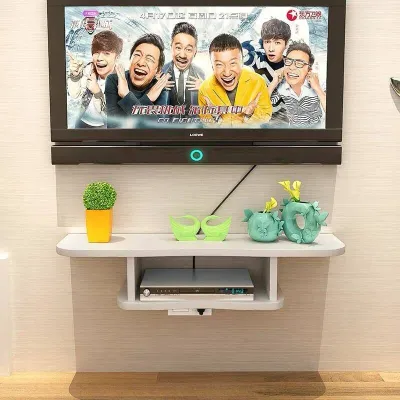
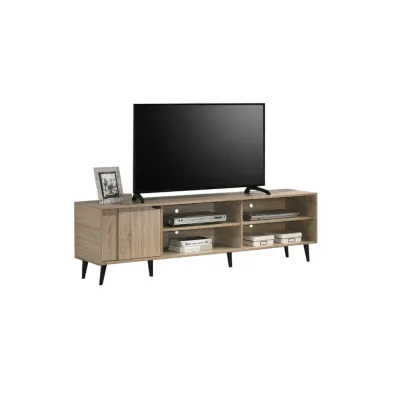
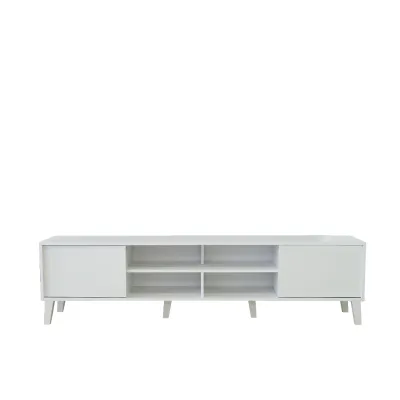
![[SG Ready Stock] Designer TV Cabinet (Wooden TV Console) Home And Style](https://img.lazcdn.com/g/p/87e73cf2dcca66015fc1d6ab80d2c425.jpg_400x400q80.jpg_.webp)
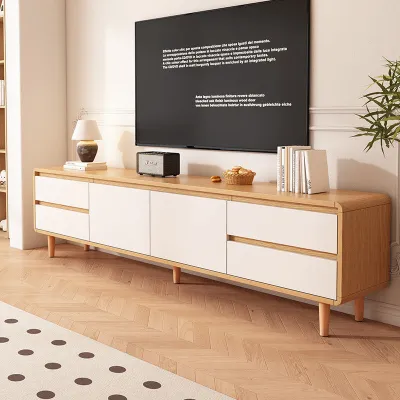
![**Free Installation** [100% Soild Wood] TV Console Cabinet Solid Wood TV Cabinet Chest Of Drawers 6ft/5ft/4ft](https://img.lazcdn.com/g/p/ba43b7d127618d7ac0681aff03e51563.jpg_400x400q80.jpg_.webp)
![[SG] Space-Saving Corner TV Console Solid Rubberwood with Sintered Stone Countertop Italian Modern Design Fully Assembled Living Room Cabinet for Small Space](https://img.lazcdn.com/g/p/f1ff1ba97f13043855fcdc0dfdb58537.jpg_400x400q80.jpg_.webp)
Prices are valid at publication and may change. Please refer to the product page for the latest price.
Do not forget to plan the delivery route. Measure the height and width of your apartment lift, stairwells, and main entrance door frame to guarantee the delivery team can safely transport the console. A beautiful piece of furniture is of little use if it cannot clear the tight corners of a residential corridor or lift cabin.
Finally, inspect the lower wall for baseboards, electrical outlets, and internet data ports. Baseboards prevent flat-backed consoles from sitting completely flush, requiring a small gap of one to two centimeters. Knowing outlet locations ensures you can position the console to cover unsightly plugs while maintaining easy physical access.
Match the Console Width to Your TV Size
Achieving proper visual proportion is key to a balanced media setup. As a general rule, your modern TV console should be wider than the actual physical width of your television. This design principle creates a stable visual base, preventing the television from looking top-heavy or precariously balanced.

It is vital to distinguish between a television’s advertised screen size and its actual physical width. Screen sizes are measured diagonally, meaning a 65-inch television is actually only about 145 centimeters wide. Always check the manufacturer’s specifications for the exact physical width of your TV model before matching it to a console.
For a balanced look, aim for a console that extends at least 10 to 15 centimeters beyond the outer edges of your television on both sides. This extra width provides a comfortable visual buffer and leaves room for small decorative items. If you have a 65-inch television, a console with a width of 180 centimeters or more offers an ideal proportion.
If you plan to place your television directly on top of the console, verify the physical footprint of the TV’s stand. Modern televisions often feature wide-set legs rather than a central pedestal. Measure the distance between these legs to ensure they sit securely within the console’s surface boundaries, with several centimeters of clearance from the edges.
The visual weight of your chosen modern design also plays a role. Minimalist consoles with slender metal legs or open shelving units have a lighter visual footprint, which pairs beautifully with thin-bezel screens. Conversely, solid, floor-standing wooden credenzas carry more visual weight and can easily anchor larger, heavier television displays.
Determine the Ideal Height and Depth
Ergonomics should dictate the height of your modern TV console to ensure a comfortable viewing experience. The goal is to position the television so that the center of the screen aligns closely with your eye level when you are seated in your primary viewing position.
To calculate your ideal console height, sit on your living room sofa and measure the distance from the floor to your eyes. For most standard sofas, this seated eye level is approximately 95 to 110 centimeters. Subtracting the distance from the bottom of your television stand to the vertical center of the screen from your seated eye level gives you the target console height.
Generally, a console height of 45 to 55 centimeters works well for standard sofa heights and larger screens. If you have a low-profile modern sofa, you may need a lower console to maintain a comfortable downward viewing angle. Conversely, if your sofa features deep, upright seating, a slightly taller console may be necessary.
Console depth is equally important for housing media equipment safely. Most modern consoles range from 40 to 50 centimeters in depth, which is typically sufficient for standard media players, gaming consoles, and soundbars. However, you must measure the deepest piece of equipment you own, including any protruding cables at the rear, to ensure cabinet doors close completely.
Be mindful of any intervening furniture, such as a high-profile coffee table, that might sit between your sofa and the television. If these items are too tall, they can obstruct your line of sight to the lower portion of the screen or block the infrared receiver on your television or soundbar.
Evaluate Modern Design Features and Storage Needs
Modern TV consoles come in various configurations, each offering distinct functional advantages. Choosing between a floor-standing model and a wall-mounted floating console is one of the most significant decisions you will make.
Floating consoles offer a sleek, minimalist aesthetic and keep the floor area completely clear, making the living room feel more spacious. However, floating units require professional installation and strict verification of your wall structure. Concrete or solid brick walls can easily support the weight, but partition walls made of gypsum or drywall require reinforcement or mounting directly into wall studs.
Before purchasing, assess the internal dimensions of the console’s cabinets, shelves, and drawers. Modern media setups often include gaming consoles, streaming boxes, and internet routers. Ensure the internal shelves are deep and tall enough to accommodate these devices, leaving at least two to three centimeters of space around each item for proper heat dissipation.
Integrated cable management is a hallmark of high-quality modern console design. Look for units that feature pre-drilled rear cutouts, hidden wire channels, or removable back panels. These features allow you to route power cords neatly behind the scenes, preserving the clean, uncluttered look of a modern living space.
Common Sizing Mistakes to Avoid
One of the most frequent errors is relying solely on the diagonal screen size of a television when planning your layout. Because diagonal measurements do not account for the width of the screen bezel or the depth of the TV stand, they can lead to purchasing a console that is far too narrow. Always use a physical tape measure to capture the actual outer dimensions.
Another common oversight is failing to plan for a soundbar. If you intend to place a soundbar on the console surface, ensure there is enough depth to accommodate both bases. Additionally, check that the height of the soundbar does not block the lower edge of your television screen or interfere with the remote control’s infrared sensor.
Finally, do not assume that a modern console will easily fit through your building’s common areas. Always check the packaged dimensions of the furniture before finalizing your purchase. If you live in a high-rise apartment, verify that the box can fit inside the passenger lift to avoid unexpected manual carrying charges.
Frequently Asked Questions (FAQ)
Can I use a modern TV console that is narrower than my TV?
Using a console that is narrower than your television is generally not recommended because it creates a top-heavy visual imbalance and increases the risk of accidental bumps. If your room layout or wall space limits you to a narrow console, the safest approach is to wall-mount your television securely. This setup allows you to use a smaller console underneath purely for media storage and cable management without risking the stability of your screen.
How much clearance should I leave around the TV for ventilation?
To prevent your television from overheating, you should always consult your specific manufacturer’s manual for exact clearance and ventilation guidelines. Generally, leaving a gap of at least five to ten centimeters around the sides and rear of the television allows for adequate airflow. If you plan to place your television inside a recessed wall niche or a semi-enclosed console hutch, proper ventilation is even more critical to ensure the longevity of your electronics.
Community discussion
Share your experience or ask a question. Comments are reviewed before publication.