
Choosing the right size low shelf is a balance between your physical room constraints and the items you intend to store. A well-proportioned low shelf keeps your living space open and airy while providing functional, accessible storage. To find the perfect fit, you must measure your available floor area, account for wall-side obstructions, calculate your internal storage volume, and plan for safe clearance pathways.
Measure Your Floor and Wall Space Accurately
To ensure your low shelf fits seamlessly, start by gathering a reliable steel measuring tape. Avoid soft fabric tailors’ tapes, which can sag and lead to inaccurate readings. Measure the exact width and depth of the floor area where you plan to place the shelf, keeping in mind that even a few millimeters of error can prevent a piece of furniture from fitting into a tight alcove or corner.
In many homes, particularly modern apartments and condominiums, skirting boards or baseboards protrude from the wall by one to two centimeters. If you measure only the wall-to-wall distance at chest height, your shelf may not fit at the floor level. Always take your floor measurements directly along the floorboards to account for this projection, which can prevent a flat-backed shelf from sitting flush against the wall.
Products mentioned in this guide
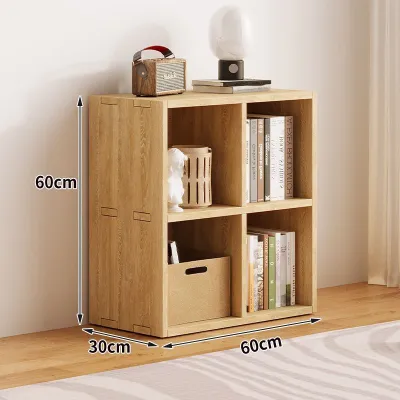
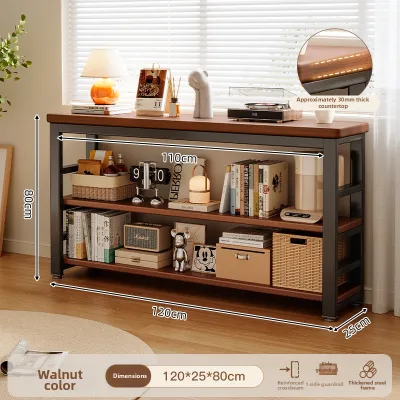
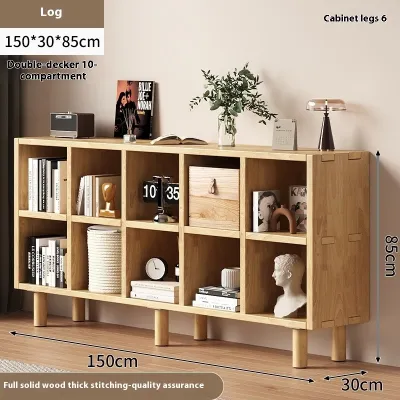
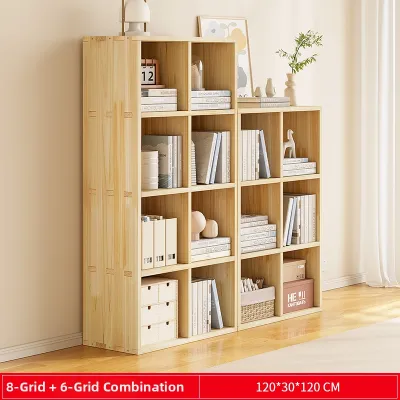
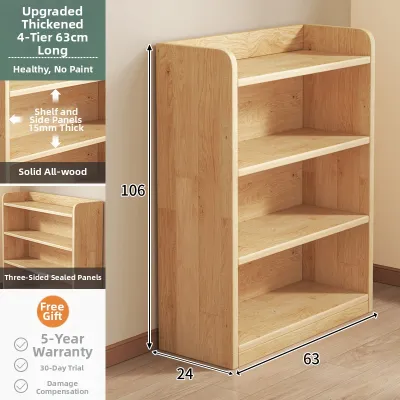

Prices are valid at publication and may change. Please refer to the product page for the latest price.
Next, measure the vertical limits of your wall space. Low shelves are highly versatile and often sit beneath windows, art galleries, or wall-mounted televisions. Measure the height from the floor to the bottom of your window sills or the lower edge of existing wall decor. Keeping the top of your shelf at least five to ten centimeters below these features preserves clean lines and prevents a cluttered, overlapping appearance.
Do not forget to map out wall obstructions such as electrical outlets, light switches, internet ports, and telephone jacks. A low shelf can easily block access to these essential utilities. Note the exact height and width coordinates of all wall sockets so you can choose a shelf that either sits below them or features an open back that allows easy access to plugs and cables.
Finally, consider the visual proportions of the room. In compact spaces, such as typical Singapore HDB flats with standard ceiling heights, tall bookcases can dominate the room and block natural light. A low shelf—typically defined as waist-height or below—keeps the upper half of the wall clear. This horizontal emphasis draws the eye across the room rather than upward, making compact spaces feel significantly larger and more open.
Translate Storage Needs into Shelf Dimensions
To determine the ideal dimensions of your low shelf, you must first catalog the items you intend to store or display. If you are organizing a book collection, stack the books horizontally on a table and measure the total length of the stack to estimate the linear shelf space you need. If you plan to expand your collection, add a fifteen to twenty percent buffer to your total width calculation.

When planning the width, decide whether a single wide unit or multiple modular units will serve your space better. A single, long low shelf provides a sleek, uninterrupted horizontal line that looks highly cohesive in minimalist interiors. However, modular units—such as two smaller shelves placed side-by-side—are much easier to transport, assemble, and rearrange if you decide to change your room layout in the future.
The depth of your shelf is critical to both its physical footprint and its storage utility. Standard low shelf depths generally range from 25 to 40 centimeters. A shallow shelf of 25 to 30 centimeters is ideal for standard novels, paperbacks, and small decorative items. This narrow profile is highly recommended for tight hallways, entryways, or behind a sofa where floor space is at a premium.
If your storage needs include larger items like vinyl records, oversized art books, or fabric storage bins, you will require a deeper shelf of 35 to 40 centimeters. Always measure the external dimensions of your preferred storage boxes or baskets before choosing a shelf. Ensuring your bins fit entirely within the shelf depth prevents them from overhanging, which looks untidy and can create a tripping hazard.
The height of your low shelf determines how you will interact with its top surface. A shelf height of 60 to 75 centimeters is ideal if you want to use the top deck as a media console or a low display area for artwork and houseplants. If you prefer a unit that doubles as an entryway console or a convenient drop zone for keys and mail, look for a height closer to 85 to 100 centimeters.
Before finalizing your choice, check the manufacturer’s specifications for the internal shelf configuration. Fixed shelves offer excellent structural stability but limit your ability to store taller items. Adjustable shelves provide the flexibility to customize the height of each compartment. Additionally, verify the thickness of the shelf boards; thin shelves under 1.5 centimeters may sag over time when loaded with heavy textbooks or ceramic pots.
Plan for Clearances, Pathways, and Safety
A low shelf must fit into your daily lifestyle without obstructing the natural flow of movement through your home. In busy areas like living rooms, dining spaces, or corridors, maintain a clear walkway of at least 60 to 90 centimeters in front of the shelf. This clearance ensures that family members can walk past comfortably without bumping into the corners of the furniture.
If your chosen low shelf features drawers, pull-out baskets, or hinged cabinet doors, you must account for their extension space. Measure the depth of the shelf with all doors and drawers fully opened. Ensure this extended footprint does not collide with nearby room doors, wardrobe panels, or the path of sliding glass doors, allowing you to access your stored items without restriction.
If you plan to use the low shelf to house electronics such as media players, game consoles, or internet routers, heat dissipation is a key consideration. These devices generate heat during operation and require adequate airflow to function efficiently. Leave a gap of at least five centimeters between the back of the shelf and the wall, and choose a unit with open backs or built-in cable management cutouts to prevent heat buildup.
Safety is paramount, even for furniture that sits close to the ground. Low shelves can still present a tipping hazard, especially if heavy drawers are pulled out simultaneously or if young children or pets attempt to climb them. Always check the manufacturer’s installation guide for anti-tip hardware requirements, and anchor the shelf securely to the wall if recommended to prevent accidental tipping.
Finally, consider the stability of the shelf on your specific flooring type. On uneven tile floors or older timber flooring, a low shelf with adjustable leveling feet is highly beneficial to prevent wobbling. For carpeted floors, a solid plinth base distributes weight more evenly than thin legs, preventing deep indentations in the carpet fibers and maintaining better overall balance.
Avoid Common Low Shelf Sizing Mistakes
One of the most frequent mistakes when buying a low shelf is failing to account for the skirting board gap. When a flat-backed shelf cannot sit flush against the wall, it leaves an awkward gap where small items can fall and dust can accumulate. To avoid this, look for shelves designed with a baseboard cutout at the back or opt for a model with inset legs that lift the main body of the shelf above the skirting board.
Another common error is blocking essential home utilities. Placing a low shelf directly over floor vents, wall vents, or in front of smart home hubs and thermostat sensors can disrupt your home’s climate control and connectivity. Ensure you have clear physical and visual access to all wall controls, and keep air circulation paths completely unobstructed to maintain a comfortable living environment.
Many homeowners also overlook the logistics of delivery and assembly. A long, pre-assembled low shelf may fit perfectly along your living room wall, but it must first get there. Measure the height and width of your apartment’s entry doors, elevator doors, internal lift dimensions, and any tight corners in your building’s stairwells to ensure the packaged or assembled unit can be delivered safely.
Choosing a shelf that is too shallow for your intended storage items is another mistake that leads to buyer’s remorse. When books or storage baskets overhang the front edge, they disrupt the clean, horizontal lines of the low shelf and make the space look cluttered. Overhanging items are also easily knocked off by passing traffic, which can result in damage to your belongings.
Lastly, do not make the mistake of ignoring the weight capacity of the shelves. A long low shelf made of thin, unsupported materials may look elegant when empty, but it can bow or warp under the weight of heavy books, electronics, or decorative sculptures. Always verify the manufacturer’s specified weight limit per shelf to ensure the unit can safely support your storage load over the long term.
Community discussion
Share your experience or ask a question. Comments are reviewed before publication.