
Choosing the right living room console is a balancing act between visual harmony, physical safety, and daily functionality. A media setup that is poorly proportioned can make an entire living area feel cramped or disjointed. To create a balanced, visually pleasing space, your media console should ideally be at least 10 to 20 centimeters wider than your television screen on both sides. This extra width anchors the room, ensures structural stability, and prevents a top-heavy look.
Whether you are furnishing a new apartment or upgrading your current entertainment setup, understanding how to measure and match your furniture to your electronics is essential. By taking a few precise measurements of your television, wall space, and seating arrangement, you can select a console that fits your home perfectly and enhances your viewing experience.
Quick Answer: The Golden Rules of Console Sizing
When choosing a living room console, the most critical visual and safety rule is that the console must always be wider than the television it supports. A console that is the same width as or narrower than the TV creates an awkward, top-heavy silhouette that makes the room feel unstable. Aim for a unit that extends at least 10 to 15 centimeters beyond the outer edges of your TV screen on each side.
Products mentioned in this guide
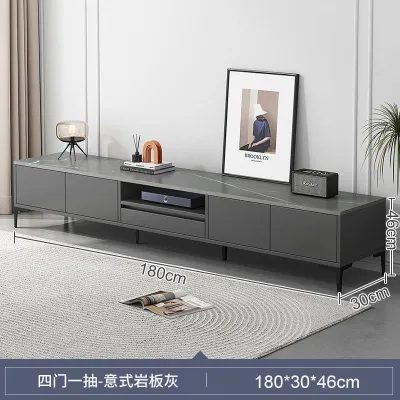
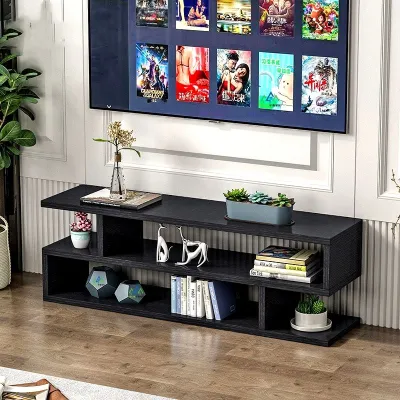
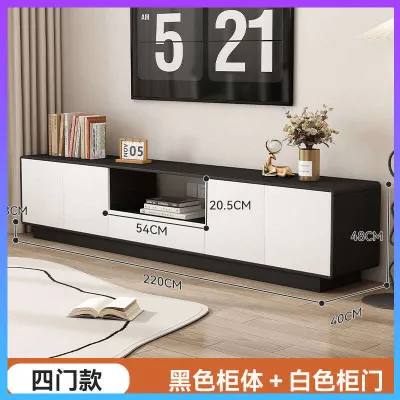
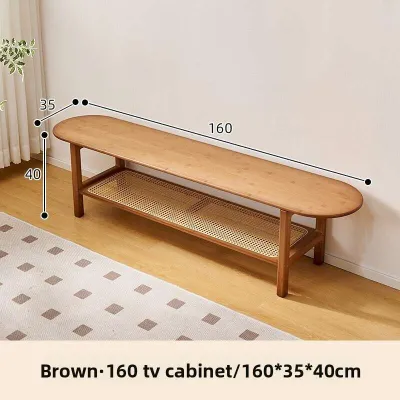
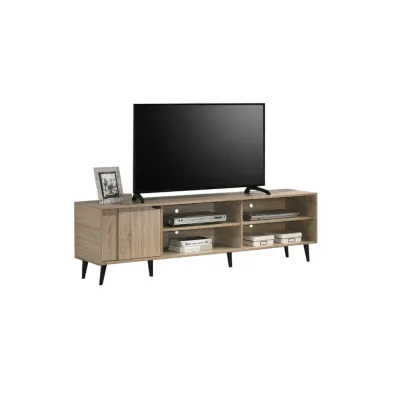
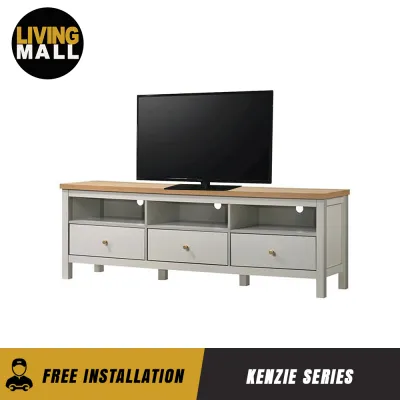
![[HOMIEST] Oscar Living Room Bundle in Oat | TV Console / Cabinet / Coffee Table / Side Table](https://img.lazcdn.com/g/p/6b9123db1b60f323c395c8672bc2bd84.jpg_400x400q80.jpg_.webp)
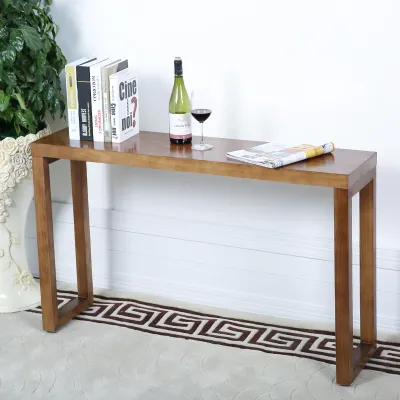
Prices are valid at publication and may change. Please refer to the product page for the latest price.
To find the perfect fit, you must evaluate three essential dimensions before making a purchase: the physical width of your TV, the available wall space, and the ideal viewing height. Additionally, always check the weight capacity of the console to ensure it can safely support your television and media accessories. In compact living spaces, calculating walkway clearance is equally vital to maintain smooth traffic flow around your seating area.
Step 1: Measure Your TV and Available Space
Before browsing for a new living room console, you must establish the hard physical constraints of your room and your television. Relying on guesswork can lead to costly return fees or a cramped living environment. Taking precise measurements of your electronics and your room’s layout is the most effective way to narrow down your options.

Measuring Your TV Dimensions and Weight
One of the most common mistakes is relying solely on your television’s advertised screen size when planning your furniture layout. A 55-inch or 65-inch television refers to the diagonal measurement of the screen, not its actual physical width. To find the true width, use a tape measure to measure from the far-left edge of the TV bezel to the far-right edge. A typical 65-inch TV, for example, is actually about 145 centimeters wide.
If you plan to place your television directly on top of the console rather than mounting it on the wall, you must also measure the footprint of the TV stand. Some televisions feature a central pedestal base, while others utilize wide-set feet positioned near the outer edges of the screen. Ensure the console’s top surface is deep and wide enough to accommodate these feet comfortably, leaving a safe margin of at least 5 centimeters on all sides to prevent accidental slips.
Finally, check the total weight of your television in the manufacturer’s manual. Compare this figure against the maximum load capacity specified by the console manufacturer. Overloading a media unit can cause the top shelf to bow, warp, or crack over time, potentially damaging your electronics and creating a safety hazard in your home.
Assessing Your Wall Space and Walkways
Once you have measured your television, turn your attention to the room itself. Measure the total width of the wall where you plan to position the console. Be sure to account for nearby architectural features such as windows, doors, structural pillars, light switches, and power outlets. In Singapore’s HDB flats and condominiums, wall-mounted power points and cable connection ports are often fixed; blocking them with a solid-backed console can restrict access and force you to pull the furniture away from the wall, wasting valuable floor space.
Walkway clearance is another critical factor, particularly in compact living room layouts. To maintain comfortable movement throughout the room, aim to leave at least 60 centimeters—and ideally 90 centimeters—of clear space between the front of your console and other furniture, such as a coffee table or the edge of your sofa. This ensures that family members can walk past the television setup without having to squeeze through tight gaps.
Additionally, consider the door swings of nearby cabinets or room entrances. A console that is too long or deep may obstruct doors from opening fully, leading to daily frustration and potential damage to your furniture. Marking out the proposed footprint of your console on the floor using masking tape is an excellent way to visualize the layout and test the traffic flow before committing to a purchase.
Step 2: Match the Console Width to Your TV
Achieving visual balance in your living room relies heavily on the relationship between the width of your television and the width of your console. When these two elements are properly proportioned, they create a cohesive focal point that makes the entire room feel more organized and spacious.
The “overhang rule” is the primary guideline used by interior designers to create a balanced look. This rule dictates that your living room console should extend beyond the physical edges of your TV screen on both sides. Ideally, you should aim for a console that is roughly 20 to 30 centimeters wider than your TV overall, allowing for 10 to 15 centimeters of clearance on each end. This extra width creates a stable visual base, preventing the top-heavy appearance that occurs when a large screen sits on a narrow cabinet.
In addition to visual balance, a wider console offers practical safety benefits. The extended surface area acts as a physical buffer, protecting the delicate edges of your television from being accidentally bumped by children, pets, or guests walking past. It also provides dedicated, organized space to place essential accessories like a soundbar, smart home hubs, or a small decorative item without obstructing your view of the screen.
If you have an exceptionally large or ultra-wide television, such as a 75-inch or 85-inch model, finding a matching console can be difficult in a smaller living room. In these scenarios, wall-mounting the television is often the best solution. By mounting the screen, you eliminate the physical requirement for a massive, heavy console to support its weight. This allows you to choose a much slimmer, low-profile, or floating media unit that preserves precious floor space while maintaining a clean, modern aesthetic.
Step 3: Choose the Right Depth and Height for Ergonomics
While width is crucial for visual balance, the depth and height of your console directly impact your daily comfort, device storage, and the lifespan of your electronics. Neglecting these dimensions can lead to cluttered cables, overheating devices, and physical discomfort.
Depth for Devices and Ventilation
Standard living room consoles typically range from 35 to 45 centimeters in depth. Before choosing a model, measure the depth of your deepest media component, such as a gaming console, AV receiver, or cable box. Be sure to add an extra 5 to 10 centimeters of clearance behind the device to accommodate power cords, HDMI cables, and connection plugs. Forcing cables to bend at sharp angles against the back of a cabinet can damage the ports and lead to connectivity issues.
Proper ventilation is also essential for protecting your electronics from overheating. Closed cabinets with solid doors trap heat generated by active devices, which can shorten their lifespan. If you plan to store gaming consoles or media players inside closed compartments, look for consoles with open back panels, slatted doors, or built-in ventilation grilles that allow hot air to escape. Open shelving units naturally provide excellent airflow, though they do require more regular dusting to keep your equipment clean.
Furthermore, consider how the depth of the console affects your room’s walkways. In narrow living rooms, a console that is too deep can encroach on your seating area, making the room feel cramped. Choosing a slim-profile unit—around 35 centimeters deep—is often the best way to balance device storage with comfortable traffic flow in tighter spaces.
Height for Comfortable Viewing
To prevent neck and eye strain during long viewing sessions, your television must be positioned at a comfortable ergonomic height. The ideal setup places the center of the TV screen directly at your eye level when you are seated on your sofa. For most standard sofas, seated eye level is approximately 90 to 100 centimeters from the floor.
You can easily calculate your required console height using a simple formula. First, measure your seated eye height while sitting on your sofa. Next, measure the distance from the bottom of your TV stand to the vertical center of your TV screen. Subtract this TV measurement from your seated eye height to determine the ideal height for your console’s top surface. For example, if your seated eye height is 95 centimeters and the center of your TV is 35 centimeters from its base, your console should be approximately 60 centimeters tall.
Low-profile consoles, which typically stand between 30 and 45 centimeters high, are highly popular for modern interiors. However, they are generally best suited for very large TV screens or setups where the TV is wall-mounted higher up the wall. If your console is too low for your screen size, you will find yourself constantly looking downward, which can lead to poor posture and physical discomfort over time.
Common Sizing Mistakes to Avoid Before You Buy
To ensure a smooth purchasing process and avoid the hassle of returning heavy furniture, keep these common sizing mistakes in mind before making your final decision:
- Buying a console that matches the TV width exactly: This creates a cramped, awkward look with zero margin for error. If you decide to upgrade your television in the future, you will be forced to buy a new console as well.
- Ignoring the delivery route: Many homeowners measure their living room wall perfectly but forget to check if the console can fit through their front door, up the stairwell, or inside the apartment lift. This is particularly crucial for long, fully assembled wooden consoles. Always check the packaged dimensions and compare them against your building's lift doors and corridor clearances.
- Forgetting cable management: A beautiful console can be ruined by a cluttered mess of visible wires. Look for units that feature pre-drilled cable grommets, wire channels, or open back panels to route your cords neatly to the power outlets.
- Overlooking the skirting board thickness: In many homes, skirting boards protrude about 1.5 to 2 centimeters from the wall. If your console has a solid back and straight legs that extend to the very edge, the skirting board will prevent the unit from sitting flush against the wall, leaving an unsightly gap. Look for consoles with recessed back legs or a baseboard cutout to ensure a seamless, flush fit.
Frequently Asked Questions (FAQ)
Can a living room console be shorter than the TV?
While physically possible if the television is wall-mounted, using a console that is shorter than your TV is generally discouraged. A shorter console creates a top-heavy visual imbalance that makes the room feel cluttered and poorly proportioned. Additionally, if your TV is placed on its stand, a shorter console leaves the outer edges of the screen completely unprotected and highly vulnerable to being bumped or knocked over by passing traffic. If your wall space is extremely limited, wall-mounting the TV and pairing it with a small, floating shelf is a much safer and more balanced alternative.
How much space should I leave between the sofa and the TV console?
The ideal distance between your sofa and the TV console depends heavily on the size of your television screen. For a comfortable viewing experience, a standard high-definition or 4K TV is best viewed from a distance of about 1.5 to 2.5 times the diagonal measurement of the screen. For example, a 55-inch TV is best viewed from approximately 1.8 to 2.4 meters away. In terms of room layout, ensure there is a clear, unobstructed walkway of at least 60 to 90 centimeters between the front edge of the console and any central furniture, such as a coffee table, to allow for comfortable daily movement.
Community discussion
Share your experience or ask a question. Comments are reviewed before publication.