
Finding the perfect balance between fostering a love for reading and managing limited floor space is a common challenge for parents in Singapore. With typical HDB flats and condominium bedrooms averaging compact dimensions, every square centimeter of floor space must be utilized strategically. Selecting the right kids book shelf requires looking beyond aesthetics to evaluate precise dimensions, safety, and physical accessibility.
By understanding how to measure your space, match shelf dimensions to your child’s developmental stage, and select space-saving designs, you can create an organized, inviting reading nook. This approach keeps books within easy reach without making the bedroom feel cluttered or cramped.
Measure Your Room and Delivery Pathways Accurately
Before browsing online catalogs or visiting furniture showrooms, you must obtain precise measurements of the designated bedroom space. Use a metal measuring tape to record the exact width, depth, and height of the spot where the bookshelf will stand. Eyeballing the space often leads to purchasing furniture that blocks walkways or overlaps with other bedroom essentials.
Products mentioned in this guide
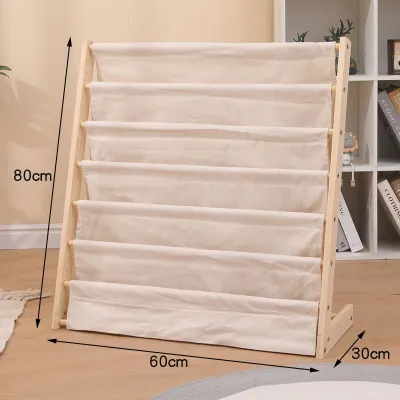
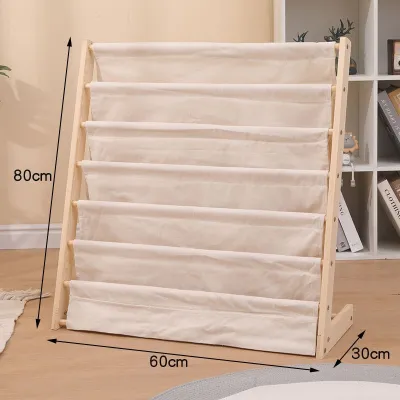
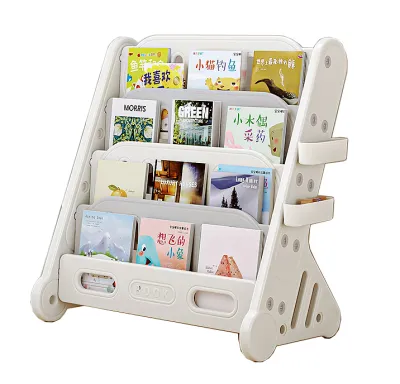
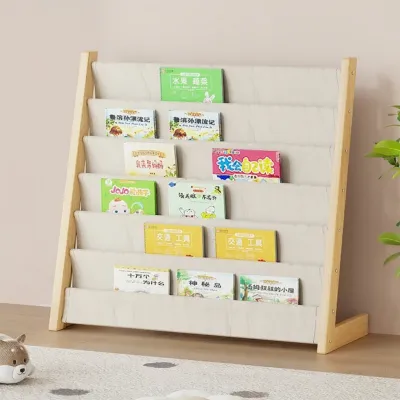
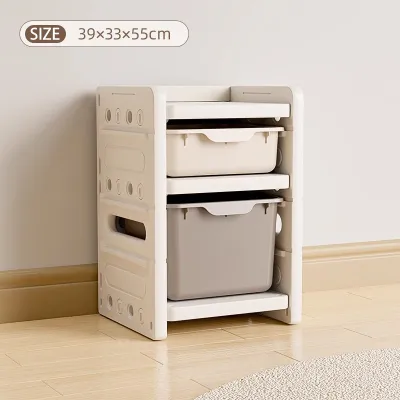

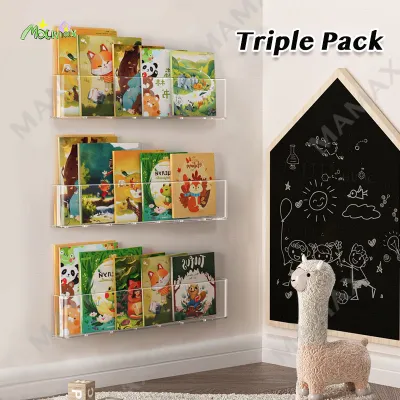
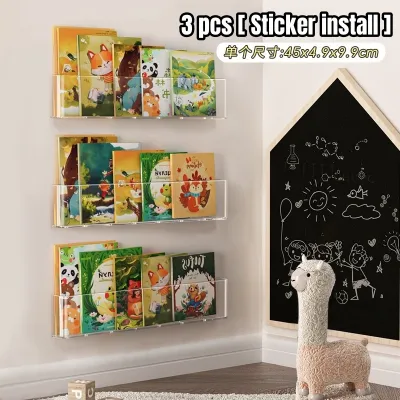
Prices are valid at publication and may change. Please refer to the product page for the latest price.
Pay close attention to architectural features common in local homes. Skirting boards along the base of the walls can prevent a bookshelf from sitting completely flush, effectively adding a few centimeters to its real-world depth. You must also account for the location of power outlets, light switches, and air-conditioning trunking, ensuring the unit does not block access to utilities or run into overhead pipes.
Equally important is planning the delivery route from the building entrance to the bedroom. Measure the height and width of your apartment’s front door, internal corridors, bedroom doors, and even the lift cabin dimensions. If you are buying a pre-assembled kids book shelf, it must navigate tight staircase turns and narrow doorways; flat-pack units are easier to transport but still require a clear floor area in the room for assembly.
Finally, leave adequate clearance around the planned footprint of the shelf. Ensure there is enough space for wardrobe doors to swing open fully and for drawers to slide out without obstruction. Leaving a small gap of 2 to 3 centimeters behind and beside the bookshelf also promotes air circulation, which is vital in Singapore’s humid climate to prevent mold growth.
Match Shelf Dimensions to Your Space and Child’s Reach
When selecting a kids book shelf, the height of the unit must balance vertical storage capacity with your child’s physical reach. For toddlers and preschoolers aged two to five, a shelf height of 60cm to 90cm is ideal for fostering independence, allowing them to see and retrieve books without help. For primary school children, heights up to 120cm or 150cm work well, but you should reserve the highest shelves for parent-only storage, seasonal books, or decorative displays.

The width of the bookshelf should complement the room’s proportions without dominating the layout. A wide bookcase measuring 90cm to 120cm offers substantial storage but can easily block natural light if positioned near a window, making a small room feel dark and enclosed. A narrower unit of 45cm to 60cm is much easier to slot into tight gaps, such as the space between a wardrobe and a study desk.
Shelf depth is a critical factor that directly impacts floor space. While standard adult bookcases are often 30cm to 40cm deep, children’s bookshelves can range from ultra-shallow 15cm ledges to 35cm deep cabinets. To choose the right depth, measure the largest books in your child’s current collection; oversized picture books and board books often have wide profiles that will overhang on a shallow 20cm shelf, creating a tripping hazard in narrow walkways.
Never rely on generic category labels like “toddler-sized” or “compact” when shopping. Always check the manufacturer’s specifications for the exact external dimensions, including any decorative molding, overhanging top panels, or base trims that might extend beyond the main frame of the shelf.
Evaluate Space-Saving Designs for Compact Layouts
In compact bedrooms, traditional freestanding bookcases are not your only option. Wall-mounted and floating shelves are excellent for utilizing vertical space above study desks, beds, or low toy chests, keeping the floor completely clear. When installing wall-mounted shelves, you must verify your wall type; solid concrete or brick walls can support heavy book loads with standard masonry plugs, while hollow partition walls require specialized toggle bolts or must be anchored directly into internal studs.
Corner bookshelves are another highly efficient design, transforming underutilized “dead space” where two walls meet into a functional library. These units help keep the center of the bedroom open for play and movement, though you should ensure the angled shelf shapes can accommodate your child’s specific book formats.
Tall and narrow vertical bookcases maximize upward storage while occupying a minimal floor footprint, making them ideal for tight spots. Because these units have a high center of gravity, they require strict stability checks and must be anchored securely to the wall to prevent tipping.
Multi-functional units, such as bookshelves integrated with study desks, storage benches, or toy organizers, offer excellent space-saving value. When choosing these combined units, verify the overall footprint when in use; for example, ensure that pulling out a desk chair or opening a storage drawer does not block the main bedroom door or create an awkward traffic flow.
Ensure Safety and Stability in Tight Quarters
Safety is the most critical consideration when placing furniture in a child’s bedroom, particularly in tight quarters where play and storage areas overlap. Anti-tip restraints are mandatory for any kids book shelf that is tall, narrow, or top-heavy. Children may attempt to climb shelves to reach a favorite book, making it essential to anchor the unit securely to a solid structural wall using heavy-duty L-brackets or safety straps.
Proper weight distribution is another simple yet effective way to maintain stability. Always place the heaviest items—such as thick board books, heavy reference encyclopedias, and toy storage bins—on the lowest shelves to keep the center of gravity as low as possible. Reserve the lighter paperbacks, soft toys, and display items for the upper shelves.
In narrow walkways, sharp furniture corners present a constant risk of bumps and bruises for active children. Look for bookshelves designed with rounded edges and smooth finishes, or apply soft silicone corner guards to any sharp protrusions if the layout forces the shelf close to a high-traffic path.
Finally, always verify the manufacturer’s stated load capacity per shelf before loading it with books. Overloading shelves can lead to structural sagging, joint failure, or cause the entire unit to pull away from its wall anchors over time, creating a serious safety hazard.
Avoid Common Sizing and Placement Mistakes
One of the most frequent mistakes parents make is buying a bookshelf based solely on its maximum book capacity while ignoring its “visual weight.” A bulky, dark-colored, solid-wood bookcase can make a small 9-square-meter HDB bedroom feel incredibly cramped and dark, even if it physically fits the space. Opting for open-backed shelves or light, neutral colors helps maintain an airy, spacious feel.
Another common error is placing a bookshelf directly in front of windows or underneath air-conditioning units. Blocking windows cuts off natural light and ventilation, while obstructing AC airflow can lead to uneven cooling and condensation issues. In Singapore’s humid climate, trapping moisture behind a bookshelf can quickly lead to mold growth on both the wall and your child’s book collection.
Parents also frequently forget to account for book overhang when choosing shallow shelves. If a shelf is only 15cm deep but the books are 25cm wide, the resulting 10cm overhang into a narrow walkway between the bed and the shelf creates a constant bumping and tripping hazard.
Lastly, do not assume that all furniture labeled for “kids” is automatically scaled for small rooms. Many children’s furniture pieces are designed for spacious playrooms and can easily overwhelm a standard bedroom layout; always double-check the exact physical dimensions against your room measurements before making a purchase.
Frequently Asked Questions (FAQ)
What is the ideal depth for a kids bookshelf in a compact room?
For compact bedrooms, a shelf depth of 20cm to 25cm is generally the ideal sweet spot. This depth accommodates most standard children’s books and paperbacks without consuming excessive floor space. If your collection consists mostly of oversized picture books, look for a depth of 28cm to 30cm, or consider space-saving front-facing wall ledges.
Are wall-mounted shelves safe for all bedroom wall types?
No, the safety of wall-mounted shelves depends entirely on your wall material and using the correct mounting hardware. Solid concrete or brick walls can safely support heavy book loads when drilled with masonry bits and fitted with heavy-duty wall plugs. Hollow drywall or partition walls have much lower load limits and require specialized hollow-wall anchors, toggle bolts, or mounting directly into structural studs. If you are uncertain about your wall type or weight capacity, consult a professional installer before mounting.
Community discussion
Share your experience or ask a question. Comments are reviewed before publication.