
Choosing the correct size for a hanging shelf is a balancing act between the physical limits of your wall and the practical requirements of your storage items. In compact living environments, such as Singapore apartments and HDB flats, wall-mounted storage is an excellent way to reclaim floor space. However, selecting a shelf that is too deep can disrupt foot traffic, while choosing one that is too shallow or weak can lead to cluttered spaces and structural failures. To find the perfect fit, you must evaluate your wall’s dimensions, identify physical obstacles, match the shelf’s depth and width to your items, and ensure your wall structure can support the intended load.
Assessing Your Wall Space and Physical Clearances
Before purchasing any hanging shelf, you must accurately measure the physical limits of your target wall. Begin by clearing the area and using a metal measuring tape to record the maximum width and height of the usable wall surface. Do not rely on visual estimates, as even minor miscalculations can result in a shelf that overlaps architectural features or looks awkwardly off-center. When measuring, note the distance from the floor to your desired mounting height, as well as the distance to adjacent walls.
Next, identify and map all physical obstacles on and around the wall. In modern apartments, walls are rarely completely blank; they often feature light switches, electrical outlets, air conditioning units, window frames, and wall-mounted conduits or trunking. Ensure your proposed shelf placement leaves at least 5 to 10 centimeters of clearance around light switches and power points to prevent your hands from hitting the shelf when operating them. Additionally, keep a safe distance from air conditioning units to allow for unrestricted airflow and easy access during routine servicing.
Products mentioned in this guide
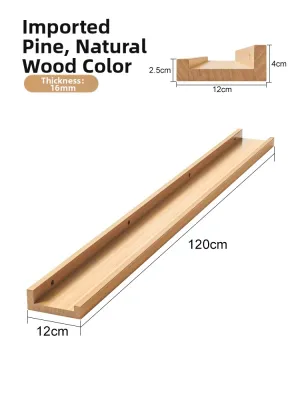
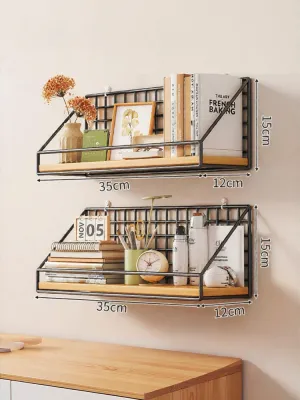


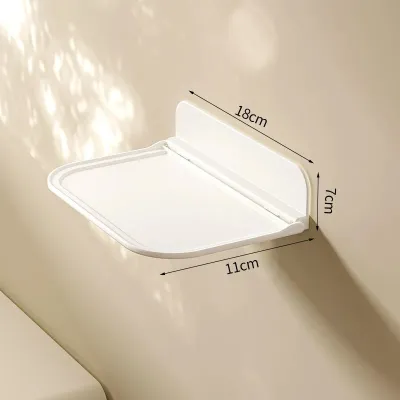
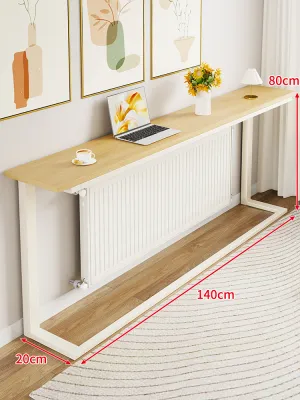
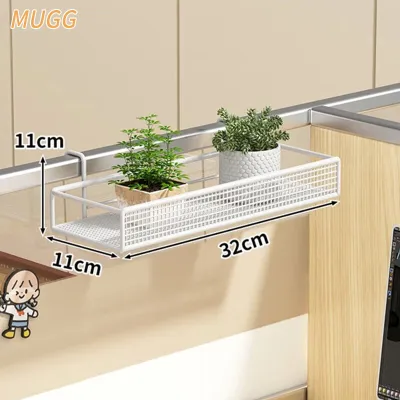
Prices are valid at publication and may change. Please refer to the product page for the latest price.
Walkway clearance and door swing paths are critical factors that dictate the maximum allowable depth of your hanging shelf. If you are installing a shelf in a high-traffic area, such as a narrow hallway, foyer, or near a doorway, the shelf depth must not obstruct movement. Measure the swing radius of nearby doors to ensure they can open fully without striking the shelf. For main corridors, aim for a shelf depth that leaves at least 90 to 100 centimeters of unobstructed walking space to prevent residents from bumping into the corners.
Finally, consider the visual weight and proportion of the shelf in relation to the size of the room. A massive, deep shelf in a compact study or bedroom can make the space feel cramped and top-heavy. Conversely, a tiny shelf on a large, expansive wall will look lost and insignificant. To maintain visual balance, choose a shelf length that spans approximately one-third to two-thirds of the wall’s width, or align the shelf with existing furniture below it, such as a sideboard, desk, or sofa, to anchor the design.
Matching Shelf Dimensions to Your Storage Items
The dimensions of your hanging shelf must directly correspond to the items you plan to store or display. If your primary goal is to display small decorative objects, photo frames, or small potted plants, a shallow shelf depth of 15 to 20 centimeters is usually sufficient. For standard novels and paperbacks, a depth of 20 to 25 centimeters works well. If you intend to store larger items, such as heavy binders, photo albums, or storage boxes, you will need a deeper shelf of 30 centimeters or more. Always measure the deepest item you plan to place on the shelf to ensure it will not overhang the front edge, which creates an unstable and visually unappealing setup.

Evaluating the total weight of your stored items is essential for determining the necessary load capacity and material thickness of your hanging shelf. Books, ceramics, and potted plants are surprisingly heavy; a single shelf filled with hardcover books can easily weigh 15 to 25 kilograms. When choosing a shelf, do not assume that a material name like “solid oak” or “tempered glass” automatically guarantees high load capacity or durability. Instead, you must verify the manufacturer’s specific load limits, inspect the joint construction, and check the recommended care instructions for the specific use environment, especially in humid climates where some materials may warp or degrade over time.
Planning the shelf width is also crucial to prevent structural sagging and optimize item arrangement. Long, unsupported shelf spans are prone to bowing in the middle under heavy loads. For lightweight decorative items, a wider shelf up to 120 centimeters may be acceptable with standard brackets. However, if you are storing heavy items like books, keep the distance between brackets or supports to 80 centimeters or less. If your space requires a longer shelf, ensure you plan for intermediate brackets to distribute the weight evenly and prevent the material from bending over time.
Always check the manufacturer’s packaging or product manual for explicit installation instructions, maximum load capacities, and the required types of wall anchors. If the manufacturer’s instructions conflict with your planned usage, or if the shelf’s load rating is insufficient for your items, you should select a more robust model or seek professional advice. Never attempt to bypass these limits by using DIY modifications, as this can compromise the stability of the shelf and void any product warranties.
Planning Installation Heights and Structural Clearances
Determining the correct mounting height is key to ensuring your hanging shelf is both functional and comfortable to use. For general display shelves or decorative setups, the ideal height is usually at eye level, which is approximately 140 to 150 centimeters from the floor to the center of the shelf. If the shelf is intended for daily-use items, such as keys in an entryway or spices in a kitchen, mount it at a lower, easily reachable height of 110 to 130 centimeters. For shelves placed above furniture, leave a clearance of at least 25 to 30 centimeters between the top of the furniture and the bottom of the shelf to avoid a cramped appearance.
When installing multiple hanging shelves in a vertical stack, you must carefully calculate the spacing between them. To do this, measure the height of your tallest storage items and add at least 5 centimeters of clearance to allow you to lift items in and out easily. For a dynamic and visually interesting look, you can vary the vertical spacing, placing larger, heavier items on a wider-spaced bottom shelf and smaller decorative items on closely spaced top shelves. Ensure you sketch the layout on the wall with a pencil and level tool before drilling any holes.
The structural integrity of your installation depends heavily on aligning your brackets with the appropriate support systems inside your walls. In Singapore, most residential walls are either solid concrete, structural brick, or gypsum board partition walls. For partition walls, you must locate the internal timber or metal studs using a stud finder and secure the shelf brackets directly into these studs. If you must mount a shelf between studs on a partition wall, or if you are mounting onto a solid masonry wall, you must use high-quality, heavy-duty wall anchors specifically rated for your wall type.
In addition to wall alignment, you must maintain safe clearances from other household fixtures to prevent accidents. Ensure the hanging shelf is positioned far away from the path of ceiling fans, pendant lights, and wall-mounted sconces. A shelf placed too close to a ceiling fan can create a dangerous hazard if items are knocked off or if the fan blades strike the shelf during operation. Always verify that tall furniture pieces, such as wardrobes or high-backed chairs, have enough clearance to move or open without colliding with your newly installed shelf.
Common Sizing and Placement Mistakes to Avoid
One of the most frequent mistakes when choosing a hanging shelf is selecting a model that is too deep for the room’s layout. In narrow corridors, entryways, or tight bedrooms, an excessively deep shelf protrudes into the natural walking path, creating a persistent bumping hazard. This not only increases the risk of injury to residents but also makes it highly likely that items will be accidentally knocked off the shelf. If space is tight, prioritize vertical storage with shallower shelves rather than wide, deep platforms.
Another critical error is ignoring the structural limitations of the wall type when planning for heavy storage. Attempting to mount a heavy bookshelf onto a hollow drywall partition using standard plastic wall plugs can lead to catastrophic failure, causing the shelf to pull out of the wall and damage your property. Always identify your wall material beforehand and match it with the correct heavy-duty anchors. If you are renting or unsure of the wall’s load-bearing capacity, keep your storage items lightweight and limit the overall shelf size.
Many homeowners also fail to account for the physical thickness and design of the shelf brackets when measuring vertical clearance. Some decorative brackets extend significantly below or above the shelf board, which can block access to wall outlets, overlap with window frames, or reduce the usable space between stacked shelves. Always review the complete product dimensions, including the brackets, rather than just the shelf board itself, to ensure the entire assembly fits within your designated wall space.
Finally, underestimating the weight of dense items like ceramics, heavy books, or potted plants can easily lead to overloading. A shelf that appears sturdy during installation can slowly sag, warp, or pull away from the wall over several weeks if its rated capacity is exceeded. To prevent this, always calculate the cumulative weight of your intended items before purchasing, choose a shelf with a conservative safety margin, and distribute the weight evenly across the entire length of the shelf rather than clustering heavy objects in the center.
Frequently Asked Questions (FAQ)
How do I know if my wall can support a heavy hanging shelf?
To determine if your wall can support a heavy hanging shelf, you must first identify the wall material. Tap on the wall: a hollow, paper-like sound indicates a gypsum board partition wall, while a solid, dull thud indicates concrete or masonry. For partition walls, use a stud finder to locate the internal wooden or metal studs, as heavy shelves must be anchored directly into these structural elements. For solid concrete walls, which are standard in many Singapore HDB flats, you will need a rotary hammer drill and masonry wall plugs. Always check your building’s architectural layout plans if you are uncertain, and consult a professional contractor or handyperson before drilling if you cannot verify the wall type or structural integrity yourself.
What is the standard depth for a hanging bookshelf?
The standard depth for a hanging bookshelf typically ranges between 20 and 30 centimeters. A depth of 20 to 22 centimeters is ideal for standard novels, paperbacks, and small paper documents, as it keeps the books aligned without wasting wall space. For larger hardcover books, textbooks, or art albums, you will require a deeper shelf of 25 to 30 centimeters. Before purchasing, measure your tallest and deepest books from spine to edge to ensure they will fit comfortably. Keep in mind that deeper shelves create a longer lever arm, which increases the physical stress on the wall brackets and anchors; therefore, deeper bookshelves require significantly stronger brackets and more secure wall mounting than shallow decorative shelves.
Community discussion
Share your experience or ask a question. Comments are reviewed before publication.