
To find a balcony table set that actually fits a small HDB or condominium balcony in Singapore, you must look beyond the total square footage of your outdoor area. The true fit depends entirely on your usable floor space—the clear, unobstructed zone left after accounting for structural features, access paths, and utility areas. A common mistake is purchasing a set based on the raw balcony dimensions, only to find that the chairs block the doorway or crowd the walkway.
Maintaining clear walkways is not just a matter of comfort; it is a critical safety requirement for daily movement and emergency egress. In compact homes, the balcony often serves multiple purposes, from hanging laundry to housing utility meters. A well-planned layout ensures you can step outside without squeezing past furniture or risking trips and falls.
Before committing to any outdoor furniture purchase, it is also essential to review your building management guidelines or HDB town council by-laws. Many estates have strict regulations regarding balcony obstructions, aesthetic uniformity, and safety hazards. Ensuring your chosen table set complies with these local rules will save you from potential fines or the hassle of returning non-compliant items.
Products mentioned in this guide
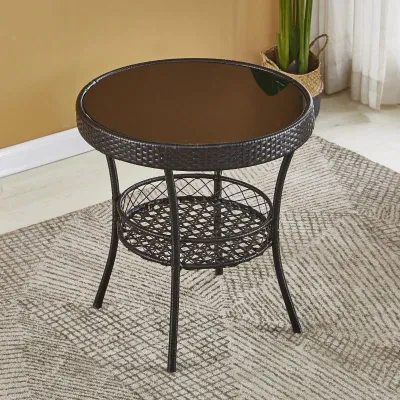

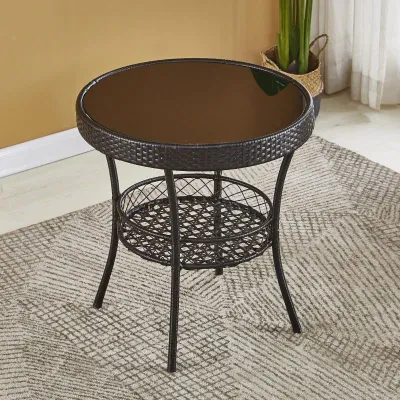
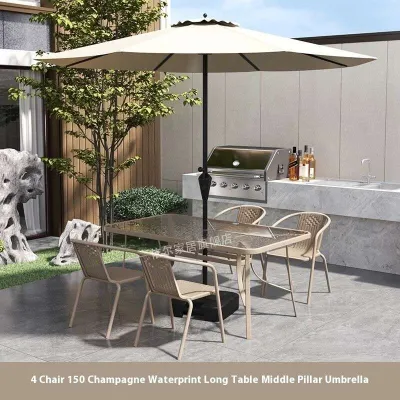
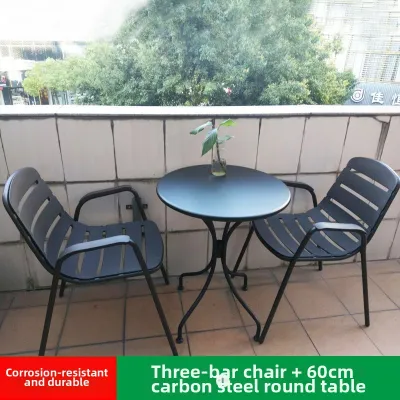
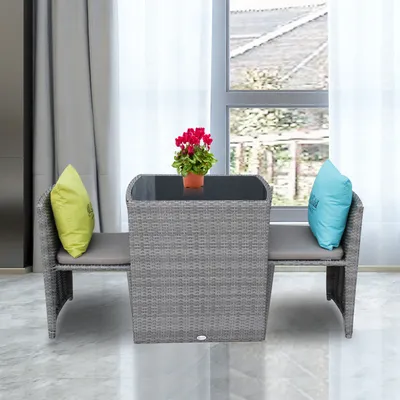

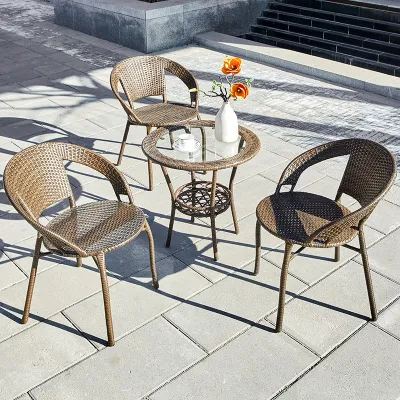
Prices are valid at publication and may change. Please refer to the product page for the latest price.
How to Measure Your Balcony for a Table Set
Accurate physical measurements form the foundation of a successful balcony setup. To begin, use a reliable metal measuring tape to record the maximum length and width of your balcony floor. Do not rely on the floor plan dimensions provided by developers, as these often include wall thicknesses or non-usable ledge spaces that cannot accommodate furniture legs.
Next, identify and measure all fixed obstacles that project into your balcony space. Common features in local apartments include air-conditioning compressor ledges, drainage pipes, structural pillars, and wall-mounted utility boxes. Mark these on a simple sketch of your floor plan, noting how far they extend from the walls, as furniture cannot sit flush against these areas.
You must also account for the swing path of all balcony doors and windows. Open your doors fully to determine if they swing inward or outward, and measure the clearance zone required to prevent them from striking your table or chairs. If your balcony features sliding glass doors, measure the width of the active opening to ensure your furniture does not block the primary entry and exit point.
Space-Saving Configurations for Compact Balconies
Selecting the right configuration depends heavily on the shape of your balcony and how you intend to use the space daily. For narrow, elongated balconies, linear arrangements work best, keeping the furniture aligned against one wall to preserve a continuous walkway. For square balconies, a centralized or corner-focused layout can create a more balanced, intimate dining area.

Adaptable tables offer excellent flexibility for small spaces, allowing you to adjust the setup based on your immediate needs. Look for designs with drop-leaf extensions, extendable panels, or nesting capabilities that can be tucked away when not in use. These features allow you to transition easily from a quiet morning coffee spot to a slightly larger dining surface when hosting a guest.
Alternative mounting options can free up valuable floor space, but they require careful verification of structural limits and installation rules. Hanging or wall-mounted designs shift the weight and footprint off the floor, but you must ensure your balcony walls or railings can safely support the load. Always check the manufacturer’s installation instructions and your building’s structural guidelines before mounting any heavy fixtures.
Bistro and 2-Seater Sets
Standard bistro and two-seater sets are highly popular for compact balconies due to their modest footprints. A typical set consisting of a small round or square table and two chairs generally requires a dedicated clearance zone to allow for comfortable seating. Round tables are often easier to navigate around in tight corners, while square tables can be pushed flush against a wall to save space.
To maximize flexibility, prioritize sets that feature stackable or foldable chairs. This design choice allows you to reclaim valuable floor space instantly when you need to dry laundry, clean the balcony, or accommodate more standing room. Ensure the folding mechanisms are smooth and secure, and check that the folded chairs can be stored easily in an indoor closet or a sheltered corner of the balcony.
Folding and Wall-Mounted Alternatives
For extremely tight balconies where a traditional floor-standing set is impractical, wall-mounted drop-leaf tables offer an excellent zero-footprint alternative. Before choosing this option, perform a thorough wall material check to ensure the surface can support anchors and screws. Concrete or solid brick walls are generally suitable, whereas lightweight partition panels or decorative cladding may require specialized reinforcement.
Railing-hung tables are another innovative option, but they demand strict safety and compliance checks to prevent falling hazards. Ensure the mounting brackets are fully compatible with the thickness and profile of your specific balcony railing. Regularly inspect the fastening hardware for signs of loosening, rust, or wear, especially when exposed to strong winds and heavy tropical downpours.
Essential Clearances and Walkway Constraints
To maintain a safe and comfortable outdoor environment, you must plan for adequate clearance around your furniture. A minimum walkway width should be preserved at all times to allow a person to walk naturally without turning sideways. This clear path is vital for carrying items in and out of the apartment and ensures a safe escape route during emergencies.
You must also calculate the clearance needed to pull out chairs and sit down comfortably. When a person is seated, their chair slides backward, requiring additional space behind it. Ensure that this movement does not push the chair legs dangerously close to the balcony railing edge or block access to essential utilities like drainage grates.
Finally, consider how your furniture layout interacts with other balcony functions. If you use ceiling-mounted laundry drying racks, ensure your table and chairs do not obstruct the lowering mechanism or get in the way of hanging clothes. Similarly, leave enough room to access and maintain any hanging plants, wall gardens, or outdoor storage cabinets without having to rearrange your entire seating setup.
Weather and Maintenance Checks for Local Balconies
Singapore’s tropical climate, characterized by intense sunlight, high humidity, and sudden heavy downpours, demands durable outdoor furniture. Rather than relying solely on generic material names like wood or metal, carefully read the manufacturer’s labels and product specifications. Look for explicit indications of outdoor or semi-outdoor suitability, which confirm the item has been treated to withstand environmental exposure.
When reviewing product specifications, check for features such as UV resistance to prevent fading and material degradation under direct sunlight. For metal components, verify that they feature rust-proofing treatments, powder coatings, or corrosion-resistant hardware. Additionally, look for designs that incorporate built-in water drainage, such as slatted table tops and mesh chair seats, to prevent water from pooling after a storm.
Even the most durable outdoor furniture requires routine maintenance to prolong its lifespan in a humid environment. Plan to wipe down your table set regularly to remove dust, pollen, and moisture that can encourage mold growth. Investing in high-quality, fitted protective covers is highly recommended for periods of heavy rain or when the balcony is left unused for extended periods.
Frequently Asked Questions (FAQ)
Can I place a balcony table set against the HDB or condo railing?
Placing furniture directly against a balcony railing carries significant safety and functional risks. It can block essential ventilation paths and, more importantly, create a dangerous climbing hazard for young children or pets. Always consult your specific estate by-laws or condo management corporation rules, as many properties strictly prohibit placing any climbable objects near the perimeter railings.
Do I need permission to install a wall-mounted balcony table?
Yes, drilling into balcony walls often requires prior approval from your building management or town council. Balcony walls are frequently classified as structural elements or form part of the building’s external facade, which is subject to strict aesthetic and structural regulations. Before purchasing or installing a wall-mounted table, submit a formal inquiry to your property’s management office to ensure compliance and avoid structural damage.
Community discussion
Share your experience or ask a question. Comments are reviewed before publication.