
To choose the right floating shelf, you must match its physical dimensions to your available wall space while ensuring the bracket system and wall structure can support the weight of your items. Generally, shelves range from 15 cm to 30 cm in depth, with weight capacities spanning from 5 kg to over 30 kg. Selecting the ideal setup requires analyzing your wall type—such as solid concrete walls common in Singapore apartments versus hollow drywall partitions—and calculating the exact load requirements of your decor.
By taking precise measurements and understanding the physics of shelf leverage, you can avoid sagging, wall damage, and installation failures. This guide breaks down the essential steps to determine the correct size, depth, and weight capacity for your space.
Assess Your Wall Space and Clearance
Before purchasing any shelving unit, you must map out the physical boundaries of your wall. Measuring the available width is the first step in ensuring the shelf fits harmoniously within your room. Use a metal measuring tape to determine the exact wall span, taking care to note the location of adjacent furniture, door frames, light switches, and electrical outlets. If you are planning to install a exceptionally long shelf—such as a single plank exceeding 1.8 meters—verify your home’s delivery access. Ensure the packaging can fit through your doorway, corridors, and the building lift before finalizing your purchase.
Products mentioned in this guide
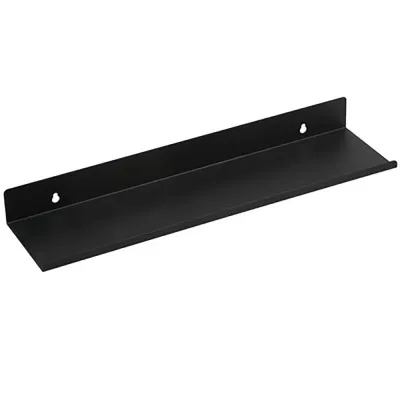
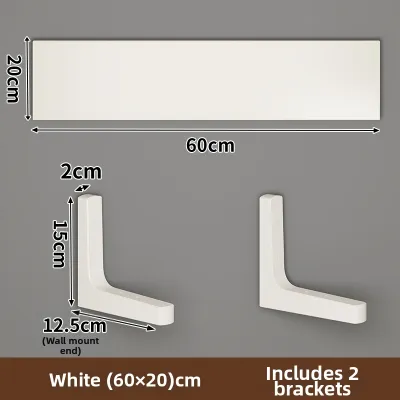
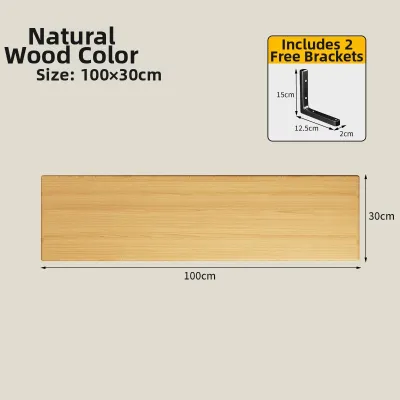
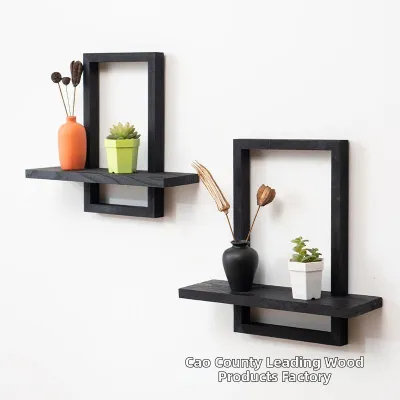
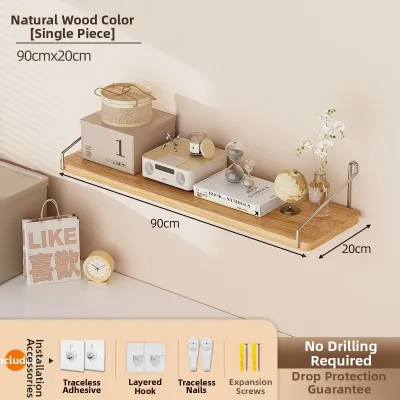
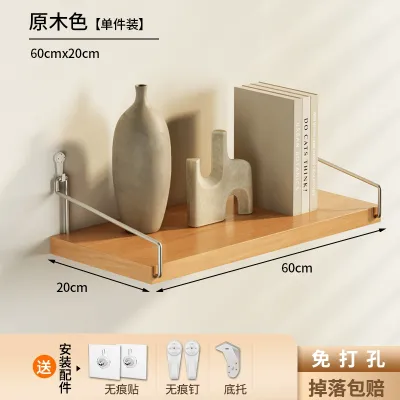
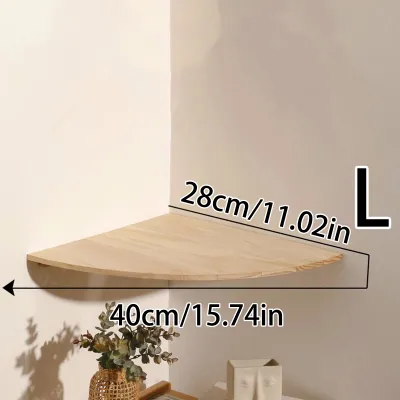
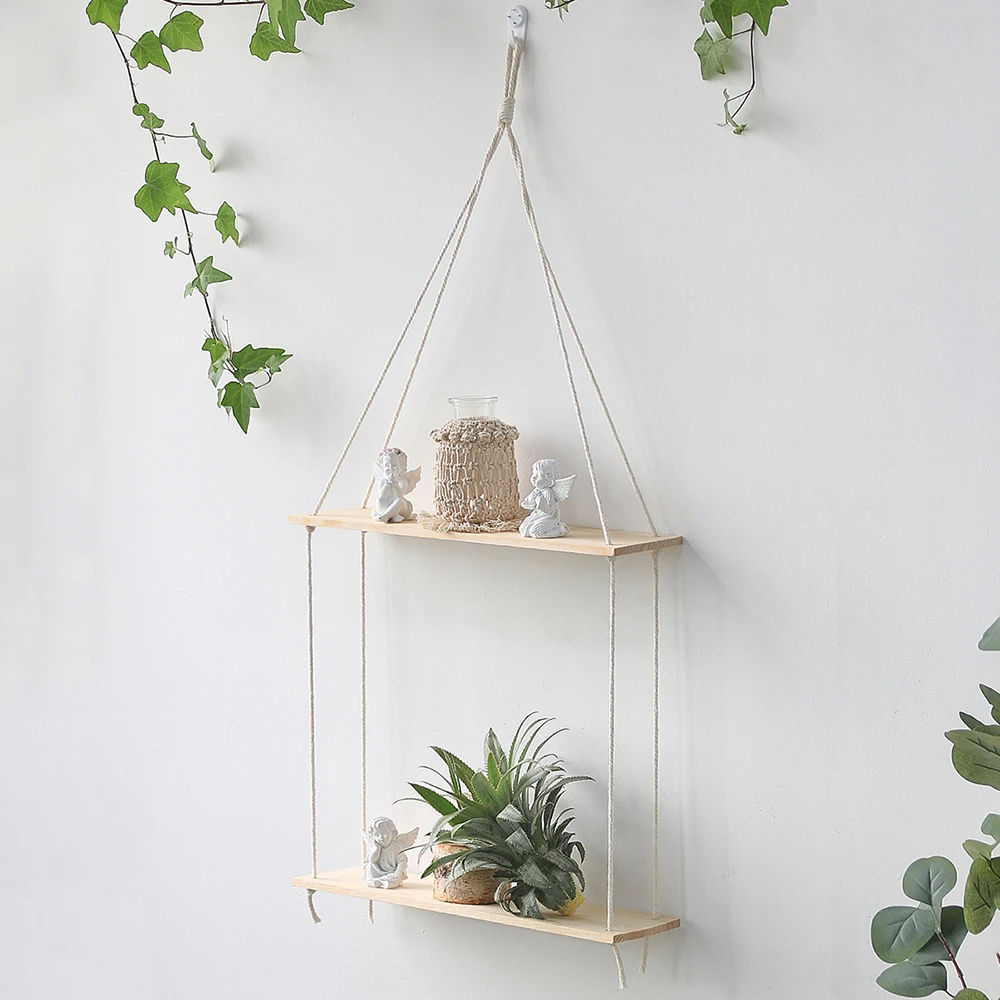
Prices are valid at publication and may change. Please refer to the product page for the latest price.
Determining the appropriate shelf depth is highly dependent on the room’s function and traffic flow. In high-traffic zones like narrow hallways, entryways, or directly above a bed, stick to shallower depths of 15 cm to 20 cm. This prevents accidental head-bumping and keeps the walkway clear. For study desks, kitchens, or living room display areas where you plan to store larger books or dinnerware, deeper shelves of 25 cm to 30 cm are necessary to keep items fully supported.
Clearance around the shelf is equally critical to prevent operational interference. Inspect the surrounding wall area for ceiling fans, air conditioning units, curtain tracks, and the swing radius of nearby windows or doors. A shelf placed too close to an air conditioning unit can disrupt airflow or block access for routine servicing, while a door swinging into a shelf can cause catastrophic damage to both the wall and your displayed items.
To achieve a balanced look, follow standard visual proportions relative to the furniture below the shelf. If you are mounting a floating shelf above a console table, sideboard, or sofa, the shelf should generally be slightly narrower than the furniture—ideally around 70% to 80% of its total width. Alternatively, aligning multiple shelves to match the exact width of the furniture below can create a clean, symmetrical look. Avoid choosing a shelf that is wider than the furniture beneath it, as this creates a top-heavy, unbalanced aesthetic.
Determine the Weight Capacity You Need
To ensure your shelf remains level and secure over time, you must calculate the total load it will carry. Start by categorizing the items you plan to display into distinct weight classes. Light items include small decor pieces, empty ceramic vases, framed photographs, and small plastic or fabric ornaments, which typically weigh under 2 kg. Medium items encompass small potted indoor plants, small kitchen appliances, a handful of paperback books, and moderate-sized ceramic dishware, ranging from 2 kg to 10 kg. Heavy items include extensive book collections, heavy electronics, soundbars, large stoneware, and filled kitchen canisters, which easily exceed 10 kg.

Once you have a clear idea of what will go on the shelf, calculate the total load by weighing the items on a digital scale or estimating their cumulative mass. Do not guess the weight of heavy items like books or potted plants, as soil, water, and dense paper stock are often much heavier than they appear.
After calculating the base weight of your items, apply a safety margin of 20% to 30% to the total. This buffer accounts for dynamic loads, such as the force applied when placing an item down quickly, or the gradual material fatigue that occurs over years of continuous use. For example, if your planned display items weigh a total of 10 kg, you should search for a shelf and bracket system rated for at least 12 kg to 13 kg.
When reading product descriptions, it is vital to distinguish between gross and net weight capacity. Manufacturer weight limits typically represent the gross capacity, which is the maximum load the bracket system can support in total. To find the true usable (net) capacity, you must subtract the dry weight of the shelf board itself from the manufacturer’s stated limit. A heavy solid wood shelf board will consume a significant portion of the bracket’s capacity, leaving less allowance for your actual items than a lightweight hollow-core MDF alternative.
Match Floating Shelf Dimensions to Load and Wall Type
The physical dimensions of a shelf directly influence how weight is distributed across its mounting brackets. This relationship is governed by the leverage effect, or torque. A deeper shelf extends further from the wall, shifting the center of gravity of the stored items outward. This outward shift creates a powerful pulling force that attempts to pry the bracket away from the wall. Consequently, a bracket system that can safely support 20 kg on a shallow 15 cm shelf may only be rated to support 10 kg on a 30 cm deep shelf. Always prioritize shallower depths if you intend to store heavier items on a minimalist mounting system.
Your choice of bracket type must align with both your aesthetic preferences and your load requirements. Hidden rod brackets, which slide directly into pre-drilled holes in the back of the shelf board, offer a clean, floating appearance but are best suited for light to medium loads. For heavy-duty storage, deep shelves, or long spans, visible L-brackets, gusseted metal brackets, or heavy-duty steel frames are necessary. These visible supports distribute the downward force more effectively and prevent the shelf from sagging forward.
+-----------------------------------------------------------------------------+
|                          SHELF BRACKET COMPARISON                           |
+-----------------------+-----------------------+-----------------------------+
| Bracket Type          | Aesthetic Style       | Ideal Load Capacity         |
+-----------------------+-----------------------+-----------------------------+
| Hidden Rods           | Minimalist, Seamless  | Light to Medium (5-15 kg)   |
| Visible L-Brackets    | Industrial, Classic   | Heavy Duty (15-30+ kg)      |
| Heavy-Duty Steel Frame| Modern, Structural    | Extreme Load (30+ kg)       |
+-----------------------+-----------------------+-----------------------------+
The material of your wall is the single most important factor determining the ultimate load capacity of your installation. Solid walls made of concrete or brick, which are standard in HDB flats and condominium structural walls in Singapore, offer exceptional pull-out resistance. When paired with high-quality masonry plugs and concrete screws, these walls can easily support heavy-duty shelves and high weight capacities.
Conversely, partition walls made of drywall or gypsum board, common in newer interior room dividers, have very low structural strength. Standard plastic wall plugs will easily tear through drywall under a load. To mount a shelf on a partition wall, you must locate the internal wooden or metal studs using a stud finder and screw the brackets directly into them. If the brackets cannot be aligned with the studs, you must use specialized heavy-duty metal toggle bolts, and you should significantly reduce your expected weight capacity.
Regardless of general guidelines, always check the manufacturer’s product specifications before purchasing. Verify the exact load rating provided for the specific length, depth, and bracket combination you are buying. If you plan to use a custom timber plank, consult a structural hardware specialist to select brackets rated for your specific wall material and intended load.
Common Sizing and Installation Mistakes to Avoid
One of the most frequent errors is ignoring the shelf board’s own weight during planning. Solid timber boards, such as teak, oak, or heavy suar wood, are naturally dense and heavy. If you pair a 6 kg solid wood plank with a bracket system rated for 10 kg, you are left with a net capacity of only 4 kg for your books or decor. Always check the weight of the shelf board itself and ensure your brackets are rated to carry both the board and the intended items.
Overestimating drywall capacity is another mistake that often leads to structural failure. Attempting to mount a deep, heavy floating shelf onto a hollow partition wall using standard plastic anchors will eventually cause the drywall to sag, crack, or tear completely. If your wall is hollow drywall and you cannot anchor directly into internal studs, scale back your plans. Opt for a shallower shelf, reduce the weight of your display items, or use a freestanding shelving unit instead.
Selecting an excessive shelf depth for a tight space creates both physical hazards and visual clutter. A 30 cm deep shelf installed in a narrow corridor or directly above a sofa limits comfortable movement, making the room feel cramped and claustrophobic. Keep your shelves scaled to the room’s proportions, reserving deep shelves for spacious areas where they will not interfere with daily activities.
Finally, skipping essential utility checks before drilling can result in costly damage. Always use a high-quality multi-detector or stud finder equipped with live wire and pipe detection before making any holes in your wall. This is especially critical on walls shared with kitchens or bathrooms, where water pipes and electrical conduits are concealed behind the plaster or concrete. If you are unsure of what lies behind the wall, or if the installation instructions conflict with your wall type, stop and consult a qualified professional installer.
Frequently Asked Questions (FAQ)
How much weight can a standard floating shelf hold?
The weight capacity of a standard floating shelf varies widely depending on the bracket design, shelf depth, and the wall material it is mounted on. A standard shelf utilizing hidden rod brackets mounted on a solid concrete wall can typically support between 10 kg and 15 kg. If the same shelf is mounted on a drywall partition using toggle bolts, its safe capacity may drop to 5 kg or less. For heavy-duty applications exceeding 20 kg, you will generally need visible steel L-brackets anchored into solid concrete or directly into wooden wall studs.
Can I install a heavy-duty floating shelf on a drywall partition?
You should not install a heavy-duty floating shelf directly onto drywall without structural support, as gypsum board alone cannot bear significant tension. Safe installation is only possible if you anchor the mounting brackets directly into the internal wooden or metal studs behind the drywall. If the spacing of your wall studs does not align with the pre-drilled holes on your shelf bracket, you must either use specialized heavy-duty toggle bolts with a significantly reduced weight load or choose a different wall. For safety-critical or high-weight storage on partition walls, freestanding shelving is highly recommended.
What is the recommended depth for a floating shelf above a bed or sofa?
For shelves mounted directly above seating or sleeping areas, keep the depth shallow—ideally between 15 cm and 20 cm. This narrow profile ensures the shelf does not encroach on your headspace when you sit up or move around. Additionally, ensure the bottom of the shelf is installed at least 60 cm to 90 cm above the top of the mattress or sofa cushions. To prevent items from sliding off due to accidental bumps or vibrations, select a shelf design that features a raised front lip or a shallow display ledge.
Community discussion
Share your experience or ask a question. Comments are reviewed before publication.