
Finding the correct replacement roller wheel for your office chair, cabinet, or dining cart prevents floor damage and restores smooth mobility. To secure the right fit, you must identify the mounting mechanism, measure the wheel and stem dimensions, calculate the weight distribution, and choose a material suited to your home’s flooring. Taking these steps ensures your furniture remains stable and easy to maneuver.
In Singapore’s humid climate, metal components on furniture can degrade or rust over time, making regular inspection of your roller wheels essential. Whether you are updating a study chair in a high-rise apartment or adding mobility to a kitchen trolley, matching the exact specifications of your existing casters is the key to a successful DIY repair.
Identify Your Current Roller Wheel and Mount Type
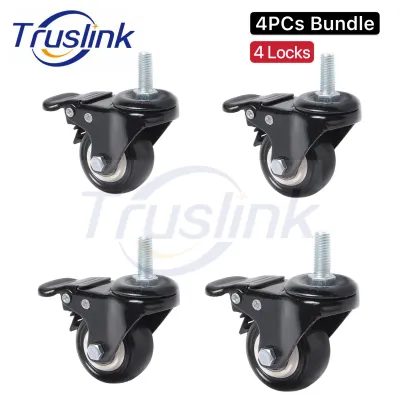
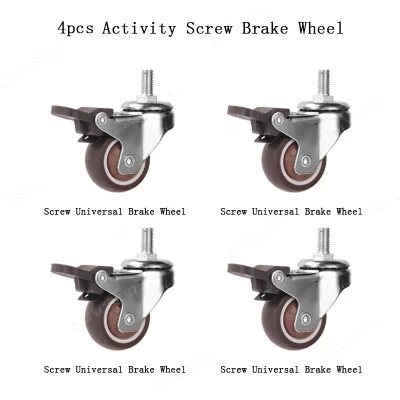
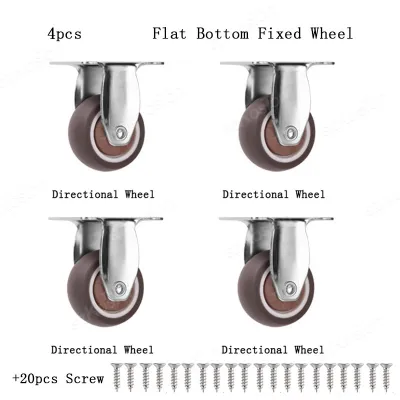
Before purchasing any replacement roller wheel, you must determine how the existing caster attaches to the furniture frame. Turn the furniture piece over safely to inspect the underside of the legs or base. You will typically find either a stem mount, which inserts directly into a socket, or a flat plate mount that secures to the furniture with screws.
Products mentioned in this guide
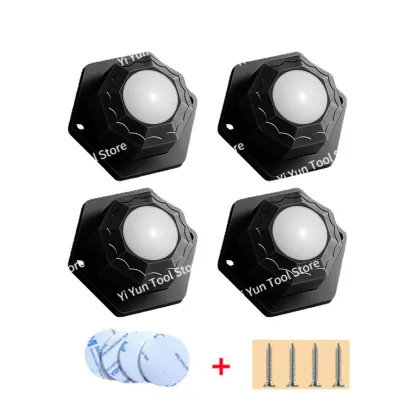
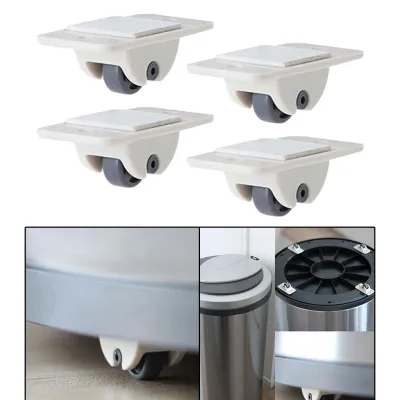
![[SG Seller]Truslink 5PCs 3 Inch Office Chair Caster Wheels Roller Rollerblade Style Castor Wheel Replacement PU Wheel](https://img.lazcdn.com/g/p/4157aea7284404087fad9be9f0d36a0d.png_400x400q80.png_.webp)
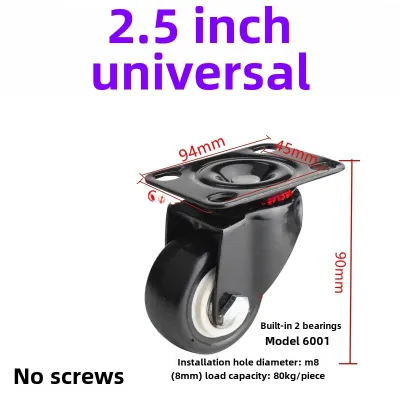
Prices are valid at publication and may change. Please refer to the product page for the latest price.
Stem mounts are categorized into three main types: grip ring stems, threaded stems, and plain stems. Grip ring stems feature a small metal split ring near the top that compresses inside the socket to hold the wheel in place. Threaded stems screw directly into a threaded insert, while plain stems rely on a friction fit or a separate fastening pin.
To ensure physical compatibility, measure the stem diameter and length precisely using a digital caliper or a fine-ruled measuring tape. Even a tiny variance of one millimeter can prevent a new stem from fitting securely or cause it to wobble inside the socket. If the original specifications are not visible on the wheel housing, check the furniture manufacturer’s manual or product label for the exact mounting dimensions.
Determine the Correct Wheel Diameter and Load Capacity
Selecting the correct wheel diameter is crucial for maintaining the original height and balance of your furniture. Measure the existing wheel from the outer edge of the tread directly across the center to the opposite edge. Using a wheel that is too small can lower the furniture, potentially causing the base to scrape against the floor, while a wheel that is too large can alter the center of gravity.

Load capacity is another vital specification that directly impacts safety and durability. To calculate the required load rating for your replacement wheels, combine the empty weight of the furniture piece with the maximum weight of its intended contents. Divide this total weight by the number of wheels on the furniture to find the minimum capacity required per caster.
When browsing replacement options, verify the load ratings printed on the product packaging or manufacturer specifications. It is wise to apply a safety margin to this calculation, as weight is rarely distributed perfectly evenly when furniture is in motion. Choosing wheels with a slightly higher load rating than your minimum calculation helps prevent premature wear and sudden structural failure.
Select the Right Wheel Material for Your Floor Type
The material of your roller wheel determines how smoothly it glides and how well it protects your flooring from permanent damage. As a general rule, soft wheel materials are ideal for hard floor surfaces, while hard wheel materials perform best on soft, carpeted areas. Always review your specific flooring manufacturer’s guidelines to avoid voiding any active warranties.
For hard surfaces common in Singapore homes—such as parquet, laminate, luxury vinyl tiles, or polished homogeneous tiles—soft wheels made of polyurethane or rubber are highly recommended. These materials cushion the contact point, absorb minor vibrations, and roll quietly without leaving unsightly scuff marks. Conversely, hard nylon or solid plastic wheels are better suited for carpets, as they cut through the fibers to roll easily without snagging.
Over time, roller wheels can accumulate household dust, hair, and grit, which can embed into the tread and act like sandpaper on your floors. Regularly inspect the wheel surfaces for flat spots, cracks, or rough edges that could scratch delicate finishes. If you notice any debris buildup or physical wear, cleaning or replacing the wheels promptly will safeguard your floors.
Step-by-Step Replacement and Safety Checks
Replacing a roller wheel requires patience and the correct tools to avoid damaging the furniture’s structural base. For grip ring stems, use a flathead screwdriver or a specialized pry bar to gently lift the stem collar away from the socket. Work slowly around the perimeter of the stem to lift it straight out without bending the metal or cracking the surrounding wood or plastic.
Once the old wheel is removed, inspect the socket for any signs of wear, debris, or structural cracking. Test the fit of the new roller wheel manually by aligning the stem with the socket and pushing it in firmly. The stem should seat fully and securely, often producing a distinct clicking sound when the grip ring locks into place.
If you encounter resistance, do not force the stem into the socket, as this can split the furniture leg or strip the internal threads. If the socket is visibly damaged, enlarged, or if the new stem fails to lock securely, stop the installation immediately. In such cases, consulting a professional furniture repair service is the safest way to restore the piece without causing irreparable damage.
Frequently Asked Questions (FAQ)
Can I use a larger wheel diameter to make my furniture roll easier?
While larger wheels generally roll over floor transitions, rugs, and thresholds with less resistance, they also introduce specific trade-offs. Increasing the wheel diameter raises the overall height of the furniture, which can shift its center of gravity and make it more prone to tipping. Additionally, you must ensure that the larger wheel housing or fork has enough clearance to swivel freely without rubbing against the underside of the furniture.
How do I remove a stuck grip ring stem from the furniture socket?
To extract a stubborn grip ring stem, insert the tip of a flathead screwdriver or a claw hammer under the metal collar of the caster. Apply gentle, upward leverage while rotating the wheel slightly to help release the tension on the internal ring. Avoid using excessive force or prying at sharp angles, and never apply heat to the area, as this can melt plastic sockets or splinter wooden furniture legs. If the stem remains stuck due to corrosion, seek professional assistance to prevent breaking the furniture base.
Community discussion
Share your experience or ask a question. Comments are reviewed before publication.