
Finding the correct replacement wheel for your furniture requires matching three critical factors: the mounting style, the precise dimensions of the connection, and the weight capacity of the wheel. A mismatched wheel can lead to unstable furniture, damaged floors, or a complete installation failure. By taking a few careful measurements of your existing hardware, you can confidently select a replacement that restores smooth mobility to your chairs, tables, or cabinets.
How to Measure Your Existing Furniture Wheels
To find the correct wheel size, start by measuring the wheel itself. Use a ruler or tape measure to find the diameter of the wheel, measuring only the circular wheel portion from edge to edge, excluding the mounting bracket or stem. Next, measure the width of the wheel tread, as a wider wheel distributes weight differently than a narrow one.
Measuring the mounting stem requires high precision, as even a fraction of a millimeter can prevent a new wheel from fitting. A digital caliper is the most reliable tool for this task, though a standard ruler with clear millimeter markings can work if used carefully.
Products mentioned in this guide
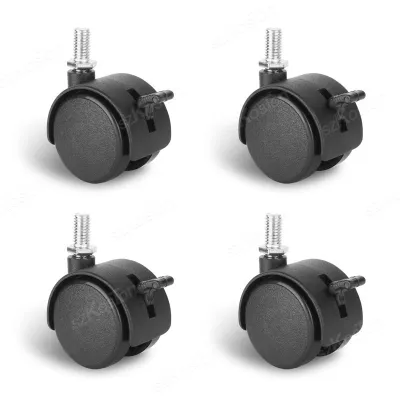
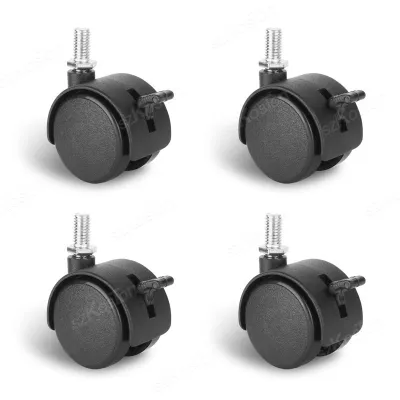
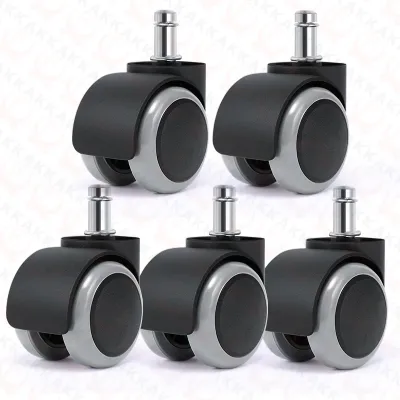
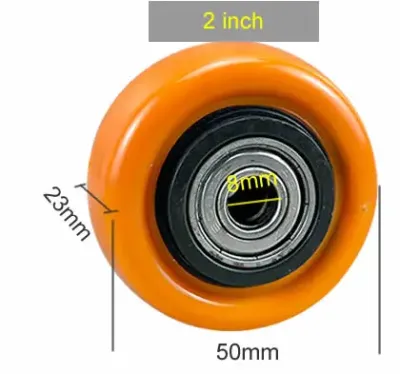
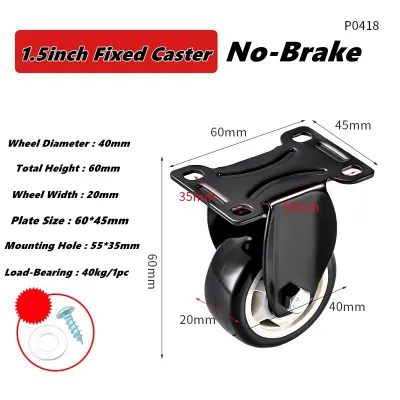
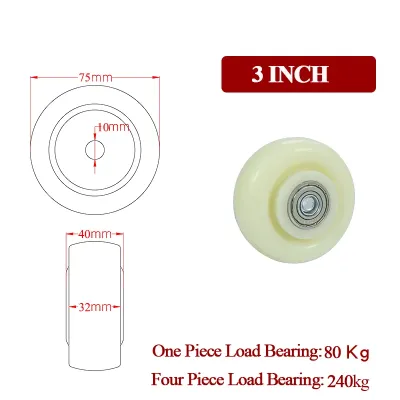
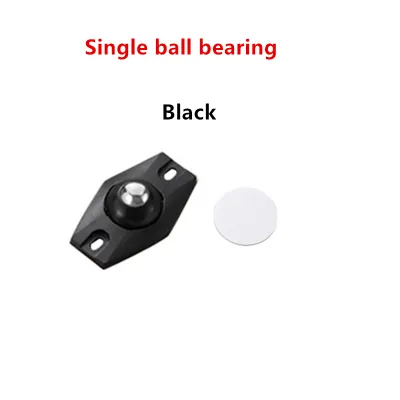

Prices are valid at publication and may change. Please refer to the product page for the latest price.
For stem-mounted wheels, measure the diameter of the metal stem at its widest point, excluding any expanding rings or threads. Then, measure the length of the stem from the base where it meets the caster body to the very tip. If your furniture uses a plate mount instead of a stem, measure the overall width and length of the flat mounting plate, as well as the distance between the centers of the screw holes.
Understanding Stem Types and Mounting Options
Replacement wheels generally attach to furniture using one of three common mounting styles. Identifying which system your furniture uses is the first step toward finding a compatible replacement.

Grip ring stems feature a small, split metal ring wrapped around the top of the stem. When you push the stem into the furniture socket, this ring compresses and then expands inside the channel to hold the wheel securely in place. If your old wheel pulls straight out with a firm tug, it is likely a grip ring stem.
Threaded stems function like screws and must be threaded directly into a matching metal socket. For these, you must match both the thread diameter and the thread pitch (the spacing between the threads). Trying to force a metric threaded stem into an imperial socket will strip the threads and ruin the connection.
Plate mounts use a flat metal bracket that screws directly into the flat underside of a furniture leg or base. When replacing these, matching the screw hole spacing is essential so you do not have to drill new holes, which could weaken the wood or structural material.
Before purchasing any replacement, inspect the existing socket or mounting hole on your furniture. Look for cracks in wooden legs, stripped threads in metal sockets, or widened plastic sleeves. If the mounting area is structurally compromised, a new wheel will not sit securely.
Selecting Wheel Material and Load Capacity
Choosing the right wheel material is essential for protecting your flooring and ensuring smooth movement. Different materials perform best on specific surfaces, so you should check the manufacturer’s care instructions for your flooring before deciding.
Soft polyurethane or rubber wheels are commonly recommended for hard surfaces like hardwood, laminate, or tile, as they provide grip and help minimize surface scratches. Hard plastic or nylon wheels roll more easily on soft surfaces like carpets, but they can slide or cause wear on hard floors.
To determine the required load capacity, you must calculate the total weight the wheels will support. Combine the weight of the furniture piece itself with the maximum weight of its contents or users. Divide this total weight by the number of wheels on the piece to find the minimum load capacity required for each individual wheel.
As a safety precaution, it is wise to add a safety margin to this calculation. If your furniture will be moved frequently or used on uneven surfaces, select wheels with a load capacity that exceeds your minimum calculation. Additionally, consider wider wheels for soft carpets to help distribute the weight and prevent the furniture from sinking.
Installation Tips and Safety Checks
To install your new wheels, begin by safely removing the old ones. For grip ring stems, use a flathead screwdriver or a pry bar to gently coax the stem out of the socket, taking care not to splinter wooden legs. Threaded stems should be unscrewed counterclockwise, while plate mounts require removing the mounting screws.
Insert the new wheels firmly into place. Grip ring stems should snap in with a noticeable click, and plate mounts must sit completely flush against the mounting surface before you tighten the screws.
Once all wheels are installed, place the furniture on a flat surface and test it for stability. Check for any wobble, uneven height, or rolling resistance. If you notice the furniture tilting or if a stem feels loose, double-check your measurements.
If you discover that a socket is stripped, a plastic sleeve is cracked, or a wooden leg has split, stop the installation immediately. Do not attempt to force a loose wheel to work; instead, consult the furniture manufacturer or a qualified repair professional to address the structural damage.
Frequently Asked Questions (FAQ)
Can I use a larger wheel diameter than the original?
Using a larger wheel diameter is possible, but it will increase the overall height of your furniture. This change can affect door clearance, desk-to-chair alignment, and the furniture’s center of gravity. A higher center of gravity can make tall or narrow furniture pieces more prone to tipping, so proceed with caution.
What should I do if the new stem feels loose in the socket?
If a new stem feels loose, immediately verify that you measured the stem diameter correctly. A loose fit usually indicates that the stem is too small or that the furniture’s socket has worn out and expanded over time. Stop using the furniture and check the manufacturer’s specifications or consult a professional to see if the socket sleeve needs to be replaced.

Community discussion
Share your experience or ask a question. Comments are reviewed before publication.