
To choose the right cabinet ventilation grill replacement, you must match the exact cutout dimensions of your cabinet rather than just the outer face panel, select a material suited to your local environment’s humidity and heat, and choose a mesh density that balances airflow with pest prevention. Making a hasty purchase often leads to return shipping hassles or irreversible damage to your cabinet doors and panels during installation.
In Singapore’s tropical climate, high relative humidity and localized heat—especially in kitchens and laundry yards—accelerate material degradation. Whether you are replacing a warped plastic louver in a shoe cabinet or a tarnished metal grate under a kitchen sink, taking systematic measurements and checking material specifications will ensure your new grill functions efficiently and preserves your cabinetry.
Decoding the Dimensions: Measuring for a Perfect Fit
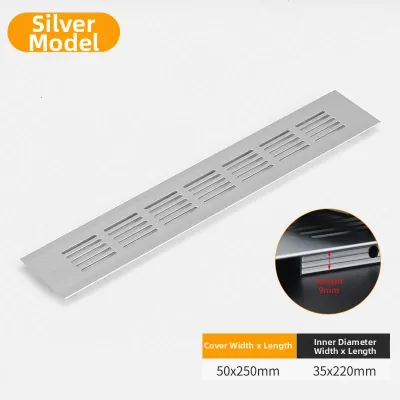
Explain the difference between overall panel size (the outer visible face flange) and the cutout size (the actual recessed opening in the wood). Confusing these two is the most common reason replacement grills do not fit. If you measure only the outer flange of your old grill, the replacement’s rear housing may be too large to slide into the existing hole, or too small, causing it to fall through.
Products mentioned in this guide
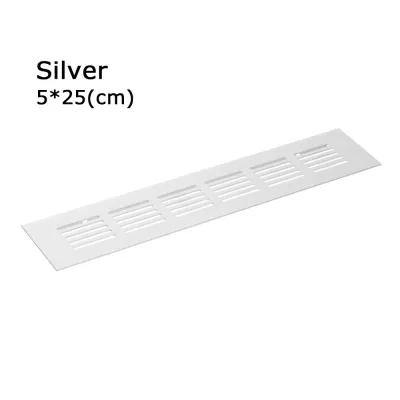
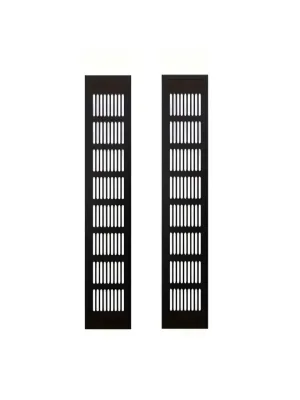
![[SG 🚚] 10/20Pcs Air Vent Decor Shoe Cabinet Home Closet Durable Louver Ventilator Grille](https://img.lazcdn.com/g/p/ccb2b8d443b71d198da2ec89eab56a76.jpg_400x400q80.jpg_.webp)
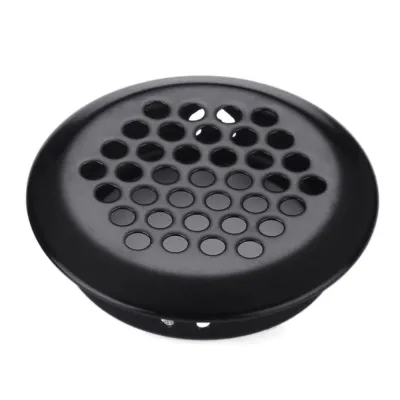
![[SG] Round Louvered Grille Cover Vent Hood Ventilation with Fly Screen Mesh 304 Stainless Steel Air Outlet Vents 60-250MM](https://img.lazcdn.com/g/p/9e409021ed8d8d9fceee012eb97a45cd.jpg_400x400q80.jpg_.webp)
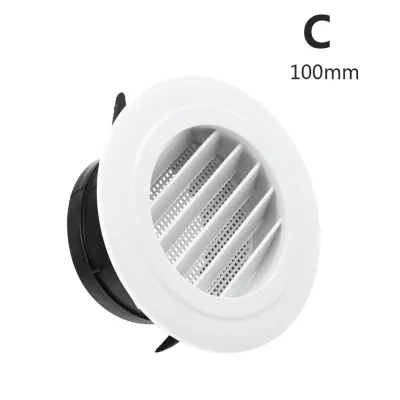
Prices are valid at publication and may change. Please refer to the product page for the latest price.
Measure the cutout’s width, height, and corner radius directly on the cabinet panel. Next, verify the insert depth. The rear protrusion of the new cabinet ventilation grill must have enough clearance so it does not collide with internal shelves, pull-out drawers, or stored household items when the cabinet door is closed.
If your existing grill is secured with screws, measure the exact distance between the center points of the screw holes. Matching these mounting points allows you to reuse the existing holes, preventing the need to drill new ones close to worn edges, which can weaken particleboard or MDF panels. For snap-in models, check the thickness of your cabinet board—typically 15mm to 18mm in standard cabinetry—to ensure the integrated spring clips or tension tabs can grip the board securely.
Material Specs Explained: Metal vs. Plastic Grills
Selecting the right material for your cabinet ventilation grill requires looking past simple labels like “metal” or “plastic.” The durability of any replacement part depends heavily on its surface treatment, joint construction, and how well it tolerates the specific microclimate inside your home.

Metal Grills (Aluminum and Stainless Steel)
Metal grills, particularly those made from aluminum or stainless steel, offer superior structural rigidity and high thermal tolerance. This makes them highly suitable for kitchen cabinets housing built-in ovens, microwave units, or near gas hobs where temperatures fluctuate. They resist warping under heat and provide a sleek, flush finish that blends well with modern kitchen appliances.
However, simply buying a “stainless” or “aluminum” grill does not guarantee it will remain rust-free. In high-humidity zones, or in cabinets directly beneath kitchen sinks where slow condensation occurs, you must verify the specific material grade or protective finish. Look for anodized aluminum or high-grade stainless steel (such as Grade 304) with a clear powder-coated or electroplated protective layer. Uncoated or low-grade metals can oxidize quickly when exposed to damp air or household cleaning vapors, leading to unsightly surface pitting and rust.
Plastic Grills (ABS and PVC)
Plastic cabinet ventilation grills, typically molded from ABS (Acrylonitrile Butadiene Styrene) or PVC (Polyvinyl Chloride), are inherently immune to rust and water damage. This makes them an excellent, cost-effective choice for high-moisture areas such as bathroom vanity cabinets, laundry suites, wardrobes, and shoe cabinets where damp footwear is stored. Their lightweight construction also places less stress on thin cabinet backing boards.
The primary trade-off with plastic is its vulnerability to heat and UV exposure. Over time, proximity to kitchen heat sources or direct sunlight from balcony windows can cause standard PVC to warp, discolor, or become brittle and crack. When selecting a plastic grill, check the manufacturer’s maximum temperature rating and ensure the material is UV-stabilized if it will be exposed to sunlight. Avoid installing basic plastic grills directly above or adjacent to high-heat kitchen appliances.
Mesh Types and Airflow: Matching Your Cabinet Usage
The design of your replacement grill directly dictates how air moves through your cabinet and how much maintenance the unit will require. Slotted or louvered designs feature angled slats that direct airflow downward or upward, helping to hide the cabinet’s dark interior from view while allowing warm, damp air to escape. However, wider louver gaps also allow dust to settle inside more rapidly.
For cabinets storing food, dry goods, or shoes, pest prevention is a critical factor. There is a direct trade-off between maximum airflow volume and keeping out unwanted household pests like geckos, cockroaches, or small insects. If you live on a lower floor or near landscaped areas, selecting a cabinet ventilation grill with an integrated fine insect mesh on the backside is highly beneficial. This fine mesh acts as a physical barrier, though it does restrict airflow slightly more than open louvers and will require periodic vacuuming to prevent dust blockages.
The environment also dictates the ideal grill profile. In kitchens, airborne grease quickly mixes with dust to form a sticky residue. For these areas, select a grill with a smooth, flat, or easily detachable faceplate rather than deep, intricate louvers. A flat profile allows you to wipe away grease buildup with a simple swipe of a cloth, whereas deep louvered channels can become clogged and prove exceptionally difficult to clean without complete removal.
Installation Methods and Compatibility Checks
Before purchasing, you must verify how the replacement grill secures to your cabinet panel. Screw-mounted grills offer the most secure and stable attachment, making them ideal for solid wood doors or heavy-duty panels, though they require precise alignment. Snap-in models utilizing integrated spring clips or tension tabs are faster to install but require a very precise cutout dimension to function. They work well on medium-density fiberboard (MDF) or plywood, but you must avoid using excessive force during installation. Forcing a tight snap-in clip can easily chip or crack brittle laminate finishes and veneered particleboard edges.
Adhesive or magnetic mounting options are available for ultra-lightweight grills, but their longevity depends heavily on the surface preparation and the weight of the grill. Always clean the mounting surface thoroughly to remove grease before applying adhesives. If you discover that your cabinet’s original cutout edges are severely stripped, rotting, or structurally compromised, do not attempt to force a standard replacement. Check the cabinet manufacturer’s care guidelines, or consult a professional carpenter to reinforce the opening before mounting the new hardware.
Frequently Asked Questions (FAQ)
Can I use a slightly larger ventilation grill to cover a damaged cutout?
Yes, a replacement grill with a wider outer flange (face panel) can successfully conceal chipped or unsightly edges around an old cutout. However, this only works if the rear insert portion of the new grill still matches the existing cutout dimensions. If you must enlarge the cutout to fit a larger grill, check that the remaining cabinet board has sufficient structural integrity. Removing too much material from a cabinet door or side panel can cause the wood to sag, warp, or split under the weight of the door hinges.
How do I clean metal cabinet ventilation grills without causing rust?
To clean metal grills safely without stripping their protective coatings, remove the grill from the cabinet if possible, or wipe it in place using a soft microfiber cloth dampened with warm water and a few drops of mild, pH-neutral dish soap. Avoid using abrasive scrubbing pads, steel wool, or harsh chemical cleaners, as these will scratch the anodized or powder-coated finish, exposing the raw metal underneath to moisture and accelerating rust. Always dry the grill completely with a clean, dry towel immediately after cleaning to prevent water spots and localized oxidation.
Community discussion
Share your experience or ask a question. Comments are reviewed before publication.