
Finding the perfect acrylic organizer box for your closet shelves and drawers is a balancing act between the physical limits of your storage space and the dimensions of the items you want to organize. Acrylic offers excellent visibility and a clean, modern aesthetic, but its rigid structure means there is no room for error when it comes to sizing. To achieve a seamless fit that maximizes every square centimeter of your wardrobe, you must measure your spaces with precision, account for hidden structural obstacles, and select configurations that match your daily habits.
Using clear containers transforms how you interact with your closet by keeping items visible and contained. However, a box that is even a few millimeters too wide will not fit on a shelf, while one that is too small leaves awkward, unusable gaps. By taking a systematic approach to measuring your space and analyzing your wardrobe inventory, you can select organizers that look custom-built for your home.
Measure Your Closet Shelves and Drawers Accurately
Before browsing online marketplaces or visiting home organization stores, you must gather precise measurements of your closet’s interior. Always use a rigid metal measuring tape rather than a flexible fabric one, as fabric tapes can stretch over time and lead to inaccurate readings. Measure the exact inner width, depth, and height of each shelf and drawer where you plan to place the boxes. Do not rely on the external dimensions of the furniture, as the thickness of the outer walls can significantly reduce the actual internal storage capacity.
Products mentioned in this guide
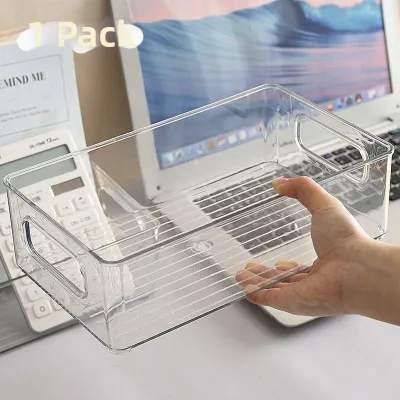
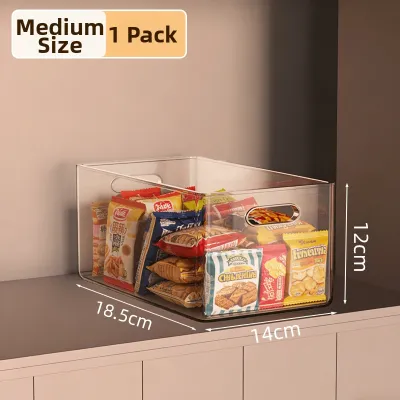
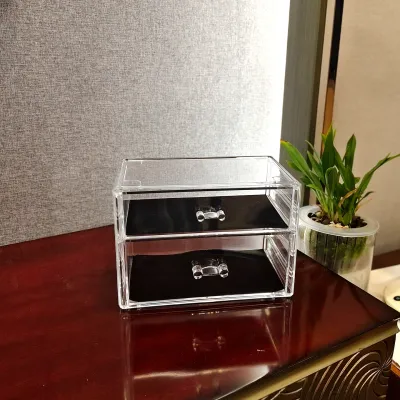
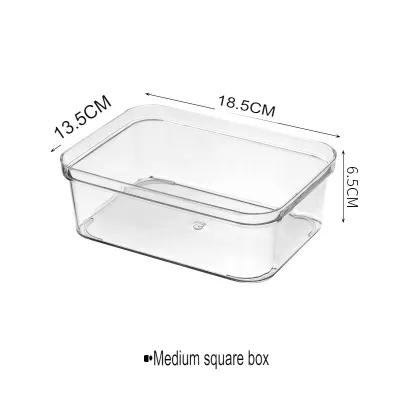
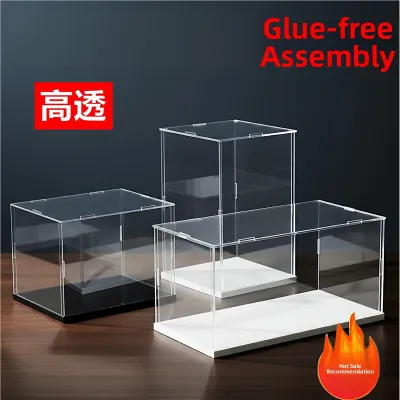

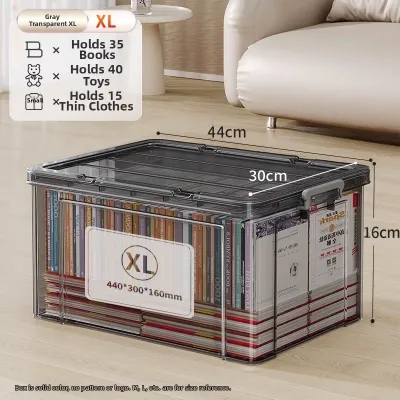

Prices are valid at publication and may change. Please refer to the product page for the latest price.
When measuring, look closely for hidden obstacles that could obstruct a rigid acrylic box. In drawers, pay attention to protruding hardware, internal screw heads, drawer slides, and the decorative trim around the drawer face. For shelves, check for support brackets, shelf pins, and door hinges. A box might match the width of a shelf perfectly on paper, but a protruding hinge at the front of the cabinet could prevent the box from sliding past the doorway.
To determine the true usable vertical clearance, deduct the thickness of shelf boards and drawer bottoms from your total height measurement. If you have adjustable shelves, measure the distance between the shelf surface and the underside of the shelf above it, keeping in mind the positions of the shelf support pins. If a pin protrudes into the storage area, it effectively narrows the usable width of that shelf.
Finally, verify the clearance required for your closet doors to close completely. Sliding doors often overlap in the middle, creating a shallow zone where deeper boxes might prevent the doors from bypassing each other. For hinged doors, ensure that the door swing and the hinges themselves do not collide with the corners of your organizer boxes when you open or close the closet.
Match Box Dimensions to Your Stored Items
An organizer is only effective if it comfortably accommodates the items you intend to store. Before purchasing any acrylic organizer box, gather the specific clothing, accessories, or cosmetics you plan to organize and measure them in their stored state. For example, fold your sweaters, t-shirts, or jeans exactly how you plan to keep them, then measure the width, depth, and height of the folded stack. Comparing these dimensions against the internal measurements of the acrylic box ensures your clothes will fit neatly without being bunched or wrinkled.

It is crucial to leave a small clearance buffer around your items to facilitate easy retrieval. Forcing items into a tight-fitting box can scratch the polished acrylic surface and make daily use frustrating. Aim for at least one to two centimeters of breathing room on all sides of the stored items. This extra space allows you to slide your fingers down the sides of the box to lift items out without disturbing the rest of the stack.
The layout of the box should also match the fragility and shape of your belongings. Single large compartments are ideal for bulky, structured items like handbags, thick winter knits, or wide-brim hats. Conversely, multi-grid dividers are far better suited for small, delicate, or easily disorganized items such as jewelry, rolled ties, belts, socks, and cosmetics. Dividers keep these smaller pieces upright and separated, preventing them from shifting and tangling when drawers are opened and closed.
Evaluate Acrylic Box Configurations and Features
Selecting the right structural design for your acrylic boxes is key to maximizing your closet’s overall efficiency. Open-top bins are excellent for active, high-traffic shelves where you need quick, one-handed access to daily essentials like socks, undergarments, or frequently worn accessories. Because they have no lids, you can easily drop items back into place during laundry day, making it simpler to maintain your organization system over time.
For items that are used less frequently or require protection from dust, lidded or drawer-style acrylic boxes are highly practical options. Lidded boxes keep dust, lint, and pet hair away from delicate fabrics, cashmere sweaters, or formal accessories. However, standard lidded boxes must be unstacked to access the contents of the lower units. If you plan to stack your organizers, drawer-style acrylic units are often a more convenient choice, as they allow you to pull out the lower compartments without disturbing the boxes stacked on top.
Consider whether your storage needs are likely to change over time. Acrylic boxes with removable or adjustable dividers offer excellent long-term flexibility. You can easily reconfigure the internal layout to accommodate different items as the seasons change, transitioning a box from holding thin summer swimwear to thick winter gloves and scarves.
Additionally, look for functional design details that improve handling and stability. Integrated ergonomic handles or grip cutouts make it much safer to pull heavy boxes down from high closet shelves. For drawer organizers, look for units equipped with small silicone or non-slip base pads. These pads prevent the rigid acrylic boxes from sliding around and slamming against the drawer walls every time you open or close the drawer, protecting both your furniture and the organizers from unnecessary wear.
Avoid Common Sizing and Placement Mistakes
One of the most frequent mistakes when organizing a closet is ignoring the clearance needed for drawer extension and shelf door swing. A drawer organizer box might fit perfectly inside the drawer cavity, but if the drawer slides do not allow the drawer to pull out fully, you will not be able to reach the items at the very back of the box. Always ensure you can comfortably access the entire depth of the organizer within the physical limits of your drawer’s movement.
Another critical error is overloading or over-stacking acrylic boxes beyond their structural limits. While high-quality acrylic is strong and rigid, it is not indestructible. Placing excessively heavy items inside or stacking too many filled boxes on top of one another can cause the material to bow, crack, or develop stress fractures over time. Always check the manufacturer’s guidelines for weight limits and distribute weight evenly across the shelves.
Finally, pay close attention to the environmental conditions inside your closet. Acrylic is sensitive to ultraviolet (UV) light and extreme heat. If your closet has a window or is located near a heat source, direct exposure can cause the clear acrylic to yellow, warp, or become brittle over time. To preserve the clarity and structural integrity of your organizers, position them away from direct sunlight and heating vents, ensuring they remain in a shaded, temperature-controlled environment.
Frequently Asked Questions (FAQ)
Can I stack acrylic organizer boxes on closet shelves?
Yes, you can stack acrylic boxes, provided you verify their design features and weight limits first. Look for organizers specifically designed for stacking, which typically feature interlocking lids, recessed tops, or molded feet that nest securely into the unit below to prevent sliding. Always place the heaviest items in the bottom boxes to maintain a low center of gravity, and avoid stacking boxes too high on upper shelves where they could become unstable or difficult to reach safely.
How do I clean and maintain acrylic boxes in a dusty closet?
To keep your acrylic organizers clear and scratch-free, avoid using paper towels, abrasive sponges, or harsh chemical cleaners containing ammonia or alcohol, as these can cause micro-scratches and permanent clouding. Instead, use a clean, soft microfiber cloth dampened with lukewarm water and a small drop of mild dish soap. Periodically empty the boxes, wipe down both the interior and exterior surfaces, rinse with a clean damp cloth, and dry them completely with a fresh microfiber towel before returning your items to prevent moisture from becoming trapped inside.
Community discussion
Share your experience or ask a question. Comments are reviewed before publication.