
Choosing the right firmness for a single mattress is the most critical decision you can make to ensure restful sleep and long-term spinal health. Because your sleeping position dictates how your body weight is distributed, matching your mattress firmness to your preferred posture prevents pressure buildup and chronic morning aches. A mattress that is too soft will cause your spine to sag, while one that is too firm will create painful pressure points at your shoulders and hips.
When selecting a single mattress, the compact dimensions mean your body weight is concentrated over a smaller surface area compared to larger bed sizes. In Singapore, where single beds are common fixtures in cozy HDB common rooms, guest bedrooms, and studio apartments, maximizing comfort within this footprint is essential. By understanding how your sleeping position interacts with different firmness levels, you can confidently choose a bed that supports your body’s natural alignment.
Understanding Mattress Firmness Scales for a Single Mattress
The mattress industry uses a standard 1-to-10 firmness scale to help consumers evaluate how a bed will feel. On this scale, a rating of 1 represents an ultra-plush surface with almost no resistance, while a 10 represents an extra-firm surface with virtually no sinkage. Most mattresses on the market fall between a 3 (soft) and an 8 (firm), as these levels accommodate the vast majority of human body types and sleeping preferences.
Products mentioned in this guide
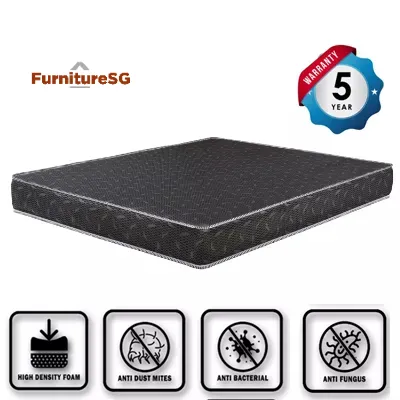


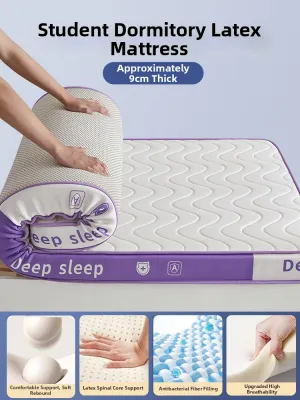
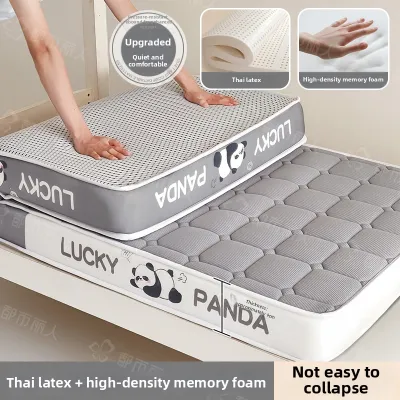
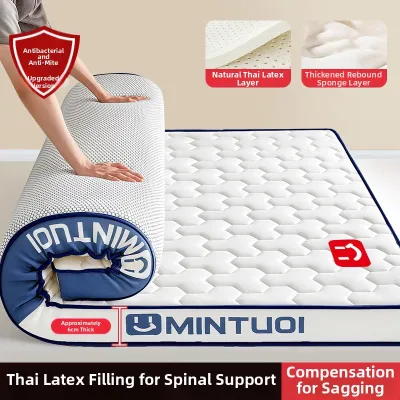
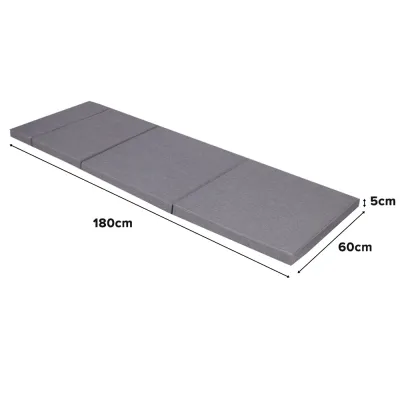

Prices are valid at publication and may change. Please refer to the product page for the latest price.
Because a single mattress measures approximately 91 cm by 190 cm, the sleeper’s weight is concentrated over a relatively narrow area. On larger mattresses, weight can be distributed across a wider plane, but on a single bed, the downward force is highly localized. This concentrated pressure means that choosing an incorrect firmness level will quickly result in either bottoming out against the support core or feeling as though you are sleeping on an unyielding wooden board.
Different mattress constructions achieve these firmness levels through varied material layering. Pocket spring mattresses rely on wire tension and coil count to provide a responsive, push-back feel that keeps the sleeper positioned on top of the bed. All-foam mattresses, often utilizing memory foam or latex, achieve firmness variations by stacking layers of differing densities to cradle the body. Hybrid models combine these two approaches, using a supportive coil base topped with contouring foam layers to balance pressure relief with structural integrity.
Matching Your Sleeping Position to the Ideal Firmness
Your primary sleeping position determines which parts of your body bear the most weight during the night. To maintain a neutral spinal alignment—where your ears, shoulders, hips, and knees align horizontally—the mattress must yield in specific areas while remaining firm in others.

Side Sleepers: Prioritizing Pressure Relief
Side sleeping is the most common sleep posture, but it places unique demands on a mattress. When you lie on your side, your entire body weight is concentrated on the narrowest contact points: your shoulder and your hip. If the mattress surface does not yield to these protruding joints, it creates high-pressure zones that restrict blood flow, leading to tossing, turning, and morning numbness.
For most side sleepers, a medium-soft to medium single mattress (scoring 3 to 5 on the firmness scale) is highly recommended. This level of firmness provides sufficient cushioning to let the shoulder and hip sink into the comfort layers. As these joints sink, the mattress fills the gap along the waist and torso, keeping the spine in a straight, neutral line from the neck down to the pelvis.
Using an overly firm mattress is a frequent mistake for side sleepers. A rigid surface forces the shoulder and hip to remain elevated, which bows the spine upward and puts immense strain on the lower back and neck muscles. If you regularly wake up with sore shoulders or a stiff neck, your mattress is likely too firm for your side-sleeping posture.
Back Sleepers: Balancing Support and Contouring
Back sleeping is highly beneficial for spinal health, provided the mattress offers the correct balance of support and contouring. In this position, your weight is distributed relatively evenly, but your spine retains a natural inward curve at the lower back, known as the lumbar curve. The ideal mattress must support this curve without letting your heavier pelvis sink too deep.
A medium to medium-firm mattress (rated 5 to 7 on the scale) is the optimal choice for back sleepers. This firmness range provides a stable support core that prevents the hips from sagging, while the comfort layers contour slightly to fill the space beneath the lower back. This dual action keeps the spine in its natural, relaxed alignment throughout the night.
If a back sleeper uses a mattress that is too soft, they will experience the “hammock effect,” where the heavy pelvis sinks deeply while the head and feet remain elevated. This unnatural bending of the spine strains the lower back muscles and ligaments. Conversely, a mattress that is too firm will leave a physical gap under the lumbar spine, forcing the lower back muscles to remain tense all night to support themselves.
Stomach Sleepers: Preventing Spinal Sagging
Stomach sleeping is the most challenging position for spinal alignment because gravity naturally pulls the midsection downward. The human body carries a significant portion of its weight in the abdomen and pelvis. When lying face down, this weight wants to sink deep into the mattress, which can easily pull the lower spine into an exaggerated, painful arch.
To combat this downward pull, stomach sleepers require a medium-firm to firm mattress (rated 7 to 8 on the scale). A firm surface provides the upward resistance needed to keep the hips and pelvis elevated, keeping them on the same horizontal plane as the shoulders and maintaining a neutral spinal posture.
If a stomach sleeper rests on a soft mattress, the deep hip sinkage will immediately hyperextend the lumbar spine, leading to chronic lower back pain and morning stiffness. If you are a dedicated stomach sleeper experiencing persistent back discomfort, it is highly recommended to try transitioning to side or back sleeping, using a body pillow to ease the adjustment process.
Adjusting for Body Weight and Personal Preferences
While sleeping position provides a reliable baseline, your body weight significantly influences how you perceive mattress firmness. A firmness rating of 6 might feel perfectly medium-firm to an average-weight individual, but it can feel incredibly rigid to a lighter person or overly soft to a heavier sleeper. To find your true match, you must adjust the baseline recommendations according to your weight category.
Lightweight sleepers, generally defined as those weighing under 60 kg, exert less downward force on a mattress. Because they do not compress the comfort layers deeply, standard mattresses will feel firmer than advertised. A lightweight side sleeper, for example, may find a standard medium mattress too rigid and should look for a softer model (around a 3 or 4) to achieve the necessary pressure relief for their shoulders and hips.
Average-weight sleepers, falling between 60 kg and 85 kg, typically experience mattress firmness exactly as rated by the manufacturer. If you fall into this category, you can rely closely on the standard sleeping position guidelines, selecting a medium mattress for side sleeping, a medium-firm model for back sleeping, and a firm model if you sleep on your stomach.
Heavier sleepers, defined as those weighing over 85 kg, exert substantial downward pressure and will compress comfort layers deeply. They risk sinking straight through the soft comfort foams and bottoming out against the hard support core. To prevent this, heavier sleepers should adjust their firmness choice upward by one or two levels, prioritizing mattresses with robust pocket spring support cores and high-density foams to maintain alignment.
To make your final decision, apply this simple adjustment rule: if you are a lightweight sleeper, lean toward a mattress that is one level softer than the baseline recommendation for your position. If you are a heavier sleeper, choose a mattress that is one to two levels firmer, ensuring it features a supportive, durable core to handle the increased compression.
How to Test and Verify Firmness Before Committing
Because mattress firmness is ultimately subjective, verifying your choice through hands-on testing or structured trials is the best way to avoid buyer’s remorse. Whether you prefer shopping in physical showrooms or ordering online, taking a systematic approach to testing will ensure you choose the perfect single mattress.
When testing mattresses in a physical retail store, avoid the temptation to make a quick decision by simply sitting on the edge of the bed or pressing your hand into the foam. These actions only measure the surface tension, not the deep support your spine requires. Instead, lie down on the mattress in your primary sleeping position for at least 10 to 15 minutes, allowing your muscles to relax fully so you can feel where your pressure points develop.
If you prefer the convenience of online shopping, pay close attention to the brand’s sleep trial policies. Many modern mattress companies in Singapore offer home sleep trials, typically ranging from 100 to 120 nights. Ensure you read the terms carefully, checking for return shipping fees, repackaging requirements, and whether the company offers a full refund or a store credit exchange if the firmness is not right for you.
Keep in mind that any new single mattress requires a dedicated break-in period. Brand-new foams and springs are naturally stiff out of the box and will take three to four weeks to soften and settle into their true feel. Similarly, your body needs time to unlearn muscle memory from your old bed and adjust to the correct support structure of the new mattress, so do not judge its comfort entirely on the first few nights.
Frequently Asked Questions (FAQ)
Can I use a mattress topper to change the firmness of my single mattress?
A mattress topper is an excellent tool for softening a single mattress that feels too firm, as it adds an extra layer of plush cushioning (such as memory foam or latex) directly beneath your body. However, a topper cannot make a soft or sagging mattress firmer. If your mattress has lost its structural integrity or is dipping in the center, adding a topper will not fix the issue, as the topper will simply sink into the existing depressions.
Is a firm mattress always better for back pain?
No, the belief that an extra-firm mattress is a universal cure for back pain is a common myth. While adequate support is vital, an excessively firm mattress can worsen back pain by failing to contour to the natural curves of your spine, leaving your lower back unsupported and creating painful pressure points. A medium-firm mattress is generally considered the most effective level for relieving back pain, but your individual sleeping position and body weight must always guide your final choice. For chronic or severe spinal pain, always consult a qualified healthcare professional.
Community discussion
Share your experience or ask a question. Comments are reviewed before publication.