
A showcase cabinet serves as both a functional storage solution and a visual anchor in your living space. Selecting the right style requires more than just picking a design you like; it involves evaluating how the cabinet’s materials, proportions, and hardware interact with your existing décor.
In Singapore’s diverse housing landscape, where space optimization is key, selecting a piece that complements your interior aesthetic ensures your home feels cohesive rather than cluttered. By analyzing your current design theme, understanding material characteristics, and verifying physical dimensions, you can select a display cabinet that elevates your living space.
Identify Your Dominant Interior Theme
Before browsing online marketplaces or visiting local showrooms, take a step back to audit your room’s existing design language. Look at the dominant furniture lines, the color palette, and the textures that currently define the space.
Products mentioned in this guide
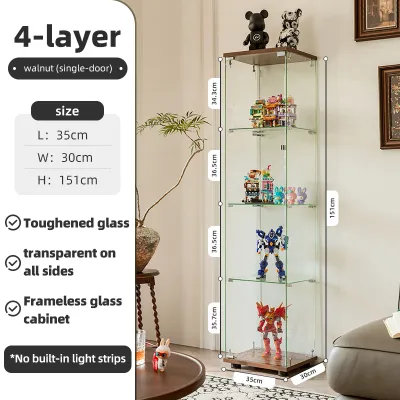
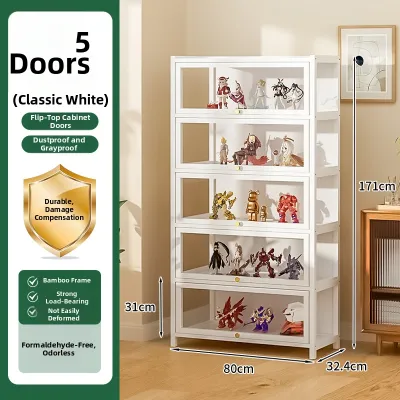

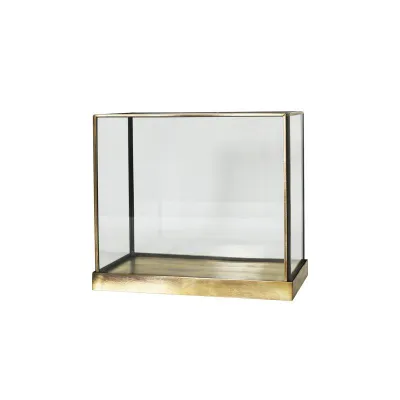
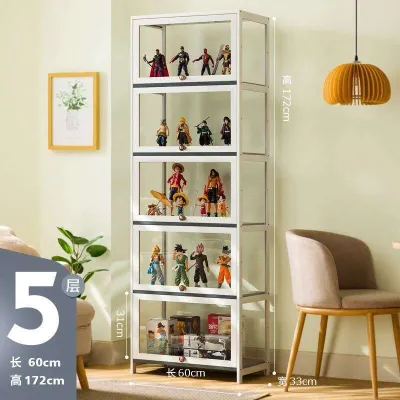
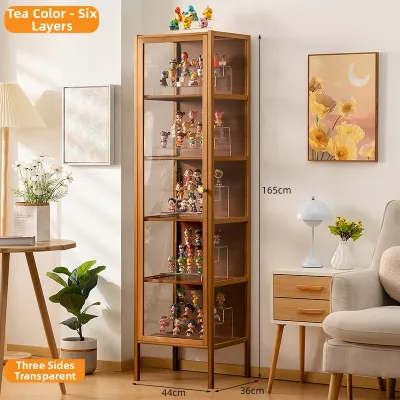
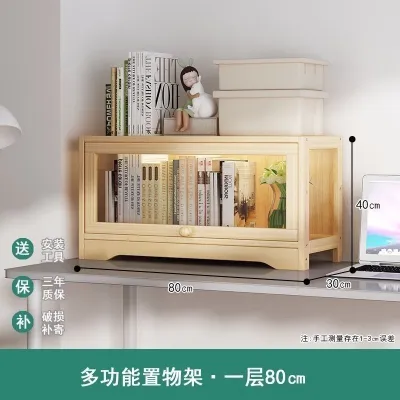
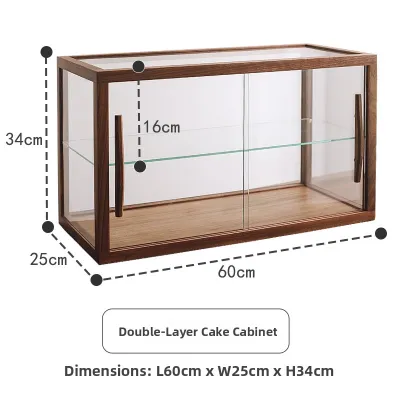
Prices are valid at publication and may change. Please refer to the product page for the latest price.
If your home features clean lines, light wood tones, and a focus on natural light, you are likely working with a Scandinavian or Japandi aesthetic. These styles thrive on simplicity, warmth, and functional minimalism, meaning a bulky, ornate cabinet would feel out of place.
For homes with exposed brick, concrete screed floors, or dark metal accents, an industrial theme is the dominant force. This style embraces raw, unfinished textures and utilitarian structures, calling for a showcase cabinet that shares that rugged, functional DNA.
A contemporary minimalist space, on the other hand, relies on sleek surfaces, hidden storage, and a highly disciplined color palette. Here, any display piece must maintain a low-profile silhouette, often utilizing handleless doors and expansive glass panels to keep the visual field clear.
For homes that lean toward a modern classic or transitional look, a showcase cabinet with traditional crown molding but finished in a contemporary charcoal or navy hue can offer an excellent balance. This approach allows you to honor classic design elements while maintaining a fresh, updated feel.
Once you have identified your primary theme, decide whether you want the showcase cabinet to blend seamlessly into the background or serve as a deliberate statement piece. A matching cabinet creates a calm, unified look, while a contrasting piece—such as a dark industrial metal cabinet in a bright, white-walled room—can act as a striking focal point.
Match Cabinet Materials and Finishes to Your Aesthetic
The materials used to construct a showcase cabinet dictate both its visual warmth and its compatibility with your home’s climate and style. For organic, warm aesthetics like Scandinavian or Japandi, natural timbers, high-quality wood veneers, and woven rattan are excellent choices.

When selecting wood pieces, check the manufacturer’s specifications regarding the finish and care instructions, especially in Singapore’s humid climate. Look for protective matte or satin sealants that guard against moisture absorption without masking the natural grain of the wood.
If your home leans toward an industrial or rustic aesthetic, prioritize cabinets featuring powder-coated steel frames, distressed wood finishes, and exposed hardware. The combination of cold metal and textured wood creates a balanced, grounded look that complements raw architectural elements.
For contemporary and minimalist environments, sleek laminates, high-gloss lacquers, and extensive glass or acrylic panels are the standard. These materials reflect light, helping to make smaller living rooms feel more spacious and airy.
When evaluating glass panels, check if the manufacturer uses tempered safety glass. Tempered glass is significantly stronger than standard glass and, in the rare event of breakage, crumbles into small, blunt pieces rather than sharp shards, making it a much safer choice for busy households.
Always verify the material composition and veneer quality labels rather than relying solely on product photos. High-pressure laminates and engineered woods with robust edge-banding often offer excellent stability and resistance to warping in humid conditions, making them practical alternatives to solid timber.
Select Design Elements and Hardware Details
Small structural details and hardware choices have a significant impact on how light or heavy a showcase cabinet appears in a room. Leg designs, for instance, dictate the piece’s relationship with the floor and the surrounding space.
Tapered wooden legs or slender metal hairpin legs lift the cabinet body off the ground, creating a sense of visual lightness and allowing light to pass underneath. This is particularly beneficial in smaller apartments where preserving visible floor space makes the room feel larger.
Conversely, a solid plinth base or a floor-length cabinet frame provides a grounded, substantial look that suits larger rooms or formal dining areas. These designs offer excellent stability but can feel visually heavy if placed in tight walkways.
Hardware details like handles, pulls, and hinges act as the jewelry of your cabinet. Concealed push-to-open mechanisms maintain the ultra-clean lines required for minimalist spaces, while brushed brass pulls or matte black T-bars add a touch of sophistication to modern classic or industrial interiors.
The type of glass used for the doors also alters the cabinet’s character and functionality. Clear glass offers maximum visibility for curated collections, while fluted, ribbed, or tinted glass diffuses light and partially obscures the contents, making it easier to hide everyday clutter while still maintaining an elegant facade.
Assess Spatial Proportions and Visual Weight
A showcase cabinet must fit your room physically while maintaining a balanced visual scale. Begin by measuring your available floor width, wall height, and depth to establish the absolute maximum footprint the cabinet can occupy.
Consider the visual weight of the cabinet by analyzing the ratio of open shelving to closed storage. A cabinet with solid wooden doors on the bottom half and glass doors on the top half offers a balanced solution, allowing you to hide less attractive items while displaying your favorite pieces at eye level.
Fully open shelving units or all-glass cabinets have a very light visual weight, making them ideal for tight spaces, but they require meticulous organization to avoid looking chaotic. Solid wood or opaque cabinets have a heavy visual weight and work best against large, plain walls where they can anchor the room.
Integrated lighting is another factor that influences visual weight. Cabinets with built-in LED strip lights or spotlights draw the eye inward, making the cabinet feel like an open window rather than a solid block of wood. If you plan to add lighting later, check if the cabinet has pre-drilled cable access holes to keep wiring neat and hidden.
Do not forget to plan for adequate clearance around the cabinet. Ensure there is enough space for walkways when the cabinet doors are fully open, and check that drawers can extend completely without hitting other furniture pieces or blocking entryways.
Final Pre-Purchase Checklist for Display Cabinets
Before finalizing your purchase, run through a practical checklist to ensure a smooth delivery and installation process. Start by measuring your building’s elevator dimensions, stairwell turns, and entry door widths to guarantee the delivery team can safely transport the cabinet into your home.
Check the manufacturer’s specifications for shelf load capacity, especially if you plan to display heavy items like books, ceramic platters, or heavy glassware. Ensure the shelves are adjustable so you can customize the interior layout to fit items of varying heights.
Review the assembly requirements and verify if the cabinet includes a wall-anchoring kit. For taller showcase cabinets, anchoring the unit to the wall is a crucial safety step to prevent tip-over accidents, particularly on carpeted floors or in homes with active households.
Finally, check if the cabinet comes with adjustable leveling feet. Many floors, especially in older buildings or those with tiled surfaces, are not perfectly level. Leveling feet allow you to stabilize the cabinet and ensure the doors align perfectly, preventing unwanted strain on the frame and hinges over time.
Inspect the joint construction and door alignment specifications before purchasing. High-quality soft-close hinges and magnetic catches ensure the doors remain securely shut, protecting your displayed items from dust and accidental bumps.
Frequently Asked Questions (FAQ)
Can I mix two different interior styles with one showcase cabinet?
Yes, you can successfully mix two styles by choosing a transitional showcase cabinet that shares design elements from both themes. For example, a cabinet with a sleek, minimalist black metal frame paired with warm oak shelves can bridge the gap between industrial and Scandinavian styles. To keep the room looking cohesive, use neutral colors as a visual bridge and limit your mix to two dominant styles to prevent visual clutter.
How do I prevent a glass showcase cabinet from looking cluttered?
To maintain an elegant display, apply the rule of thirds by leaving about one-third of each shelf empty to create negative space. Group items in odd numbers, such as clusters of three, and vary their heights using books or small risers. You can also group items by color or texture to create a unified look, and utilize decorative opaque storage boxes on lower shelves to hide smaller, mismatched items.
Is it better to buy a freestanding or wall-mounted display cabinet?
The choice depends on your spatial constraints and what you plan to store. Freestanding cabinets offer higher load capacities and are easier to move, making them ideal for heavy items like dinnerware. Wall-mounted cabinets preserve valuable floor space and create a modern, floating look, but they require professional installation to verify the wall’s structural integrity and are best suited for lighter decorative items.

Community discussion
Share your experience or ask a question. Comments are reviewed before publication.