
Choosing the right shoe rack capacity requires balancing your household’s active shoe count, expected collection growth, and the physical limits of your entryway. For a typical household, a baseline of three to four pairs of shoes per person is a practical starting point for daily-use storage. By calculating your total pair count and translating it into physical dimensions, you can select a storage solution that keeps your home organized without cluttering your living space.
In space-conscious homes, such as Singapore apartments or HDB flats, entryway real estate is highly valuable. A shoe rack that is too small leads to cluttered floors, while an oversized cabinet can block walkways and disrupt the flow of your home. Finding the sweet spot involves a systematic audit of your footwear and a clear understanding of how different rack designs utilize vertical and horizontal space.
Count Your Shoes and Estimate Household Needs
To determine the ideal capacity, begin by gathering every pair of shoes currently owned by your household members. Sort these shoes into categories based on how often they are worn, separating daily footwear from seasonal, formal, or specialized sports gear. This distinction is crucial because daily-use shoes need to be easily accessible near the entrance, while less frequent pairs can often be stored in bedroom closets or secondary storage areas.
Products mentioned in this guide
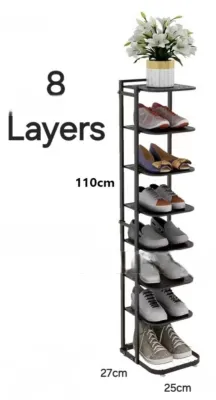
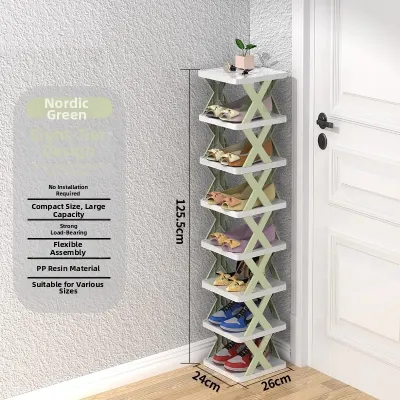
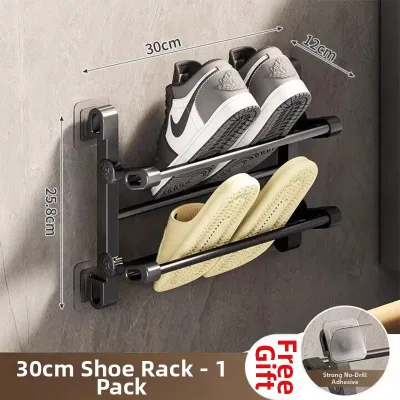
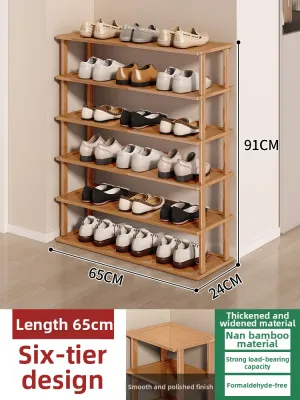
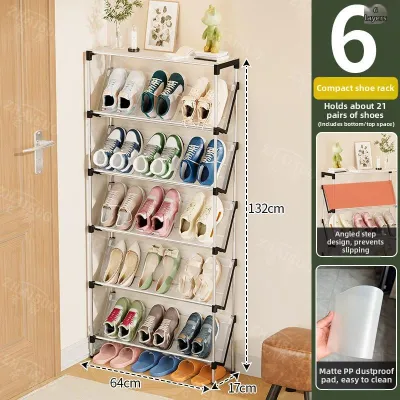
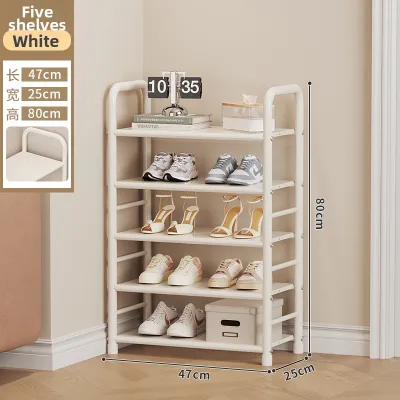
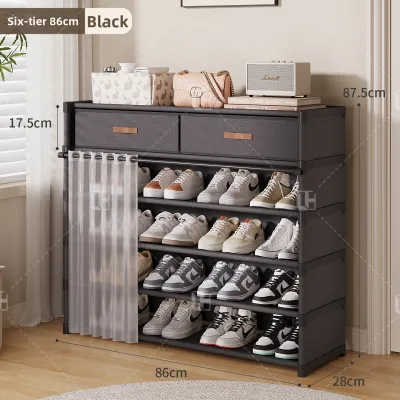
Prices are valid at publication and may change. Please refer to the product page for the latest price.
Next, factor in the inevitable growth of your collection over time. Consider the shopping habits of each household member and whether your family is likely to acquire more footwear in the coming years. If you have young children, their rapidly changing shoe sizes mean you will often have multiple pairs in transition, requiring a flexible storage buffer.
Once you have categorized your current inventory and estimated future additions, calculate the baseline total number of pairs that must live on the main rack. For example, a family of four where each person keeps three active pairs near the door will require a minimum capacity of twelve pairs. This baseline number serves as your absolute starting point when evaluating potential furniture pieces.
Convert Your Shoe Count into Rack Tiers and Dimensions
Translating your baseline shoe count into physical furniture dimensions requires looking at the width of individual shelves. On average, a standard adult pair of shoes requires about 20 to 25 centimeters of horizontal shelf space, though this varies significantly between bulky sneakers and slim sandals. Measure the width of your typical footwear to understand how many pairs can realistically sit side-by-side on a single tier.

Once you know the average footprint of your shoes, divide your total baseline count by the number of pairs that fit on one tier to determine how many tiers you need. For instance, if a shelf is 80 centimeters wide, it can comfortably hold three to four pairs of adult shoes. To store twelve pairs, you would need a rack with at least three or four tiers, depending on the exact width and shoe profiles.
Do not assume all shoes have the same height requirements. Taller footwear, such as high heels, ankle boots, or high-top sneakers, requires more vertical clearance than flat shoes or slippers. Look for shoe racks that feature adjustable shelves or varying tier heights, allowing you to customize the vertical spacing to prevent crushing your taller shoes.
Measure Your Entryway or Storage Space
Before finalizing any furniture purchase, you must verify that the physical dimensions of the shoe rack align with your available home space. Use a measuring tape to record the exact width, depth, and height of the area where you plan to place the rack. Be sure to account for protruding baseboards, light switches, electrical outlets, or wall irregularities that might prevent the furniture from sitting flush against the wall.
Clearance is another critical factor in maintaining a functional entryway. Ensure that the depth of the shoe rack does not obstruct the swing path of your front door, nearby closet doors, or main walkways. A rack that juts out too far can create a physical bottleneck, making it difficult for family members and guests to move comfortably through the entrance.
Environmental conditions also play a major role in shoe preservation, particularly in humid climates like Singapore. Entryways are often exposed to moisture from rain or damp umbrellas, which can trap humidity inside closed storage units. Check the ventilation of the area and consider how air flows around the proposed location to prevent mold and mildew growth on your footwear.
Choose the Right Rack Configuration for Your Layout
The layout of your home will largely dictate whether a vertical or horizontal shoe rack configuration is more appropriate. Tall, narrow racks are excellent for tight entryways or small corridors, as they maximize vertical wall space without consuming valuable floor area. Conversely, wide, low-profile benches or cabinets work well in larger foyers, offering a convenient surface to sit on while putting on your shoes.
If you anticipate your household size or shoe collection changing, modular or stackable designs offer excellent long-term flexibility. These systems allow you to start with a compact setup and add matching tiers or side units as your storage needs expand. This adaptability prevents you from having to replace the entire piece of furniture when your collection grows.
You must also weigh the practical trade-offs between open shelving and enclosed shoe cabinets. Open racks provide immediate access, excellent ventilation, and generally maximize storage capacity because shoes can slightly overlap the edges. Enclosed cabinets, on the other hand, offer a cleaner aesthetic by hiding clutter and protecting your footwear from dust, though they require more physical depth to accommodate door hinges and closed panels.
Avoid Common Shoe Rack Capacity Mistakes
One of the most frequent mistakes when selecting a shoe rack is failing to account for the extra space required by shoe boxes. If you prefer to store your footwear in its original packaging to preserve its condition, you will need significantly more depth and height per tier. Standard shoe racks are designed for bare shoes, so always measure your boxes and compare them to the internal shelf dimensions before buying.
Another common oversight is assuming that the external width of a shoe rack represents the actual usable storage space. Many designs feature thick side panels, central dividers, or internal structural supports that reduce the actual width of each shelf. Always check the manufacturer’s specifications for the internal shelf dimensions to ensure your shoes will fit without being squeezed.
Finally, never ignore the manufacturer’s stated weight limits for each tier. While shoes may seem relatively light, a fully loaded shelf of heavy leather boots or athletic footwear can put substantial stress on the structure. Overloading a rack can cause shelves to sag, joints to loosen, or the entire unit to become unstable, posing a safety hazard in high-traffic areas.
Frequently Asked Questions (FAQ)
How much weight can a standard shoe rack tier hold?
To determine the weight capacity of a specific shoe rack, always refer to the manufacturer’s load-bearing guidelines. The weight limit varies widely depending on the construction materials, such as solid wood, metal wire, or engineered board, as well as the presence of center support brackets. Avoid storing heavy non-shoe items like toolboxes or heavy bags on the shelves to prevent structural damage and ensure the longevity of your furniture.
Should I buy a shoe rack with extra capacity for future shoes?
Planning for a modest buffer of two to three extra slots is generally recommended to accommodate new purchases or guest footwear. If your future storage needs are highly unpredictable, investing in a modular or expandable shoe rack is a smart way to balance current space constraints with future growth. This approach ensures you do not waste valuable entryway space on an oversized cabinet that remains half-empty.
Community discussion
Share your experience or ask a question. Comments are reviewed before publication.