
Choosing the right shelf bracket requires matching the hardware to your wall type, the depth of your shelf board, and the total weight you plan to place on it. A bracket that is too small will cause the shelf to sag or tilt, while using the wrong wall anchors can lead to the entire assembly pulling out of the wall. By identifying your wall material first, measuring your shelf dimensions, and selecting a bracket design built for your specific load requirements, you can ensure a safe, stable, and long-lasting installation.
Identify Your Wall Material for Proper Anchoring
Before purchasing any shelf bracket, you must determine what lies behind your paint or wallpaper. In Singapore, residential walls are typically made of solid concrete, lightweight concrete blocks, brick, or hollow drywall. You can identify drywall by tapping on it; a hollow, echoing sound indicates drywall, whereas a dull, solid thud suggests concrete or brick. If you have drywall, you will also need to locate the timber studs behind it using a stud finder, as mounting brackets directly into unsupported drywall significantly limits the weight the shelf can hold.
Once you know your wall material, you can select the appropriate wall plugs, anchors, and drill bits. For solid concrete or brick walls, you will need a rotary hammer drill or a hammer drill equipped with a masonry drill bit, along with plastic wall plugs or expansion anchors designed for masonry. For drywall, if you cannot align your brackets with timber studs, you must use specialized hollow-wall anchors, such as toggle bolts or heavy-duty metal self-drilling anchors, to distribute the weight across the back of the board.
Products mentioned in this guide
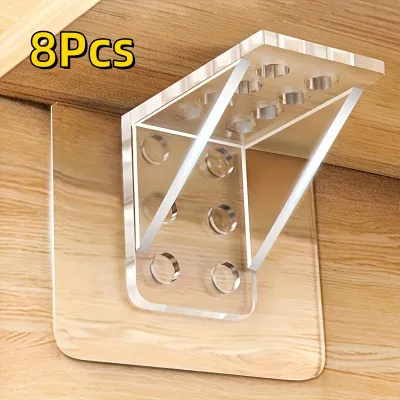
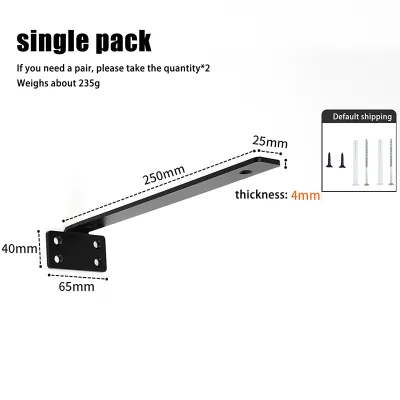
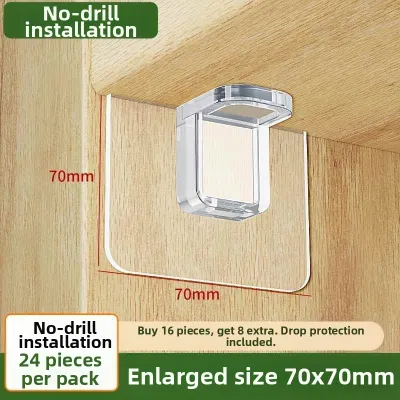
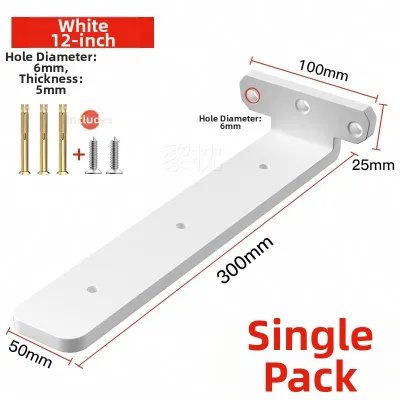
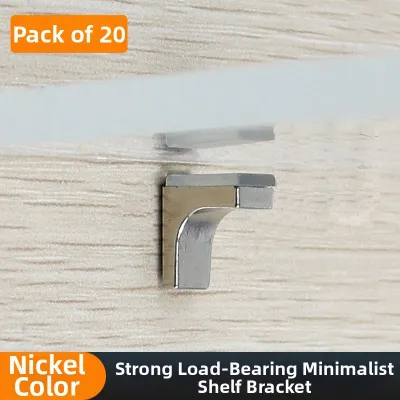
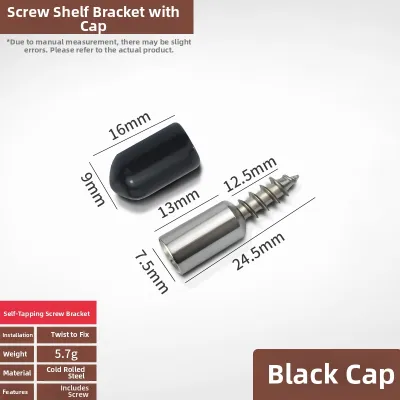
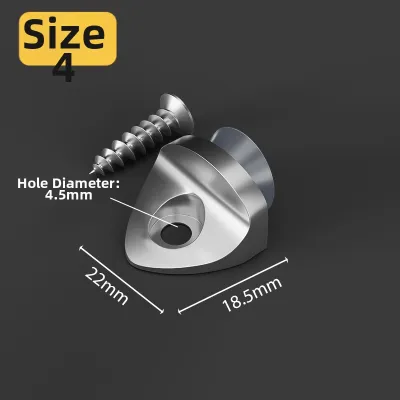
Prices are valid at publication and may change. Please refer to the product page for the latest price.
Safety must always come first during the drilling process. Before you begin drilling into any wall, check for hidden utility lines. Use a multi-detector or stud finder with live-wire and pipe detection capabilities to scan the area. If you suspect that water pipes or electrical conduits run through the section of the wall where you plan to install your shelf, stop immediately and consult a professional installer or licensed contractor to avoid costly and dangerous damage.
Measure Shelf Depth and Estimate the Total Load
The physical dimensions of your shelf board dictate the size of the bracket arm you need. As a general rule of thumb, the horizontal arm of the shelf bracket should extend at least two-thirds of the total depth of the shelf board. For example, if your shelf board is 30 cm deep, your bracket arm should be at least 20 cm long to prevent the front edge of the shelf from tipping or sagging under pressure. Avoid using brackets that are significantly shorter than this ratio, as an excessive front overhang creates a lever effect that pulls the top screws out of the wall.

Estimating the total load of your shelf is equally critical to prevent structural failure. Instead of guessing the weight, list the items you intend to place on the shelf and estimate their combined weight. A row of heavy hardcover books, potted indoor plants, or kitchen appliances can easily exceed 15 to 20 kilograms. Remember to include the weight of the shelf board itself in your total load calculation, especially if you are using heavy materials like solid oak, marble, or thick engineered wood.
When shopping for hardware, always check the manufacturer’s official load rating printed on the bracket packaging or product specification sheet. Never assume a bracket’s weight capacity based solely on its material or thickness. The rated capacity is only valid when the bracket is installed using the manufacturer’s recommended screws and anchors into a compatible wall material. If the packaging does not specify a load limit, treat the bracket as suitable only for light, decorative items.
Select the Bracket Design Based on Your Structural Needs
Different bracket designs are engineered to handle specific load distributions and aesthetic preferences. Standard L-brackets are the most common and versatile option, featuring a simple 90-degree angle. These are highly suitable for light to medium loads, such as displaying small decorative items, photo frames, or lightweight books, provided they are paired with the correct wall anchors.
For heavier loads, deeper shelves, or storage areas like pantries and garages, gusseted or triangular brackets are necessary. These brackets feature a diagonal support bar, or gusset, welded or molded between the horizontal and vertical arms. This diagonal brace prevents the horizontal arm from bending downward under heavy weight, making them the ideal choice for storing heavy kitchen appliances, tools, or large book collections.
If you prefer a minimalist aesthetic where no hardware is visible, floating shelf brackets are the standard choice. These consist of a flat metal backplate with solid steel rods that insert directly into pre-drilled holes in the rear edge of the shelf board. Floating brackets require a highly precise installation and are best suited for solid concrete walls or direct mounting into timber studs, as hollow drywall cannot easily support the high leverage forces exerted on hidden rods.
Lip brackets offer a functional variation of the standard L-bracket by featuring a small upward lip at the front end of the horizontal arm. This design is particularly useful in high-traffic areas, children’s rooms, or on narrow shelves, as the lip physically prevents the shelf board from sliding forward or shifting off the brackets over time.
Final Pre-Purchase Checklist and Installation Limits
Before finalizing your purchase at a local hardware store or online marketplace, run through a quick verification checklist. Confirm that you have identified your exact wall material, measured your shelf board depth to match the bracket arm length, estimated the total weight of your items, and selected a bracket style that matches both your aesthetic and structural needs. Having these details ready ensures you buy the correct screws, wall plugs, and brackets in a single trip.
Proper spacing between your brackets is essential to prevent the shelf board from bowing in the middle. The ideal distance depends on the stiffness of your shelf material and the weight it will carry. For standard timber or MDF boards under normal loads, brackets should generally be spaced no more than 60 to 80 cm apart. Thinner or more flexible materials may require closer spacing, while thick solid wood or metal shelves can sometimes span slightly wider distances.
Knowing when to step away from a DIY installation is crucial for home safety. If you encounter crumbling plaster, powdery concrete that fails to hold a wall plug, or walls that feel unexpectedly hollow or soft, stop the installation. Mismatched hardware, loose screws, or exceeding the safe load limits of your wall type can lead to sudden shelf collapse. If you are unsure about your wall’s structural integrity, hiring a professional handyman is the safest decision.
Frequently Asked Questions (FAQ)
Can I use the same shelf bracket for drywall and concrete?
Yes, you can use the same metal shelf bracket for both drywall and concrete, but you must change the mounting hardware. Concrete requires masonry plugs and screws that grip the solid wall, while drywall requires hollow-wall anchors or toggle bolts that expand behind the plasterboard. Never use standard plastic wall plugs meant for concrete in a hollow drywall partition.
How far apart should I space my shelf brackets?
Bracket spacing depends on the shelf material and the weight of the items. For standard wooden shelves carrying average household items, space the brackets between 60 cm and 80 cm apart. If you are storing heavy items or using flexible shelf materials like thin plywood or MDF, space the brackets closer together to prevent the board from sagging in the center.
Do floating shelf brackets hold less weight than standard L-brackets?
Generally, yes. Floating shelf brackets rely on internal rods and have a higher leverage point, which puts more stress on the wall anchors. They require a solid concrete wall or direct mounting into timber studs to hold significant weight. Standard L-brackets, especially those with diagonal gussets, provide much stronger physical support and can handle heavier loads than hidden floating brackets.
Community discussion
Share your experience or ask a question. Comments are reviewed before publication.