
Selecting a mattress is one of the most significant investments you can make for your long-term physical well-being. In Singapore, where Seahorse mattresses have long been a household staple, choosing the correct firmness level is essential to ensuring a restful night. The ideal firmness is not a one-size-fits-all specification; rather, it is a highly personalized choice that depends on your primary sleeping position and your body type.
To find the right balance, you must understand how different materials support your weight and keep your spine in neutral alignment. A mattress that is too firm can create painful pressure points, while one that is too soft can cause your body to sag, leading to chronic back pain. By evaluating your sleep habits and physically verifying your options, you can confidently select a model that provides lasting comfort.
Quick Diagnostic: Matching Firmness to Your Sleep Profile
Achieving proper spinal alignment and pressure relief is the primary goal when selecting mattress firmness. When you lie down, your spine should maintain the same natural curve it has when you are standing upright. If a mattress fails to support your body shape, your muscles must work throughout the night to keep your spine aligned, leading to morning stiffness and fatigue.
Products mentioned in this guide
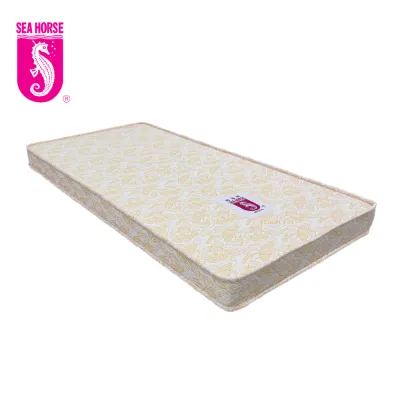
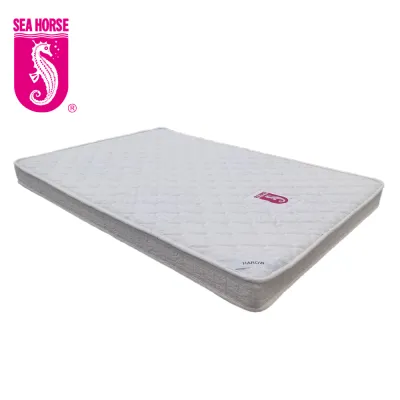
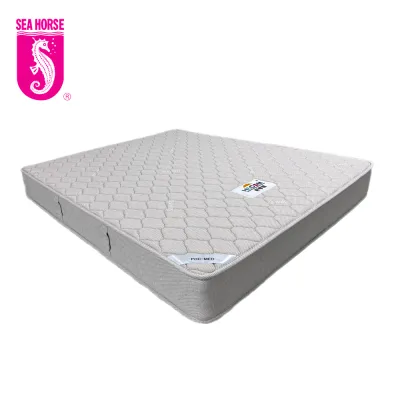
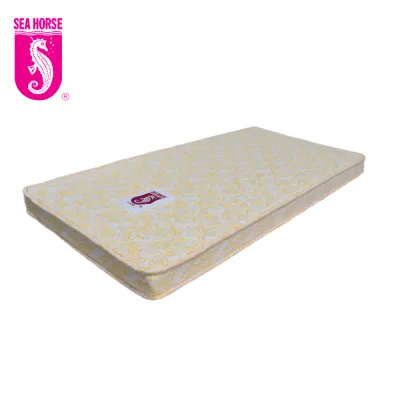
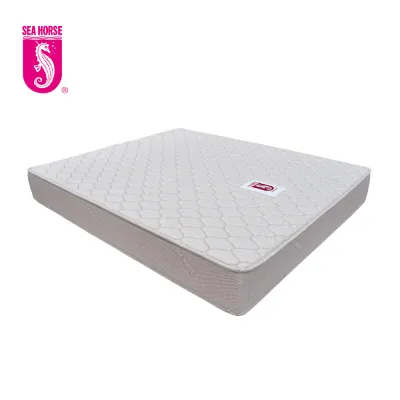
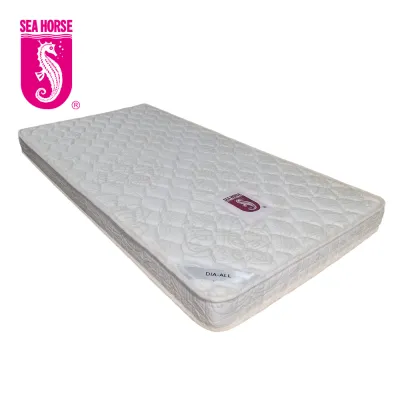
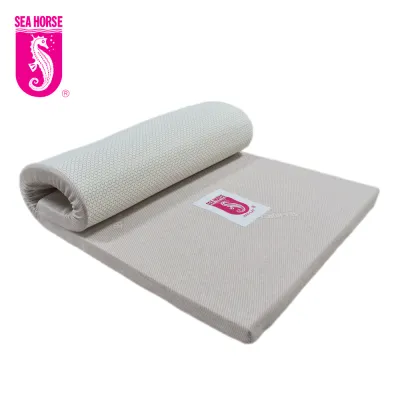
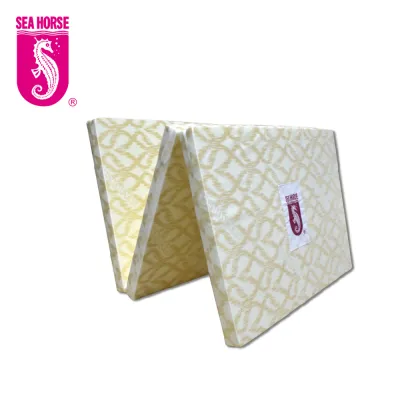
Prices are valid at publication and may change. Please refer to the product page for the latest price.
As a general starting point, sleep positions map to specific firmness categories. Side sleepers typically require a softer to medium surface to cushion their shoulders and hips. Back sleepers benefit from a medium to medium-firm tension that supports the lower back without pressing too hard against the shoulder blades. Stomach sleepers need a firm surface to keep their hips from sinking, which prevents an unnatural arch in the lower spine.
However, these general categories are only initial guidelines. Individual comfort is highly subjective and depends on how your unique body shape distributes weight across the surface. Relying solely on generic firmness charts can lead to a poor purchase. To find the correct fit, you must combine these general guidelines with physical testing and a close inspection of the manufacturer’s material specifications.
Step 1: Assess Your Primary Sleep Position
Your dominant sleeping posture dictates where your body contacts the mattress most heavily and where you require the most support. Identifying how you spend the majority of the night is the first step in narrowing down your firmness options.

- Side Sleepers: Require a mattress that offers excellent pressure relief. When you sleep on your side, your body weight is concentrated on your shoulders and hips. A surface that is too firm will press against these joints, causing tossing and turning. To prevent this, side sleepers should look for medium-soft to medium surfaces that allow the shoulders and hips to sink in just enough to keep the spine straight.
- Back Sleepers: Need a balanced combination of support and contouring. The lower back has a natural inward curve that requires support to prevent muscle strain. If a mattress is too soft, your pelvis will sink too deep, flattening the lumbar curve. A medium to medium-firm surface typically provides the ideal counter-pressure to fill this gap while keeping the shoulders and hips level.
- Stomach Sleepers: Require the firmest support of all. Sleeping on your stomach naturally places a strain on your lower back. If the mattress is soft, your midsection will sink into the comfort layers, exaggerating the curve of your lower spine. A firm mattress keeps your body on a flat, stable plane, ensuring your hips remain aligned with your shoulders.
- Combination Sleepers: Must find a versatile middle ground if they shift between multiple positions throughout the night. If you rotate from your side to your back, a mattress that is too soft will make it difficult to turn over, while one that is too firm will cause discomfort when you are on your side. A medium-firm mattress is often the most practical solution, offering enough surface give for side sleeping and sufficient core support for back or stomach sleeping.
Step 2: Factor in Your Body Weight and Type
Your body weight directly influences how deeply you compress the comfort layers of a mattress, which alters your perception of its firmness. A mattress that feels incredibly firm to one person may feel soft and yielding to another.
- Lighter Individuals: Typically weighing under 60 kg, lighter sleepers exert less downward force on the mattress surface. Because they do not compress the comfort layers deeply, standard firm mattresses can feel exceptionally hard and unyielding. If you fall into this weight category, you may need to opt for a softer or medium-density mattress to ensure the surface contours adequately to your body shape.
- Average Weight Individuals: Ranging between 60 kg and 80 kg, average sleepers generally experience mattress firmness in a way that aligns closely with the manufacturer's standard ratings. A mattress labeled as "medium" will typically provide a balanced feel of support and contouring. If you are in this range, you can rely more directly on standard product descriptions, adjusting your choice primarily based on your preferred sleeping position.
- Heavier Individuals: Weighing over 80 kg, heavier sleepers exert substantial pressure on the mattress, causing them to sink deeper into the support core. A mattress that provides adequate support for an average-weight person may allow a heavier sleeper to sink too far, leading to spinal misalignment. Sleepers in this category generally require firmer options or mattresses constructed with high-density support cores to ensure long-term stability.
To ensure lasting durability, always check the manufacturer’s weight limits and material density specifications before purchasing. High-density foam cores and robust spring systems are better equipped to handle consistent pressure without sagging. Review the care labels and product packaging for detailed instructions on rotation and maintenance, which are critical for preserving the structural integrity of the mattress.
Step 3: Verify Your Choice at the Seahorse Official Store
Once you have determined your theoretical firmness level, the final step is to verify your choice through physical testing and careful specification checks. Making a purchase directly through the Seahorse official store ensures you receive authentic products and accurate warranty coverage.
Visiting a physical showroom in Singapore is highly recommended before making your final decision. When testing a mattress in-store, do not simply sit on the edge or press it with your hand. Lie down in your primary sleeping position for at least 10 to 15 minutes. This allows your muscles to fully relax and gives you a realistic sense of how the support core responds to your body weight over time.
If you prefer to shop online, navigate the Seahorse official store to compare detailed product specifications. Pay close attention to the core materials, such as high-density memory foam, latex, or pocketed springs, and check the exact thickness of the mattress. Ensure you verify the trial periods, return policies, and warranty terms directly from the official channel to understand your options if the mattress does not meet your expectations.
Finally, verify all physical dimensions and delivery logistics before placing your order. Measure your existing bed frame carefully, keeping in mind that standard bed sizes in Singapore can vary slightly depending on whether they follow local, European, or American sizing. Additionally, assess your home’s layout, including doorway widths, hallway turns, and HDB lift clearance. Ensuring the delivery team has clear, unobstructed access prevents damage to both your new mattress and your home during installation.
Frequently Asked Questions (FAQ)
Can a mattress topper change the firmness of my current Seahorse mattress?
A mattress topper can alter the surface feel of your bed, adding a layer of plushness to a mattress that is too firm or providing a slight increase in surface tension. However, a topper is not a permanent solution for a sagging or structurally compromised mattress core. If the underlying support layers of your mattress have failed, a topper will simply sink into the existing depressions. Before purchasing a topper, check its compatibility, thickness, and non-slip features to ensure it integrates safely with your current setup.
How long should I test a new mattress firmness before deciding it is wrong?
Your body typically requires an adjustment period of at least three to four weeks when transitioning to a new mattress. During this break-in period, your muscles and spine adapt to the new support structure, and the mattress materials settle and soften slightly. If persistent pain or discomfort continues after a month, you should contact the official store to discuss exchange or return options under their specific policy terms.
Does mattress thickness affect how firm it feels?
Yes, mattress thickness can influence your perception of firmness and support. Thicker mattresses generally incorporate multiple comfort layers, such as memory foam or latex, which provide enhanced contouring and pressure relief at the surface. However, the fundamental firmness and long-term durability of the mattress are determined by its base support core. A thick mattress with a weak core will still feel unsupportive, whereas a thinner mattress constructed with a high-density core can offer exceptionally firm and stable support.
Community discussion
Share your experience or ask a question. Comments are reviewed before publication.