
Selecting the right rubber protector for your furniture depends on how the piece is used, its weight, and the type of flooring or surface it contacts. For frequently moved seating like dining chairs, slip-on feet caps offer secure, long-lasting floor protection. Heavy, stationary items like dining tables or sideboards benefit from thick adhesive pads that distribute weight and prevent deep indentations on parquet or vinyl floors. Meanwhile, small adhesive bumpers quieten slamming cabinet doors, and edge guards cushion sharp corners in high-traffic areas.
By matching the physical design of your furniture with the correct protector type, you can preserve both your household surfaces and the furniture itself. This guide breaks down the primary categories of rubber protectors and explains how to select, install, and maintain them for optimal results.
Understanding the Main Types of Rubber Protectors
Rubber protectors come in several distinct designs, each engineered for specific structural needs and surface interactions. Understanding these differences helps you avoid common purchasing mistakes.
Products mentioned in this guide
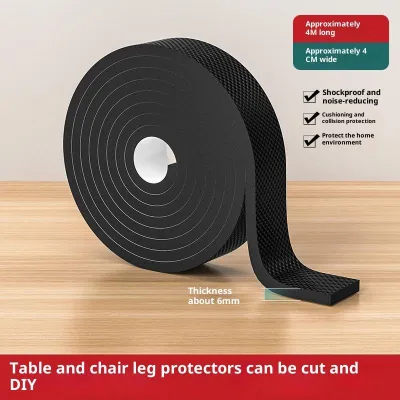
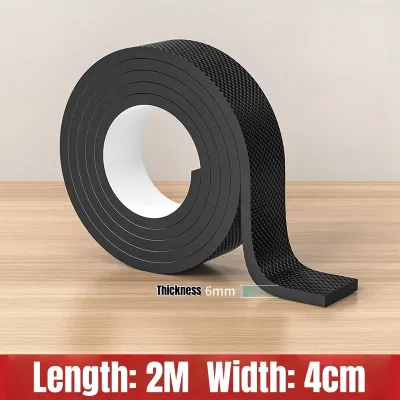
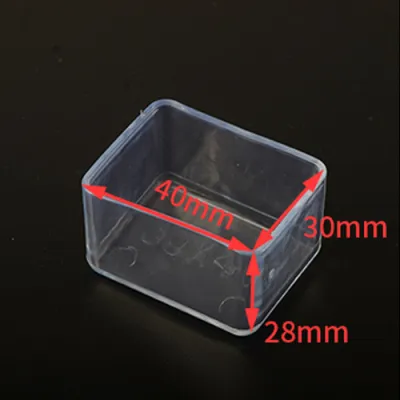
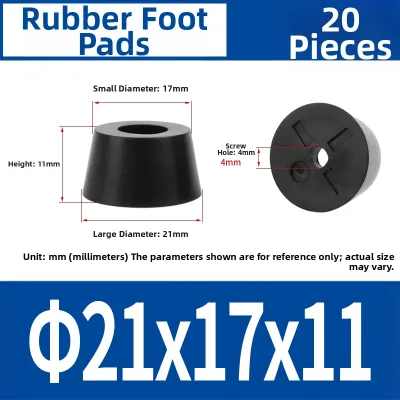
Prices are valid at publication and may change. Please refer to the product page for the latest price.
Feet caps are slip-on sleeves designed to slide directly over the bottom of cylindrical or square furniture legs. Typically made of flexible rubber or silicone with a reinforced rubber base, they provide a secure grip that stays in place during movement. They are highly effective at reducing sliding noise and preventing scratches on hard floors.
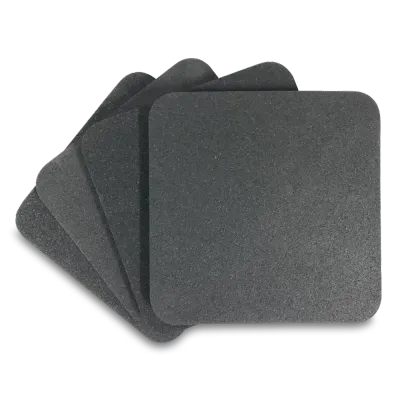
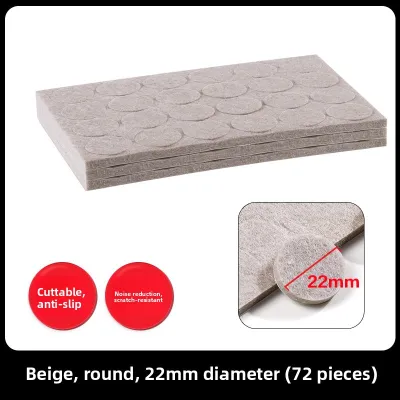
Adhesive pads are flat, peel-and-stick rubber discs or square sheets applied directly to the bottom of flat bases. They are incredibly versatile, making them ideal for irregular legs, wide furniture bases, or flat-bottomed items where a slip-on cap cannot fit.
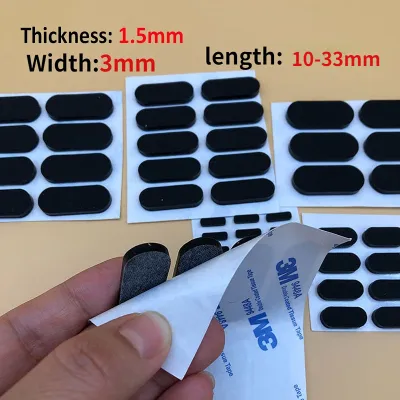
Bumpers are small, self-adhesive rubber dots, hemispheres, or squares. Rather than protecting floors, they act as cushions between two hard surfaces, such as a cabinet door and its frame. They absorb impact energy and significantly dampen slamming noises.
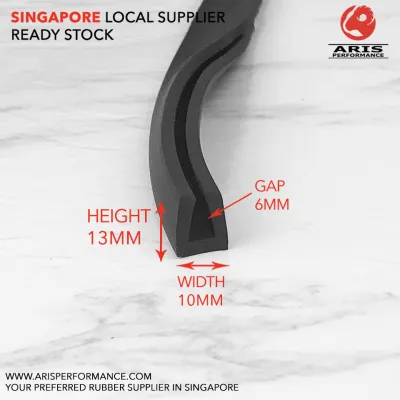
Edge guards are U-shaped or L-shaped rubber channels designed to wrap around sharp corners, glass panels, or metal frames. They protect delicate furniture edges from chipping and shield family members from painful bumps in tight spaces.
Matching Rubber Protectors to Specific Furniture Pieces
Selecting the right protector requires analyzing how a piece of furniture moves and the shape of its base. Moving furniture demands secure attachments that resist lateral friction, while stationary pieces require high load-bearing capacity.

| Furniture Type | Recommended Protector | Primary Benefit | Key Check |
|---|---|---|---|
| Chairs & Stools | Feet Caps or Heavy-Duty Pads | Prevents scratching during movement | Measure leg diameter precisely |
| Heavy Tables & Desks | Thick Adhesive Pads or Wide Caps | Distributes static load, prevents floor dents | Check weight capacity and levelness |
| Cabinets & Drawers | Small Adhesive Bumpers | Dampens slamming noise | Clean surface thoroughly before applying |
| Glass Shelves & Sharp Edges | U-Shaped Edge Guards | Prevents chipping and impact injuries | Verify edge thickness compatibility |
Before choosing a style, always inspect the shape of the furniture’s base. Round, square, and irregular legs all require different fitting strategies to ensure the protector remains centered and functional.
Chairs, Stools, and Sofas
Chairs and stools experience constant dynamic weight and frequent sliding, which puts significant stress on any floor protector. Snug-fitting feet caps are the most reliable option for standard cylindrical or square legs, as they wrap around the leg and cannot easily peel off when the chair is dragged.
For chairs with angled, tapered, or highly irregular legs, standard slip-on caps may sit unevenly or slip off entirely. In these situations, heavy-duty adhesive pads are a practical alternative. Ensure the adhesive is rated for high shear resistance to prevent the pad from sliding off the leg base over time.
Always measure the leg diameter or base dimensions carefully before buying. Check the manufacturer’s specifications for weight capacity to ensure the rubber will not split or wear through prematurely under daily use.
Tables, Desks, and Heavy Stationary Items
Heavy stationary items exert high static pressure on your flooring, which can lead to permanent indentations on soft wood, laminate, or vinyl. To prevent this, use thick, heavy-duty adhesive pads or wide feet caps that distribute the heavy load across a larger surface area.
Avoid using thin, standard bumpers or light-duty pads for heavy tables. Under substantial weight, thin rubber compresses completely, losing its cushioning effect and potentially allowing the hard furniture leg to damage the floor.
For tables positioned in high-traffic walkways, consider adding edge guards. These guards cushion sharp corners, protecting both the furniture’s finish from vacuum cleaner impacts and household members from painful corner collisions.
Cabinets, Drawers, and Doors
Daily operation of cabinets and drawers can create repetitive noise and wear down finishes. Small rubber bumpers placed on the inside corners of cabinet doors and drawer fronts act as excellent silencers, absorbing the impact of sudden closures.
For open shelving units or delicate glass cabinet frames, edge guards are highly effective. They cushion the glass edges, preventing accidental chipping when items are placed or removed.
To ensure a lasting bond, always clean and dry the application surface thoroughly before sticking on adhesive bumpers. Dust, grease, or wood polish residue will weaken the adhesive, causing the bumpers to slide off quickly.
Key Factors to Check Before Buying
To avoid purchasing the wrong size or adhesive type, keep a few practical considerations in mind before making your selection. Investing a small amount—often less than S$10 for a complete set of quality protectors—can save you thousands in floor refinishing costs.
Accurate dimensions and shape are critical. Use a caliper or tape measure to find the exact width, diameter, and angle of the furniture legs. A cap that is too loose will fall off, while one that is too tight may split during installation.
If you plan to move the furniture in the future or are protecting delicate finishes, look for high-quality, residue-free adhesives. Some aggressive adhesives can bond permanently or damage delicate wood veneers when removed.
Thicker rubber provides superior shock absorption and floor protection, but it can also alter the height of your furniture. Ensure all legs receive identical protectors to maintain perfect levelness and stability.
Singapore’s warm, highly humid tropical climate can accelerate the degradation of low-grade adhesives and cause certain rubber compounds to become sticky or brittle. Opt for high-quality synthetic rubber or silicone-based protectors designed to withstand humid indoor environments without peeling.
Installation and Maintenance Tips
Proper installation ensures longevity. Begin by preparing the surface: wipe the furniture base with a mild solvent, such as rubbing alcohol, to remove oils, wax, and dust. Allow the surface to dry completely before applying the protector.
When replacing old protectors, safely remove hardened rubber or sticky adhesive residue. Avoid using sharp metal scrapers, which can easily gouge wood or scratch metal finishes. Instead, use a plastic scraper or a soft cloth dampened with a mild adhesive remover, testing it on a hidden area first.
Perform periodic inspections of your furniture protectors. Check for signs of wear, flattening, or peeling, especially on frequently moved dining chairs. Replacing a worn protector early is far more cost-effective than repairing a deeply scratched floor.
Frequently Asked Questions (FAQ)
Can I use rubber protectors on outdoor furniture?
Standard indoor rubber protectors and their adhesives are not designed to withstand outdoor elements. Direct sunlight, rain, and high humidity will quickly degrade the rubber and break down the adhesive bond. For outdoor patios or balconies, look specifically for UV-resistant, weather-rated rubber or heavy-duty screw-in glides designed for exterior use.
Will adhesive rubber pads damage my hardwood floors?
While the rubber itself is safe for hardwood, some strong chemical adhesives can react with specific floor finishes, such as polyurethane or oil-based sealants, leaving a dull spot or sticky residue over time. To eliminate this risk on sensitive hardwood floors, consider using non-adhesive, slip-on rubber feet caps or testing adhesive pads on an inconspicuous spot first.
How do I remove old rubber bumpers that have left a sticky residue?
To clean up failed adhesive residue without damaging your furniture’s finish, apply a small amount of mild household solvent or specialized adhesive remover to a soft microfiber cloth. Gently rub the sticky area until the residue lifts. Avoid using sharp metal blades or abrasive scouring pads, as these will scratch painted, varnished, or polished wood surfaces.

Community discussion
Share your experience or ask a question. Comments are reviewed before publication.