
Finding the perfect round coffee table is more than just picking a beautiful piece of furniture; it is about creating a harmonious flow that ties your entire living room together. A round table naturally softens the sharp angles of a room, improves traffic flow in compact urban spaces, and serves as a central anchor for social gatherings. To select the style that complements your home, you must look at your existing furniture silhouettes, color palettes, and daily lifestyle habits. By aligning the table’s materials, leg structures, and finishes with your dominant interior design theme, you can transform a simple functional item into a cohesive design statement.
Assess Your Current Living Room Aesthetic
Before browsing online marketplaces or visiting local showrooms, take a step back to analyze the visual language of your current living space. The dominant color palette of your walls, flooring, and large textiles sets the baseline for any new addition. If your room features cool greys, crisp whites, and muted tones, a table with warm, dark wood might clash unless balanced by other elements. Conversely, a space filled with warm earth tones, beige upholstery, and soft lighting requires a table that echoes that organic warmth rather than introducing stark, cold surfaces.
Next, observe the silhouettes and materials of your existing anchor furniture, particularly your sofa and media console. A bulky, low-slung sectional sofa demands a coffee table with a different visual weight than a slender, leggy mid-century modern couch. Look at the legs of your chairs and TV console—are they tapered wood, square black metal, or hidden entirely? Matching or intentionally contrasting these structural details prevents your living room from looking like a mismatched collection of random pieces.
Products mentioned in this guide

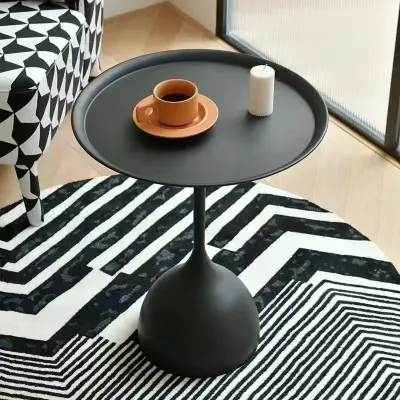

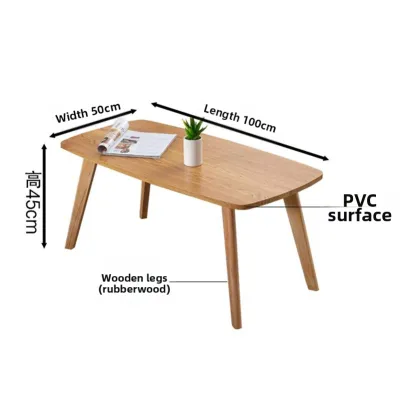
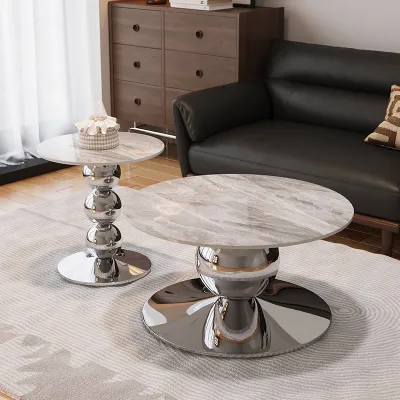
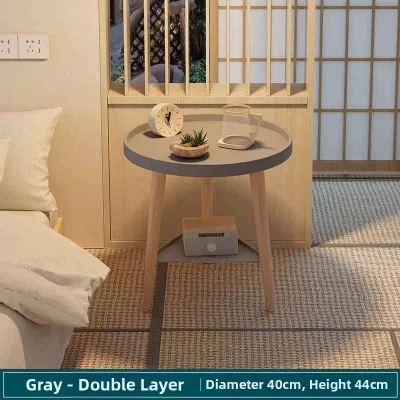
![[Pre order - Smartliving] NKAHS- Round Wooden Side Table Small Coffee Table for Living Room Sofa Corner Perfect for Flower Vase Display](https://img.lazcdn.com/g/p/163c92e7d41aa167e056372056908f36.jpg_400x400q80.jpg_.webp)
Prices are valid at publication and may change. Please refer to the product page for the latest price.
Finally, define the overall mood you want to project in your home. A minimalist apartment prioritizes open space, clean lines, and hidden storage, meaning your coffee table should remain unobtrusive and highly functional. A cozy, rustic family room benefits from textured surfaces and sturdy bases that invite daily use. By identifying whether your style leans toward raw and urban, soft and organic, or classic and retro, you establish a clear decision framework that simplifies your shopping process.
Match Round Coffee Table Styles to Your Decor
A round coffee table acts as a visual bridge, connecting disparate seating elements into a unified conversational area. The design language of a round table is defined by three primary elements: its tabletop material, its base or leg structure, and its overall profile height. By understanding how these elements interact, you can easily diagnose which table styles will elevate your existing decor rather than compete with it. Let us look at how specific design movements translate into round coffee table features.

Scandinavian and Japandi
If your living room features light-filled corners, neutral color schemes, and an emphasis on functional simplicity, your aesthetic aligns with Scandinavian or Japandi design. These styles celebrate natural materials and clean lines, aiming to create a serene, uncluttered environment. In typical urban apartments where maximizing natural light and maintaining an airy feel are crucial, these low-profile designs work exceptionally well to keep the living area looking spacious.
When selecting a round coffee table for a Scandinavian or Japandi space, prioritize light timber finishes such as oak, ash, or pale birch. Look for smooth, unadorned surfaces that showcase the natural grain of the wood rather than high-gloss synthetic laminates. The leg design should be minimalist and functional—think slender round legs, tripod bases, or a simple drum base made of vertical wooden slats. These elements maintain a light visual footprint, allowing light to pass through or around the table easily.
To ensure compatibility, verify that the table lacks heavy ornamentation, intricate carvings, or dark, bulky hardware. The beauty of Japandi and Scandinavian tables lies in their understated elegance and organic shapes. A soft, curved edge or a slightly beveled tabletop profile adds subtle sophistication without disrupting the calm, minimalist atmosphere of your room.
Industrial and Mid-Century Modern
For homes that embrace bolder design statements, rich textures, or vintage-inspired silhouettes, industrial and mid-century modern styles offer excellent options. These aesthetics rely on stronger contrasts, structural honesty, and a mix of diverse materials to create visual interest. If your living room features exposed brick, concrete screed floors, track lighting, or warm retro accents, your coffee table should reflect this expressive character.
An industrial round coffee table typically showcases raw, textured surfaces paired with sturdy metal frames. Look for tables featuring reclaimed wood tops, matte black iron legs, or distressed metal finishes that celebrate minor imperfections. The base might feature geometric metal frameworks, hairpin legs, or a heavy wheel-inspired structure. These materials bring an urban, loft-like feel to the space, grounding lighter upholstery and adding a touch of rugged sophistication.
Mid-century modern designs, on the other hand, focus on organic curves, tapered legs, and warm, medium-to-dark wood tones like walnut or teak. A classic mid-century round coffee table often features a gently flared leg profile, sometimes accented with brass caps or a secondary glass shelf underneath. You can also look for mixed-material options, such as a round glass top supported by an architectural wooden base, which keeps the room feeling open while highlighting the sculptural quality of the furniture.
Evaluate Practical Dimensions and Material Finishes
Choosing the right style is only half the battle; the table must also fit your physical space and withstand your household’s daily routines. In compact urban living rooms, precise measurements are essential to prevent the area from feeling cramped. Start by measuring the clearance between the edge of your sofa cushions and the outer edge of the round coffee table. A comfortable walkway requires a clearance of approximately 35 to 45 centimeters, allowing you to move freely without bumping your knees while keeping drinks within easy reach.
Next, evaluate the height of the table relative to your sofa’s seat cushion. Ideally, the top of your round coffee table should sit at the same height as, or slightly lower than, your sofa seat—typically between 40 and 50 centimeters from the floor. A table that is too tall disrupts the visual horizon of the room and makes reaching for items awkward, while a table that is too low can feel impractical for daily use. If you plan to use the table for casual dining or working, consider a slightly taller option or a nested set with varying heights.
Before finalizing your purchase, carefully review the material finishes and assembly requirements. If you live in a high-humidity environment, check that solid wood tables are properly sealed with a moisture-resistant finish to prevent warping or water rings from condensation. For households prone to spills, avoid unsealed, highly porous natural stones like raw marble unless you are prepared to apply regular protective sealants. Additionally, ensure the table’s base is stable and check the manufacturer’s instructions regarding load capacity and joint construction to guarantee long-term durability. Don’t forget to verify that the packaged dimensions can easily fit through your home’s doorways and lift access during delivery.
Finalize Your Selection and Placement Plan
With your aesthetic preferences and physical measurements in hand, you can now create a shortlist of round coffee tables that meet both your style and practical criteria. If you are torn between two styles, consider how they interact with your existing decor accents. A round table is highly versatile, but it needs to be anchored properly within the room layout to avoid looking like it is floating aimlessly in space.
To anchor your round coffee table, plan the placement of your textiles and secondary furniture. A large, rectangular area rug placed underneath the sofa and table provides an excellent visual frame, grounding the circular shape and defining the seating zone. You can also pair a larger round coffee table with a smaller, taller side table next to the sofa armrest to create a layered, multi-dimensional look that offers extra surface area when hosting guests.
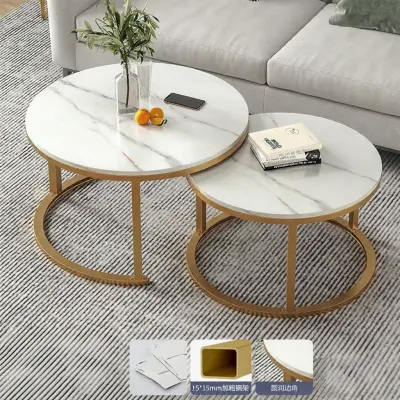
Finally, decide whether a single statement table or a nested set suits your lifestyle better. Nested round coffee tables consist of two or three tables of graduating sizes and heights that can slide partially underneath one another. This configuration offers incredible flexibility for smaller living rooms, allowing you to expand the surface area when entertaining and tuck them away to reclaim floor space afterward. A single, solid drum-style table, on the other hand, creates a strong, clean focal point that anchors a spacious room beautifully.
Frequently Asked Questions (FAQ)
Can I mix a round coffee table with rectangular sofas?
Yes, pairing a round coffee table with a rectangular sofa is an excellent design choice that creates a balanced, harmonious layout. The soft, curved edges of a circular table break up the rigid, linear lines of a standard rectangular sofa or L-shaped sectional, making the entire seating arrangement feel more inviting and less formal. Furthermore, the lack of sharp corners on a round table improves traffic flow around the tight angles of a sectional sofa, preventing painful bumps in high-traffic walkways. To maintain visual balance, aim for a table diameter that is roughly one-half to two-thirds the length of your sofa’s seating area.
How do I clean and maintain different table surfaces?
Proper maintenance depends entirely on the specific material and surface treatment of your coffee table. For sealed wooden tables, wipe spills immediately with a soft, slightly damp microfiber cloth, and always use coasters under cold or hot drinks to protect the finish from moisture rings. Glass tabletops can be kept smudge-free with a dedicated glass cleaner or a mild vinegar solution, but avoid abrasive pads that could scratch the surface. For natural stone or marble tables, use pH-neutral cleaners specifically formulated for stone, and avoid acidic substances like citrus juice or vinegar. Always consult the manufacturer’s care label and instructions before applying any new cleaning agents or polishes to your furniture.
Community discussion
Share your experience or ask a question. Comments are reviewed before publication.