
Selecting the perfect seating is more than just finding a place to sit; it is about balancing the lines, textures, and physical flow of your dining area. A round chair—characterized by its curved backrest, circular seat, or organic silhouette—offers an excellent way to soften the sharp angles of rectangular dining tables and rigid room layouts. To choose the right style for your home, you must evaluate how its form, materials, and structural design interact with your existing decor. By matching the chair’s visual weight and material finish to your design theme, you can create a harmonious dining space that feels both curated and comfortable.
Key Dimensions for Matching a Round Chair to Your Home Aesthetic
To successfully integrate a round chair into your dining room, you need to look beyond the surface design and analyze its core structural elements. Evaluating these four dimensions ensures your new seating complements your existing furniture rather than competing with it.
Silhouette and Visual Weight
The organic shape of a curved backrest or a circular seat naturally draws the eye, breaking up the linear monotony of standard walls, cabinets, and rectangular tables. However, the visual weight of the chair determines how dominant it feels in the space. A solid, fully upholstered tub chair has high visual weight, making it a powerful focal point that anchors a large room. Conversely, an open-frame wooden chair with a curved spindle back has low visual weight, allowing light and sightlines to pass through, which keeps smaller dining areas feeling open and airy.
Products mentioned in this guide
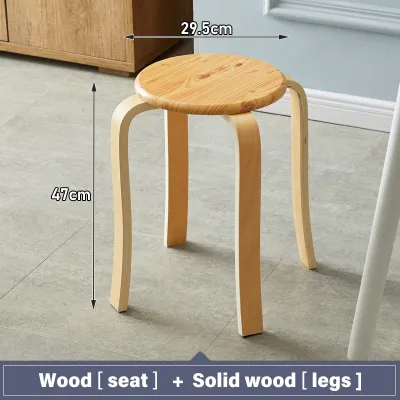
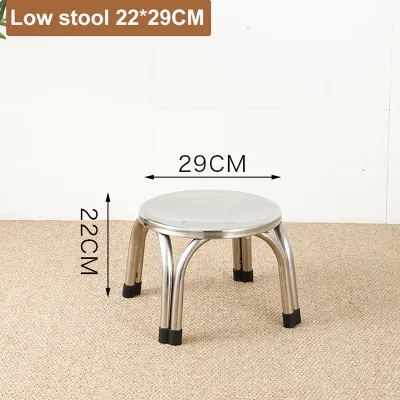
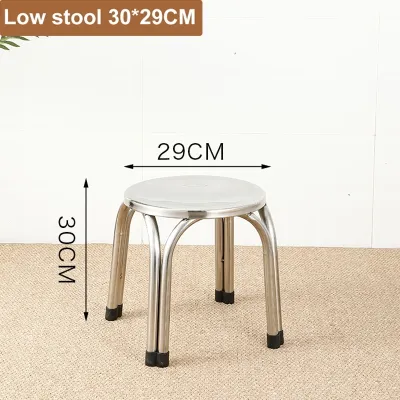
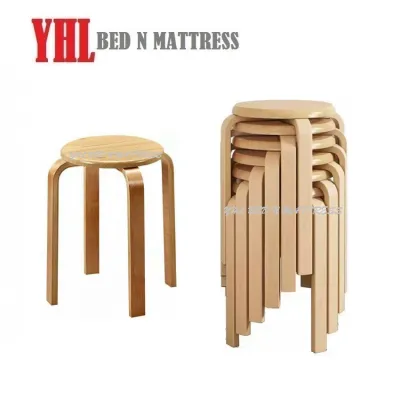
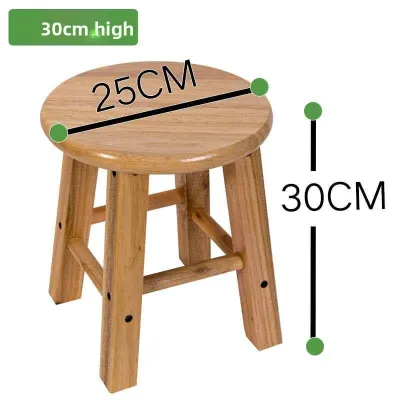
Prices are valid at publication and may change. Please refer to the product page for the latest price.
Material and Texture Contrast
Achieving balance in your dining room often relies on contrasting textures rather than matching everything perfectly. If you have a heavy, solid wood dining table, pairing it with chairs featuring matte metal frames or woven natural rattan can prevent the room from feeling overly dark or heavy. For glass or marble tables, choosing round chairs crafted from warm, textured timbers can introduce much-needed organic warmth. Always inspect how the chair’s texture interacts with both the table surface and your flooring to avoid visual clashes.
Color Palette Integration
Your approach to color determines whether your round chairs blend seamlessly into the background or stand out as bold design statements. If you prefer a calm, cohesive environment, select chairs in tones that closely match your dining table or wall color, such as oak chairs against a light wood table. For a more dynamic look, use upholstered round chairs in rich accent colors like deep forest green, navy, or mustard yellow to inject personality into an otherwise neutral room.
Leg and Base Design
The base of a round chair dictates both its style category and its physical footprint. Traditional four-legged frames offer classic stability and clean lines, while splayed legs nod to retro mid-century aesthetics. Pedestal bases or cantilevered metal frames provide a modern, sculptural look and often make it easier to slide chairs in and out without leg-clashing. Consider the leg placement of your dining table to ensure the chair legs do not crowd the space underneath.
Popular Round Dining Chair Styles and How to Use Them
Round chairs come in a wide variety of design languages. Understanding the defining features of each style allows you to select a design that elevates your specific home environment.

Scandinavian and Minimalist Designs
Scandinavian round chairs prioritize functional simplicity, clean lines, and natural materials. These designs frequently feature molded plywood seats, light-toned timber frames like oak or ash, and gently curved backrests that support the body without unnecessary bulk. The aesthetic is light, airy, and deeply rooted in organic minimalism, avoiding any ornate carvings or heavy embellishments.
This style is highly recommended for bright, sunlit dining spaces, compact apartments, and homes that embrace a clean, uncluttered lifestyle. The slim profiles of minimalist chairs make them exceptionally suited for smaller dining nooks where maximizing floor space and maintaining open sightlines are essential.
Before purchasing, verify the type of wood finish used; a protective matte polyurethane coat is ideal for defending light woods against food spills and daily wear. Additionally, sit in the chair or review its ergonomic specifications to ensure the minimalist frame provides sufficient lumbar support, as some highly simplified backrests can sacrifice comfort for form.
Mid-Century Modern Silhouettes
Mid-century modern round chairs are celebrated for their organic curves, tapered legs, and warm wood tones. This style often showcases iconic bucket-style seats, splayed wooden legs, and rich veneers such as walnut, teak, or medium oak. It represents a perfect marriage of retro charm and ergonomic engineering, focusing on shapes that naturally cradle the human body.
These chairs work beautifully in eclectic dining spaces, warm-toned rooms, and homes that blend vintage furniture with contemporary layouts. They pair exceptionally well with round or oval wooden dining tables, reinforcing the organic design language of the mid-20th century and creating a welcoming, nostalgic atmosphere.
When evaluating mid-century models, carefully inspect the joinery quality where the curved backrest meets the rear legs, as these stress points undergo significant pressure. Furthermore, confirm with the retailer that the wood surfaces are properly sealed with a water-resistant finish suitable for daily dining use.
Industrial and Raw Material Styles
Industrial round chairs embrace a rugged, utilitarian aesthetic, highlighting raw materials and structural honesty. Common design traits include blackened steel or iron frames, distressed leather upholstery, and solid wood seats with prominent grain patterns and visible hardware. The look is defined by a striking contrast between cold, rigid metal and warm, textured natural elements.
This style is ideal for open-plan loft apartments, homes with exposed brick or concrete walls, and darker, moodier dining spaces. The robust nature of industrial chairs brings a grounded, masculine edge to the dining area, making them highly durable options for active households.
Because industrial chairs heavily feature metal components, always check that the legs are fitted with durable, non-marking protective floor glides to prevent scratching your tiles or timber floors. Additionally, verify if the raw leather or distressed wood elements require specialized conditioning oils to maintain their appearance over time.
Contemporary and Upholstered Elegance
Contemporary round chairs focus on luxury, comfort, and bold artistic statements. These designs typically feature fully upholstered round seats wrapped in plush velvet, textured bouclé, or high-performance fabrics, often supported by sleek metallic bases in brushed gold, chrome, or matte black. They prioritize soft, sweeping curves that create a sense of shelter and indulgence.
This style is best suited for formal dining rooms, upscale condominiums, and design schemes that prioritize high-end visual impact and long, comfortable dinner parties. The soft, padded surfaces invite guests to linger around the table long after the meal has ended.
When opting for fully upholstered designs, review the fabric’s durability specifications. Check the Wyzenbeek or Martindale rub count—aiming for a rating of 15,000 to 20,000 rubs or higher for residential dining use—and verify if the textile has been treated with stain-resistant coatings to simplify cleanup.
Comparing Round Chair Styles for Different Dining Spaces
To help you narrow down your choices, it is helpful to compare how these design styles perform across key practical and aesthetic categories. Each style presents distinct trade-offs between comfort, maintenance, and visual presence.
| Design Style | Best Suited For | Maintenance Level | Visual Weight |
|---|---|---|---|
| Scandinavian | Compact apartments, bright spaces | Low (wipe-clean wood surfaces) | Light and airy |
| Mid-Century | Warm-toned rooms, vintage decors | Low to Medium (requires wood sealing) | Medium |
| Industrial | Open-plan lofts, high-traffic homes | Low (durable metal and treated wood) | Medium to Heavy |
| Contemporary | Formal dining rooms, luxury spaces | Medium to High (requires fabric care) | Heavy and plush |
Using this table, you can align your aesthetic preferences with your household’s lifestyle. For instance, if you have young children or pets, a Scandinavian or industrial chair with low-maintenance, wipe-clean surfaces may be far more practical than a contemporary velvet-upholstered model, despite the latter’s luxurious appeal. Balancing these daily realities against your design goals ensures long-term satisfaction with your purchase.
Practical Buying and Space Checks Before You Order
Before finalizing your order for a new set of round chairs, you must perform several spatial and environmental checks to ensure they fit your home perfectly and withstand local living conditions.
Clearance and Proportions
Measure the distance between the widest point of the round chair’s frame—often the curved armrests or the flare of the legs—and your dining table’s apron. You need a minimum of 25 to 30 centimeters of clearance between the seat and the underside of the table for comfortable legroom. Additionally, ensure the chairs can be pushed fully under the table when not in use to maintain clear walkways around your dining zone.
Delivery and Access
In Singapore, where high-rise living in HDB flats and condominiums is the norm, transport logistics are a critical consideration. Before ordering bulky, fully assembled round chairs, measure your building’s elevator door width, interior height, and weight capacity. You should also check your apartment’s front doorway and any tight corridor turns to guarantee the delivery team can safely maneuver the furniture into your home.
Climate and Material Care
Singapore’s tropical climate brings high humidity levels that can affect furniture materials. When purchasing natural wood or rattan round chairs, check the manufacturer’s care instructions to ensure the materials are treated to resist moisture and warping. For upholstered chairs, look for breathable fabrics or synthetic blends that resist mildew and do not trap heat, ensuring comfortable seating throughout the year.
Retailer Verification
Always review the retailer’s terms of service before completing your purchase from online furniture stores or physical showrooms. Confirm the duration and coverage of the product warranty, particularly regarding frame stability and joint construction. Additionally, clarify whether the chairs arrive fully assembled or require DIY setup, and check the return policy in case the physical chairs do not match your expectations or table height.
Frequently Asked Questions (FAQ)
Can I mix different round chair styles at one dining table?
Yes, mixing different round chair styles can create a highly personalized, curated look, provided you follow a few basic design rules to prevent visual chaos. The most effective way to unify mismatched chairs is through a shared element, such as choosing different shapes that all feature the same black metal legs, or selecting various styles made from the exact same tone of oak. Alternatively, you can use a structured pairing approach: place two matching, fully upholstered round chairs at the heads of the table to act as statement anchors, and use simpler, matching wooden round chairs along the sides. Whichever method you choose, always verify that the seat heights across all models are within one to two centimeters of each other to ensure all your guests sit at a comfortable, uniform height.
Community discussion
Share your experience or ask a question. Comments are reviewed before publication.