
Finding the perfect balance between style and utility in a living room often comes down to the smallest accessories. A sofa armrest tray is an exceptionally practical addition, especially in Singapore homes where space-saving solutions are highly valued. By converting a standard sofa arm into a stable surface for holding iced drinks, remote controls, phones, or evening snacks, these accessories eliminate the need for bulky side tables that crowd narrow walkways. However, choosing the wrong tray can quickly lead to costly consequences, such as scratched leather, stained upholstery, or spilled drinks.
To select a tray that performs reliably without damaging your furniture, you must evaluate three primary factors: armrest shape compatibility, weight capacity limits, and the attachment mechanism. A tray that fits securely on a wide, flat fabric armrest will likely slip off a narrow, rounded leather arm. Furthermore, the wrong clamping pressure can permanently crush your sofa’s internal foam padding or scrape away delicate surface finishes. By understanding how your specific sofa type interacts with different tray designs, you can make an informed purchase that protects your investment.
Matching the Tray to Your Sofa Type and Upholstery
Your sofa’s upholstery and structural design dictate the type of armrest tray you should use. Different materials react uniquely to pressure, friction, and moisture, making material compatibility a primary consideration.
Products mentioned in this guide
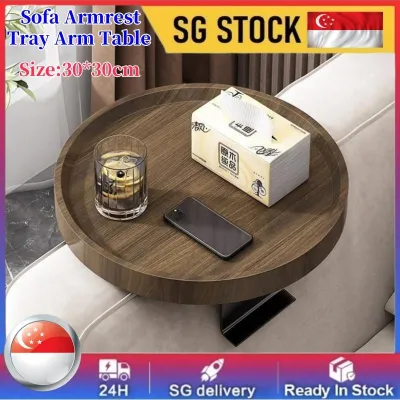
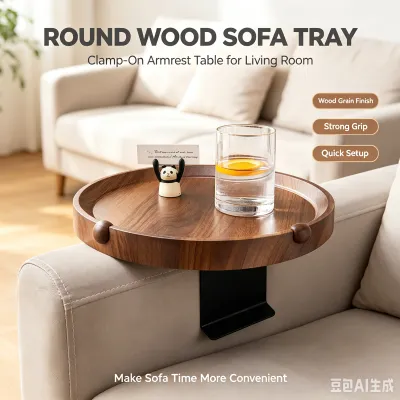
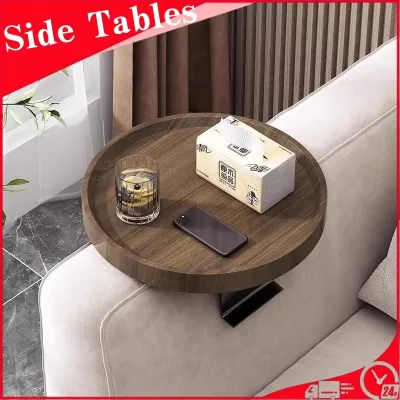

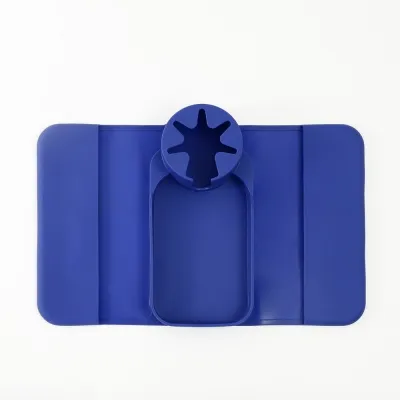
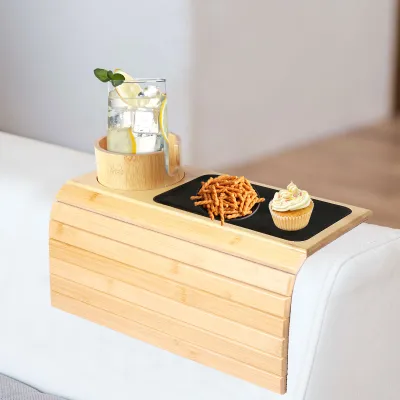
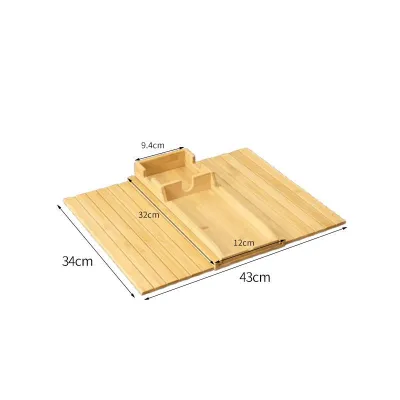
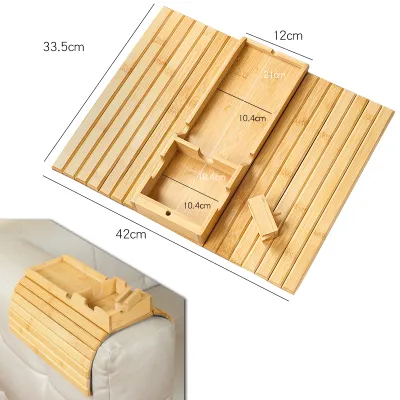
Prices are valid at publication and may change. Please refer to the product page for the latest price.
Leather and Faux Leather Sofas
Leather and faux leather (such as polyurethane or PVC) are highly prized for their sleek appearance and durability, but they are exceptionally sensitive to friction and concentrated pressure. Rigid trays made of hard plastic, bare wood, or metal can easily scratch, gouge, or scuff the smooth topcoat of leather. Over time, the constant shifting of an unpadded tray can wear away the color or cause faux leather to peel prematurely.
When shopping for a tray to use on a leather surface, prioritize designs that feature soft, non-scratch backing. Look for comprehensive padding made of high-density felt, soft foam, or smooth, medical-grade silicone on all contact points and clamping mechanisms. These soft barrier materials distribute weight evenly and prevent the tray from sliding around on the naturally slick leather surface. Avoid any spring-loaded metal clamps that do not have thick rubber or felt protective caps, as the raw clamping force can leave permanent deep indentations in the leather and the underlying foam.
Fabric and Upholstered Sofas
Upholstered sofas made of cotton, linen, polyester, or textured blends offer natural friction that helps hold armrest trays in place. However, fabric surfaces present a different set of challenges, particularly regarding cleanliness and wear. Spills, crumbs, and condensation from cold drinks can quickly seep into fabric fibers, leading to deep-set stains, unpleasant odors, and mold growth in Singapore’s humid climate.
To protect fabric upholstery, choose trays designed with raised outer lips, deep spill-proof edges, or integrated, removable silicone coasters that trap liquid. If you enjoy cold beverages, a tray with a dedicated recessed cup holder is essential to prevent condensation from dripping directly onto the armrest. Additionally, consider your fabric’s weave before choosing a clamp-on tray. Tight, flat-weave performance fabrics can withstand the pressure of spring-loaded clamps, but loose, delicate, or highly textured weaves—such as bouclé, chenille, or jacquard—can easily snag, pull, or fray under heavy clamping mechanisms.
Recliners and Modular Sectionals
Recliners and modular sectionals introduce dynamic movement and unique spatial constraints that standard stationary sofas do not have. On a recliner, the armrest often tilts or shifts as the footrest extends, meaning a rigid, heavy tray can easily slide off during transition. Furthermore, many modern recliners feature control buttons, USB charging ports, or manual pull-levers built directly into the inner or outer sides of the armrest, which a deep-hanging tray clamp might obstruct.
For modular sectionals, armrests are sometimes shared between two seating sections or positioned close to adjacent walls. If you plan to reconfigure your sectional frequently, a bulky, permanently clamped tray can make moving the modules difficult. For these versatile sofa types, flexible wrap-around trays or lightweight, easily removable weighted models are highly recommended. These designs adapt to the changing angles of a reclining armrest and can be lifted off in seconds when you need to access hidden controls or adjust your seating layout.
How to Measure Your Armrest for a Secure, Damage-Free Fit
Before browsing online marketplaces, taking precise physical measurements of your sofa’s armrest is the most effective way to prevent a mismatched purchase. Do not rely on visual estimates, as even a half-inch discrepancy can make a tray unstable.

First, use a flexible tape measure to determine the width of your armrest. Measure the width at three distinct points: the absolute widest part of the top surface, the midpoint of the arm’s height, and the base where the armrest meets the main frame or seat cushion. If your sofa has a tapered design, write down both the maximum and minimum widths. This ensures that any clamp or wrap-around strap you choose has a compatible opening range.
Next, identify the profile shape of your armrest. Sofa arms generally fall into three categories:
- Flat-topped: These have a level, blocky surface that easily supports rigid, flat-bottomed trays.
- Rounded or Domed: These curve gently from side to side, requiring flexible, articulated wooden slat trays or weighted silicone wraps that drape naturally over the curve.
- Sloped or Tracked: These tilt downward toward the front or back, meaning you will need a tray with highly adjustable leveling feet or a high-friction grip backing to keep items from sliding forward.
After establishing the width and shape, check the vertical clearance on the inner side of the armrest. Measure the distance from the top of the armrest down to the surface of the seat cushion. When a person sits on the sofa, the cushion compresses downward, which can cause their leg to press against the inner lip or clamp of an armrest tray. Ensure that any hanging clamps or side pockets do not extend so far down that they pinch the cushion or restrict legroom.
Finally, perform a mechanical clearance check. Measure the distance from the intended tray placement site to any built-in features, such as reclining levers, cup holders, or console hinges. Make sure the tray’s footprint leaves at least a two-inch buffer zone around these components so you can operate your sofa’s built-in features without interference.
Comparing Attachment Mechanisms for Different Armrest Shapes
The way a tray attaches to your sofa determines its overall stability, weight capacity, and safety. Understanding the mechanics of each style allows you to select the best fit for your household’s daily activities.
Clip-on and Clamp Styles
Clip-on trays utilize spring-loaded legs or adjustable screw clamps to grip the sides of the armrest. This mechanism provides excellent stability, making it highly suitable for holding heavier items like ceramic mugs, tablets, or small plates.
- Pros: Exceptionally secure; highly resistant to being bumped by pets or children; keeps the tray surface perfectly level on sturdy arms.
- Cons: Can apply concentrated, high-pressure points that compress internal foam padding; risks scratching wood or tearing delicate leather if unpadded.
- Ideal Use Case: Best for flat, sturdy, and relatively thin armrests (typically between 4 to 8 inches wide) upholstered in durable, tight-weave fabrics.
- Verification Check: Always check the manufacturer's specified maximum clamp depth and throat size. If your sofa armrest is exceptionally thick or plush, the clamp may fail to close fully, rendering the tray useless.
Strap and Wrap-around Styles
Strap or wrap-around trays consist of articulated slats (often made of wood or bamboo) connected by a flexible backing, or a single piece of molded silicone that drapes over the armrest.
- Pros: Highly versatile; naturally conforms to rounded, domed, or unusually shaped armrests; low profile and aesthetically pleasing.
- Cons: Less rigid than clamped models; can slide on slippery leather surfaces if not backed with high-friction material.
- Ideal Use Case: Perfect for rounded or wide, plush armrests where rigid clamps cannot find a secure purchase.
- Verification Check: Inspect the backing material. Ensure the underside is lined with a non-slip, non-transferable silicone or felt layer that will not discolor light-colored fabric or leave oily residue on leather over time.
Weighted and Non-slip Base Styles
These trays do not use active clamping forces or straps; instead, they rely on heavy internal weights (often steel beads or iron plates) sewn into hanging side flaps, combined with high-friction bottom surfaces to stay in place.
- Pros: Zero risk of crushing foam or scratching surfaces; incredibly easy to install and remove; leaves no compression marks.
- Cons: Lower overall weight capacity; can be knocked loose by sudden, heavy impacts; requires a relatively wide surface to balance properly.
- Ideal Use Case: Best for wide, flat armrests in quiet households without active pets or small children.
- Verification Check: Confirm that the weighted flaps are heavy enough to counterbalance the items you plan to place on the tray. A lightweight "non-slip" tray without sufficient ballast will slide off easily when holding a full cup.
Slipcover and Drape Pocket Styles
Constructed from heavy fabric, felt, or canvas, these organizers drape over the armrest like a saddle, featuring flat top boards paired with hanging pockets on one or both sides.
- Pros: Excellent multi-functional storage for remote controls, reading glasses, and tablets; soft construction is completely safe for all upholstery types.
- Cons: Lacks structural rigidity; highly prone to tilting if weight is distributed unevenly; unsafe for hot liquids or open drinks.
- Ideal Use Case: Designed primarily for organizing lightweight, dry living room essentials on any armrest shape.
- Verification Check: Look for models that feature a rigid, reinforced insert or a removable wooden board on the top surface to provide a flat, stable platform for closed water bottles or small snacks.
Choosing Tray Materials and Maintaining Your Sofa's Condition
Selecting the right material for your replacement tray involves balancing aesthetic preferences with practical maintenance. Because this accessory sits directly on your furniture, its material composition directly impacts the lifespan of your sofa’s upholstery.
Material Comparison
- Bamboo and Natural Wood: These materials offer a warm, premium aesthetic that coordinates beautifully with Scandinavian, Japandi, or modern tropical interior designs. They are naturally sturdy and provide excellent structural support. However, raw or poorly finished wood is highly susceptible to moisture damage, warping, and mold in Singapore's humid climate. Always verify that a wooden tray has been treated with a food-safe, water-resistant polyurethane sealant to prevent water rings from cold drink condensation.
- Flexible Silicone: Silicone is highly durable, waterproof, and naturally slip-resistant. It is incredibly easy to clean—simply wipe it down with a damp cloth or wash it in the sink. While it may lack the formal elegance of natural wood, its ability to wrap tightly around curved surfaces and contain liquid spills makes it an incredibly practical choice for busy family homes.
- Hard Plastics and Acrylics: Lightweight and highly affordable, plastic trays are easy to sanitize and come in a wide variety of colors. However, low-grade plastics can look cheap, scratch easily, and become brittle over time when exposed to direct sunlight near living room windows. If choosing acrylic, look for thick, shatter-resistant panels with polished edges to avoid snagging your clothing or sofa fabric.
Long-Term Sofa Maintenance
To keep both your new tray and your sofa in pristine condition, establish a simple maintenance routine. Never leave an armrest tray clamped or draped in the exact same position for months at a time. The continuous pressure can cause “compression set” in the sofa’s internal polyurethane foam, leaving permanent, unsightly hollows. Slightly shift the position of the tray by an inch or two every few weeks to allow the foam padding beneath to recover its natural shape.
Additionally, lift the tray at least once a week to clean the underlying upholstery. Dust, food crumbs, and ambient moisture can easily become trapped beneath the tray’s base. On fabric sofas, this trapped debris acts like sandpaper under minor movements, grinding down the fabric fibers and causing premature pilling or thinning. On leather sofas, trapped sweat or condensation can break down the leather’s protective topcoat, leading to cracking. Vacuum the armrest thoroughly and wipe down the underside of the tray before replacing it.
Always consult your sofa manufacturer’s care instructions before applying any protective pads or using high-grip silicone accessories, as certain sensitive leather finishes can react to synthetic rubbers. If you notice any slight discoloration or indentation forming, discontinue use immediately and consult a professional upholstery specialist.
Frequently Asked Questions (FAQ)
Can I use a rigid armrest tray on a rounded or sloped sofa arm?
No, using a completely rigid, flat-bottomed clip-on tray on a rounded or sloped armrest is highly discouraged. Because a rigid base cannot sit flush against a curved surface, the tray will only make contact at a few narrow points. This concentration of force makes the tray highly unstable, causing it to wobble, tilt, or slide off when loaded with items.
Furthermore, the uneven pressure can cause severe, localized indentation marks on leather or crush the foam padding unevenly on fabric sofas. For rounded or sloped armrests, always choose flexible wrap-around slat designs or weighted silicone trays that naturally drape over and conform to the specific contours of your furniture.
Will a clip-on armrest tray void my sofa's warranty?
It is highly recommended that you review your furniture manufacturer’s specific warranty terms before installing any clamp-on accessories. Many furniture warranties explicitly exclude coverage for cosmetic or structural damage caused by third-party modifications, aftermarket accessories, or improper use.
If a spring-loaded clamp tears your leather, snags a delicate fabric weave, or permanently deforms the armrest’s internal foam structure, the manufacturer will likely classify this as accidental or user-inflicted damage. To minimize this risk, opt for non-invasive, weighted, or flexible drape-style trays that do not exert active mechanical clamping pressure on your sofa’s frame and padding.
Community discussion
Share your experience or ask a question. Comments are reviewed before publication.