
Quick Diagnostic: Matching Firmness to Your Profile
Finding the right pocket spring mattress firmness is a balancing act between your body weight and your preferred sleeping position. The suitable mattress must support your spine in a neutral position while cushioning your body’s pressure points. If a mattress is too soft, your hips will sink, causing lower back strain. If it is too firm, your shoulders and hips will bear the brunt of your weight, leading to morning aches and poor circulation.
As a general rule, heavier individuals require firmer support to prevent excessive sinking and maintain alignment. Conversely, lighter individuals need a softer surface that contours easily under less weight, preventing painful pressure points.
When shopping, it is crucial to separate the subjective “feel” of the mattress from its structural “support.” The comfort layers on top provide the initial cushioning, while the pocket spring core underneath delivers the deep structural support. Balancing these two elements ensures you get both comfort and proper spinal alignment throughout the night.
Products mentioned in this guide
![[Bulky] DREAMAX Equinox Rest 8 Inch Comfort Pocket Spring Mattress / 20cm / Bed (SG) / sd](https://img.lazcdn.com/g/p/c25e074503162de8fade85f5c4b33c8d.jpg_400x400q80.jpg_.webp)
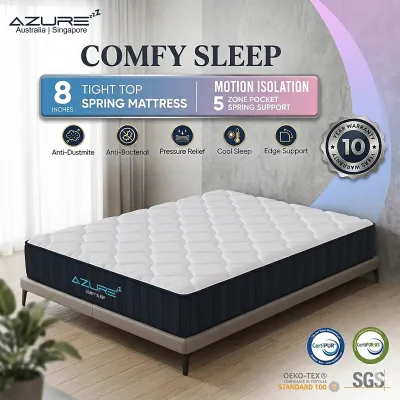
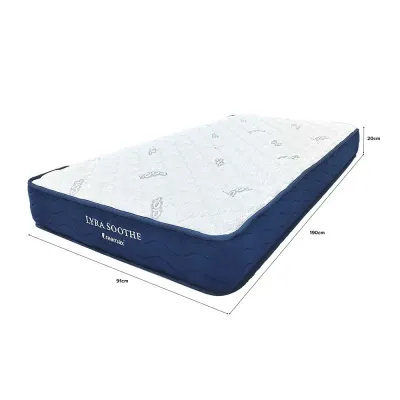
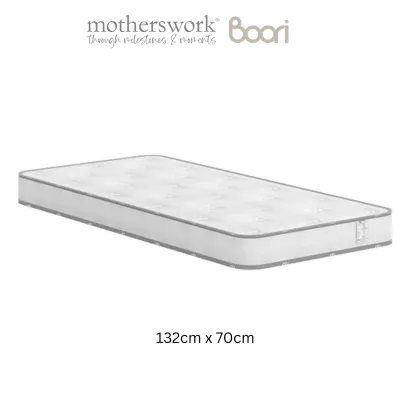
![[SG] NEXT DAY DELIVERY + FREE PILLOWS. Pocket Spring FIRM Mattress Luxury Memory Foam Single Super Single Queen King High Quality. Euro Design and High Quality. Comes in King Size Queen Super Single and Single Size Mattress. Free & Fast Delivery](https://img.lazcdn.com/g/p/7a1606edfe626e0213b6a523e1ea3b1b.jpg_400x400q80.jpg_.webp)
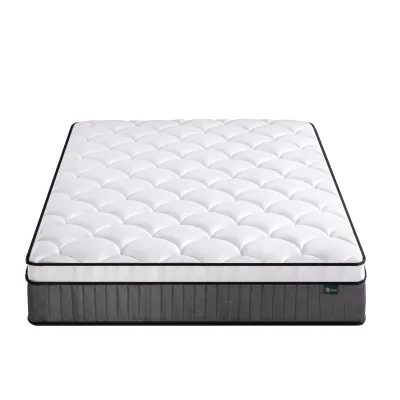
Prices are valid at publication and may change. Please refer to the product page for the latest price.
Understanding Firmness vs. Support in Pocket Springs
A pocket spring mattress consists of hundreds or thousands of individual fabric-encased coils. Unlike traditional open-coil systems where springs are wired together, pocket springs compress independently. This independent movement allows the mattress to contour precisely to your body’s unique shape, isolating motion so that a partner’s movements do not disturb your sleep.

However, the overall feel of the mattress is not determined by the springs alone. The underlying spring tension provides the structural support, while the top upholstery layers—such as memory foam, latex, or fiber pillow-tops—determine the surface firmness. A mattress can have a highly supportive, firm pocket spring core but still feel plush and soft on the surface due to thick comfort layers.
Assuming all pocket spring mattresses feel identical is a common mistake. Varying the thickness, density, and material of the comfort layers drastically alters the perceived firmness. When evaluating a mattress, you must consider both the spring tension and the comfort layers to find the right combination for your body.
Step 1: Assess Your Body Weight and Build
Your body weight is the primary force acting upon the mattress springs, making it the first critical factor in your decision. To simplify the selection process, sleepers generally fall into three broad weight categories: lighter (under 60 kg), average (60 kg to 90 kg), and heavier (over 90 kg). These categories help determine how much pressure you will exert on the mattress.
Lighter individuals often struggle with mattresses that are rated as firm. Because they do not exert enough downward force to compress firm pocket springs, they end up resting on top of the mattress. This lack of compression can cause uncomfortable pressure points at the shoulders and hips, leading to tossing and turning. For these sleepers, a soft to medium mattress allows the comfort layers and springs to contour properly.
Average-weight sleepers typically find the most balance on a medium or medium-firm mattress. This range offers enough resistance to keep the spine aligned while providing sufficient cushioning for comfort.
Heavier individuals require a firmer spring tension to prevent them from bottoming out. Without adequate resistance, their heavier midsection will sink too deeply into the mattress, throwing the spine out of alignment. A firm or extra-firm pocket spring core provides the necessary upward resistance, ensuring the mattress remains supportive over years of use.
Step 2: Identify Your Primary Sleeping Position
Your dominant sleeping posture dictates where your body requires pressure relief and where it needs firm support. Each position interacts differently with the mattress surface, making it essential to match your posture with the correct firmness level.
Side sleepers require a mattress that offers significant contouring. When you sleep on your side, your shoulders and hips protrude deeply into the mattress. If the surface is too firm, these areas will experience high pressure, leading to numbness and joint pain. A soft to medium pocket spring mattress allows these prominent points to sink in just enough to keep the spine straight.
Back sleepers need a balanced surface that supports the natural curve of the lumbar region. If the mattress is too soft, the pelvis sinks too deep, flattening the lower back. A medium to medium-firm mattress typically provides a balanced blend of support and contouring for back sleepers.
Stomach sleepers face the greatest risk of spinal misalignment. If the mattress is too soft, your hips will sink deeply, hyperextending the lower spine and causing chronic lower back pain. To prevent this, stomach sleepers require a firm surface that keeps the pelvis level with the rest of the body.
Combination sleepers, who change positions throughout the night, benefit most from a responsive, medium feel. A medium pocket spring mattress offers enough bounce to make turning over effortless, preventing that “stuck” feeling while still accommodating different postures.
Step 3: Combine Your Profile to Select the Right Firmness
To find your suitable mattress, you must cross-reference your body weight with your primary sleeping position. This combined profile helps you navigate the complex options available in showrooms and online stores.
For example, a heavier side sleeper presents a unique challenge. They need deep contouring for their shoulders and hips, but they also require robust support to prevent their midsection from sinking too deep. A practical solution is a mattress with a firm pocket spring core for structural integrity, paired with a thick, plush comfort layer on top to relieve pressure.
Conversely, a lightweight stomach sleeper needs a flat, stable surface to keep their spine aligned, but a standard firm mattress might feel like sleeping on a wooden plank. For this profile, a medium-firm mattress with a thin, responsive comfort layer provides the necessary spinal support without feeling excessively hard on their lighter frame.
When these factors conflict, prioritize objective spinal alignment over subjective preferences for a “cloud-like” feel. A mattress might feel incredibly cozy for the first ten minutes, but if it does not keep your spine neutral, you will wake up with aches and stiffness. Focus on how your spine feels, ensuring your head, shoulders, hips, and knees are in a straight, natural line.
How to Test and Verify Your Mattress Choice
Before finalizing your purchase, it is essential to validate your firmness selection through hands-on testing and careful policy checks. Relying solely on online descriptions can lead to buyer’s remorse, as firmness ratings are not standardized across different brands.
When testing mattresses in-store, spend at least 10 to 15 minutes lying on each model in your natural sleeping position. Wear comfortable, loose clothing that allows you to move naturally. Do not hesitate to close your eyes and focus on how your lower back and shoulders feel. If you feel a gap under your lower back or excessive pressure on your shoulders, the firmness is not right for you.
Always review the retailer’s sleep trial policy and return conditions before committing to a purchase. A proper sleep trial should last at least 30 to 100 nights, giving your body ample time to adjust. Keep in mind that most manufacturers require a mandatory break-in period of two to four weeks before you can initiate a return or exchange, as new pocket springs and foams need time to soften and settle.
For couples with different body types or sleep positions, finding a single mattress can be challenging. In these scenarios, consider exploring dual-tension pocket spring mattresses, which feature different firmness levels on each side of the bed. Alternatively, settling on a versatile medium-firm profile often serves as an excellent compromise, as it accommodates the widest range of body types and sleeping styles.
Frequently Asked Questions (FAQ)
Can I change the firmness of my pocket spring mattress later?
The internal spring tension and core support structure of a pocket spring mattress are set during manufacturing and cannot be modified after purchase. If you find your mattress is slightly too firm or too soft after the trial period, you cannot alter the coils inside.
However, you can adjust the surface feel by using a high-quality mattress topper. A plush memory foam or latex topper can soften a mattress that feels too hard, while a firm, high-density foam topper can add a layer of stable support to a bed that feels too soft.
Does a firmer pocket spring mattress always last longer?
A common misconception is that firmer mattresses are inherently more durable than softer ones. In reality, the lifespan of a pocket spring mattress depends on the quality of the materials, including the spring wire gauge, coil count, and the density of the comfort layers, rather than the initial firmness level.
While softer comfort layers may show visible body impressions sooner due to the compression of plush foams, the underlying pocket spring core can remain highly supportive. To maximize durability, focus on high-quality construction materials rather than simply choosing the firmest option available.
Community discussion
Share your experience or ask a question. Comments are reviewed before publication.