
The ideal thickness of a plastic sheet for furniture protection depends on the surface material and how the furniture is used. For heavy-use areas like dining tables and desks, a thicker, more rigid sheet is necessary to absorb impacts and prevent dents. For delicate glass or decorative wood surfaces, a moderately thick, highly clear sheet paired with protective spacers prevents scratches without trapping moisture or distorting the underlying design.
Selecting the right thickness involves balancing physical protection with practical usability. A sheet that is too thin may bunch up or fail to stop sharp objects, while an excessively thick sheet can be heavy, difficult to trim, and awkward at the edges. Evaluating your specific furniture type and daily habits will help you find the optimal balance.
Diagnosing Your Furniture's Vulnerability and Protection Needs
Before choosing a plastic sheet, evaluate the specific material of your furniture surface. Solid wood, wood veneer, glass, and laminate each react differently to pressure, moisture, and heat. Reviewing the manufacturer’s care instructions can reveal whether your furniture has a sensitive finish, such as a soft lacquer or oil, that requires breathing room or is prone to chemical reactions.
Products mentioned in this guide
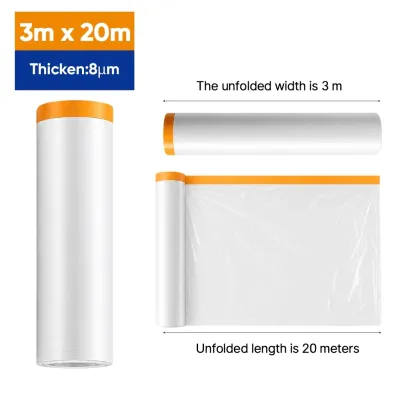
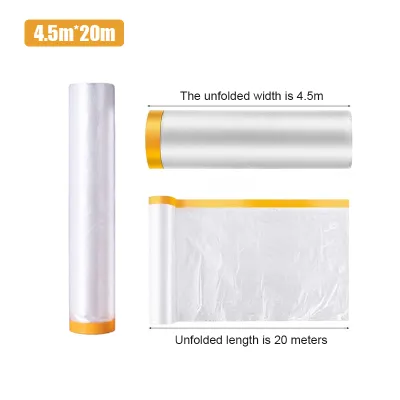
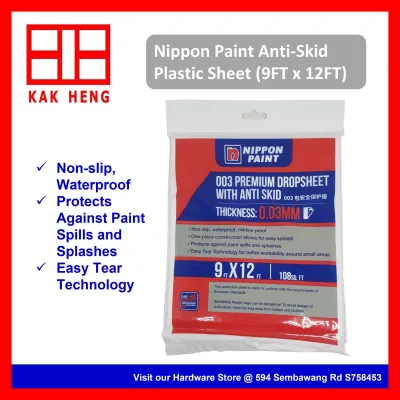
Prices are valid at publication and may change. Please refer to the product page for the latest price.
Assess the daily activities that occur on the surface. A dining table experiences frequent spills, warm plates, and sliding tableware, whereas a home office desk in Singapore might face heavy laptops, writing pressure, and constant forearm friction. Understanding these patterns helps identify whether you need a barrier primarily for liquid spills or a heavy-duty shield against physical impacts.
Determine the primary threat your furniture faces. If the main concern is light dust and occasional water spills, a thin, flexible cover is often sufficient. However, if the surface is vulnerable to deep scratches from keys, heavy static loads from equipment, or minor impacts, you will need a thicker sheet with enough structural rigidity to distribute weight and absorb force.
Matching Plastic Sheet Thickness to Furniture Types
Plastic sheet thickness is typically measured in millimeters or mils, and understanding these specifications is key to making an informed purchase. Thicker sheets provide increased impact resistance and remain flat under their own weight, but they are heavier, less flexible, and much harder to cut to size at home. They are well suited for flat, high-traffic surfaces where maximum protection is required.

Thinner sheets offer basic spill protection and conform easily to curved edges or drop-leaf tables. However, they lack the structural integrity to resist heavy scratches or prevent heavy objects from denting the wood underneath. They can also warp or wrinkle more easily over time when exposed to friction or mild temperature changes.
When shopping, verify the exact thickness on the product label rather than relying on vague marketing terms like “heavy-duty” or “extra-thick.” Check the manufacturer’s specifications for load-bearing claims and flexibility limits to ensure the sheet matches your intended application.
Heavy-Use Surfaces Like Dining Tables and Office Desks
High-traffic surfaces require a plastic sheet with significant structural rigidity. On a dining table or office desk, a thicker sheet prevents the protector from warping, sliding, or denting under the weight of laptops, heavy ceramic dishes, or writing instruments. This thickness ensures the protector remains flat and functional during daily activities.
It is important to check if the sheet is resistant to permanent creasing, especially if it is shipped rolled up. A thick, high-quality sheet should relax and lie completely flat after a short period. Additionally, ensure the thickness of the protector does not interfere with the operation of desk drawers, keyboard trays, or table extension mechanisms.
Consider the physical dimensions of your space when adding a thick protector. A very thick sheet can slightly alter the height of the table, which might affect how comfortably your chairs tuck underneath. Measure the clearance of your chair armrests and the available space around the table to ensure the added thickness does not cause layout issues.
Glass-Top Surfaces and Delicate Wood Finishes
Protecting glass-top tables requires a focus on optical clarity and anti-glare properties. A thick plastic sheet used over glass should be highly transparent to preserve the visual appeal of the furniture. However, placing a smooth plastic sheet directly on smooth glass can create unsightly air bubbles and visual distortion.
For both glass and sealed wood finishes, moisture trapping is a significant risk. In humid climates like Singapore, humidity can get trapped between the plastic and the furniture surface, leading to clouding, mold, or damage to the finish. Using a textured plastic sheet, anti-slip spacers, or a thin, breathable underlay can prevent this issue by allowing minimal airflow.
Verify that the plastic material is chemically stable and safe for delicate finishes. Some varnishes, lacquers, or paints can react with certain plastics over time, causing the protector to stick to or strip the finish. Check the manufacturer’s warnings to ensure the plastic is compatible with your specific furniture coating before leaving it in place long-term.
Evaluating Material Quality and Safety Features Beyond Thickness
Thickness alone does not guarantee a safe and functional protector; material quality is equally important. If the plastic sheet is intended for a dining table where food is prepared, served, or occasionally dropped, look for non-toxic, food-safe certifications. Ensuring the material is free from harmful chemical off-gassing is crucial for indoor air quality.
Pay close attention to the edge finishing of the plastic sheet. Thick sheets can have sharp, rigid edges that catch on clothing or cause discomfort to forearms during use. Opting for a sheet with beveled or rounded edges improves comfort and reduces the risk of minor scrapes, especially in households with active children.
An effective protector must stay securely in place without damaging the underlying furniture. Look for sheets with built-in anti-slip backing or textured underside surfaces. Avoid using strong adhesives or double-sided tapes to secure the sheet, as these can leave stubborn residue or permanently mar delicate wood varnishes and glass surfaces.
Proper Installation and Ongoing Maintenance
Achieving a clean look starts with precise measurement. Decide whether you want an exact flush fit, where the plastic sheet aligns perfectly with the table edges, or a slight overhang. A flush fit is generally preferred for thick, rigid sheets to prevent the edges from lifting, while a slight overhang works well for thinner, more flexible materials.
Maintaining the plastic sheet requires gentle cleaning methods to preserve its clarity and prevent scratching. Use only mild, manufacturer-recommended cleaners and soft microfiber cloths. Avoid abrasive scrubbing pads, harsh chemical solvents, or ammonia-based sprays, which can cause the plastic to cloud, yellow, or develop fine scratches over time.
To protect your furniture long-term, establish a routine of periodically lifting the plastic sheet. This allows the underlying wood or glass to breathe and lets you check for any trapped moisture, dust, or early signs of finish degradation. Cleaning both the furniture surface and the underside of the plastic sheet before repositioning it ensures a clean, safe protective barrier.
Frequently Asked Questions (FAQ)
Can thick plastic sheets damage wood finishes over time?
Yes, thick plastic sheets can damage wood finishes if moisture becomes trapped underneath or if the plastic chemically reacts with the wood’s varnish. In humid environments, trapped condensation can cause the wood finish to cloud or peel. To prevent this, use breathable spacers, verify material compatibility with the furniture manufacturer, and regularly lift the sheet to let the wood breathe.
How do I prevent a thick plastic sheet from sliding off a glass table?
To secure a heavy plastic sheet on a slippery glass surface, use small, clear silicone bumpers or anti-slip pads placed at the corners. Some plastic sheets are manufactured with a textured underside specifically designed to grip glass without sliding. Avoid using strong double-sided tapes or liquid adhesives, which can leave permanent residue or damage the glass.
Is it safe to place hot dishes directly on a thick plastic furniture protector?
Generally, no. Most standard plastic sheets are not designed to withstand high temperatures and can warp, melt, or discolor when exposed to direct heat. High heat can also cause the plastic to release chemicals or stick to the furniture underneath. Always use trivets, heat-resistant mats, or coasters under hot cookware to protect both the plastic sheet and your furniture.
Community discussion
Share your experience or ask a question. Comments are reviewed before publication.