
To choose the right plastic sheet cover for your furniture, you must match the material’s thickness, flexibility, and breathability to your specific protection or repair goals. Using the wrong type of plastic can lead to trapped moisture, scratched finishes, or structural failure. Whether you need a lightweight, flexible film to shield an outdoor table from tropical downpours in Singapore, or a rigid acrylic sheet to replace a broken glass tabletop, identifying the correct specifications is the first step toward a successful project.
Diagnose Your Furniture Protection or Repair Needs
Before purchasing any plastic sheeting, take time to evaluate the current state of your furniture and identify the exact problem you want to solve. Different scenarios require vastly different material properties, and a mismatch can damage your household items.
Look for these common observable signals on your furniture surfaces:
Products mentioned in this guide
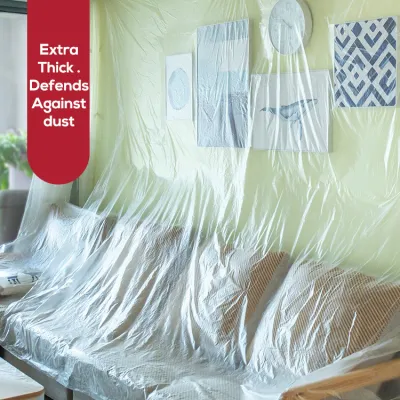
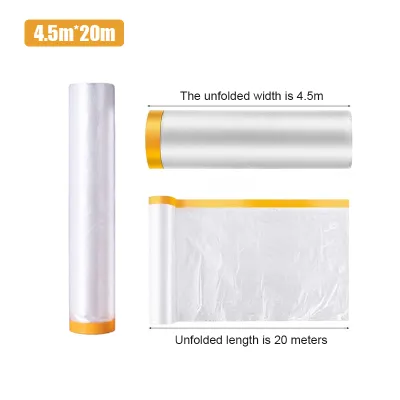
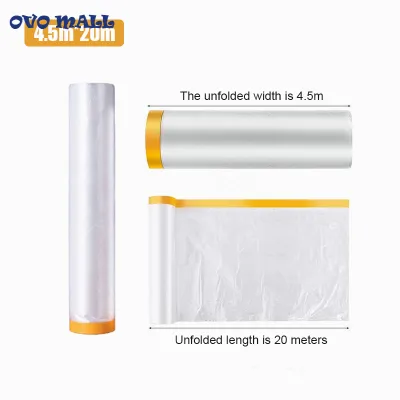
![[2-3 Days Delivery] 4.5m x 20m Plastic Dust Cover Protective Plastic Sheet Disposable Furniture Dustproof Cover Protective Cover Plastic Cover Plastic Film for Home Improvement CNY Gift Present](https://img.lazcdn.com/g/p/37fceab8fc43d4b3b58593d55aae9bcb.jpg_400x400q80.jpg_.webp)
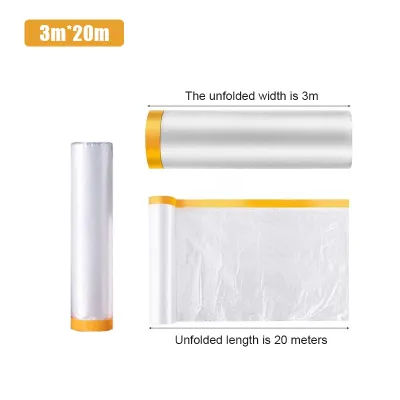
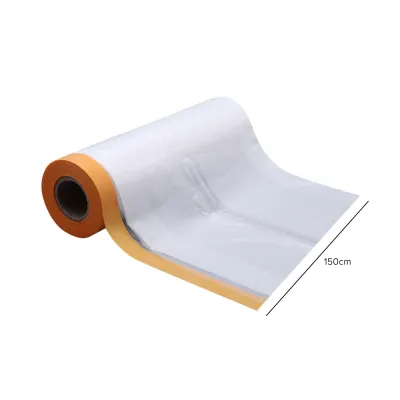
![[SG SELLER]Plastic Dust Cover Dust Prevention Renovation Drop Sheet Protective Plastic Film Furniture Dustproof Cover Paintproof Waterproof Cover Sheet Rolls](https://img.lazcdn.com/g/p/d2c82f6cde5eed649a28d487364fc7d2.png_400x400q80.png_.webp)
Prices are valid at publication and may change. Please refer to the product page for the latest price.
- Dust and Pollen Accumulation: Fine particles settling in intricate carvings, upholstery, or hard-to-reach joints, which is common for stored furniture or pieces near open windows.
- Water Rings and Discoloration: Cloudiness or dark spots on wood finishes, indicating vulnerability to humidity and spills.
- Physical Surface Scratches: Fine hairline scratches or deep gouges on high-use surfaces like dining tables, desks, or sideboards.
- Structural Damage: Cracked, chipped, or completely broken glass or acrylic panels in cabinet doors, tabletops, or shelving units.
Once you have observed these signs, define your primary objective. If you are preparing items for long-term storage or renovation, your goal is temporary dust and debris protection. If you want to shield a daily-use dining table from spills and heat, you require a durable, lay-flat surface barrier. For broken panels or structural components, your goal is a rigid, impact-resistant replacement.
Before applying any adhesive film, flexible cover, or rigid overlay, always check your furniture manufacturer’s care instructions and warranty guidelines. Some high-end wood finishes, leather sealants, and delicate veneers can react negatively with certain plastics or adhesives, potentially voiding your warranty or causing irreversible surface damage.
Match the Plastic Material to Your Diagnosed Use Case
Plastic sheet covers are not one-size-fits-all products. To find a cover that performs reliably, you must check the product packaging, technical datasheets, or manufacturer specifications for key physical properties rather than relying solely on generic material names.

Flexible Films for Dust and Spill Barriers
Flexible plastic covers are designed to drape, wrap, or lay flat over contoured surfaces. When selecting a flexible film, the first specification to verify on the product packaging is the thickness, typically measured in mils (thousandths of an inch) or millimeters.
- Lightweight Films (1 to 3 mils): Best suited for temporary dust draping during home renovations or short-term storage. These films are highly pliable but tear easily under physical stress.
- Medium-Weight Covers (4 to 8 mils): Ideal for seasonal storage or light utility protection. They offer moderate tear resistance and can withstand repeated draping.
- Heavy-Duty Protectors (10 to 20+ mils): Suitable for daily-use table protectors or heavy-duty outdoor wraps. These thicker films resist punctures from utensils and lay flat under their own weight.
In Singapore’s hot and humid tropical climate, verifying whether a flexible film is breathable or non-breathable is critical. Non-breathable plastic films can trap ambient moisture and condensation underneath. When pressed against natural wood or genuine leather, this trapped moisture often leads to mold growth, musty odors, and a cloudy, ruined finish. If you must cover these natural materials, look for covers specifically labeled as breathable, or use felt spacers to create an air gap between the plastic and the furniture surface. Note that flexible films are strictly surface barriers and cannot provide structural support.
Rigid Sheets for Structural Replacement and Heavy Protection
If your goal is to replace a broken glass panel, construct a protective tabletop shield, or repair a structural component, you must transition to rigid plastic sheets, such as acrylic or polycarbonate.
Before purchasing, check the manufacturer’s technical specifications for several critical performance factors:
- Impact Resistance: Verify the material's ability to withstand accidental bumps or dropped objects without shattering. Polycarbonate typically offers higher impact resistance than standard acrylic.
- UV Stability: If your furniture is positioned near large windows, on a balcony, or outdoors, check the product label for UV-resistant coatings. Unprotected plastics will yellow, become brittle, and crack when exposed to sunlight over time.
- Load-Bearing Limits: For shelves or tabletop replacements, verify the maximum weight capacity specified by the sheet manufacturer for a given thickness.
Calculating the required thickness is vital for structural integrity. For small cabinet door inserts, a thickness of 2 mm to 3 mm is often sufficient. For protective tabletop covers or freestanding shelves, look for sheets that are at least 5 mm to 6 mm thick to prevent sagging under load. Finally, always inspect your existing furniture frame, hinges, and support joints to ensure they can safely bear the additional weight of a heavy, rigid plastic sheet before making a purchase.
How to Measure and Prepare Your Furniture for a Plastic Cover
Accurate measurements and thorough surface preparation are essential to ensure your plastic cover fits correctly and does not cause underlying damage to your furniture.
To measure your furniture for a flexible drape or wrap, follow these steps:
- Measure the Top Surface: Use a metal tape measure to record the exact length and width (or diameter for round tables) of the flat surface.
- Determine the Drop Length: Decide how far down the sides you want the plastic to hang. For full coverage, measure from the top edge down to the floor or the bottom of the furniture legs.
- Calculate Total Dimensions: Add twice the desired drop length to both the length and width measurements. For example, if your tabletop is 100 cm by 150 cm and you want a 20 cm drop on all sides, you will need a plastic sheet that is at least 140 cm by 190 cm.
For rigid replacement sheets or inset panels, the process requires high precision:
- Measure the Opening: Measure the inside length and width of the frame recess where the sheet will sit. Take measurements at three different points along each axis to account for any warping in the frame.
- Apply a Clearance Tolerance: Subtract approximately 2 mm to 3 mm from your final measurements to allow for natural thermal expansion and contraction of the plastic.
- Check Depth Clearance: Measure the depth of the frame's channel or lip to ensure it can accommodate the thickness of your chosen rigid sheet without protruding.
Before installing any plastic cover, you must perform a critical preparation step: clean and completely dry the furniture surface. Any trapped dust, dirt, or grit acts as an abrasive under a plastic cover, causing micro-scratches on wood, metal, or glass finishes as the cover shifts. Wipe the surface with a manufacturer-approved cleaner, rinse with a damp cloth if necessary, and allow it to air-dry completely in a well-ventilated space. In humid environments, ensure there is no residual surface moisture before laying down the plastic.
Safe Installation and Routine Maintenance
Installing your plastic cover safely prevents damage to both the cover and the underlying furniture finish. Always prioritize low-risk, reversible installation methods that do not rely on permanent alterations.
For flexible covers, use non-adhesive friction pads, elasticized edges, or manufacturer-approved mechanical fasteners. Avoid using standard double-sided tapes, packing tapes, or strong chemical adhesives directly on your furniture. These adhesives can chemically bond with varnishes, paints, or wood oils, stripping away the finish or leaving behind a stubborn, sticky residue that is difficult to remove without harsh solvents.
For rigid sheets, secure them using non-slip silicone bumper pads placed at the corners, or insert them into existing frame channels. If mechanical fasteners are required, ensure they are compatible with the plastic material to avoid stress cracking around the screw holes.
Routine maintenance keeps your plastic cover clear and functional while protecting your furniture:
- Dusting: Gently wipe the plastic surface with a clean, dry microfiber cloth to remove loose dust. Avoid using dry paper towels or coarse cloths, as their fibers can cause fine scratches.
- Washing: For stubborn spills or dirt, use a soft cloth dampened with mild soapy water. Wipe gently without applying heavy downward pressure.
- Drying: Dry the surface immediately with a clean microfiber cloth to prevent water spots.
- Avoid Solvents: Never use glass cleaners containing ammonia, acetone, alcohol, or abrasive scrubbing powders on plastic covers. These chemicals can cause chemical etching, clouding, and micro-scratches, permanently ruining the clarity of the plastic.
Observable Signs Your Plastic Cover Needs Replacement
Over time, environmental exposure and daily wear will degrade any plastic sheet cover. Recognizing the signs of material degradation allows you to replace the cover before it fails or damages the furniture underneath.
Inspect your plastic covers regularly for these observable signs of wear:
- Yellowing and Clouding: A clear sign of UV degradation or chemical exposure, which reduces aesthetic appeal and indicates the plastic is breaking down.
- Brittleness and Cracking: If a flexible cover feels stiff or a rigid sheet develops hairline cracks, the material has lost its plasticizers and can shatter or tear easily.
- Deep Scratches and Scuffs: Heavy surface damage not only ruins the appearance but also harbors dirt, bacteria, and moisture.
- Loss of Adhesion or Shape: Flexible covers that warp, stretch, or curl at the edges no longer provide effective protection against spills.
Degraded plastic can sometimes transfer chemical plasticizers directly onto your furniture, causing the cover to stick to the finish and potentially peel away paint or varnish when removed. If your cover shows any of these signs, remove it immediately.
To safely remove an old, stubborn cover, gently peel it back at a shallow angle. If there is residual adhesive on the furniture, do not scrape it with sharp metal tools. Instead, check your furniture manufacturer’s care instructions for safe adhesive removers, or use a mild, soapy solution on a soft cloth to gradually soften and wipe away the residue.
Frequently Asked Questions (FAQ)
Can I use a plastic sheet cover on newly varnished wood furniture?
No, you should not cover newly varnished, painted, or sealed wood furniture with a non-breathable plastic sheet cover immediately. You must check the varnish or sealant manufacturer’s instructions for the specific curing time, which is often much longer than the initial drying time. Covering the wood before it fully cures traps evaporating solvents and moisture under the plastic, which can soften the finish, cause severe clouding, or leave permanent imprints of the plastic texture on the wood surface. Wait until the finish is completely cured before applying any cover.
How do I cut a rigid plastic sheet without cracking it?
To cut a rigid plastic sheet without cracking it, always check the plastic manufacturer’s specific cutting guidelines first, as different materials require different tools. For thin sheets (under 3 mm), you can use a utility knife or a specialized scoring tool to score a deep line along a straight edge, then place the sheet over a table edge and snap it cleanly. For thicker sheets, use a jigsaw or circular saw fitted with a fine-toothed blade designed specifically for plastics. Always wear eye protection, secure the sheet firmly to your work surface to minimize vibrations, and test your cutting speed and blade on a scrap piece of the same material before making your final cut.
Community discussion
Share your experience or ask a question. Comments are reviewed before publication.