
When a beloved dining table, writing desk, or sideboard begins to show signs of wear, or when you want to safeguard a new piece from daily hazards, plastic cover sheets offer a practical, cost-effective layer of protection. Choosing the correct sheet requires matching the plastic polymer and its thickness to the specific material of your furniture. In Singapore’s hot, humid climate, selecting the wrong material can trap moisture, degrade finishes, or leave permanent adhesive residue. Understanding the distinct properties of polyethylene (PE), polyvinyl chloride (PVC), and polyethylene terephthalate (PET) ensures you protect your furniture rather than accidentally damaging it.
What Plastic Cover Sheets Can and Cannot Repair
Using plastic cover sheets for furniture “repair” is primarily a cosmetic and preventative strategy rather than a structural fix. These sheets excel at concealing minor surface blemishes, such as light hairline scratches, superficial scuffs, or dull spots in a lacquer finish. By applying a clear or textured sheet, you alter how light reflects off the surface, which can make tiny imperfections virtually invisible. Additionally, a well-fitted cover sheet acts as a barrier against future wear, preventing new scratches, liquid stains, and dust accumulation.
In tropical environments, these covers also help block localized moisture ingress from cold drinks or spills, protecting vulnerable substrates underneath. However, it is crucial to recognize the hard limits of plastic films. They cannot repair structural instability, broken joints, deep gouges, or severe water damage where the wood or veneer has already buckled and swollen. If a wooden table has deep cracks or a laminate surface is peeling away from its substrate, applying a plastic sheet will only trap air, highlight the uneven surface, and potentially accelerate rot by sealing in ambient humidity.
Products mentioned in this guide
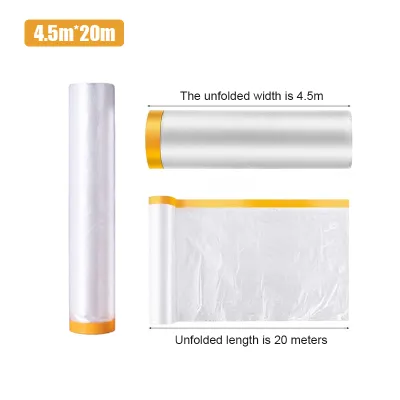
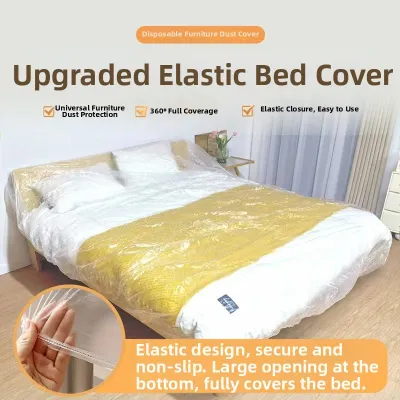
![[2-3 Days Delivery] 4.5m x 20m Plastic Dust Cover Protective Plastic Sheet Disposable Furniture Dustproof Cover Protective Cover Plastic Cover Plastic Film for Home Improvement CNY Gift Present](https://img.lazcdn.com/g/p/37fceab8fc43d4b3b58593d55aae9bcb.jpg_400x400q80.jpg_.webp)
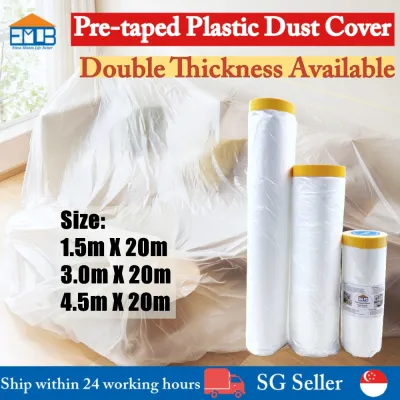
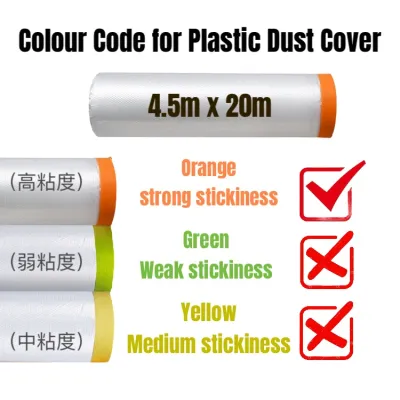
Prices are valid at publication and may change. Please refer to the product page for the latest price.
Before purchasing a cover sheet, carefully assess the condition of your furniture. If the item suffers from structural issues or deep finish degradation, you must perform proper physical repairs—such as applying wood filler, securing joints, or completely refinishing the surface—before using a plastic cover sheet as a protective topcoat. Relying on a plastic film to hold a damaged piece together will only lead to further deterioration over time.
PE, PVC, and PET: Choosing the Right Plastic Cover Sheets
To select the best plastic cover sheets, you must understand the distinct properties of the three primary polymers available: Polyethylene (PE), Polyvinyl Chloride (PVC), and Polyethylene Terephthalate (PET). Each behaves differently when applied to furniture surfaces, and selecting the wrong one can lead to disappointing results or surface damage.

Polyethylene (PE) is highly flexible and often used for low-tack, temporary masking. PE films are excellent for short-term protection, such as during home renovations, moving, or temporary storage. Because PE is naturally low-tack, it rarely leaves stubborn adhesive residue when removed promptly. However, PE has notable limitations for permanent furniture applications. It generally offers lower UV resistance, meaning it can degrade, become brittle, or turn yellow when exposed to direct sunlight near windows. It also lacks the high optical clarity of other plastics, often presenting a slightly cloudy or textured appearance that can dull the natural look of wood grain or high-gloss finishes.
Polyvinyl Chloride (PVC) is a popular choice for heavy-duty, long-term protection due to its thickness, pliability, and high impact resistance. PVC sheets conform easily to slightly uneven surfaces, making them highly effective for heavy-use dining tables or desks. However, PVC requires careful handling. Many flexible PVC sheets contain plasticizers (chemical additives used to make the plastic pliable). Over time, especially in warm climates, these plasticizers can migrate out of the film and chemically react with certain furniture finishes, such as polyurethane, nitrocellulose lacquers, or acrylic paints. This process can soften, bubble, or permanently discolour the furniture’s original finish. Always check the manufacturer’s labels to ensure the PVC sheet is rated as “plasticizer-stable” or safe for finished furniture before application.
Polyethylene Terephthalate (PET) is a rigid, highly stable polymer known for its exceptional optical clarity and superior scratch resistance. PET cover sheets are ideal for high-traffic, hard surfaces where preserving the underlying visual aesthetics is paramount. Unlike PVC, PET does not rely on migrating plasticizers, making it chemically stable and safe for long-term contact with most hard finishes. PET sheets are highly resistant to punctures and heat, providing an excellent shield against hot coffee mugs or laptop heat. The main trade-off is rigidity; PET does not conform easily to curved edges or highly textured surfaces, meaning it is best suited for flat, smooth tabletops or panels.
When shopping, always look beyond the generic polymer name. Review the product specifications for the adhesive type used. Acrylic-based adhesives generally offer better long-term stability and cleaner removal than rubber-based adhesives. Additionally, verify if the product features built-in UV inhibitors, especially if the furniture sits near a balcony or window, and confirm whether the manufacturer explicitly rates the sheet for indoor or outdoor use.
Surface-by-Surface Guide to Selecting Furniture Covers
To achieve a successful application, you must match the plastic cover sheet’s material, thickness, and adhesion level to the specific demands of your furniture’s surface material.
Wood, Veneer, and Laminate
Wood-based surfaces are organic, porous, and highly sensitive to environmental changes. In high-humidity environments like Singapore, trapping moisture beneath an impermeable plastic sheet can lead to wood warping, veneer lifting, or mold development. For these surfaces, avoid high-adhesion plastic films entirely. The strong glues can chemically bond with varnishes, shellacs, or oils, stripping the finish completely when you try to peel the film away.
Instead, select low-tack, highly breathable films, or opt for custom-fitted, non-adhesive clear plastic protectors. These non-adhesive sheets rely on gravity and friction to stay in place, allowing you to easily remove them to let the wood “breathe” and dry out periodically. If you must use an adhesive film on a modern polyurethane or laminate finish, ensure it is rated as low-tack and designed specifically for finished wood. Never apply adhesive cover sheets to antique, waxed, or oiled wood finishes.
Glass, Stone, and High-Gloss Finishes
Non-porous surfaces like tempered glass, polished marble, granite, and high-gloss acrylic lacquers require maximum visual clarity to preserve their premium appearance. They are also prone to showing unsightly air bubbles, water spots, and dust particles trapped beneath a protective layer.
For these surfaces, high-clarity PET films or static-cling (non-adhesive) sheets are the ideal choices. Static-cling sheets adhere to smooth, non-porous surfaces through static charge alone, eliminating the risk of sticky glue residue. To prevent dust, pet hair, and ambient moisture from creeping under the edges of the sheet over time, pay close attention to edge-sealing. Ensure the sheet is cut precisely to the finished dimensions of the tabletop, leaving a tiny gap of one to two millimetres from the edge to prevent the film from catching and peeling up during daily use.
Leather and Fabric Upholstery
Soft, flexible surfaces present a completely different set of challenges. Adhesive plastic cover sheets should never be applied directly to leather or fabric upholstery. On leather, the adhesive can strip away protective topcoats, pull up dyes, and block the natural pores, causing the leather to dry out, crack, or rot due to trapped sweat and humidity. On fabric, adhesives will leave a sticky residue that attracts dirt, while the airtight plastic traps moisture, leading to mold and mildew inside the cushions.
If you need to protect upholstered furniture from pets, spills, or heavy wear, bypass adhesive films entirely. Instead, look for heavy-duty, loose-fitting clear PVC slipcovers designed specifically for armchairs or sofas. Alternatively, use breathable, washable fabric throws or apply specialized fabric protectant sprays. Always check your furniture manufacturer’s care instructions before applying any chemical protectant or heavy plastic covering to ensure it does not void your warranty.
Metal and Painted Frames
Metal furniture, whether powder-coated steel, painted iron, or anodized aluminium, is highly durable but susceptible to cosmetic damage from scratches, rust, and chemical reactions. Warm, humid environments can accelerate chemical interactions between plastic adhesives and painted coatings, leading to bubbling, peeling, or discoloration of the paint.
For metal and painted frames, select UV-stabilized plastic cover sheets. UV stabilization prevents the plastic from yellowing, cracking, or baking onto the metal frame when exposed to sunlight coming through windows. Before committing to a full application, always perform a small test. Apply a small strip of the adhesive cover sheet to a hidden, inconspicuous area of the frame, such as the underside of a leg. Leave it on for several days, then peel it off to verify that the adhesive does not react with or lift the paint or powder coating.
Safe Application and Removal to Protect Furniture Finishes
Proper application and removal techniques are just as important as choosing the right material. Rushing either process can result in unsightly air bubbles, trapped dirt, or permanent damage to your furniture’s finish.
First, begin by thoroughly cleaning the furniture surface. Use a mild, non-abrasive cleaner, such as a highly diluted mixture of dish soap and warm water, to remove all dust, grease, and fingerprints. Avoid harsh chemical cleaners or polish sprays that leave a waxy residue, as these will prevent the plastic sheet from adhering properly. After cleaning, wipe the surface dry with a clean microfiber cloth. Allow the furniture to air-dry completely for at least one to two hours. Any trapped moisture under the plastic can cause wood to rot, metal to rust, or finishes to cloud.
Next, measure the finished dimensions of the surface carefully and cut the plastic cover sheet to size using a sharp utility knife and a straight edge. For adhesive or static-cling sheets, peel back a small section of the backing paper (about 5 to 10 centimetres) and align the edge perfectly with the furniture’s edge. Slowly press the sheet down, using a soft squeegee or a clean microfiber cloth wrapped around a flat card to smooth out the plastic. Work in slow, deliberate strokes from the center outward to push out any trapped air bubbles. Gradually peel away more backing paper as you progress, maintaining consistent tension to avoid creases.
When it is time to replace or remove the plastic cover sheet, do not rip it off quickly. Instead, gently lift one corner and peel the film back slowly at a low angle (almost parallel to the furniture surface). Peeling at a sharp 90-degree angle increases the risk of lifting the underlying paint, lacquer, or wood veneer. If you encounter stubborn adhesive residue after removal, clean it safely. Dampen a soft cloth with mild soapy water or a manufacturer-approved, citrus-based adhesive remover. Avoid using harsh solvents like acetone, lacquer thinner, or bleach, which can permanently dissolve varnishes, melt plastics, or strip paint.
Always prioritize safety and material compatibility. Before applying any adhesive film, protective cover, or cleaning solvent, read the manufacturer’s care instructions for both the furniture and the plastic cover sheet. Always perform a patch test on a small, hidden area of the furniture. If the instructions conflict, if the furniture material is unidentified, or if you are dealing with a valuable antique, stop immediately and consult a professional furniture restorer.
Frequently Asked Questions (FAQ)
Can plastic cover sheets fix deep scratches on wooden tables?
No, plastic cover sheets cannot physically repair or fill deep scratches on wooden tables. While a thick, high-gloss PET sheet can visually mask minor, superficial scuffs by changing how light reflects off the surface, deep scratches that penetrate the finish or the wood itself remain visible. To properly address deep scratches, you must use a matching wood filler or wax repair stick, smooth the area, and allow it to cure completely before applying any protective plastic cover sheet.
Will leaving plastic film on furniture cause the finish to peel?
Yes, leaving low-quality or high-tack adhesive plastic films on furniture for extended periods can cause the finish to peel. Over time, especially when exposed to heat and high humidity, the adhesive can cure and form a permanent chemical bond with the furniture’s lacquer, paint, or varnish. When you eventually attempt to remove the film, it can pull the finish off with it. Always check the manufacturer’s maximum recommended application duration and periodically lift the edges to inspect the underlying finish.
How do I remove sticky residue left by old plastic covers?
To safely remove sticky adhesive residue, start with the mildest method. Dampen a soft microfiber cloth with warm water and a few drops of mild dish soap, then gently rub the sticky area in a circular motion. For more stubborn residue, apply a small amount of a specialized, citrus-based adhesive remover, ensuring it is rated safe for your specific furniture finish. Never use abrasive scrubbing pads, steel wool, or harsh chemicals like acetone or paint thinner, as these will permanently scratch or dissolve your furniture’s protective finish.
Community discussion
Share your experience or ask a question. Comments are reviewed before publication.