
Choosing the right plastic bed cover is a practical step toward preserving your mattress, especially when managing everyday household challenges like toddler toilet training, pet accidents, or dust mite allergies. Because mattresses are highly susceptible to liquid damage and stains, adding a protective barrier can prevent permanent damage and maintain a hygienic sleeping environment. However, there is no single option that suits every home; the ideal choice balances waterproofing, comfort, and fit. By understanding how different materials and designs perform, you can select a cover that offers robust protection without compromising sleep quality.
In warm and humid climates, selecting a bed cover requires careful consideration of heat retention and moisture management. A cover that traps too much heat can make sleeping uncomfortable, while one that does not fit securely may slip and slide during the night. Evaluating your household’s daily routines and specific protection goals will guide you toward the right balance of utility, comfort, and ease of maintenance.
Identify Your Primary Protection Needs
Before browsing different products, you must clarify why you need a plastic bed cover and what specific risks you are trying to mitigate. For families with toddlers undergoing toilet training or those managing adult incontinence, the primary risk is sudden, high-volume liquid spills. In these scenarios, a highly durable, fully waterproof barrier is essential to prevent liquids from seeping deep into the mattress foam or springs, where they can cause lingering odors and bacterial growth.
Products mentioned in this guide
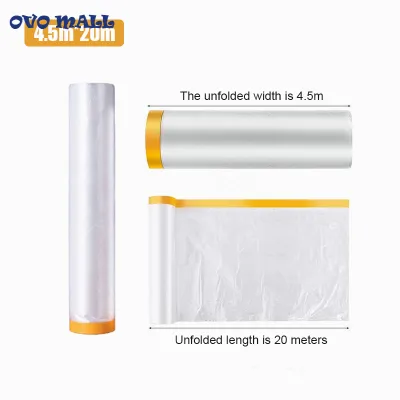
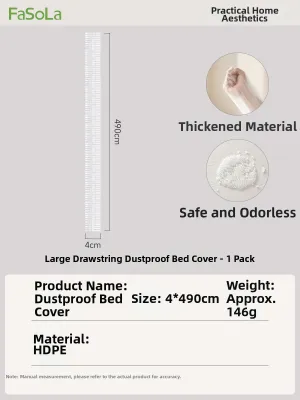
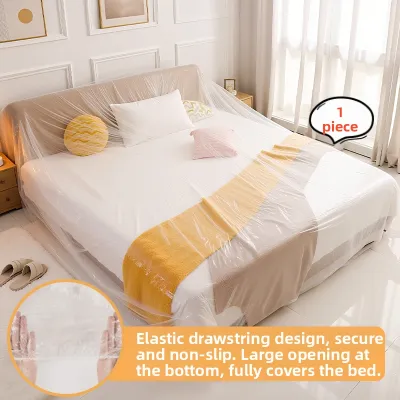
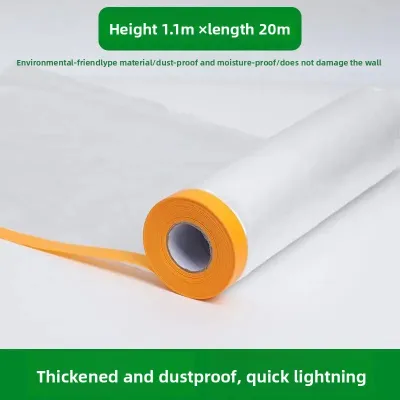
Prices are valid at publication and may change. Please refer to the product page for the latest price.
If your concern is pet accidents or muddy paws, the protection needs might be more localized or focused on the surface layer. Pets often scratch or nest before lying down, meaning the cover must also resist physical wear and tear. For households dealing with asthma or dust mite allergies, the goal is not just liquid resistance but creating an impenetrable physical barrier that prevents microscopic allergens from colonizing the mattress fibers.
You should also determine the required physical coverage area of the protector. A surface-only protector covers just the top face of the mattress, which is often sufficient for minor spills or localized accidents. However, if there is a risk of liquids running down the sides of the bed, you will need a cover that offers edge-to-edge wrapping or full encasement to prevent side leakage.
Finally, check your existing mattress warranty terms before purchasing a plastic cover. Many mattress manufacturers require the use of a waterproof protector to keep the warranty valid, as any permanent stain can void your coverage. Verifying these terms ensures you choose a protector that meets the manufacturer’s standards while fully safeguarding your investment.
Match Household Scenarios to Bed Cover Types
Different household situations call for distinct designs, and matching your specific scenario to the right cover type ensures both effective protection and daily convenience. Fitted plastic covers are designed much like a standard fitted sheet, featuring elasticized edges that grip the underside of the mattress. This style is highly suitable for active sleepers or children’s beds, as the secure fit prevents the cover from shifting or bunching up during the night, maintaining a reliable barrier over the entire sleeping surface.

Flat plastic covers, on the other hand, are simple rectangular sheets of waterproof material that lie directly on top of the mattress. These are ideal for temporary protection, such as during diaper changes, localized medical care, or when hosting guests with young children. Because they do not wrap around the entire mattress, flat covers are incredibly easy to remove, wash, and replace, making them a highly convenient option for quick cleanups.
For severe incontinence, bedbug prevention, or strict allergen control, fully waterproof encasements offer a comprehensive solution. These covers completely enclose the mattress on all six sides and secure with a zipper, creating a total 360-degree barrier. This design ensures that no liquids, dust mites, or pests can enter or escape the mattress, though they require more effort to remove and wash compared to fitted or flat styles.
Fabric-backed plastic covers combine a waterproof plastic membrane on the underside with a soft fabric layer, such as cotton terry or microfiber, on the top surface. This hybrid design is excellent for main bedrooms where comfort is a priority, as the fabric layer absorbs minor moisture, reduces the slippery feel of plastic, and significantly dampens the crinkling noise associated with movement. It provides a highly effective compromise for those who want robust waterproofing without sacrificing the traditional feel of standard bedding.
Evaluate Comfort, Noise, and Material Safety
While protection is paramount, a bed cover should not interfere with your ability to get a restful night’s sleep. Noise control is a common concern with plastic covers, as cheaper or lower-quality materials can make a loud crinkling sound every time you turn over. To avoid this, check product descriptions for terms like “quiet,” “noiseless,” or “crinkle-free,” and look for covers that utilize thin polyurethane membranes rather than thick polyvinyl chloride, as polyurethane tends to be much more flexible and silent.
Breathability and temperature regulation are also critical, particularly in tropical climates where heat retention can lead to uncomfortable, sweaty nights. Pure plastic layers can trap body heat and prevent air circulation, which raises the temperature of the sleeping surface. To mitigate this, consider pairing a waterproof cover with highly breathable, natural-fiber bed sheets, or opt for a fabric-backed protector that allows some airflow while still blocking liquids.
Material safety is another vital factor to verify, especially when choosing a cover for infant, toddler, or allergy-prone household members. Inspect product labels to confirm the absence of harmful chemicals such as phthalates, lead, and specific flame retardants that are sometimes used to soften plastics. Choosing certified vinyl-free or phthalate-free options ensures that the sleeping environment remains safe and free from potentially irritating chemical off-gassing.
Measure and Check Fit Before Buying
A poorly fitting bed cover can slip off, bunch up, or fail to protect the mattress edges, making precise measurements essential before you make a purchase. Start by using a measuring tape to find the exact length, width, and depth of your mattress. Do not rely on standard size names alone, as mattress thicknesses can vary significantly between brands, especially if you use a thick pillow-top mattress or an additional comfort topper.
When reviewing product specifications, pay close attention to the “pocket depth” of fitted covers. The pocket depth indicates the maximum mattress thickness the cover can securely wrap around; choosing a pocket depth that is at least two to three centimeters deeper than your mattress ensures the elastic band can tuck fully underneath the mattress base. This extra margin prevents the corners from popping off when you sit on the edge of the bed or toss and turn.
Finally, inspect the quality of the securing mechanisms, such as the strength of the elastic bands on fitted covers or the construction of the zipper on full encasements. A weak elastic band will stretch out quickly over time, leading to a loose fit, while a flimsy zipper can easily split under the tension of a heavy mattress. Ensuring these components are robust and well-made will guarantee that the cover remains securely in place and is easy to handle during routine bedding changes.
Frequently Asked Questions (FAQ)
How often should you wash a plastic bed cover?
For routine preventive maintenance, a plastic bed cover should generally be washed every few weeks or whenever you change your standard bed sheets, helping to remove accumulated dust, sweat, and skin cells. However, in the event of a liquid spill, bedwetting incident, or pet accident, the cover must be removed and washed immediately to prevent odors from setting and to maintain hygiene. Always consult the product’s care label for specific washing instructions, as high temperatures can melt or damage certain waterproof plastic membranes.
Can a plastic bed cover cause a mattress to mold?
Yes, because fully waterproof plastic layers restrict air circulation and moisture evaporation, they can trap humidity between the cover and the mattress if not managed properly. To prevent mold and mildew growth, always ensure that your mattress is completely dry before applying the plastic cover, especially after cleaning a spill. Regularly removing the cover to let the mattress air out in a well-ventilated room, particularly during humid weather, is an effective way to keep your sleeping environment fresh and dry.
Community discussion
Share your experience or ask a question. Comments are reviewed before publication.