
Choosing the right OSIM massage chair for your home in Singapore requires balancing physical comfort, available floor space, and your financial plan. Because a high-quality massage chair is a significant long-term investment, selecting a model involves more than just testing a display unit in a showroom. You must evaluate how the chair fits into your daily routine, how much physical space it occupies when fully reclined, and whether its mechanical features align with your body type and wellness goals. By taking a systematic approach to assessing your home environment and physical requirements, you can make an informed decision that provides lasting relaxation and value.
Assessing Your Space and Installation Requirements
Before browsing specific models, you must carefully measure the designated area in your home where the massage chair will reside. Unlike standard living room seating, a massage chair requires a dynamic footprint that expands significantly during operation. You need to account for the full recline length, the extension of the leg rest, and sufficient clearance on all sides to allow for safe mounting, dismounting, and routine maintenance. Many modern homes in Singapore, such as HDB flats or condominiums, have compact layouts where every centimeter counts, making precise spatial planning essential.
Beyond the final resting spot, you must map out the entire delivery path from the building entrance to your living room. Measure the width and height of all doorways, hallways, elevator doors, and staircase turns that the delivery team must navigate. Massage chairs are heavy, highly integrated machines that often cannot be easily disassembled for transport. Verifying these dimensions beforehand prevents the frustration of a failed delivery or accidental damage to your walls and the appliance itself.
Products mentioned in this guide
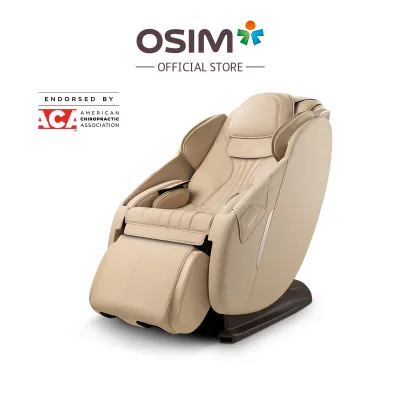
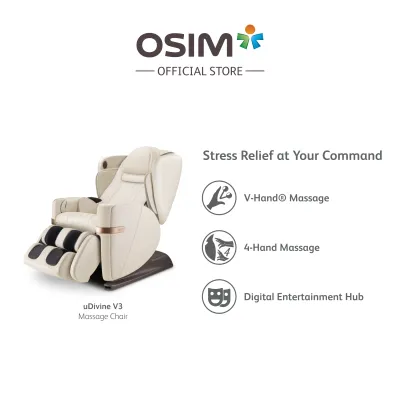
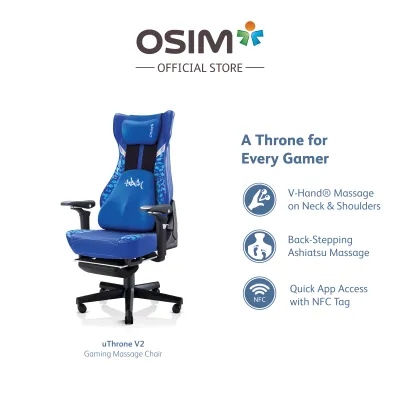
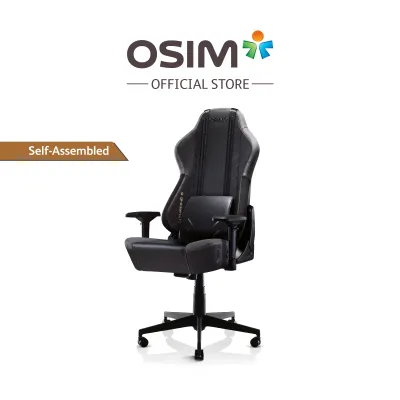
Prices are valid at publication and may change. Please refer to the product page for the latest price.
Additionally, consider the practical infrastructure required for safe operation. A massage chair must be placed within close reach of a dedicated power outlet to avoid the safety hazards of running extension cords across the floor. You should also verify the weight capacity of your flooring, particularly if you are placing a heavy, full-body unit on delicate materials like engineered wood or vinyl. Using a dedicated protective mat under the chair can help distribute the weight evenly and protect your floors from indentations or scratches during use.
Defining Your Massage Needs and Body Compatibility
To find a massage chair that delivers effective relief, you must match its mechanical capabilities with your unique physical profile. The track length of the chair determines how far the massage rollers can travel along your spine. An S-track follows the natural curve of your spine from the neck to the lower back, while an L-track extends further down to cover the glutes and thighs. Taller users must verify that the track length is sufficient to reach their shoulders and lower back comfortably, while shorter users should ensure the rollers align correctly with their neck without causing discomfort.

Massage intensity is another critical factor that varies widely between individuals. Some users prefer a gentle, relaxing stroke to unwind after a long day, while others require deep-tissue pressure to alleviate chronic muscle tightness. When evaluating different models, check the manufacturer’s specifications for adjustable roller depth, speed controls, and intensity settings. A chair with highly customizable settings allows multiple family members with different preferences to use the same machine comfortably.
Physical mobility and specific health considerations should also guide your selection. If you have difficulty bending or standing up, look for chairs with easy-entry designs or zero-gravity positioning that reduces strain on your joints during transition. Heat functions in the lumbar or foot regions can help soothe stiff muscles and improve circulation, but these features should be easily adjustable. Always check the user manual or consult with the manufacturer regarding the specific adjustability limits of the footrest and shoulder pads to ensure a secure, ergonomic fit.
Comparing OSIM Massage Chair Categories
OSIM offers a diverse range of products categorized by their form factor, coverage, and intended use. Understanding these categories helps you narrow down your options based on your spatial constraints and wellness priorities.
Full-body massage chairs represent the premium tier of home relaxation technology. These units are designed to provide comprehensive, head-to-toe therapy using a combination of rollers, airbags, and specialized foot massagers. They offer advanced features such as synchronized multi-angle reclining, targeted air compression for the arms and calves, and intelligent body-scanning technology that maps your spine before starting a session. However, these models require a substantial amount of floor space and a larger budget, making them best suited for dedicated wellness rooms or spacious living areas.
Compact and sofa-style massage chairs offer a practical compromise for homes with limited space. These models are designed to blend seamlessly with your existing living room furniture, often doubling as a comfortable armchair or lounger when the massage functions are not in use. While they may have shorter roller tracks or fewer airbag chambers than full-body models, they still provide effective relief for key areas like the neck, shoulders, and lower back. Their smaller footprint and versatile design make them highly popular for modern urban apartments.
For targeted relief or highly specific spatial constraints, localized massagers provide an alternative to full-sized chairs. These portable devices focus on specific muscle groups, such as the neck and shoulders, the lower back, or the legs and feet. While they do not offer the immersive experience of a full-body chair, they are highly versatile, easy to store, and can be used on existing chairs or sofas. This category is ideal for users who want to address specific tension areas without dedicating permanent floor space to a large appliance.
Evaluating Budget Tiers and Ownership Costs
Investing in a massage chair involves both the initial purchase price and the long-term costs of ownership. In Singapore, massage chairs generally span several budget tiers, ranging from entry-level compact units under S$2,000 to premium full-body systems that can exceed S$6,000, depending on their size, features, and technology. Entry-level compact models and targeted massagers offer an affordable entry point for those seeking basic relaxation, while mid-range sofa-style chairs provide a balance of style and multi-zone coverage.
When planning your budget, it is essential to look beyond the retail price and review the manufacturer’s warranty terms. A comprehensive warranty that covers parts, labor, and on-site servicing is crucial for heavy appliances like massage chairs. Verify the duration of the warranty and understand what components are covered, as repairing internal motors, rollers, or electronic control boards out of warranty can be costly. Reliable local service availability in Singapore ensures that any technical issues can be resolved quickly without prolonged downtime.
Long-term maintenance is another factor that influences the total cost of ownership. The synthetic leather or fabric upholstery of the chair requires regular cleaning and conditioning to prevent cracking or peeling, especially in Singapore’s humid climate. You should also factor in minor electrical safety checks and the potential cost of replacing worn fabric covers or airbag sleeves over years of regular use. Choosing a model with durable, easy-to-clean materials and accessible replacement parts can save you time and money in the long run.
Decision Framework: Matching Your Profile to the Right Choice
To finalize your decision, you can use a structured framework that matches your spatial, physical, and financial constraints to the most suitable category.
If you have ample floor space, a flexible budget, and require comprehensive, daily therapeutic relief, a premium full-body massage chair is the most suitable choice. These models provide the highest level of customization, allowing you to tailor the intensity, focus, and style of massage to your exact needs. They are ideal for dedicated users who view massage therapy as a core component of their daily wellness routine.
If your floor space is limited, or if you want a unit that serves a dual purpose as everyday seating, a compact or sofa-style model is the optimal path. These chairs provide targeted relief for the most common areas of tension while maintaining a stylish, unobtrusive presence in your living room. They offer excellent value for households that want reliable massage functionality without sacrificing valuable living space.
Before making any final purchase, always verify the product specifications, installation requirements, and safety guidelines directly with the manufacturer or by visiting an authorized showroom. This is particularly important if you have specific medical conditions, extreme height or weight requirements, or complex delivery access points in your home. Testing the chair in person allows you to experience the roller feel and verify the fit before committing to an investment.
Frequently Asked Questions (FAQ)
How much clearance is needed behind a massage chair for full recline?
The amount of clearance required behind a massage chair varies significantly depending on the model’s design and technology. Many modern chairs feature space-saving slide-forward mechanisms that allow them to be placed as close as 5 to 10 centimeters from the wall, as the chair slides forward on its base when reclining. However, older or more basic models may require up to 30 to 50 centimeters of clearance to recline fully. Always consult the specific product manual or technical specification sheet to verify the exact wall clearance requirements before finalizing your room layout.
Are massage chairs safe for elderly users or individuals with medical implants?
While massage chairs offer numerous relaxation benefits, they may not be suitable for everyone. Elderly users, individuals with medical implants such as pacemakers, pregnant women, or those with pre-existing spinal conditions should exercise caution. The deep-tissue pressure, heat functions, and magnetic fields generated by some chairs can interfere with medical devices or exacerbate certain health conditions. It is essential to consult a qualified healthcare professional and thoroughly review the manufacturer’s safety warnings and contraindications before using a massage chair.

Community discussion
Share your experience or ask a question. Comments are reviewed before publication.