
Selecting the right mattress firmness is one of the most critical decisions you will make for your sleep quality and physical health. When choosing an origin mattress in Singapore, finding the ideal balance of comfort and support requires looking closely at how your body weight and primary sleeping position interact with the bed’s structural layers. The right firmness level keeps your spine in neutral alignment, distributes your body weight evenly, and prevents pressure points from forming around your joints.
If you select a mattress that is too soft for your profile, your hips and torso will sink too deeply, putting strain on your lower back. Conversely, a mattress that is too firm will force your body to rest on its widest points—such as your shoulders and hips—without supporting the natural curves of your spine, leading to morning stiffness and joint pain. By evaluating your sleep style, weight, and local environmental factors, you can make an informed decision that ensures long-term comfort and healthy sleep posture.
Quick Diagnostic Guide: Matching Firmness to Your Profile
To help you narrow down your options quickly, the following matrix maps common sleep positions and body weight categories to their recommended mattress firmness levels. This serves as an initial benchmark for evaluating the specific models in the Origin lineup.
Products mentioned in this guide

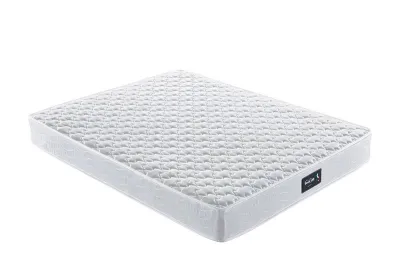
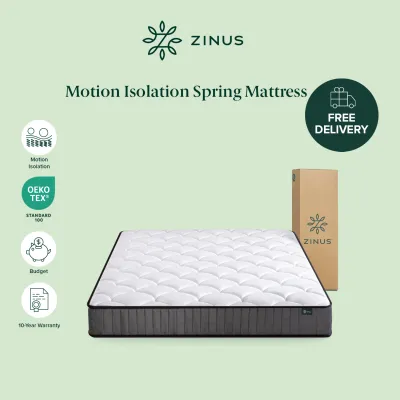
![[1-2 day delivery ] Single size and Queen Size Foam Mattress](https://img.lazcdn.com/g/ff/kf/S53f34f438945453bac9eb7ad88f413a5N.jpg_400x400q80.jpg_.webp)
Prices are valid at publication and may change. Please refer to the product page for the latest price.
| Sleep Position | Lighter Sleepers (Under 60 kg) | Average Weight Sleepers (60 kg to 100 kg) | Heavier Sleepers (Over 100 kg) |
|---|---|---|---|
| Side Sleepers | Medium-Soft (3-4/10) | Medium to Medium-Firm (5-6.5/10) | Medium-Firm to Firm (6.5-8/10) |
| Back Sleepers | Medium (5/10) | Medium-Firm (6-7/10) | Firm (7-8/10) |
| Stomach Sleepers | Medium-Firm (6-7/10) | Firm (7-8/10) | Firm (8-9/10) |
| Combination Sleepers | Medium (5/10) | Medium-Firm (6.5/10) | Firm (7.5-8/10) |
While this diagnostic guide provides a reliable starting point, keep in mind that your personal comfort preferences and any existing physical conditions play a major role in your final choice. However, maintaining neutral spinal alignment must always remain your primary objective. A mattress should cradle your body’s contours while providing a stable, supportive foundation that prevents your spine from sagging or arching unnaturally.
Understanding Mattress Firmness and Origin Mattress Offerings
Mattress firmness is typically measured on a standard 1-to-10 scale, where 1 represents an extremely soft surface with maximum sinkage, and 10 represents a highly rigid, floor-like surface with virtually no give. Most mattresses on the market fall within the 4-to-8 range. A “medium” mattress (around 5/10) offers a balanced blend of contouring and support, while a “medium-firm” mattress (around 6.5/10) provides a slightly more supportive, resilient feel that is widely considered the universal sweet spot for the majority of sleepers.

When researching Origin’s product pages, it is essential to look beyond marketing terms and focus on the actual construction of the mattress. Do not base your decision solely on the feel of the top comfort layer, such as memory foam or natural latex. Instead, examine the support core, which typically consists of pocketed coils or high-density support foams. The comfort layers provide initial pressure relief and contouring, but the support core is what keeps your spine aligned and prevents your body from sinking too deeply over time.
Perceived firmness is highly subjective and is influenced by external factors. Your body weight determines how much force you exert on the mattress, which directly changes how soft or firm the bed feels to you. Additionally, the ambient temperature and humidity in Singapore can affect the physical properties of certain mattress materials. For instance, temperature-sensitive memory foams tend to soften in warmer environments, whereas natural latex and pocketed coils maintain a highly consistent level of responsiveness regardless of the room temperature.
Diagnosing Your Ideal Firmness by Sleep Position
Achieving neutral spinal alignment is the ultimate goal of any mattress. When you lie down, your spine should maintain the same natural, relaxed curves that it has when you are standing upright. Different sleeping positions place unique demands on a mattress, requiring specific levels of firmness to prevent muscle strain and joint misalignment.
Side Sleepers
Side sleepers require a mattress that offers excellent pressure relief around the shoulders and hips. Because these are the widest points of the body, they experience high pressure when lying on your side. An overly firm mattress pushes back against these points, restricting circulation and causing tossing and turning.
To prevent joint pain, side sleepers generally benefit from a softer to medium mattress. This allows the shoulders and hips to sink enough into the comfort layers to distribute weight evenly. Meanwhile, the support core must keep the waist and lower back from sagging, maintaining a straight horizontal line from the neck to the tailbone.
Back Sleepers
Back sleepers need a balanced surface that offers targeted support to the lumbar region while allowing the hips to settle naturally. The lower back’s inward curve requires active support to prevent the surrounding muscles from remaining tense overnight. If a mattress is too soft, your hips will sink too deeply, pulling your spine into an unnatural downward curve.
A medium to medium-firm mattress is typically ideal for back sleepers. This firmness level provides a stable platform that supports the natural curvature of the spine while offering enough cushioning in the comfort layers to prevent pressure buildup on the tailbone and shoulder blades, reducing morning stiffness.
Stomach Sleepers
Stomach sleeping naturally places a high level of stress on the lower back, as most body weight is concentrated around the pelvis. If the mattress surface is too soft, your hips will sink deeply, causing your lower back to arch excessively into hyperextension.
To avoid spinal misalignment and lower back strain, stomach sleepers require a firmer mattress. A firm surface provides the resistance needed to keep your hips elevated and level with your shoulders, minimizing lumbar curvature so your muscles can fully relax.
Combination Sleepers
Combination sleepers transition between multiple positions throughout the night. Because their support needs change constantly, they require a highly versatile mattress that facilitates easy movement. A mattress that is too soft can create a sinking sensation, making it difficult to turn over and disrupting sleep.
A responsive medium-firm mattress is typically the safest compromise. The medium-firm rating ensures adequate support when on the back or stomach, while responsive comfort layers (such as latex or pocketed coils) allow you to roll over effortlessly without feeling stuck.
Adjusting for Body Weight and Type
Your body weight is the primary physical force acting upon your mattress. Because of this, standard firmness ratings must always be adjusted based on your weight category to ensure you select a bed that provides the correct level of support and pressure relief.
Lighter Sleepers (Under 60 kg)
Lighter individuals exert relatively little downward force on a mattress. Because they do not compress the comfort layers deeply, standard medium-firm mattresses can feel significantly firmer than advertised. This lack of compression can prevent proper contouring, leading to pressure points on the shoulders and hips.
If you weigh under 60 kg, look for mattresses with softer comfort layers or highly responsive materials. A medium-soft to medium mattress is often ideal, allowing lighter bodies to experience adequate pressure relief without sacrificing basic spinal support.
Average Weight Sleepers (60 kg to 100 kg)
Sleepers within the 60 kg to 100 kg range generally experience mattresses very close to their advertised firmness ratings. This group aligns with standard manufacturer testing profiles, making product descriptions highly reliable.
If you fall into this category, you can confidently choose based on your sleeping position. A medium-firm mattress provides a classic balanced feel, offering surface cushioning and deep structural support. You can adjust slightly softer for side sleeping or firmer for a highly supportive feel.
Heavier Sleepers (Over 100 kg)
Heavier individuals place a substantial amount of pressure on a mattress, compressing both the comfort layers and the underlying support core. If a mattress is too soft, heavier sleepers risk bottoming out—sinking completely through the comfort layers to rest on the hard base, causing pressure points and rapid wear.
If you weigh over 100 kg, you require a firmer mattress with a robust support core. Look for hybrid models utilizing thick, heavy-gauge pocketed coils or high-density support foams. These materials provide the pushback needed to keep your spine aligned, prevent excessive sinkage, and ensure long-term durability.
Evaluating Comfort Preferences and Trial Options
Beyond sleep positions and weight, your personal physical health and lifestyle factors should guide your decision. If you suffer from chronic lower back pain, joint issues, or recovery from sports injuries, you may need to adjust your firmness choice. While a medium-firm mattress is generally the standard recommendation for back pain, some individuals find that a slightly softer surface provides better relief for joint inflammation, while others require a highly rigid surface for structural stability.
If you share your bed with a partner, you must also consider how your combined profiles affect your choice. When partners have different body weights or sleep positions, finding a compromise is key. In these scenarios, a medium-firm hybrid mattress with excellent motion isolation is often the best solution. Pocketed coils operate independently, preventing movement from transferring across the bed when one person moves. Additionally, strong edge support is crucial; reinforced edges prevent the mattress from sagging at the sides, allowing both sleepers to utilize the entire surface area of the bed without feeling like they might roll off.
Because mattress firmness is highly subjective, the best way to determine if a specific firmness level is right for you is to test it in your own home. When purchasing an Origin mattress in Singapore, make sure to carefully review the brand’s official sleep trial terms, return policies, and warranty conditions. Origin typically provides a risk-free home trial period, allowing you to sleep on the mattress for several weeks. This trial is highly valuable, as it gives your body the necessary time to adjust to the new support system, ensuring you are completely satisfied with your investment before making a permanent commitment.
Frequently Asked Questions (FAQ)
Can I change the firmness of my Origin mattress after purchase?
If your mattress feels slightly too firm or too soft after purchase, you can adjust the surface feel by using a high-quality mattress topper. A plush memory foam topper can add extra cushioning and pressure relief to a bed that feels too firm, while a high-density latex topper can introduce additional surface resistance to a bed that feels too soft. Before purchasing, check the product specifications of your specific Origin model, as standard hybrid designs are typically single-sided and cannot be flipped to alter the firmness.
Is a firm mattress always better for back pain?
No, an overly firm mattress is not always the best solution for back pain. While a firm bed prevents deep sinkage, it can create significant pressure points on your shoulders and hips, forcing your spine to arch unnaturally. Clinical studies and orthopedic recommendations generally favor a medium-firm mattress for back pain. This level of firmness provides the optimal balance of structural support for the spine while offering enough cushioning to cradle the body’s natural curves and relieve joint pressure.
How long does it take to adjust to a new mattress firmness?
It typically takes about 30 days for your body to fully adapt to a new mattress firmness. During this break-in period, your muscles, ligaments, and spine are adjusting to the updated support level, which can occasionally cause mild, temporary stiffness. It is important to utilize the full duration of your home sleep trial to allow your body to settle in before deciding whether the mattress firmness is correct for your long-term comfort.
Community discussion
Share your experience or ask a question. Comments are reviewed before publication.