
Choosing the right office chair cover is a practical, cost-effective way to protect your investment, upgrade your workspace aesthetics, or restore a worn-out seat without buying a whole new chair. The ideal choice depends on identifying your primary pain point—whether that is shielding a premium ergonomic chair from spills, adding breathable comfort in a humid climate, or concealing peeling faux leather. By matching your specific daily challenges to the right fabric treatments, securing mechanisms, and dimensions, you can find a cover that looks tailored and stays securely in place.
Identify Your Primary Need for an Office Chair Cover
Before browsing online marketplaces, take a close look at your current seating setup. If you have recently invested in a high-end ergonomic chair costing upwards of S$500, your main goal is likely preventative protection. You want to shield the original fabric from sweat, body oils, and accidental spills to preserve its resale value and structural integrity.
On the other hand, if you are dealing with an older chair that has started to show its age, your objective might be life extension. In tropical climates with high relative humidity, polyurethane (PU) leather chairs are notorious for peeling and flaking over time. A snug cover can completely contain this flaking material, saving you from constantly sweeping up black debris while keeping the chair functional for several more years.
Products mentioned in this guide
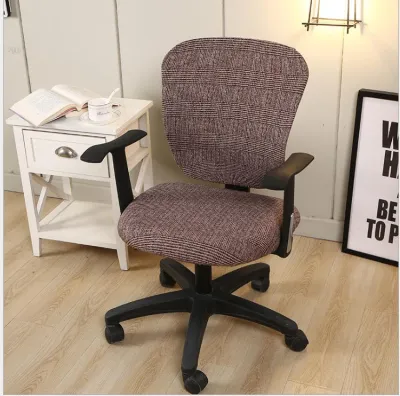
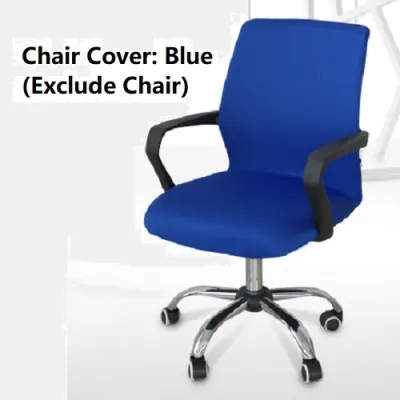
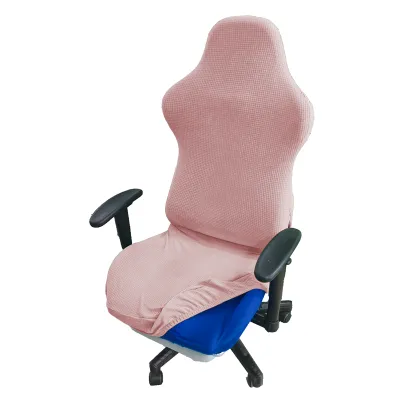
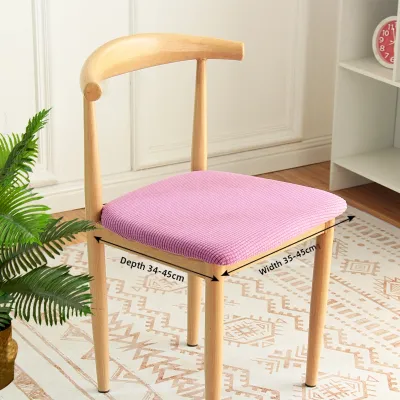
Prices are valid at publication and may change. Please refer to the product page for the latest price.
Your daily habits also dictate your needs. If you frequently eat lunch or drink coffee at your desk, liquid resistance should be your top priority. If you share your home office with pets, you need a durable fabric that can withstand occasional clawing or scratching without snagging. Alternatively, if your chair is structurally supportive but the seat cushion has flattened, a padded cover can provide the extra comfort you need for long working hours.
Match Cover Materials and Types to Your Goals
Selecting the right fabric is not just about picking a color; it requires matching material properties to your specific environment. While synthetic fibers like polyester and spandex are incredibly common, their performance varies wildly depending on how they are woven and treated. A material name alone does not guarantee performance, so you must look for specific surface treatments, weave densities, and manufacturer care labels to ensure the cover meets your expectations.

Spill Protection and Hygiene
If your primary concern is keeping liquids, sweat, and dirt from ruining your chair’s foam cushion, look for covers with explicit water-resistant or liquid-repellent surface treatments. Do not assume that synthetic fabrics are naturally waterproof; an untreated woven polyester cover will still allow spilled coffee or water to seep through to the underlying cushion.
Check the product specifications for machine-washable labels and removable designs, such as zippered closures, which make regular sanitization simple. Keep in mind the trade-off: highly water-resistant coatings or laminated backings often restrict airflow. In a warm, humid room, a completely waterproof cover might lead to uncomfortable heat buildup during long working hours, so balance liquid resistance with your room’s ventilation.
Comfort and Temperature Regulation
For those working in warm environments without constant air conditioning, heat buildup is a major comfort detractor. Select stretchable, highly breathable fabrics like lightweight polyester-spandex blends with an open knit or waffle texture, which promote airflow and prevent moisture buildup.
If your chair’s seat cushion has flattened over time, look for padded or quilted covers that feature integrated foam or 3D mesh layers. Before purchasing a thick, padded cover, verify that the added bulk will not interfere with your chair’s adjustable features. A cover that is too thick might prevent adjustable armrests from lowering fully or block lumbar support mechanisms from contacting your back correctly.
Aesthetics and Chair Revitalization
If your primary goal is to cover up unsightly peeling leather or deep stains, choose opaque, heavy-weight, or textured fabrics like jacquard or velvet-style knits. Thin, light-colored stretch fabrics can sometimes be translucent, allowing dark stains or peeling black leather underneath to show through.
Look for stretch-fit or multi-piece slipcover styles that separate the backrest and seat cover; these mimic the original upholstery much better than a single-piece drape. To ensure the cover maintains its fresh look over months of sliding in and out of the seat, check the manufacturer’s specifications for colorfastness and pilling resistance.
Check Sizing, Fit, and Chair Compatibility
To ensure a neat, tailored look that does not slip, you must measure your chair accurately before purchasing. Do not rely on generic labels like “universal fit” or “standard size.” Grab a measuring tape and record the exact finished dimensions of your chair.
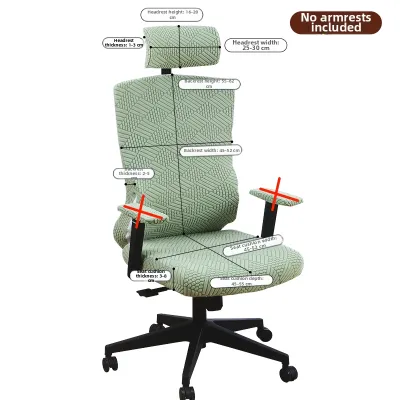
Measure the backrest height from the seat joint to the top edge, the backrest width at its widest point, the seat cushion depth from front to back, and the seat cushion width. If your chair has integrated armrests (where the armrest connects both the backrest and the seat), a standard two-piece or zippered one-piece cover will not fit. You will need a specialized cover designed for loop-arm chairs or a highly elastic slipcover with specific side openings.
For chairs with adjustable armrests, ensure the cover has zippered or velcro side slots that allow the armrest supports to pass through unimpeded. High-back executive chairs and gaming chairs often require covers with extra length and built-in headrest pockets, whereas mid-back task chairs need shorter, snugger fits.
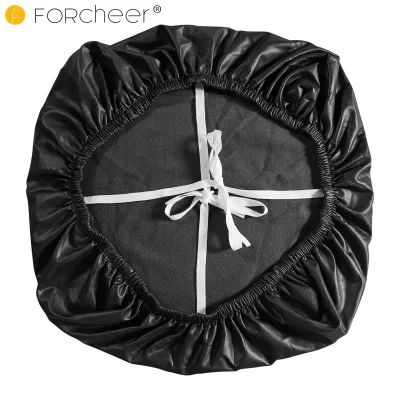
Finally, evaluate the securing mechanisms. Elastic hems alone can slip and slide on smooth leather chairs; look for covers that feature adjustable tie-down straps, under-seat buckles, or heavy-duty zippers to lock the fabric in place.
Evaluate Installation and Daily Maintenance
Before buying, review the manufacturer’s installation instructions. A good cover should slip on smoothly without requiring specialized tools, disassembly of the chair’s main structural joints, or excessive force that could strain the seams.
Check the care label carefully before your first wash. Note the maximum washing temperature limits (often cold or lukewarm water to preserve elastic fibers) and drying restrictions. Many stretch fabrics contain spandex or elastane, which can degrade, lose elasticity, or melt if exposed to high heat in a clothes dryer; air drying is usually recommended.
For daily maintenance, plan a routine based on the fabric type. Textured fabrics like jacquard or waffle knits tend to trap crumbs and pet hair in their crevices, requiring regular vacuuming with an upholstery brush attachment or spot-cleaning with a damp cloth.
Frequently Asked Questions (FAQ)
Will a cover void my office chair's warranty?
Using an aftermarket chair cover generally does not void your office chair’s warranty, as it is a non-permanent accessory. However, you should check the original chair’s warranty terms regarding modifications or accessories. Ensure the cover does not block or damage the chair’s mechanical parts, such as gas lifts, recline tension knobs, or adjustable armrest mechanisms, as physical damage caused by improper installation or interference could affect your warranty coverage.
Can I use a chair cover on a mesh ergonomic chair?
Yes, you can use a cover on a mesh ergonomic chair, but doing so will likely reduce its primary benefit: breathability. Mesh chairs are designed to maximize airflow and keep you cool. If you must use a cover to protect the mesh from dust, pet hair, or wear, choose a very thin, highly stretchable, and open-weave fabric that allows air to pass through easily, rather than a thick, padded, or water-resistant cover.
Community discussion
Share your experience or ask a question. Comments are reviewed before publication.