
Finding the right multi-functional storage stool in Singapore requires balancing space-saving utility, structural integrity, and material suitability for a tropical climate. In compact urban apartments, every piece of furniture must earn its footprint by serving multiple roles, such as acting as a seat, a footrest, a hidden compartment, or even a temporary tabletop. To make an informed purchase, you must look beyond aesthetics and carefully evaluate how a stool’s design, dimensions, and materials align with your daily household routines and spatial constraints.
Understanding Multi-Functional Storage Stool Designs
Multi-functional storage stools come in several distinct structural configurations, each tailored to different organizational needs and spatial layouts. Understanding these core designs allows you to narrow down your options based on what you intend to store and how often you need to access those items.
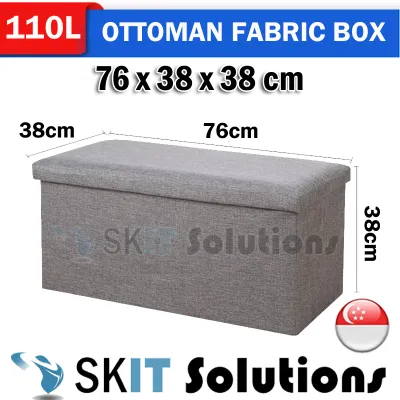
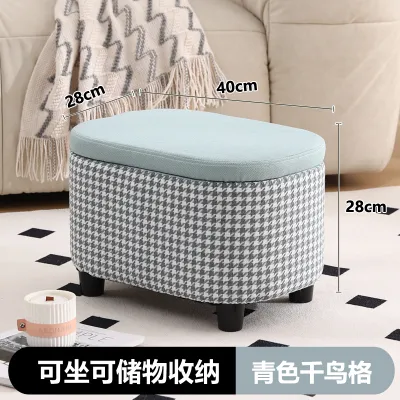
Flip-top ottomans and hidden compartment benches are among the most common designs available. These units feature a removable or hinged lid that conceals a hollow interior cavity. Lift-off lids offer complete, unobstructed access to the storage space, making them ideal for storing bulky items like seasonal bedding or extra cushions. Hinged lids, particularly those equipped with safety hinges or gas struts, allow for hands-free access as the lid stays open on its own, which is highly convenient for frequently accessed items like toys or entryway accessories.
Products mentioned in this guide
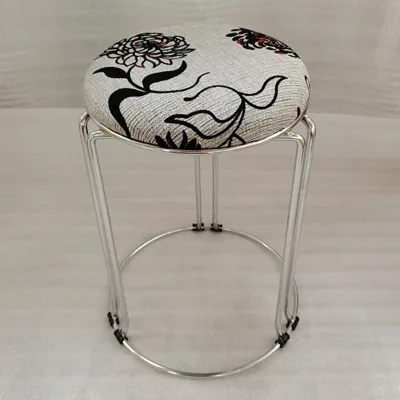
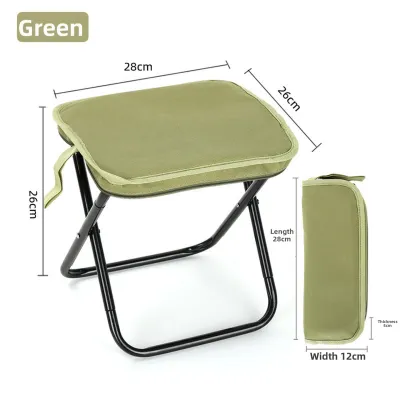
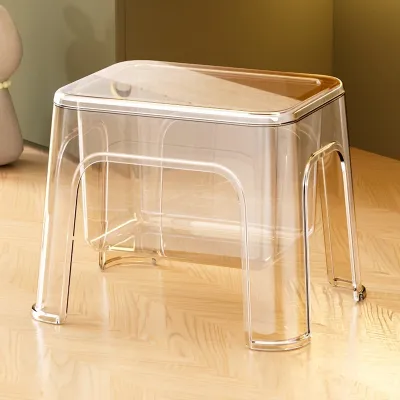
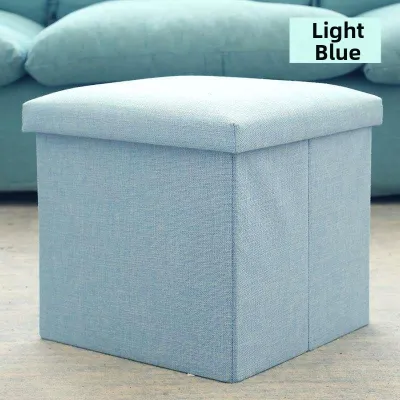
Prices are valid at publication and may change. Please refer to the product page for the latest price.
Convertible designs offer even greater versatility by transforming to serve entirely different functions. Some storage stools feature a dual-sided lid that is upholstered on one side for comfortable seating and finished with a flat, hard wooden tray on the reverse side. Flipping the lid instantly converts the stool into a stable side table or coffee table. Other convertible options include folding step-stools that open up to reveal hidden storage compartments within the steps, combining elevation assistance with compact organization.
Modular or stackable storage units provide maximum flexibility for dynamic living spaces. These stools are designed to be grouped together to form a larger seating bench or a multi-unit coffee table, and they can be easily separated when hosting guests. Some modular designs allow individual units to stack vertically when not in use, clearing valuable floor space in tight living areas. This adaptability is particularly beneficial in modern apartments where room layouts frequently need to be reconfigured.
Key Features to Evaluate Before Buying
Before committing to a purchase, it is essential to look past marketing descriptions and systematically evaluate the technical specifications of the stool to ensure it can withstand daily use.

Weight capacity and structural stability are the most critical safety factors to verify. Always check the manufacturer’s product label or specification sheet for the maximum static and dynamic load limits. A stool intended for seating should comfortably support the weight of an adult, which typically requires a robust internal frame. Look for frames constructed from solid timber, reinforced plywood, or metal, and verify that the joints are secured with heavy-duty screws or dowels rather than simple adhesive.
Upholstery durability and cleaning requirements must be matched to your specific household conditions. In Singapore’s humid climate, fabric choices require careful consideration to prevent moisture retention and mold growth. If opting for fabric, check the care label to see if the material has been treated with a water-resistant or stain-resistant coating, or look for removable, washable covers. Synthetic leathers like polyurethane (PU) are easy to wipe clean but can degrade or peel over time when exposed to high humidity and friction; checking for high-grade, breathable synthetic options can mitigate this risk.
The relationship between internal compartment dimensions and the external footprint is another vital consideration. Do not assume that a large stool automatically translates to vast storage space. Thick foam padding, recessed hinges, and internal dividers can significantly reduce the actual usable volume. Measure the items you plan to store—such as specific storage boxes, shoes, or documents—and compare those measurements against the internal dimensions provided by the manufacturer to ensure a proper fit.
Matching Stool Types to Your Space and Needs
To maximize the utility of a multi-functional storage stool, you should align its specific design features with the unique demands of the room where it will be placed.
In entryways and hallways, a storage stool primarily serves as a convenient spot to sit while putting on or taking off shoes. For these high-traffic zones, a narrow, bench-style storage stool with a drop-down front compartment or integrated shoe shelves is highly effective. Ensure the finished dimensions of the stool do not obstruct the swing radius of your front door or any nearby household shelter doors. Additionally, verify that the stool’s height is comfortable for sitting and rising easily.
For living rooms, a larger storage ottoman can serve as a central coffee table, a footrest, and extra seating for guests. In this scenario, stability is paramount. If you plan to rest drinks or trays on the ottoman, look for designs with firm, flat tops or reversible tray lids. Because these stools are often positioned in the center of the room, ensure there is sufficient clearance around all sides to allow for comfortable foot traffic and easy access to nearby sofa reclining mechanisms.
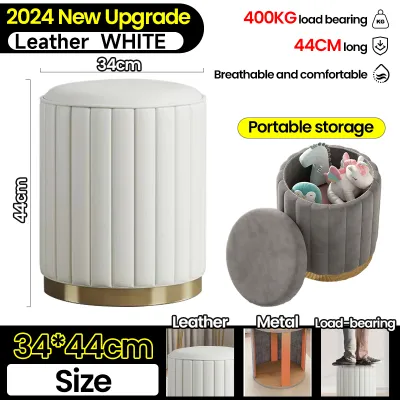
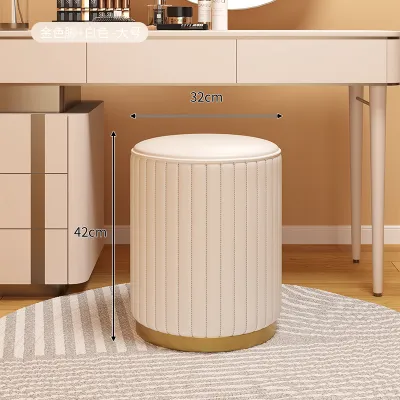
In bedrooms or vanity areas, storage stools are ideal for tucking away extra linens, hair styling tools, or personal accessories. A compact, cylindrical, or square stool with a plush, upholstered seat fits neatly under a vanity table when not in use. For bedroom settings, prioritize soft, non-abrasive base materials or protective feet to prevent scratching delicate flooring, and choose a lid mechanism that operates quietly to avoid disturbing others.
How to Verify Quality and Safety Without a Showroom
When shopping online without the ability to physically test a product in a showroom, you must rely on a structured verification process to assess quality and safety.
Start by thoroughly reading the manufacturer’s technical specifications. Look for explicit details regarding the materials used in the frame, the density of the seat foam, and the type of hardware installed. High-quality listings will specify the exact wood species or metal grade used, rather than using vague terms like “wood materials.” If the specifications lack clear details about weight limits or construction materials, contact the retailer directly to request these details before purchasing.
Analyze customer reviews systematically to identify potential red flags. Pay close attention to feedback regarding the moving parts of the stool, such as the hinges, gas struts, and folding mechanisms. If multiple reviews mention that the hinges bent easily, the lid does not align properly when closed, or the stitching began to unravel after minimal use, these are strong indicators of substandard manufacturing. Also, look for comments regarding the stability of the stool when used as a seat or step.
For hybrid designs like step-stool storage units, verifying stability and anti-tip features is crucial. Check the product descriptions for a wide, flared base design or non-slip rubber feet that grip the floor securely. The center of gravity should remain low even when the storage compartment is empty. Avoid designs that appear top-heavy or lack structural reinforcement at the base, as these pose a significant tipping hazard when stepped on.
Where to Shop and What to Check Upon Delivery
Acquiring a storage stool involves comparing options across various retail channels and performing a rigorous inspection immediately upon delivery to ensure the product is free from defects.
You can find multi-functional storage stools across brand official stores, specialized furniture retailers, and general online marketplaces. When comparing price points in S$, look beyond the initial purchase price and factor in delivery fees, assembly charges, and potential GST additions. Specialized furniture retailers often provide more detailed material specifications and structured warranties, whereas general online marketplaces may offer lower prices but require more diligent verification of product quality and seller return policies.
As soon as your stool is delivered, perform a thorough unboxing inspection before signing any delivery confirmation slips. Test the lid mechanism multiple times; hinges should operate smoothly without squeaking, grinding, or resisting, and gas struts should hold the lid open securely without dropping. Examine the stitching along all seams to ensure there are no loose threads, misaligned panels, or gaps where the fabric meets the frame.
Finally, verify the retailer’s return policy and warranty coverage, particularly concerning the moving parts. A reputable seller should offer a clear window for reporting transit damage or manufacturing defects. Keep the original packaging intact until you have fully inspected the stool and confirmed that all hardware is present, tight, and functioning as intended.
Frequently Asked Questions (FAQ)
How much weight can a typical storage stool hold?
To determine the weight capacity of a storage stool safely, you must check the specific manufacturer tags, product manuals, or official online specification sheets. The load limit is heavily influenced by the frame material and joint construction; stools built with solid timber or reinforced steel frames can support significantly more weight than those made from thin engineered wood or folding cardboard cores. Never exceed the stated weight limit, as overloading can compromise the joints and lead to sudden structural failure.
Are fabric storage stools difficult to clean in humid climates?
Fabric storage stools can be challenging to maintain in humid tropical climates if they lack proper moisture resistance. To prevent mold, mildew, and stains, always check the care labels for specific cleaning instructions and fabric composition. Opting for stools with removable, machine-washable covers or selecting synthetic fabrics treated with water-repellent coatings makes maintenance much easier. Regular vacuuming and keeping the stool in a well-ventilated area of your home will also help prevent moisture buildup.
Do multi-functional stools require assembly?
Assembly requirements vary widely depending on the design of the storage stool. Many standard upholstered ottomans and benches are delivered fully assembled, requiring you only to screw on the legs or feet. However, convertible designs, modular units, and folding step-stools often arrive as flat-pack furniture that requires full assembly. Always check the product listing to see if assembly tools are included, and remember to re-tighten all screws and hardware after the first few weeks of use to maintain structural stability.
Community discussion
Share your experience or ask a question. Comments are reviewed before publication.