
In Singapore’s compact HDB flats and condominiums, maximizing every square meter of floor space is a daily design challenge. As home layouts become more streamlined, the demand for furniture that serves multiple purposes has grown significantly. A multi-functional storage ottoman is one of the most practical investments you can make for a small home. It functions simultaneously as a comfortable seat, a footrest, a coffee table alternative, and a hidden vault to clear away daily clutter. However, finding the right one requires looking beyond aesthetics to evaluate precise dimensions, opening mechanisms, and material durability. By focusing on structural checks and spatial compatibility, you can select an ottoman that seamlessly integrates into your layout without disrupting the flow of your home.
Assessing Space Constraints and Dimension Limits
Before browsing online marketplaces or visiting local furniture showrooms, you must establish the absolute physical limits of your room. Singapore apartments often feature narrow entryways, tight corridors, and compact living areas where even a few centimeters can make the difference between a comfortable layout and a cramped bottleneck.
To begin, measure the exact path the furniture must travel to reach its final destination. This includes the width of your passenger lift door, the clearance of your main entryway, and any tight corners in your foyer. A common delivery mistake is purchasing a long, rectangular storage bench that cannot clear the turn from the front door into the main living space.
Products mentioned in this guide
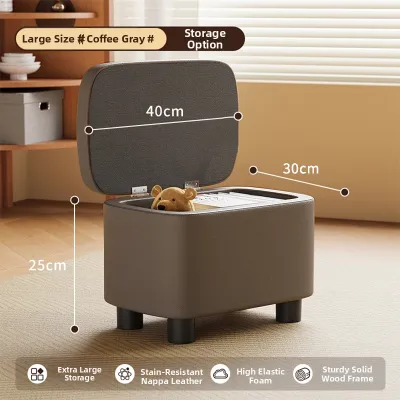
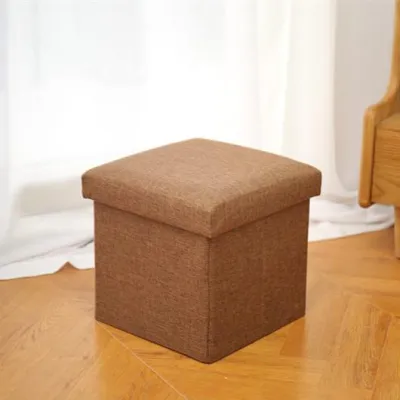
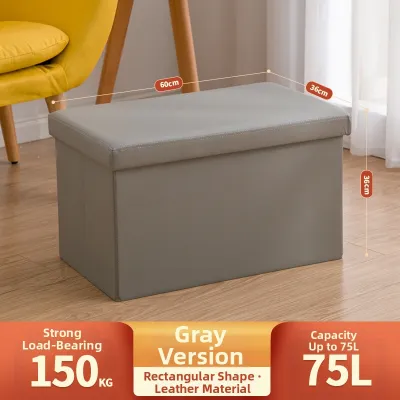
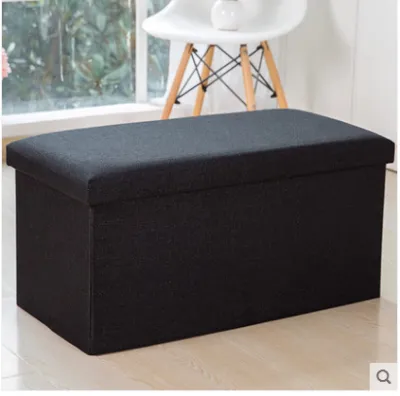
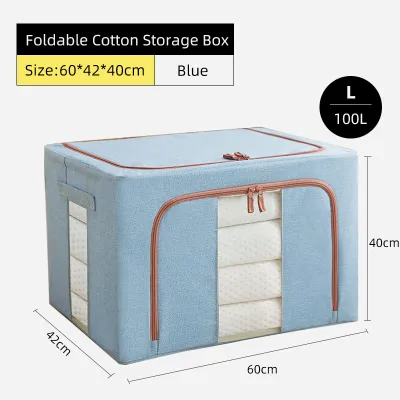
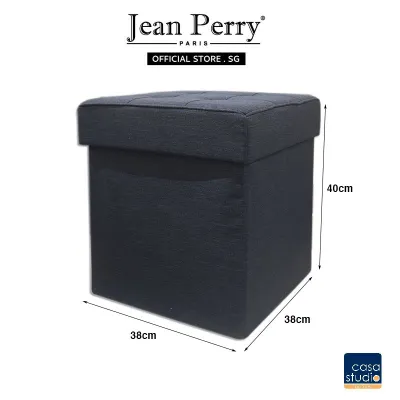
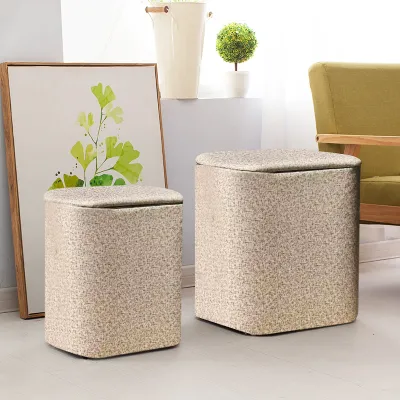
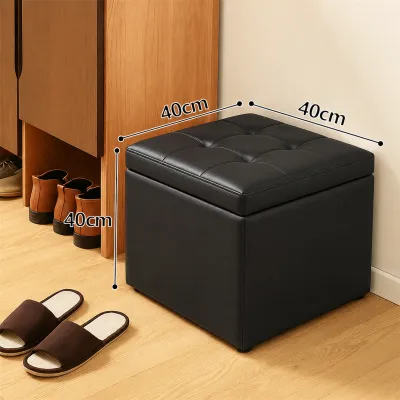
Prices are valid at publication and may change. Please refer to the product page for the latest price.
Once you have verified the delivery path, map out the placement footprint on your floor using masking tape. This visual aid helps you assess how much physical space the ottoman will occupy. As a general rule, maintain at least 60 to 75 centimeters of clear walkway space around the ottoman. This ensures that family members can walk past comfortably without bumping their shins, especially when the ottoman is placed in high-traffic zones like the living room or entryway.
Next, consider the height of the ottoman relative to your existing furniture. If you plan to use it as a footrest or extra seating for guests, the top of the cushion should align closely with your sofa’s seat height—typically between 40 and 45 centimeters. An ottoman that is too high will strain your legs when lounging, while one that is too low will feel awkward to sit on. If you intend to use it primarily as a coffee table, it can sit slightly lower than the sofa cushions to maintain a clean, modern sightline.
Finally, do not forget to calculate the vertical and horizontal clearance required for operation. A lift-top or hinged ottoman requires clear vertical space above it to open fully. If you place it directly under a low coffee table or a wall-mounted shelf, you will struggle to access the interior. For drawer-based models, measure the depth of the drawers when fully extended to ensure they do not collide with other furniture pieces or block walkways when opened.
Evaluating Storage Mechanisms and Accessibility
The way your storage ottoman opens determines how practical it will be for daily use. Different mechanisms suit different storage needs, room layouts, and household dynamics.

Lift-off lids are the simplest design, featuring a completely removable top. Because they have no mechanical hinges or moving parts, they are highly durable and offer maximum internal storage volume. However, they require you to lift the entire lid off and find a place to set it down whenever you need to access the contents. This can be inconvenient if you use the ottoman frequently. Lift-off models are best suited for storing long-term, seasonal items that you only need to access occasionally, such as extra bedding or travel gear.
Hinged tops, particularly those equipped with hydraulic stays or safety tension hinges, offer a much more convenient user experience. The lid remains attached to the frame and stays open on its own, allowing you to use both hands to retrieve items. When evaluating hinged models, always check the manufacturer’s specifications for safety features. High-quality hydraulic struts or soft-close hinges are essential, especially in homes with children or pets, as they prevent the heavy lid from slamming shut unexpectedly on fingers.
Drawer-based storage benches are an excellent alternative for entryways or the foot of a bed. Instead of lifting the seat, you simply slide out drawers from the front or sides. This design allows someone to remain seated on the bench while another person accesses the storage below. However, drawers require completely clear floor space in front of the unit to slide open smoothly. They are also prone to catching on thick rugs or carpets, so they are best paired with smooth flooring like vinyl, laminate, or polished tiles.
Beyond the opening mechanism, inspect the internal structure of the storage compartment. A single, undivided compartment is ideal for bulky items like pillows, duvets, or winter coats. However, for smaller items like remote controls, chargers, toys, or shoe-cleaning kits, a single large space can quickly become a disorganized mess. Look for ottomans that include removable fabric dividers, built-in trays, or modular compartments to keep smaller belongings organized and easy to find.
Lastly, verify the manufacturer’s stated weight capacities. A reliable storage ottoman must list two separate weight limits: the static weight capacity for the seat (how much weight it can support when someone sits on it) and the internal storage weight capacity. A flimsy base made of thin fiberboard can easily bow, crack, or collapse if packed with heavy books, files, or exercise equipment.
Selecting Materials and Upholstery for High-Traffic Areas
Because a storage ottoman often serves as a seat, footrest, and table, its surface material must withstand high-frequency use while resisting the challenges of Singapore’s warm, humid climate.
When evaluating fabric upholstery, look for high-performance synthetic blends such as polyester, nylon, or acrylic. These materials are naturally more resistant to wear, staining, and moisture absorption than pure natural fibers like cotton or linen. Natural fibers tend to trap humidity, which can lead to musty odors and mold growth over time. Check the product specifications for stain-resistant or water-repellent coatings, which allow you to wipe away accidental spills before they sink into the cushion. If possible, opt for models with removable, machine-washable covers to make long-term maintenance straightforward.
Faux leather, such as polyurethane (PU) or polyvinyl chloride (PVC), offers a sleek, modern look that is incredibly easy to wipe clean with a damp cloth. This makes it a popular choice for households with young children or pets. However, cheap PU leather is highly susceptible to hydrolysis—a process where the material reacts with ambient humidity and begins to crack or peel. To avoid this, look for high-grade, breathable synthetic leathers, or consider genuine leather if your budget allows. Genuine leather is exceptionally durable and develops a beautiful patina over time, but it requires regular conditioning to prevent drying out in air-conditioned rooms.
The internal frame construction is just as critical as the outer upholstery. Avoid ottomans constructed entirely from cheap particle board or medium-density fiberboard (MDF), as these materials can swell and lose structural integrity when exposed to floor mopping or high humidity. Instead, look for frames made from solid hardwood (such as rubberwood or oak) or high-grade birch plywood. Inspect the joint construction in product diagrams or showroom models; joints that are reinforced with screws, dowels, and corner blocks are far more stable under dynamic seating loads than those held together solely by glue and staples.
Finally, pay close attention to the base and leg design. Ottomans that sit flush on the floor can trap dust, pet hair, and moisture underneath, creating a breeding ground for allergens. Choosing a model with raised legs—ideally at least 10 to 15 centimeters high—allows robotic vacuums, brooms, and mops to pass underneath easily, keeping your home cleaner. Ensure the legs are fitted with high-quality floor protectors, such as felt pads for parquet and laminate floors, or rubber caps for tiled surfaces, to prevent unsightly scratches when the ottoman is moved.
Matching Ottoman Styles to Specific Room Layouts
To build a practical shortlist, match the shape, size, and features of the ottoman to the specific room layout and functional requirements of your home.
In the living room, a storage ottoman can easily replace a traditional, bulky coffee table to free up visual space. For this setup, look for square or round ottomans with a firm, flat top. Soft, deeply tufted cushions are comfortable for resting your feet, but they are unstable for holding cups, glasses, or decorative items. To solve this, verify if the ottoman is compatible with a rigid wooden, metal, or acrylic serving tray. Placing a tray on top creates a stable, flat surface for drinks and snacks, which can be quickly lifted off when you need to convert the table back into extra seating for guests.
In the bedroom, a long, rectangular storage bench placed at the foot of the bed is a classic space-saving solution. This setup is perfect for storing spare bedsheets, bolster cases, and seasonal duvets that would otherwise take up valuable wardrobe space. When sizing a bedroom bench, ensure its width is slightly narrower than your bed frame to maintain balanced proportions and prevent stubbed toes. For example, a 120-centimeter-wide bench pairs beautifully with a 150-centimeter queen-sized bed, leaving a comfortable 15-centimeter clearance on either side. The height of the bench should sit slightly below or flush with the top of your mattress.
In the entryway, space is typically at an absolute premium. A narrow, slim-profile storage bench with a depth of 30 to 35 centimeters is ideal for tight foyers. This provides a comfortable spot to sit while putting on or taking off shoes, while the interior compartment can house shoe-cleaning kits, umbrellas, or daily footwear. Look for entryway benches with slatted lower shelves or breathable mesh compartments to allow damp shoes to air out, preventing unpleasant odors from building up in a closed space. Alternatively, modular, cube-shaped ottomans can be tucked neatly under an entryway console table and pulled out only when needed.
Pre-Purchase Verification and Delivery Logistics
Before finalizing your purchase online or at a local retail store, complete a thorough pre-purchase check to avoid costly returns, delivery delays, or structural failures.
First, cross-reference the exact dimensions listed on the product specification sheet against your taped-out floor plan. Do not rely solely on promotional photos, which are often shot in large, high-ceilinged studios that make furniture look smaller than it actually is. Verify the maximum static weight limit to ensure the unit can safely support the heaviest adult in your household, especially if it will be used as primary seating during gatherings.
Second, review the assembly requirements carefully. Many flat-pack storage ottomans require self-assembly, which can range from simply screwing on the legs to assembling the entire frame and mounting complex hydraulic hinges. Check if the package includes all necessary tools, such as Allen keys or mini wrenches, or if you will need to prepare your own screwdriver, hammer, or level. If you are not confident in your assembly skills, check if the retailer offers an optional professional installation service, and factor this cost into your overall budget.
Third, confirm the retailer’s delivery policies and logistics constraints. In Singapore, high-rise living presents unique delivery challenges. Some retailers charge additional delivery surcharges if the packaged furniture cannot fit into a standard passenger lift and must be carried up the stairs manually. Always measure your lift cabin’s height, width, and diagonal depth, and compare these measurements to the packaged product dimensions provided by the seller. Additionally, check if the delivery service includes disposal of your old furniture, as many town councils or condo management offices have strict rules regarding the disposal of bulky items.
Frequently Asked Questions (FAQ)
Can a storage ottoman safely replace a traditional coffee table?
Yes, a storage ottoman can serve as an excellent coffee table alternative, provided you verify a few key specifications. First, check the manufacturer’s stated maximum static weight limit for the closed lid to ensure it can support the weight of heavy trays, books, or laptops. Second, ensure the top cushion is firm and flat rather than highly domed or deeply tufted, which can cause cups and glasses to tip over. To protect the upholstery from heat, condensation, and accidental spills, always use a rigid, flat serving tray on top of the ottoman. This creates a stable, easy-to-clean surface for daily use while preserving the soft, comfortable nature of the piece when you want to use it as a footrest.
How do I prevent mold or odors inside the storage compartment?
Singapore’s tropical climate and high humidity can easily trap moisture inside closed storage spaces, leading to mold, mildew, and musty odors. To prevent this, never store damp textiles, wet umbrellas, or unwashed items inside the ottoman. Ensure that all stored blankets, sheets, or clothes are completely dry before putting them away. Establish a routine to open the ottoman lid fully for a few hours every week to allow fresh air to circulate throughout the compartment. Additionally, place safe, non-toxic silica gel desiccant packs, activated charcoal deodorizers, or moisture-absorbing tubs inside the compartment to actively absorb excess moisture and neutralize odors.
Community discussion
Share your experience or ask a question. Comments are reviewed before publication.