
Selecting the correct Muji storage box for your closet depends on precisely measuring your internal space, understanding your wardrobe composition, and determining how frequently you need to access your items. By matching the modular sizes of Muji’s polypropylene (PP) and soft fabric storage lines to your closet’s depth and height, you can create a highly functional, customized system that maximizes every square centimeter of your wardrobe.
Assess Your Closet Space and Accessibility Needs
Before purchasing any storage units, take precise measurements of your closet’s interior. Measure the total width, depth, and height of each shelf, niche, or floor section. Do not rely on standard closet estimates, as internal hardware like door hinges, sliding tracks, hanging rails, and baseboards can significantly reduce the actual usable space.
Map out your closet into distinct accessibility zones based on how often you reach for different items. The prime real estate between your waist and eye level is ideal for daily wear, where drawer-style units allow quick access. Lower levels work best for heavier items or pull-out bins, while the highest shelves should be reserved for seasonal garments, extra bedding, or travel gear that you only need occasionally.
Products mentioned in this guide
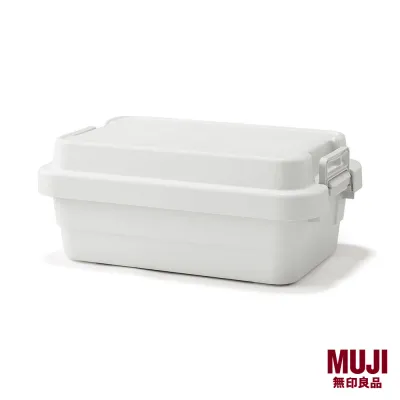
![[Bundle of 2] MUJI PP Storage Width 55 x Depth 44 series](https://img.lazcdn.com/g/p/426cdb91cadbc2bd7319357812687509.jpg_400x400q80.jpg_.webp)
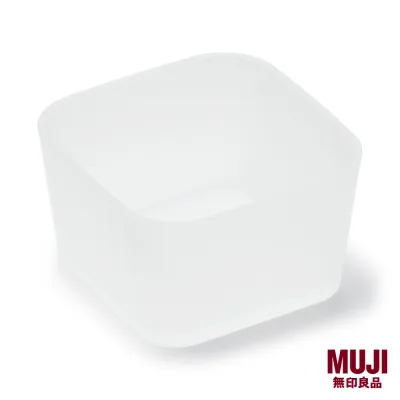
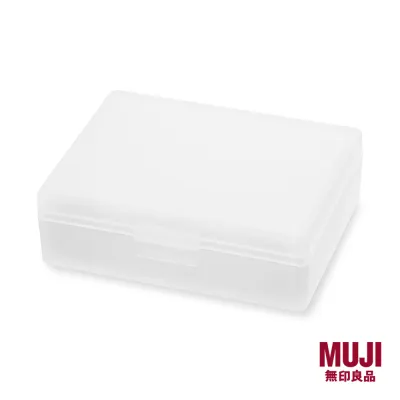
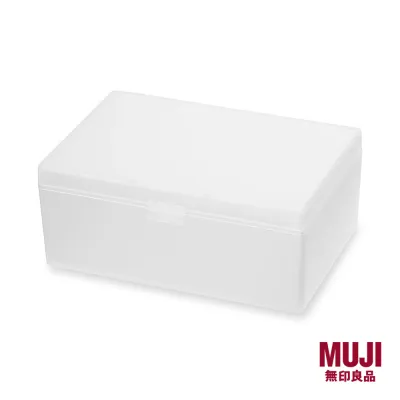
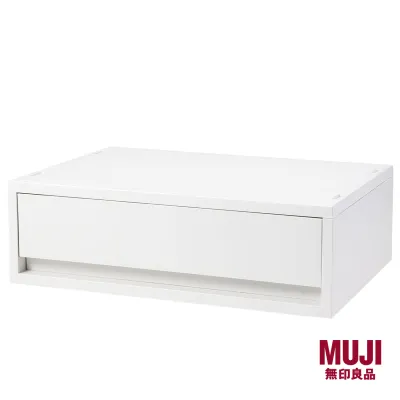
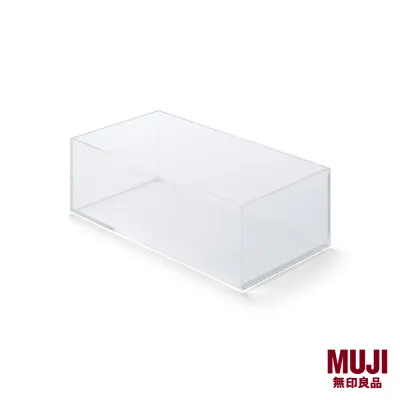
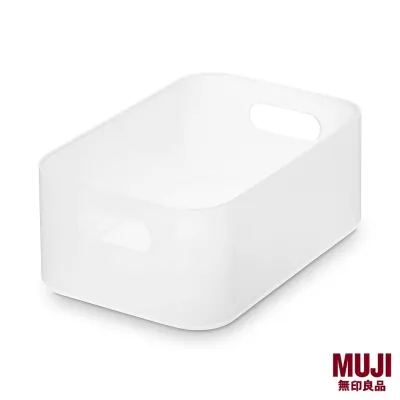
Prices are valid at publication and may change. Please refer to the product page for the latest price.
Pay close attention to how your closet doors operate. If you have hinged doors that swing inward, they may block drawers from opening fully if the units are placed too close to the frame. For sliding doors, one half of the closet is always covered, meaning your drawer units must be positioned to slide out cleanly within the open gap without catching on the door tracks or overlapping panels.
Match Muji Storage Types to Your Wardrobe Items
Muji offers several distinct storage categories, including modular polypropylene (PP) drawer units, stackable lidded cases, and open fabric or woven bins. Selecting the right type depends on whether you prefer to file your clothes vertically, stack them flat, or corral loose accessories. The weight of your items and your preferred folding method will ultimately dictate whether you need shallow, medium, or deep storage solutions.

Polypropylene (PP) Drawer Units for Folded Clothes
Polypropylene drawer units are highly effective for closet organization, especially for garments that can be folded and stored vertically. Shallow drawers are efficient for thin items like t-shirts, activewear, and undergarments, preventing you from having to dig through deep stacks. Medium and deep drawers are better suited for bulky knitwear, jeans, and sweaters that require more vertical clearance.
In warm, humid climates like Singapore’s, choosing moisture-resistant materials like polypropylene is particularly beneficial for protecting fabrics from mildew. However, when planning your drawer stack, always check the manufacturer’s weight limits listed on the product labels. Overloading drawers with heavy textiles can cause the plastic frames to sag over time, which misaligns the tracks and makes opening and closing them difficult.
You should also consider the visual impact of translucent versus opaque drawer fronts. Translucent PP drawers allow you to identify contents at a glance, which is highly practical but can look cluttered if your folding is untidy. If you prefer a clean, minimalist aesthetic, you can insert solid paper liners inside the front panel or opt for opaque versions where available to shield your items from both view and direct light exposure.
Stackable Cases and Bins for Bulky or Seasonal Items
For items that you do not need to access daily, stackable cases with secure lids offer excellent protection. These are ideal for storing off-season bedding, heavy winter coats, or travel accessories on top shelves or deep closet floors. Lidded designs keep dust, moisture, and pests away from delicate fabrics during long-term storage.
Before stacking multiple cases, verify the interlocking mechanisms and weight-bearing specifications on the manufacturer’s label. Placing too much weight on top of a lower unit can warp the lid, making it difficult to open and potentially damaging the items inside. Always place the heaviest, most rigid cases at the bottom of the stack to maintain stability.
For accessories, bags, or frequently used items that do not require strict dust protection, open bins or soft fabric inserts are highly effective. These open-top solutions allow you to quickly drop in or retrieve items like scarves, belts, or handbags. They can be placed directly on shelves or inside larger drawer units to act as internal dividers.
Calculate Dimensions and Clearances for a Perfect Fit
Achieving a built-in look with modular storage requires careful calculation of clearances. Never assume a box will fit just because its nominal dimensions match your shelf measurements. You must subtract a small margin of safety—typically around one to two centimeters—from the width and height to allow you to easily slide the units in and out during installation or cleaning.
Furthermore, account for the full extension depth of drawer units. A drawer that fits perfectly when closed is of little use if it hits a bed frame, wall, or door when pulled open. Measure the clearance in front of the closet to ensure you can stand comfortably while opening the drawers to their maximum limit.
It is also vital to check how freestanding drawer units interact with your existing hanging space. Ensure that hanging coats, dresses, or shirts do not drape over the top of the storage units, as this can block drawer operation and cause clothes to become wrinkled or caught in the slides.
Always consult the exact product specification sheets for exterior dimensions rather than relying on general size names like “small,” “medium,” or “large.” Muji’s sizing system is highly precise, and even a discrepancy of a few millimeters can prevent a modular stack from fitting into a tight closet alcove.
Configure and Combine Units for Long-Term Flexibility
One of the greatest advantages of Muji’s storage system is its modularity, which allows you to mix and match different widths, heights, and depths to create a custom configuration. You can stack narrow drawers next to wider units, keeping the overall footprint aligned with your closet’s grid. This flexibility means your storage can evolve as your wardrobe changes over the years.
If you plan to place your storage units on the closet floor, consider adding compatible casters or dedicated base plates. This addition allows you to easily roll the entire stack out of the closet for vacuuming, retrieving fallen items, or reconfiguring your layout. Ensure your closet floor is level and free of high thresholds if you plan to use wheeled units.
Finally, check the compatibility of add-on components before finalizing your purchase. Many Muji series offer matching internal dividers, tray inserts, or clip-on connectors that keep individual units securely joined. Utilizing these official accessories ensures that your drawers remain organized internally and stable externally, preventing shifting during daily use.
Frequently Asked Questions (FAQ)
Can I stack different sizes of Muji PP storage drawers?
Yes, you can stack different heights of Muji PP storage drawers, provided they share the exact same width and depth footprint. Stacking units with mismatched footprints compromises stability and can cause the top units to slide off or tip over. Always check the manufacturer’s guidelines for the maximum recommended stacking height, and place the heaviest, widest units at the very bottom of the stack to maintain a low center of gravity.
How do I prevent dust buildup inside the drawer units?
While Muji PP drawers fit together closely, they are not completely airtight. To minimize dust buildup, check the gap tolerances on the product specifications and avoid overstuffing the drawers, which can force the joints open. Placing clean drawer liners at the bottom of each unit can help catch stray fibers, and maintaining a clean, regularly vacuumed closet environment will significantly reduce the amount of airborne dust that settles inside your storage.
Community discussion
Share your experience or ask a question. Comments are reviewed before publication.