
Choosing an outdoor shoe rack cabinet in Singapore requires balancing high humidity, intense UV exposure, and sudden downpours. Because there is no single material that fits every home perfectly, the right choice depends on verifying specific material treatments and structural designs. High-grade UV-stabilized plastics, powder-coated or anodized metals, and pressure-treated woods or capped wood-composites can all perform well if they meet strict weatherproofing standards. The key is knowing how to inspect these materials and verify their specifications before making a purchase. By understanding how different materials interact with the tropical climate, you can select a cabinet that protects your footwear and maintains its structural integrity over time.
Understanding the Climate Challenges for Outdoor Storage
Singapore’s tropical climate presents a unique set of environmental stressors that rapidly degrade standard indoor furniture. High relative humidity, which frequently hovers above 80 percent, creates a breeding ground for mould, mildew, and fungal spores. When moisture becomes trapped inside a closed cabinet, it can ruin footwear, causing leather to mould and adhesives to fail.
Heavy rainfall and sudden downpours introduce the risk of direct water ingress. If a cabinet lacks proper seals or drainage, standing water can pool at the base, leading to structural swelling or rust. Furthermore, intense UV radiation from direct sunlight can break down chemical bonds in untreated materials. This leads to fading, warping, and brittleness in plastics, and cracks in protective wood finishes. To withstand these conditions, any outdoor shoe rack cabinet must be evaluated against these specific environmental threats.
Products mentioned in this guide
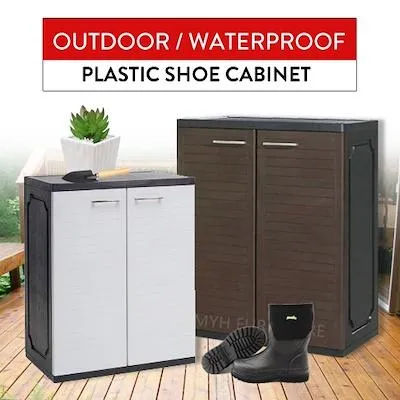
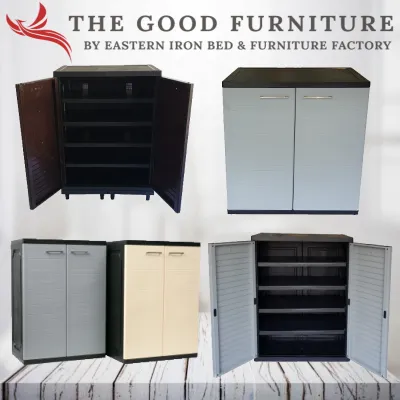
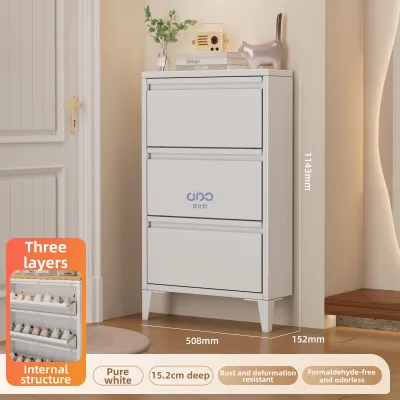
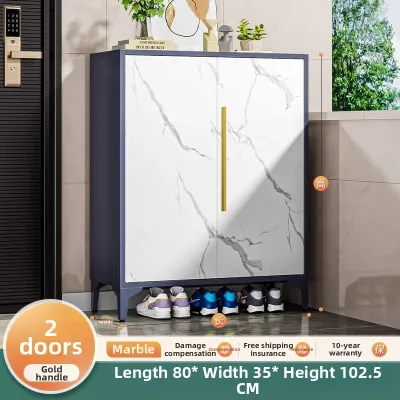
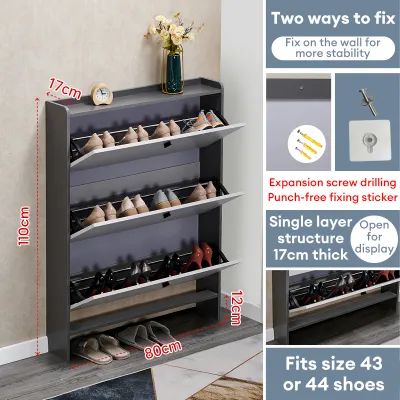
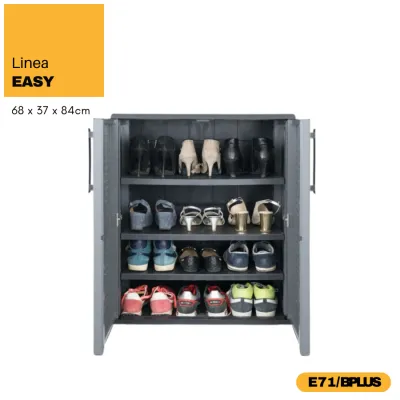
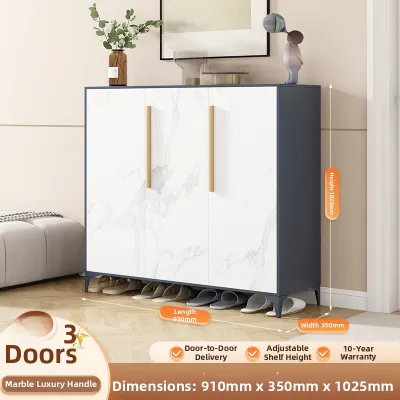
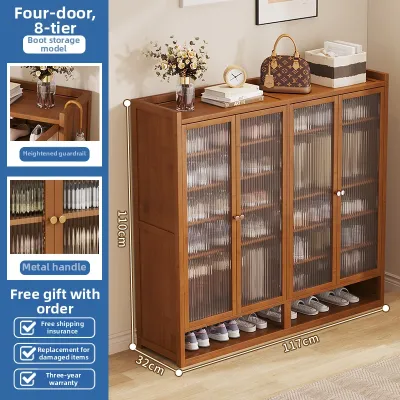
Prices are valid at publication and may change. Please refer to the product page for the latest price.
Evaluating Common Cabinet Materials for Humid Conditions
When shopping for an outdoor shoe rack cabinet, relying solely on broad material categories like “wood” or “metal” is insufficient. The manufacturing process, surface treatments, and hardware quality determine how well a cabinet will endure outdoor exposure. A robust evaluation framework focuses on three main pillars: surface protective coatings, core material density, and hardware compatibility. By examining these specifications, you can identify which material aligns with your specific outdoor setup, maintenance willingness, and aesthetic preferences.

Plastic and Resin Options
Plastic and synthetic resin cabinets are highly popular for outdoor use due to their inherent resistance to water damage and rot. Unlike natural materials, polymers do not absorb moisture, making them completely immune to swelling and rust. However, not all plastics are engineered equally for outdoor exposure.
When evaluating plastic cabinets, the first critical specification to check is UV stabilization. Look for manufacturer labels indicating “UV-resistant,” “UV-stabilized,” or the use of high-density polyethylene (HDPE) or polypropylene. Without UV protection, prolonged exposure to sunlight will cause the plastic to become brittle, crack, and fade over time.
Next, inspect the molding quality and panel joints. High-quality resin cabinets feature precision-molded panels that snap or screw together tightly, leaving no gaps for rainwater to seep into the interior. Look for double-walled panels, which offer superior structural rigidity compared to thin, single-walled alternatives. Finally, verify the weight capacity of the shelves. While plastic is excellent for moisture resistance, hollow or unreinforced plastic shelves can sag under the weight of heavy footwear. Check the product specifications for the maximum load capacity per shelf to ensure it can support your household’s footwear without deforming.
Metal and Aluminum Frames
Metal cabinets offer exceptional structural strength, sleek modern aesthetics, and excellent security. However, the primary threat to metal in a humid, coastal, or tropical environment is oxidation and rust. To ensure longevity, you must look closely at the specific metal type and its protective finish.
Aluminum is naturally highly resistant to rust because it forms a protective oxide layer when exposed to air. For steel cabinets, ensure the product description specifies a hot-dip galvanized, anodized, or powder-coated finish. Powder coating provides a thick, durable barrier that shields the underlying metal from moisture and oxygen, but it must remain intact to prevent rust from spreading.
Pay close attention to the connection points, hinges, and assembly hardware. Even if the main cabinet panels are rust-resistant, manufacturers sometimes use cheaper, untreated steel screws or hinges. Over time, these small components will corrode, leading to squeaky doors, sagging hinges, and rust stains on the cabinet body. Verify that all hardware is specified as stainless steel or treated with a rust-resistant coating. Additionally, check the design of the base. An outdoor metal cabinet should feature elevated feet or integrated drainage holes. This prevents the bottom of the cabinet from sitting directly in pooled rainwater on your balcony or patio, which can accelerate corrosion at the contact points.
Treated Wood and Wood-Composites
For homeowners who prefer a warm, natural aesthetic, wood remains a highly desirable option. However, standard indoor wood furniture will quickly warp, rot, and split when exposed to Singapore’s humidity and rain. To use wood outdoors, you must select specific species or engineered composites designed for exterior environments.
If choosing natural wood, look for highly durable hardwoods like teak, eucalyptus, or cedar, which contain natural oils that repel water and insects. Alternatively, ensure the wood has undergone pressure treatment or is sealed with a high-quality marine-grade varnish or water-repellent sealant. These treatments penetrate the wood fibers to block moisture absorption.
Wood-plastic composites (WPC) offer a low-maintenance alternative that mimics the look of natural wood. When evaluating WPC cabinets, check the core density and look for “capped” composite boards. Capping refers to a protective polymer sleeve that wraps around the composite core, providing an extra layer of defense against water absorption, swelling, and staining. Keep in mind that wood and wood-composites generally require a higher level of maintenance than plastic or metal. Natural wood will need periodic sanding and resealing every one to two years to maintain its water resistance. Always check the manufacturer’s warranty conditions, as many wood furniture warranties are voided if the product is placed in fully exposed outdoor areas without proper shelter.
Essential Design and Structural Features to Verify
Beyond the raw materials, the physical design and construction of an outdoor shoe rack cabinet play a vital role in protecting your footwear. A well-designed cabinet actively manages airflow and moisture to prevent the interior from becoming a damp, dark environment where mould thrives.
Ventilation is the most critical design feature to verify. Look for cabinets with louvered doors, slatted shelves, or dedicated ventilation grilles on the back or side panels. These openings allow continuous airflow, which helps dry out damp shoes, dissipates heat, and prevents the buildup of unpleasant odours. Avoid completely airtight cabinets, as they trap ambient humidity inside, creating a greenhouse effect that accelerates mould growth on leather and fabric shoes.
While ventilation is necessary, the cabinet must also protect against direct rain entry. Inspect the door design to see how it handles wind-driven rain. Louvered doors should angle downwards to shed water away from the interior. For solid-door cabinets, check for magnetic catches, tension latches, or weather stripping that keeps the doors tightly closed against splashes and prevents pests like cockroaches or lizards from entering.
Examine the quality of the moving parts. Hinges, drawer slides, and handles are subjected to constant physical stress and environmental exposure. Ensure these components are robust and made of corrosion-resistant materials. Soft-close hinges are a valuable feature, as they prevent doors from slamming shut in strong outdoor drafts, reducing wear and tear on the cabinet frame.
Space Planning and Installation Checks for Outdoor Areas
Before purchasing an outdoor shoe rack cabinet, careful space planning and installation checks are essential to ensure safety, accessibility, and compliance with local guidelines. Outdoor spaces like balconies, patios, and corridors have unique constraints that differ from indoor rooms.
Start by measuring the designated installation area accurately. In addition to the cabinet’s width, depth, and height, measure the clearance required for the doors to open fully. Ensure that opening the cabinet does not block walkways, entryways, or building access points. If you are placing the cabinet in a shared corridor, check the local town council rules or building management guidelines. Typically, a minimum clear escape passage of 1.2 metres must be maintained to ensure safe evacuation during emergencies and to prevent fire hazards.
Assess the ground surface where the cabinet will stand. Outdoor floors, especially on balconies and corridors, are often sloped slightly to facilitate water drainage. A sloped floor can cause a tall cabinet to tilt, affecting door alignment and stability. Look for cabinets with adjustable leveling feet to compensate for uneven ground.
Finally, consider wind exposure and stability. High-rise balconies and open corridors can experience strong wind gusts during storms. If you select a tall or lightweight plastic cabinet, plan for secure anchoring. Check if the cabinet includes wall-mounting brackets or anti-tip hardware, and verify whether your building guidelines permit drilling into exterior walls for anchoring.
Maintenance Routines to Extend Cabinet Lifespan
Even the most durable outdoor shoe rack cabinet requires regular maintenance to withstand Singapore’s harsh tropical climate over the long term. Implementing a simple, consistent care routine will prevent premature wear and keep your cabinet looking and functioning like new.
Establish a monthly routine to wipe down the exterior surfaces of the cabinet. Use a soft cloth, mild soap, and warm water to remove accumulated dust, pollen, and salt residue, which can trap moisture and accelerate material degradation. Avoid using abrasive cleaners or harsh chemicals that can strip away protective UV coatings or paint finishes. During this cleanup, clear any debris, leaves, or dust from drainage holes, ventilation slats, and door tracks to ensure proper airflow and water runoff.
Periodically inspect the hardware and structural joints. Check hinges, screws, and handles for early signs of rust, discoloration, or loosening. If you notice minor rust spots on metal components, clean them immediately and apply a rust-inhibiting spray or touch-up paint as recommended by the manufacturer. Lubricate moving parts like hinges and tracks with a silicone-based lubricant to keep them operating smoothly.
Manage the moisture level inside the cabinet by practicing good shoe care habits. Never place soaking wet shoes directly into a closed cabinet. Allow wet footwear to air-dry completely in a well-ventilated, shaded area before storing them. To protect the shelves from dirt and moisture, consider using removable, washable plastic drip trays. These trays catch water and mud, making it easy to slide them out and clean them without exposing the cabinet material to standing moisture.
Frequently Asked Questions (FAQ)
Can I place an indoor shoe cabinet outside if it is under a sheltered roof?
Placing an indoor shoe cabinet in a semi-sheltered outdoor area, such as a covered balcony or a deeply recessed corridor, is highly discouraged. Even if the cabinet is protected from direct rainfall, it remains exposed to Singapore’s high ambient humidity and temperature fluctuations. Indoor furniture is typically constructed from materials like standard particleboard, medium-density fibreboard (MDF), or untreated softwoods, which readily absorb moisture from the air. Over time, this ambient humidity will cause the wood fibers to swell, warp, and split, while the adhesives holding the panels together may dissolve. Furthermore, blowing rain during heavy storms can easily reach sheltered areas. Using an indoor product outdoors almost always voids the manufacturer’s warranty, leaving you unprotected against premature structural failure.
How do I prevent mould from growing inside the outdoor shoe cabinet?
Preventing mould growth inside an outdoor shoe cabinet requires active moisture control and consistent airflow. First, ensure that you never store damp or sweaty shoes directly inside the cabinet; always let them air-dry completely beforehand. Second, maximize ventilation by choosing a cabinet with louvered doors or slatted shelves, and occasionally leave the cabinet doors wide open during dry, sunny days to encourage cross-ventilation. You can also place moisture-absorbing products, such as silica gel packets or hanging dehumidifier bags, inside the cabinet, provided they are checked and replaced regularly according to the manufacturer’s instructions. Finally, wipe down the interior shelves periodically with a mild disinfectant or a diluted vinegar solution to kill any early fungal spores before they can establish a colony on your footwear.
Community discussion
Share your experience or ask a question. Comments are reviewed before publication.