
A Quick Guide to Matching Low Table Styles
Finding the perfect low table involves balancing form, function, and visual weight. A low table acts as the anchor of your living room, tying together your seating arrangement and defining the central flow of the space. Achieving visual harmony means selecting a piece that complements the scale, materials, and design language of your existing furniture rather than competing with them.
To begin your selection process, look for dominant visual cues in your current space. Observe the lines of your sofa, the finish of your flooring, and the architectural features of your room, such as window frames or built-in cabinetry. If your room features clean lines and light tones, a heavy, dark rustic table might feel out of place unless carefully balanced.
Remember that style categories are flexible frameworks rather than rigid rules. You do not need to match every piece of furniture perfectly. Instead, use these design styles as a guide to narrow down your choices and find a table that enhances the overall mood of your home.
Products mentioned in this guide
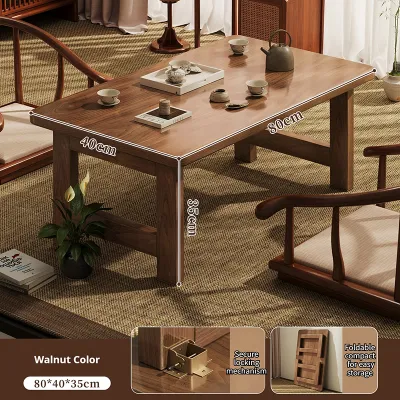
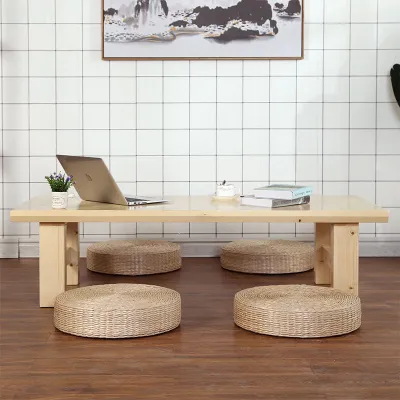
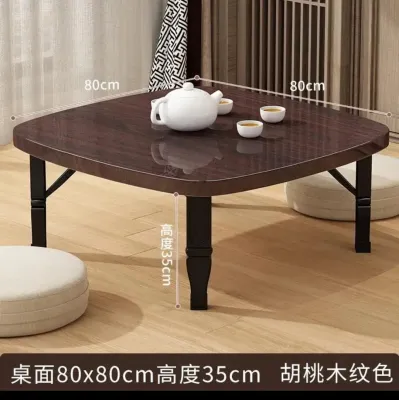
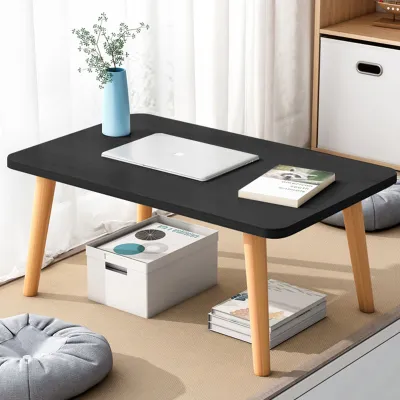
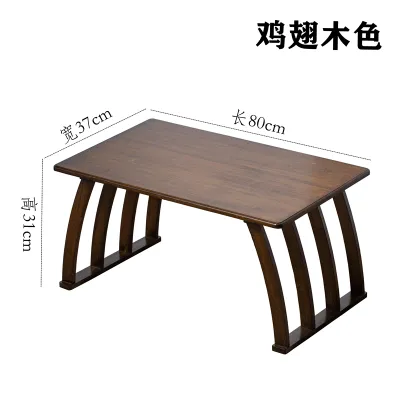
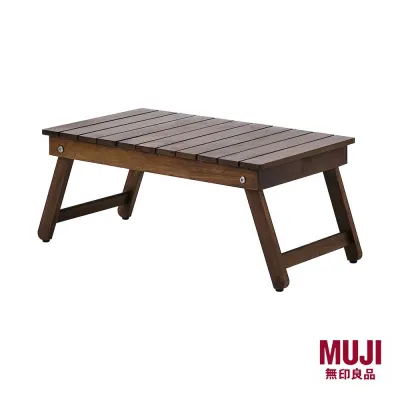
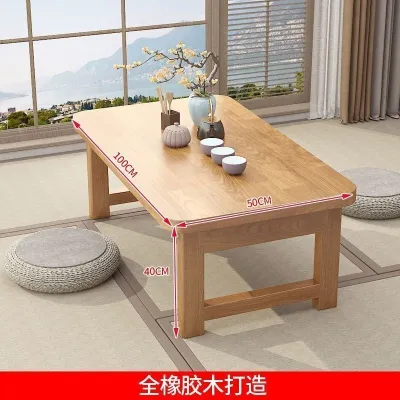
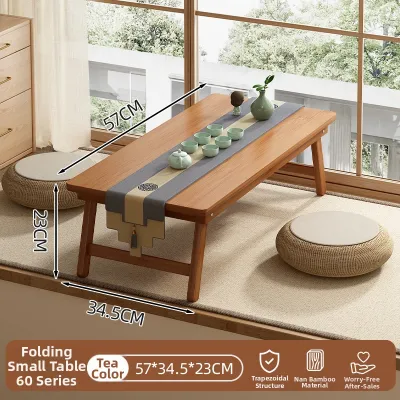
Prices are valid at publication and may change. Please refer to the product page for the latest price.
How to Identify Your Living Room Aesthetic
Before shopping for a new low table, take a step back to evaluate your living room’s current design DNA. Start by analyzing your dominant color palette. Are your walls and large furniture pieces neutral, warm, cool, or vibrant? A room dominated by cool greys and whites demands a different material contrast than one filled with warm beige, terracotta, or deep wood tones.

Next, examine the silhouettes of your existing furniture. Look at your sofa, armchairs, and shelving units. Are they characterized by sharp, geometric angles, or do they feature soft, rounded curves? A room with blocky, modern seating often benefits from a low table with rounded edges to soften the layout, while a highly organic space might welcome a structured, geometric table to provide definition.
Consider the lighting conditions and overall mood of the room. In many Singapore apartments, natural light can vary significantly depending on window orientation and surrounding buildings. A bright, airy room can easily accommodate darker, heavier materials without feeling cramped. Conversely, a darker or more compact living area benefits from low-profile tables that allow light to pass through, such as those with slender legs or glass tops.
Use this simple mental checklist to categorize your space:
- Dominant Materials: Is your room filled with natural timber, polished metal, glass, or upholstered fabrics?
- Visual Weight: Do your current furniture pieces sit flat on the floor, or are they elevated on legs?
- Color Temperature: Are your primary tones warm (browns, creams, oaks) or cool (greys, blues, concrete)?
Identifying these baseline elements helps you determine whether your room leans toward a warm organic feel, a sleek modern look, or a structured industrial vibe.
Matching Low Table Styles to Popular Décor Themes
Using established interior design themes as a framework simplifies the process of choosing a low table. Rather than viewing these themes as strict checklists, treat them as design directions that help you maintain visual balance. The key is to manage the visual weight of the table—how heavy or light it appears in relation to the surrounding furniture.
For instance, a massive solid wood block table has high visual weight and can easily overwhelm a delicate, leggy sofa. Conversely, a tiny, thin-legged metal table might get lost next to a deep, plush sectional. By understanding the core characteristics of popular design themes, you can select a low table that strikes the perfect balance between functional surface area and aesthetic harmony.
Scandinavian and Minimalist Themes
Scandinavian and minimalist interiors prioritize simplicity, functionality, and a strong connection to natural elements. To match this aesthetic, look for a low table crafted from light wood species such as oak, ash, or beech. These woods keep the space feeling bright and open, which is particularly beneficial in compact urban apartments where maximizing natural light is essential.
The design of a Scandinavian low table should feature clean, simple geometric shapes—such as soft rectangles, ovals, or round tops—supported by slender, tapered legs. Elevating the table body off the floor allows light and air to flow underneath, preventing the piece from looking visually heavy. Keep the tabletop uncluttered, opting for integrated storage solutions like a subtle lower shelf or hidden drawers only if they do not compromise the clean, streamlined silhouette.
Japanese and Japandi Interiors
Japanese design and the popular hybrid Japandi style emphasize tranquility, organic textures, and a grounded lifestyle. Low tables in these spaces typically feature exceptionally low-profile silhouettes, often sitting closer to the floor than standard coffee tables to encourage a relaxed, floor-level seating experience.
Look for tables that showcase rich, natural wood grains and organic textures. Materials like solid walnut, cedar, or bamboo work beautifully, especially when finished with matte oils that highlight the natural imperfections of the wood rather than hiding them under high-gloss lacquers. The balance here is between warmth and minimalism; the table should feel simple and unadorned, yet deeply tactile and inviting, grounding the entire living room with its earthy presence.
Industrial and Urban Loft Styles
Industrial and urban loft aesthetics celebrate raw, utilitarian materials and structural honesty. A low table matching this style often combines a matte black iron or steel frame with a thick tabletop made of distressed wood, concrete, or textured stone. Darker finishes and visible hardware, such as rivets or metal brackets, enhance the rugged, architectural feel of the piece.
Because industrial materials can sometimes feel cold or harsh, it is important to balance the table’s heavy aesthetic with the rest of your room. Pair a metal-framed low table with softer textiles, such as a plush rug, woven throw blankets, or soft linen curtains. This contrast ensures your living room remains cozy and welcoming while still retaining its edgy, modern character.
Mid-Century Modern and Retro Vibes
Mid-century modern design brings a sense of nostalgia, warmth, and playful sophistication to a home. Low tables in this category are easily recognized by their iconic tapered or hairpin legs, warm wood finishes like teak or walnut, and organic, asymmetrical shapes—such as the classic kidney bean or surfboard tabletop.
To integrate a mid-century low table without making your living room look like a dated time capsule, focus on clean coordination. Pair the retro table with a contemporary sofa that features simple upholstery and neutral tones. This allows the unique shape and rich wood grain of the table to stand out as a stylish focal point without cluttering the visual field or clashing with other vintage elements.
Practical Space and Dimension Checks Before Buying
Even the most beautiful low table will fail to satisfy if it does not fit your physical space or support daily movement. Before making a purchase, you must perform several critical dimension checks. Start by measuring the clearance between the front edge of your sofa and the edge of the low table. For comfortable legroom and easy access to seating, aim for a distance of 30 to 45 centimeters. This range provides enough space to walk through comfortably while keeping the table within easy reach when you are seated.
Next, evaluate the wider traffic paths in your living room. Ensure there is a walkway width of at least 60 to 76 centimeters between the table and other major furniture pieces, such as a TV console or armchair. If your home has tight entryways, narrow corridors, or specific lift dimensions, verify these access points against the packaged dimensions of the table to guarantee a smooth delivery and installation process.
Consider how the table interacts with your living room rug. Ideally, a low table should sit comfortably within the boundaries of the rug, leaving a balanced border of rug fibers visible on all sides. A table that is too large for its rug can make the entire seating area look disjointed and cramped.
Finally, check the height of the table surface relative to your sofa’s seat cushions. For optimal ergonomics, the top of your low table should sit level with, or up to 5 centimeters lower than, the top of your sofa cushions. A table that is significantly taller than your sofa seat can disrupt sightlines and feel awkward to use, while an excessively low table may require uncomfortable bending to reach items.
Material Care and Daily Use Considerations
Your household’s lifestyle and willingness to perform regular maintenance should heavily influence your choice of low table material. Different finishes require distinct levels of care to maintain their original appearance over time. For example, natural, unsealed wood tables are highly sensitive to moisture and heat, requiring the immediate use of coasters and trivets to prevent permanent water rings or heat marks.
For daily maintenance, stick to basic, low-risk cleaning routines. A soft, dry microfiber cloth is generally sufficient for dusting wood, metal, and glass surfaces. For light spills, use a slightly damp cloth followed immediately by a dry towel to prevent moisture from seeping into wood joints or causing metal frames to corrode. Avoid harsh chemical cleaners or abrasive scrubbing pads, which can strip protective topcoats or scratch delicate glass and polished surfaces.
Before finalizing your purchase, always check the manufacturer’s care labels and product instructions. Look for specific details regarding stain resistance, heat tolerance, and moisture protection. If you have young children, active pets, or frequently host social gatherings, prioritizing durable, easy-to-wipe finishes—such as sealed timber, tempered glass, or powder-coated metal—will ensure your low table remains a beautiful and functional centerpiece for years to come.
Frequently Asked Questions (FAQ)
Can I mix two different table styles in one living room?
Yes, mixing table styles can add rich character and depth to your living room, provided you follow a few basic design principles. To prevent visual chaos, use a unifying element to tie the pieces together. This could be a shared accent color, a matching metal finish on the legs, or complementary geometric shapes. For example, you can successfully pair a modern, minimalist sofa with a rustic, industrial low table if both feature clean black metal accents. Mixing styles works best when one piece acts as the dominant focal point while the other serves as a subtle supporting element; avoid pairing multiple highly ornate or contrasting statement pieces, as this quickly leads to visual clutter.
What is the ideal height for a low table compared to the sofa?
The general design rule is that the top of your low table should sit level with or slightly below the height of your sofa’s seat cushions, typically within a range of 35 to 50 centimeters from the floor. Choosing a table that matches this height ensures comfortable ergonomics when reaching for drinks, books, or remote controls. If a table is too high, it creates an awkward visual barrier that disrupts the open flow of the room and makes the seating area feel closed off. Conversely, a table that is excessively low can be difficult to reach from a deep sofa, though it can work beautifully in minimalist or Japanese-inspired spaces where floor cushions are used alongside low-profile seating.
Community discussion
Share your experience or ask a question. Comments are reviewed before publication.