
Finding the perfect leg rest for your bean bag is the key to transforming a simple seat into a complete relaxation station. To make the right choice, you must balance your available floor space with the physical proportions of your existing bean bag, while also considering how you intend to use the setup. Whether you are setting up a dedicated gaming corner, a cozy reading nook, or a full-body lounging area, the right footrest provides essential lower-body support and prevents physical fatigue. By focusing on key measurements, material selections, and filling types, you can find an option that integrates seamlessly into your home layout.
Assessing Your Space and Bean Bag Proportions
Before browsing styles, you must evaluate the physical space where your bean bag and leg rest will sit. In Singapore, where HDB flats and condominium apartments often feature compact living rooms or multi-functional bedrooms, floor space is at a premium. A setup that looks perfectly proportioned in a spacious showroom can easily overwhelm a cozy study or block critical walkways at home. Start by measuring the exact floor area where you plan to place the seating, keeping in mind that you need at least 60 to 75 centimeters of clear walkway space around the furniture to move comfortably without tripping.
To determine the ideal size of your leg rest, you must look closely at the dimensions of your bean bag when it is in use. Unlike structured wooden or metal chairs, a bean bag changes shape and height when you sit in it, a characteristic known as sink-depth. Sit in your bean bag and have someone measure the distance from the floor to the back of your knees; this is your actual seated height. Your leg rest should ideally match this height or sit slightly lower—usually within 5 to 10 centimeters—to maintain a natural, comfortable angle for your legs. If the leg rest is too high, it will force your knees upward and put pressure on your lower back; if it is too low, your legs will dangle without adequate support.
Products mentioned in this guide
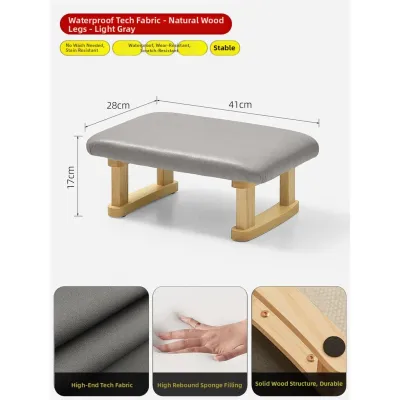
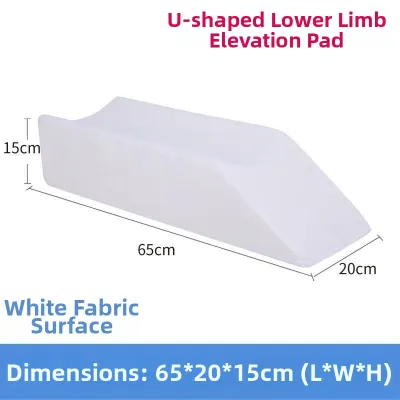
3 Lazada user ratings
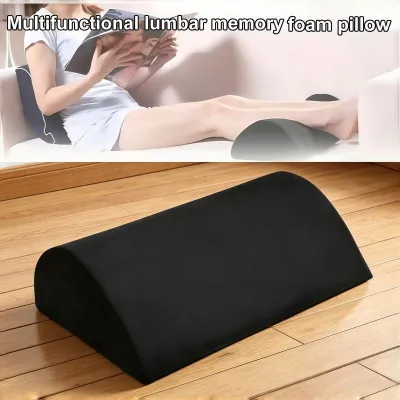
Comfort: soft Durability: hope it can last long Material: cloth material - i have to make sure it doesn’t get wet.
Comfort:put my knee on it, feeling good
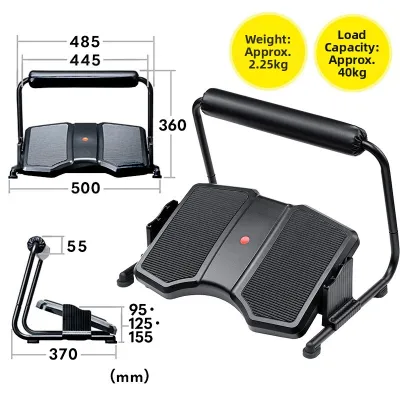
9 Lazada user ratings
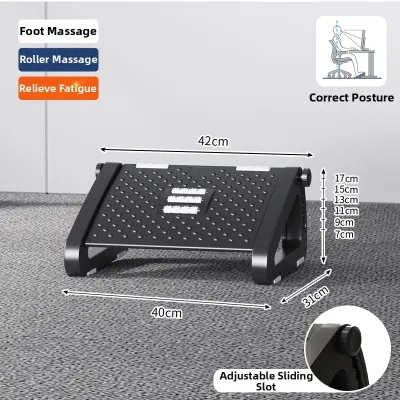
This is definitely a good product, a must-have for those who sit for long periods. However, as previous reviews mentioned, the highest setti…Read full reviewShow less
This is definitely a good product, a must-have for those who sit for long periods. However, as previous reviews mentioned, the highest setting is a bit too high and not very reasonable. It would be better if the lowest setting was the highest, meaning the overall height needs to be lower.
User experience: Good. No extra charges.
The quality is really good.
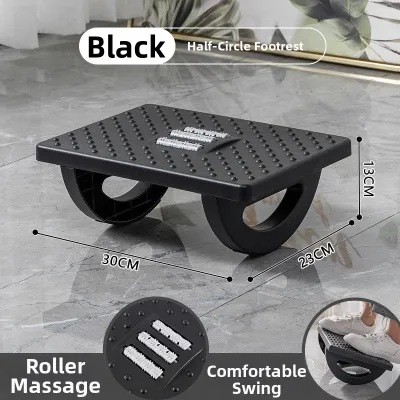
130 Lazada user ratings
Came in a pack but plastic pack holding the product torn & tear. Product after fixing looks ok but does not lok sturdy. will try it out in t…Read full reviewShow less
Came in a pack but plastic pack holding the product torn & tear. Product after fixing looks ok but does not lok sturdy. will try it out in the coming days.
Matches the description and effectively helps me stop crossing my legs. The height is just right, and the style is very versatile.
It's pretty good. The material is lightweight and breathable, but it's sturdy enough for a footrest and the height is just right.
simple design and fitting it is simply also. might not be suitable for heavy usage.
Looks okay okay. Self assemble, but seems simple. Not yet try
21 Lazada user ratings
The price is really reasonable and offers great value.
Easy to assemble and works quite well.
Great value for money, really nice!
well packed, yet to open

45 Lazada user ratings
It feels a bit like the material of a life ring, but thicker. I just inflated it and tried it out, and it seems pretty good. I often take a …Read full reviewShow less
It feels a bit like the material of a life ring, but thicker. I just inflated it and tried it out, and it seems pretty good. I often take a nap in the car during lunch, but my feet don't have anywhere to go, which can be tiring. With this, I hope I can catch a nice nap tomorrow afternoon.
The price is reasonable, it's easy to inflate, but it needs to air out a bit. For long trips, it's quite comfortable and offers good value, …Read full reviewShow less
The price is reasonable, it's easy to inflate, but it needs to air out a bit. For long trips, it's quite comfortable and offers good value, though it's a pity it doesn't come with a storage bag.
It's easy to carry around, height adjustable, and inflates quickly. On this spring festival trip back home, the back seat was super comforta…Read full reviewShow less
It's easy to carry around, height adjustable, and inflates quickly. On this spring festival trip back home, the back seat was super comfortable for the ride.
Prices are valid at publication and may change. Please refer to the product page for the latest price.
Proportionality also extends to the width and length of the leg rest. A massive, wide ottoman paired with a small teardrop bean bag will look visually unbalanced and take up unnecessary space. Conversely, a tiny, narrow footstool paired with an oversized lounger bean bag will fail to support your legs adequately, causing them to slide off the sides. Aim for a leg rest that is roughly two-thirds the width of your bean bag’s seating surface to ensure a balanced look and sufficient physical support.
Finally, calculate the total footprint of the combined setup when you are fully reclined. When you extend your legs onto a footrest, your body stretches out, requiring significantly more linear space than the bean bag occupies on its own. Measure the distance from the back of the bean bag to the far edge of the proposed leg rest to ensure the fully extended setup does not block doors, built-in wardrobe panels, or television consoles. If space is exceptionally tight, look for compact, multi-functional designs that can be tucked away or stacked when not in use.
Matching Leg Rest Styles to Your Lounging Needs
The way you spend your time on a bean bag dictates the shape, firmness, and mobility of the leg rest you should choose. Different activities require distinct levels of physical support, and matching your footrest to your primary pastime ensures long-term comfort without physical strain.

Lounging and Full-Body Relaxation
If your primary goal is complete relaxation, such as napping, watching movies, or unwinding after a long day, you need a leg rest designed for full-body extension. For these activities, oversized rectangular or modular ottoman-style leg rests are highly suitable. These larger designs allow you to rest your entire lower leg, from the calf to the heel, on a single, continuous surface, mimicking the feel of a traditional chaise lounge.
Pairing these large leg rests with teardrop or lounger-style bean bags creates a seamless, bed-like extension that supports your body from head to toe. Because these setups occupy a substantial amount of floor space, they are best suited for dedicated entertainment zones or larger living rooms. When planning your layout, position the bean bag and large leg rest away from high-traffic pathways, ensuring there is enough room to walk around the extended footrest without having to step over it.
Gaming and Extended Sitting
Gamers and those who work from a bean bag for hours at a time require a different type of lower-body support. During active sitting, your body remains in a more alert, upright, or slightly reclined posture, which can put strain on your lower back and thighs if your legs are not positioned correctly. For these scenarios, wedge-shaped or angled leg rests are highly beneficial, as they elevate the knees slightly to promote better blood circulation and reduce pressure on the lumbar spine.
When selecting a leg rest for extended gaming sessions, pay close attention to the firmness of the internal filling. A leg rest that is too soft will compress completely under the weight of your legs, losing its supportive angle and causing your heels to sink to the floor. Look for options with high-density fillings that maintain their shape under continuous pressure, providing stable resistance that keeps your joints properly aligned.
Additionally, gaming setups often share space with desks, consoles, and cable management systems, making a compact footprint essential. Choose an angled leg rest that fits neatly into your dedicated gaming corner without interfering with your electronic setups or blocking access to your gaming gear.
Reading and Upright Support
For readers who prefer to sit more upright and enjoy shifting their posture frequently, flexibility and ease of movement are key. Smaller, cylindrical poufs or cube-shaped footstools are excellent choices for this seating style. These compact shapes allow you to rest your feet at various angles, whether you want to prop your heels up directly or rest your ankles gently against the side of the stool.
To maintain an ergonomic reading posture, choose a leg rest height that keeps your thighs relatively parallel to the floor when you are sitting upright in the bean bag. This position prevents your pelvis from tilting backward, which can lead to slouching and upper back discomfort during long reading sessions.
Because reading nooks are often tucked into quiet corners of bedrooms or living areas, lightweight leg rests are highly advantageous. Selecting a footstool filled with lightweight expanded polystyrene (EPS) beads or featuring a built-in fabric handle makes it easy to reposition the stool with a single hand, allowing you to move it aside when you want to stand up or transition the space for other uses.
Choosing Materials and Fillings for Comfort and Durability
The materials used to construct your leg rest determine not only how comfortable it feels against your skin but also how well it withstands daily wear and the local climate. In Singapore’s warm and humid environment, material selection requires careful consideration to avoid heat retention and mold issues.
Start by reviewing the upholstery care labels on potential leg rests, focusing on breathability and ease of maintenance. Synthetic fabrics like polyester blends or specialized outdoor canvas are highly durable and resist moisture, making them excellent choices for humid climates. If you prefer a soft texture, look for breathable cotton or linen covers, but ensure they are treated to resist stains. For homes where snacks and drinks are common, wipe-clean materials like water-resistant fabrics or high-quality synthetic leather allow you to clean up spills quickly with a damp cloth, preventing permanent stains and odors.
Next, evaluate the internal filling options based on the manufacturer’s specifications. The three most common fillings for bean bag leg rests are expanded polystyrene (EPS) beads, shredded foam, and solid memory foam. EPS beads are incredibly lightweight and contour easily to the shape of your feet, but they tend to compress over time and will require periodic top-ups to maintain their height. Shredded foam offers a softer, more cushioned feel that bounces back after use, while solid memory foam provides the highest level of structured support and pressure relief, though it can retain more heat.
To ensure your leg rest remains hygienic and fresh over years of use, verify if the outer cover is removable and machine-washable. A zippered inner liner is a crucial feature, as it keeps the filling secure while you wash the outer cover. Additionally, check if the manufacturer or retailer sells replacement covers and refill beads separately, as being able to top up the filling or swap out a worn cover will significantly extend the lifespan of your furniture.
Final Pre-Purchase Checklist for Your Home
Before finalizing your purchase, take a few moments to verify the practical logistics and safety features of the leg rest to ensure a smooth delivery and safe integration into your household.
First, check the packaged delivery dimensions provided by the retailer against the physical constraints of your building. Ensure the box can easily fit inside your HDB or condominium lift, navigate tight stairwells, and pass through your front door frame without requiring awkward maneuvering. While most bean bag leg rests are delivered compressed or are naturally lightweight, double-checking these dimensions prevents unexpected delivery complications.
Next, evaluate the physical stability and safety of the product, especially if you share your home with young children or pets. Check the manufacturer’s specified weight capacity to ensure the leg rest can safely support the weight of legs or even serve as an occasional extra seat for guests. Look for a wide, low-profile base that resists tipping over if someone accidentally bumps into it. If you have toddlers or pets, verify that the zippers feature child-safe locking mechanisms—such as removable zipper pulls—to prevent curious hands from opening the cover and exposing the filling, which can pose a serious choking hazard.
Finally, review the retailer’s return policy and warranty terms to protect your investment. A reliable warranty should cover manufacturing defects in the stitching, zippers, and fabric seams. Confirm whether the retailer offers convenient access to replacement parts, such as extra filling beads or matching outer covers, so you can easily maintain your leg rest in the future without having to purchase an entirely new unit.
Frequently Asked Questions (FAQ)
Can I use a regular sofa ottoman with a bean bag?
While you can physically place a regular sofa ottoman in front of a bean bag, it is generally not recommended due to significant height and structural differences. Standard sofa ottomans are designed to match the height of traditional sofas, which typically sit 40 to 50 centimeters off the ground. Bean bags, however, sit much lower, often placing your hips just 20 to 30 centimeters from the floor. Using a tall, rigid ottoman with a low bean bag forces your legs into an unnaturally steep upward angle, which can restrict blood circulation, strain your hip flexors, and cause lower back discomfort over time. To ensure proper ergonomics, measure your bean bag’s actual seated height while you are sitting in it, and select a leg rest that matches or sits slightly below that level.
How do I prevent my leg rest from sliding away on smooth floors?
Leg rests filled with lightweight materials like EPS beads have a tendency to slide away on smooth flooring surfaces, such as polished marble, ceramic tiles, vinyl, or laminate. To keep your leg rest firmly in place, start by checking if the product features a built-in non-slip base made of rubberized fabric or textured silicone dots. If your chosen leg rest does not have this feature, you can easily place a small piece of aftermarket rubberized rug gripper underneath it to increase friction. Alternatively, choosing a leg rest with a heavier filling material, such as a shredded foam blend, adds enough downward weight to help the footrest stay anchored to the floor during use.
Community discussion
Share your experience or ask a question. Comments are reviewed before publication.