
Selecting the right leather repair tape requires matching the tape’s thickness, adhesive strength, and texture to the specific depth and scale of your furniture’s damage. A well-chosen tape can cover structural tears or localized peeling on a sofa, extending its usable life. Conversely, applying the wrong tape type can result in premature peeling, sticky residue, or an unsightly patch that draws more attention than the original damage. By evaluating the material of your chair or sofa and understanding how different adhesives interact with various leather finishes, you can make an informed choice that restores both function and appearance.
Assess Your Furniture Damage First
Before purchasing any repair product, you must accurately diagnose the nature of the damage on your furniture. Start by distinguishing between surface-level cosmetic wear, such as light color loss or minor scuffing, and structural breaches that cut completely through the leather backing. Structural damage requires a tape with high tensile strength to hold the edges together, whereas cosmetic issues might not require tape at all.
Next, measure the physical dimensions of the damaged area. Knowing the exact length and width helps you decide whether standard pre-cut patches will suffice or if you need a continuous roll of tape. Plan for the tape to overlap the undamaged surrounding leather by at least two centimeters on all sides to ensure a secure bond.
Products mentioned in this guide
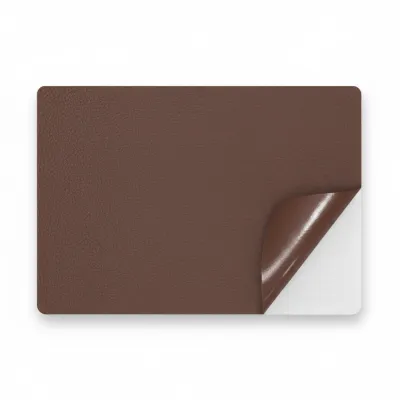
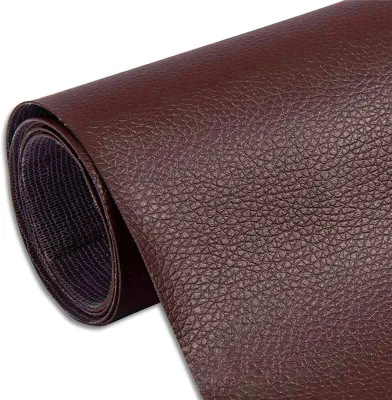
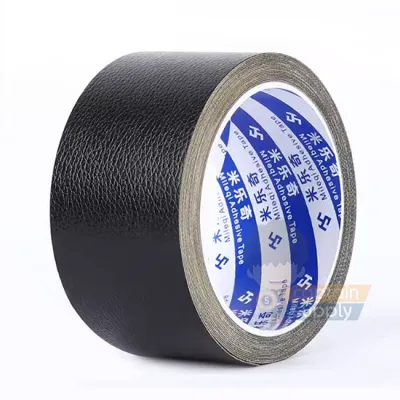
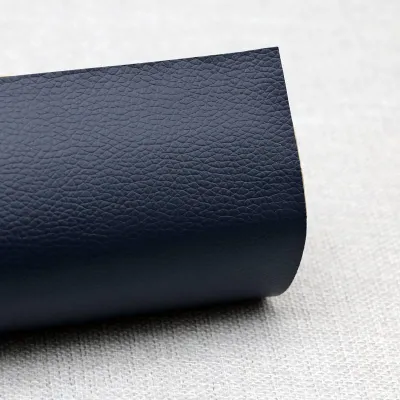
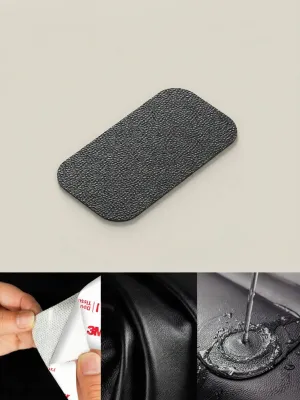
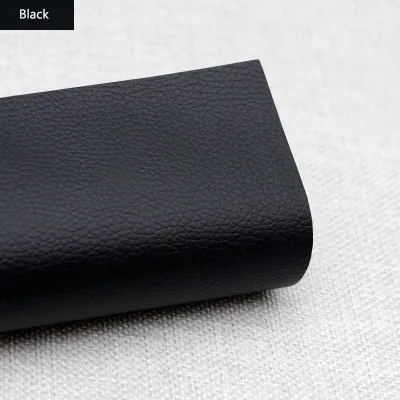
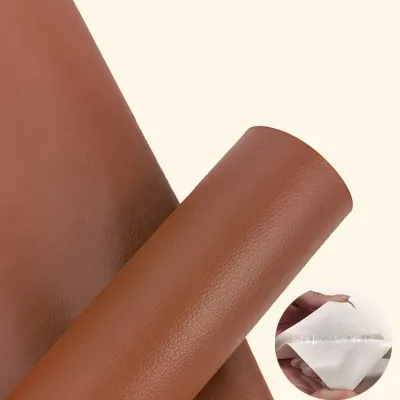
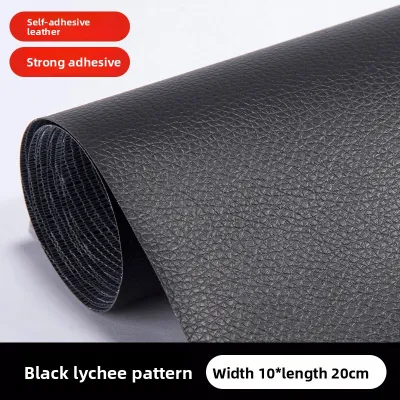
Prices are valid at publication and may change. Please refer to the product page for the latest price.
Finally, identify the specific type of leather on your furniture. Genuine leather, faux leather, and bonded leather all have different surface characteristics and chemical compositions. These differences directly affect how adhesives bond over time, making material identification critical for selecting a compatible tape.
Matching Tape Types to Specific Damage
Different types of leather damage demand distinct tape characteristics, including varying backing thicknesses, adhesive formulations, and flexibility levels. Matching the tape’s physical properties to the mechanical stress of the damaged area ensures the repair remains intact during daily use.

Scratches and Scuffs
Minor surface scratches and scuffs often only affect the clear protective topcoat or the very top color layer of the leather. For these shallow, localized marks, a very thin, color-matched repair tape can provide a quick cosmetic cover without creating a noticeable bump. The thin profile helps the patch blend into the surrounding surface, making it less perceptible to both sight and touch.
However, you should carefully consider whether tape is the most appropriate solution for minor scuffs. If a scratch is extremely fine, a patch of tape might look bulkier and more obvious than the original mark. In such cases, alternative treatments like leather color restorers, specialized conditioners, or liquid repair compounds may offer a more seamless, virtually invisible result.
Tears, Cuts, and Slits
Linear breaches, such as clean cuts, punctures, or tears, compromise the structural integrity of the leather and are subject to constant pulling forces. To repair these areas, you need a highly flexible, high-tack adhesive tape specifically engineered to withstand tension and stretching, especially on high-use seating surfaces. The tape must move dynamically with the furniture cushion without lifting at the edges.
For clean cuts or deep tears, employing a sub-patch technique can significantly improve the durability of the repair. This involves inserting a strong backing material, such as a piece of fabric or a specialized sub-patch, through the tear and positioning it flat underneath the leather surface. Applying the repair tape over the top of this stabilized base prevents the edges of the cut from pulling apart under pressure.
When applying the tape, pay close attention to the grain pattern and the direction of stretch. Aligning the tape’s grain with the natural texture of the furniture helps disguise the patch, while matching the stretch direction ensures the adhesive is not subjected to shear forces that could cause it to slide or peel.
Peeling, Flaking, and Holes
Widespread surface degradation, such as peeling and flaking, is a common failure mode in aging bonded leather and low-grade faux leather. It is important to recognize that leather repair tape is generally unsuitable for large-scale peeling across entire cushions. Because the underlying material is already disintegrating, the tape’s adhesive will simply pull up more flakes, leading to rapid failure of the patch.
For localized holes, burns, or areas where chunks of material are entirely missing, heavy-duty, textured repair patches are the most effective choice. These patches are thicker and more rigid than standard tape, allowing them to bridge the physical gap without sinking into the hole. They provide a stable, level surface that mimics the density of the surrounding upholstery.
Before applying any tape or patch to a damaged area, you must stabilize the surrounding surface. Gently brush away any loose flakes or crumbling debris until you reach a stable, intact section of the material. Attempting to stick tape over actively flaking leather without this preparation guarantees that the patch will peel off prematurely.
Color, Texture, and Finish Considerations
Achieving an inconspicuous repair requires careful attention to the visual characteristics of both the tape and your furniture. Before applying a patch permanently, always test a small piece of the tape in a hidden area, such as the underside of the frame or behind a cushion. Evaluate this test patch under both natural daylight and artificial indoor lighting, as color matching can vary significantly depending on the light source.
Texture plays an equally vital role in how well the repair blends into the furniture. Leather surfaces range from completely smooth to heavily embossed patterns, such as pebble grain or alligator textures. Choosing a tape with a grain pattern that closely matches your furniture’s texture helps break up light reflections, making the edges of the patch much harder to spot.
Additionally, consider the gloss level of the leather, which can range from a flat matte to a high-shine glossy finish. If the repair tape is shinier than your sofa, you can sometimes gently buff the tape surface with a fine microfiber cloth to reduce its gloss. Conversely, if the tape is too matte, a compatible leather topcoat or sheen adjuster can be applied to help the patch match the surrounding sheen.
Surface Preparation and Adhesion Limits
The longevity of any leather repair tape depends heavily on the preparation of the surface before application. Over time, furniture accumulates body oils, sweat, dust, and residues from household cleaning products or leather conditioners. These substances create a microscopic barrier that prevents the tape’s adhesive from forming a strong chemical bond with the leather.
To prepare the surface, clean the area thoroughly with a mild leather cleaner or a diluted isopropyl alcohol solution, depending on the manufacturer’s instructions for your specific leather type. Use a lint-free cloth and rub gently to remove all oils and dirt. Allow the area to dry completely, as even a small amount of residual moisture will trap air and cause the adhesive to fail almost immediately.
Be aware of the physical limits of adhesive tape when dealing with severe internal damage. If your furniture has active mold growth, deep moisture rot within the frame, or crumbling internal foam cushions, tape cannot resolve the issue. Applying tape over these compromised structures will not stop the decay, and the adhesive will quickly fail due to the unstable foundation.
When to Skip Tape and Seek Professional Repair
While leather repair tape is an excellent, cost-effective solution for localized cosmetic and minor structural issues, certain scenarios require professional intervention. If your furniture has sustained structural damage to its wooden frame, broken springs, or severe sagging in the internal webbing, tape cannot restore its functionality. These issues require structural repairs that go far beyond surface patching.
You should also evaluate the long-term economics of using tape versus investing in professional reupholstery or replacement. If a sofa is peeling extensively across multiple cushions, repeatedly buying and applying large patches can become expensive and visually unappealing. In such cases, the ongoing cost and compromised aesthetics of temporary fixes may make professional reupholstery a more sensible investment.
Finally, high-value, antique, or genuine full-grain leather furniture should generally be referred to a professional restoration specialist. These valuable pieces require specialized techniques, such as color blending and structural stitching, to preserve their material integrity and historical value. Applying a permanent adhesive tape to an antique can drastically reduce its value and cause irreversible damage to the delicate grain.
Frequently Asked Questions (FAQ)
Can I use regular duct tape or packing tape as a temporary fix?
No, you should avoid using standard household tapes like duct tape or packing tape on leather furniture, even as a temporary measure. These tapes use aggressive, rubber-based adhesives that are not designed for upholstery. When removed, they often leave behind a sticky, difficult-to-clean residue or, worse, tear away the top color layer and fibers of the leather, significantly worsening the original damage. Furthermore, household tapes lack the flexibility, breathability, and UV resistance required to withstand the daily flexing and temperature changes that furniture experiences.
Will the repair tape damage the leather if I remove it later?
Leather repair tapes are designed with high-strength, pressure-sensitive adhesives intended for permanent or long-term application to withstand constant seating friction. Because of this strong bond, removing the tape later can carry a risk of pulling up the leather’s finish or top grain, especially on bonded or older faux leather. To minimize this risk, always check the manufacturer’s removal instructions, which may suggest using gentle heat from a hairdryer to soften the adhesive before peeling. Testing the tape on an inconspicuous area first is the best way to evaluate how your specific furniture material reacts to the adhesive.
Community discussion
Share your experience or ask a question. Comments are reviewed before publication.