
Selecting the right leather for furniture repair or reupholstery depends on balancing the physical demands of your daily life with the structural requirements of the furniture piece itself. To make an informed decision, you must match the material’s thickness, flexibility, and finish to the specific item—whether it is a high-traffic living room sofa or an accent chair. Verifying the manufacturer’s specifications and understanding the long-term maintenance needs of each leather type will ensure your restored furniture remains functional and visually appealing for years to come.
Assessing Your Furniture Repair and Reupholstery Needs
Before purchasing any replacement material, evaluate how the specific furniture piece is used in your home. High-traffic seating, such as a family sofa, requires a robust material capable of handling frequent load-bearing tension and friction. You must also consider the finished dimensions of the piece, ensuring it fits through your doorway or lift access if you are transporting it for repair.
Environmental conditions in your living space also play a critical role in material longevity. Rooms with high indoor humidity or areas exposed to direct sunlight through large windows can accelerate the degradation of certain finishes, causing them to fade, dry out, or crack. Assess the placement of your furniture to determine if you need a material with specific UV-resistant or moisture-resistant properties.
Products mentioned in this guide
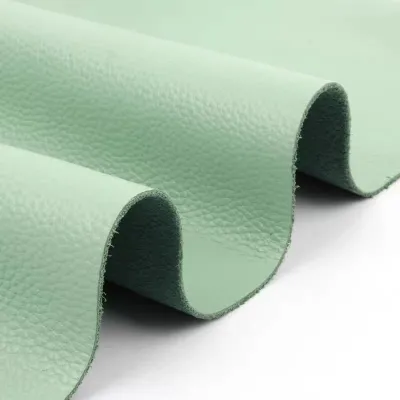
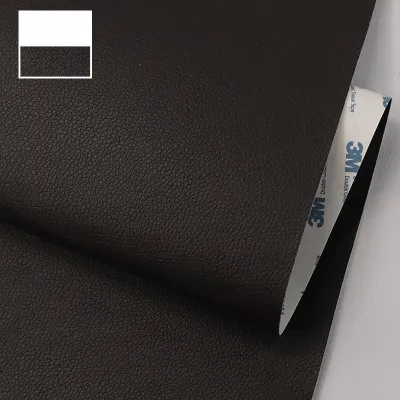
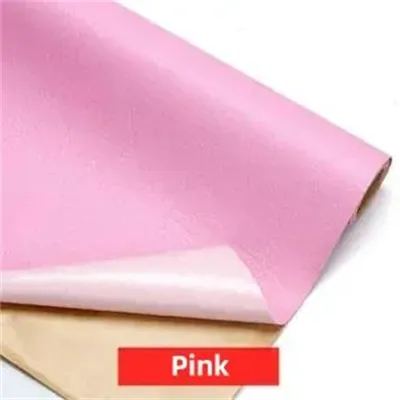
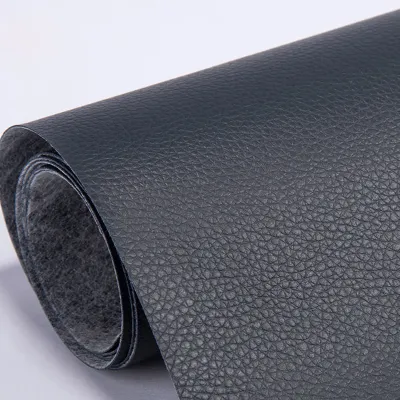
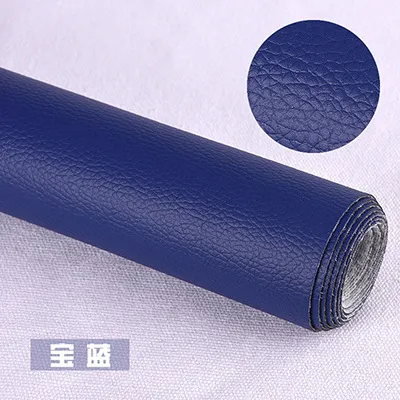
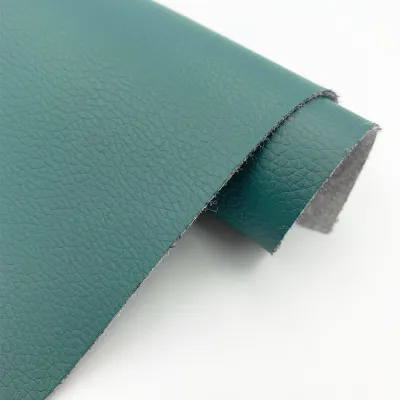
Prices are valid at publication and may change. Please refer to the product page for the latest price.
Finally, conduct a thorough inspection of the furniture’s underlying structure. Examine the wooden frame, spring suspension, and foam padding for signs of sagging, warping, or decay. If the internal structure is compromised, a simple surface patch or cosmetic reupholstery will not resolve the underlying issues, and you may need to address these structural repairs first.
Comparing Leather Types for Furniture Projects
Different leather categories offer distinct structural properties, aesthetic qualities, and handling characteristics. Understanding how these materials are manufactured helps you select the right option for your specific repair scope and skill level.

Top-Grain and Full-Grain Leather
Full-grain and top-grain leathers represent premium natural hides, valued for their strength and distinct surface characteristics. Full-grain leather retains the entire natural grain, showing unique markings and offering excellent breathability, while top-grain leather is lightly sanded to remove imperfections, resulting in a more uniform appearance. Both options develop a natural patina over time, though their performance depends heavily on the specific finishing treatments applied by the manufacturer.
When using these natural hides for reupholstery, you must account for their natural thickness and limited initial stretch. Wrapping complex furniture curves, tight corners, or tufted details requires careful planning, as thicker hides demand more physical effort and specialized techniques to fold and staple cleanly.
Before purchasing, always verify the specific tanning and finishing processes listed on the material tag. Aniline and semi-aniline finishes offer a softer feel but are more susceptible to staining, whereas pigmented top-grain leathers feature a protective topcoat that enhances resistance to spills and fading.
Genuine and Bonded Leather
Genuine leather and bonded leather are often marketed as budget-friendly natural options, but they differ significantly in composition and structural integrity. “Genuine leather” typically refers to the lower split layers of a hide that have been sanded and embossed with a synthetic grain pattern. Bonded leather, on the other hand, is a reconstituted material made from shredded leather scraps mixed with polyurethane or vinyl binders and pasted onto a fiber backing.
These materials have distinct limitations when subjected to the tension of daily seating. Bonded leather is particularly prone to peeling, cracking, and delaminating along seams and high-pressure areas over a relatively short period. Genuine leather splits offer slightly better durability but lack the tensile strength of top-grain options.
To avoid unexpected failures, check the product labels carefully for the exact percentage of actual leather content. If a material contains a high concentration of synthetic binding agents and minimal natural fibers, it may not hold up well to the stretching and stapling required during the reupholstery process.
Faux and Synthetic Leather Alternatives
Synthetic alternatives, such as polyurethane (PU) and polyvinyl chloride (PVC) faux leathers, provide a highly uniform, cost-effective option for modern furniture repairs. PU leather is generally softer, more flexible, and mimics the breathability of natural leather more closely, while PVC is highly durable, water-resistant, and easy to wipe clean, making it popular for commercial or dining seating.
However, synthetic surfaces have specific chemical sensitivities that you must manage. Harsh household cleaners, alcohol-based sanitizers, and body oils can break down the plasticizers in faux leather, leading to stiffening, cracking, or a sticky residue over time. Cleaning should be limited to mild soap and water solutions as recommended by the manufacturer.
When selecting a synthetic option, inspect the backing material on the underside of the fabric. A high-quality woven or knit backing provides the necessary grip for adhesives and prevents the material from tearing at staple lines, which is crucial for maintaining seam strength on high-tension cushions.
Evaluating Durability, Cost, and Maintenance Trade-offs
Choosing a material involves balancing the initial purchase price against the long-term care commitment and expected lifespan of the furniture. While premium top-grain leather requires a higher upfront investment in S$ for raw materials, its ability to withstand decades of use can make it more economical over time than cheaper alternatives that require frequent replacement.
Natural leathers demand regular maintenance to prevent drying and cracking, requiring specialized leather conditioners and protective creams applied periodically as recommended by the manufacturer. In contrast, synthetic leathers require minimal routine care beyond a simple damp wipe, making them highly convenient for busy households, even if their overall lifespan is shorter.
Additionally, factor in hidden project costs that vary by material type. Working with heavy natural hides often requires specialized tools, such as heavy-duty pneumatic staple guns, high-tensile nylon threads, and specialized leather sewing needles. Synthetics are generally easier to sew on standard domestic machines, but they may require specific adhesives formulated to bond synthetic backings to polyurethane foam without melting the materials.
Verifying Material Specifications and Quality Before Purchase
To ensure you receive a material that matches your expectations, look beyond marketing terms and examine the technical specifications. Check the manufacturer’s product tags for standardized composition breakdowns, weight measurements, and official care guidelines. Remember that a material’s name alone does not guarantee scratch, moisture, or overall durability performance; instead of relying on broad labels, verify the specific finish, joint compatibility, care instructions, and whether the material matches your actual indoor environment.
Always request physical swatches from the supplier before committing to bulk yardage. Testing a physical sample allows you to evaluate the true color under your home’s lighting, feel the surface texture, and test the stretch direction. Pull the sample firmly in both directions to observe how much it yields; a material with too much stretch may sag over time, while one with no stretch will be difficult to mold around curved furniture frames.
Finally, consult the original furniture manufacturer’s guidelines or inspect the old cover material you are replacing. Matching the thickness and weight of the original material ensures compatibility with the existing frame clearances, cushion foam density, and spring suspension systems.
Planning Your Reupholstery Execution and Safety Checks
Successful execution relies on precise preparation and safety precautions. When measuring your furniture, always calculate generous seam allowances and account for pattern matching if the leather has a distinct grain direction. Remember that natural hides are irregular shapes, so you will need to order a margin of extra material beyond the flat dimensions of your furniture panels to work around natural flaws and neck wrinkles.
If your project involves using industrial contact cements, spray adhesives, or chemical finish strippers, prioritize your physical safety. Work in a well-ventilated outdoor space or a room with active cross-ventilation, and wear appropriate protective gear, including a respirator rated for organic vapors, safety glasses, and chemical-resistant gloves.
Know when to pause the project and seek professional assistance. If you strip away the old upholstery and discover severely compromised structural joints, cracked wooden rails, or crumbling, degraded foam padding that requires specialized hot-wire cutting, these issues must be resolved before applying the new leather. Attempting to stretch expensive leather over failing internal components will result in premature wear and a poor final fit.
Frequently Asked Questions (FAQ)
Can I use automotive leather for indoor furniture reupholstery?
While it is physically possible to use automotive leather for indoor furniture, there are key differences in treatment and performance. Automotive hides are engineered to withstand extreme temperature fluctuations and intense UV exposure, making them stiffer and heavily coated with protective chemicals. However, they may not meet the specific indoor residential fire-retardant standards or off-gassing regulations required for home environments. Always check the manufacturer’s safety data sheets and local indoor safety guidelines before repurposing automotive materials for home seating.
How do I tell if my existing furniture leather is real or faux?
You can identify the material through several non-destructive visual and tactile checks. Real leather features irregular, unique pore patterns and natural imperfections, whereas faux leather exhibits a highly repetitive, uniform grain pattern. If you can access an unfinished edge, such as inside a zipper compartment or underneath the dust cover, real leather will have a rough, fibrous suede-like backing, while synthetic leather typically reveals a woven, knit, or fabric mesh backing.
Community discussion
Share your experience or ask a question. Comments are reviewed before publication.