
Finding the right L-shape fabric sofa for a Singapore HDB flat requires balancing tight spatial constraints with long-term durability and cost. Because HDB living rooms vary in layout and entry clearance, the best value is not simply the cheapest option, but the one that fits your specific floor plan, withstands daily use, and offers verifiable construction quality. By focusing on modular designs, robust frame materials, and high-performance fabrics, you can secure a comfortable seating arrangement that maximizes your living space without blowing your budget.
To make an informed purchase, you must look beyond aesthetic appeal and marketing promises. Evaluating a sofa involves analyzing physical dimensions, fabric specifications, and structural integrity. This guide provides a practical framework to help you assess different brands in Singapore, ensuring your chosen sofa fits your home, lifestyle, and financial plan perfectly.
Key Dimensions and Space Planning for HDB Flats
HDB living rooms demand precise spatial planning. Before browsing online catalogs or visiting showrooms, map out your exact floor area. An l shape sofa set naturally creates a visual boundary, but it can easily overwhelm a standard living room if the footprint is too large. Aim to maintain at least 60 to 75 centimeters of walking clearance between the edge of the chaise and your coffee table or television console. This ensures comfortable movement throughout the room without forcing family members to squeeze past.
Products mentioned in this guide
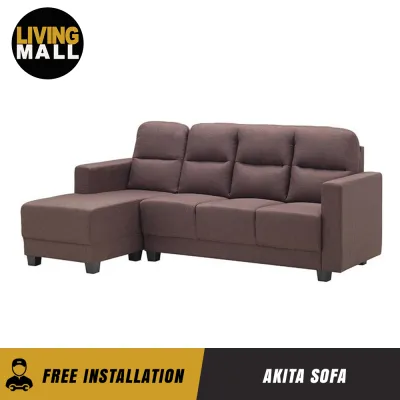
![[INNDESIGN.SG] Multi Purpose 3 Seater L Shape Fabric Sofa With Storage (Fully Assembled and Free Delivery)](https://img.lazcdn.com/g/p/c9761b3346df6d1fe56e4072015dfd55.jpg_400x400q80.jpg_.webp)
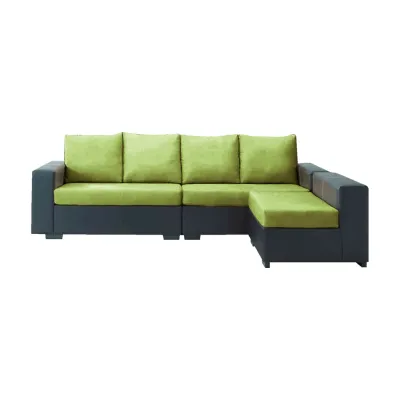
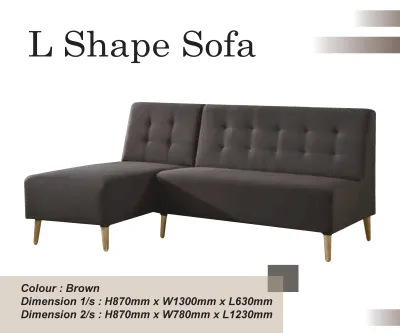
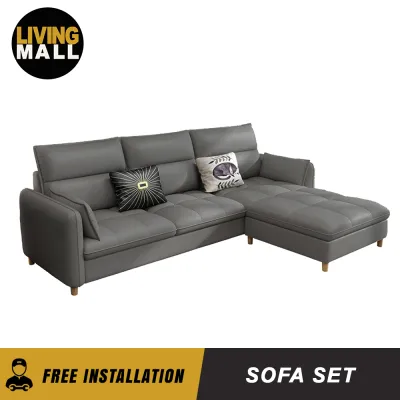
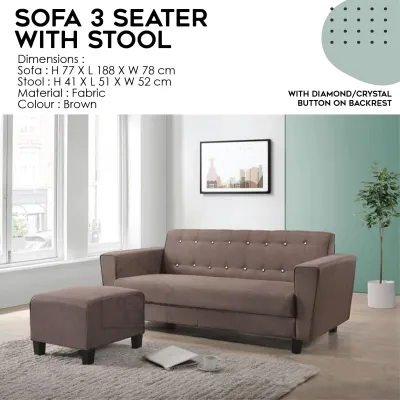
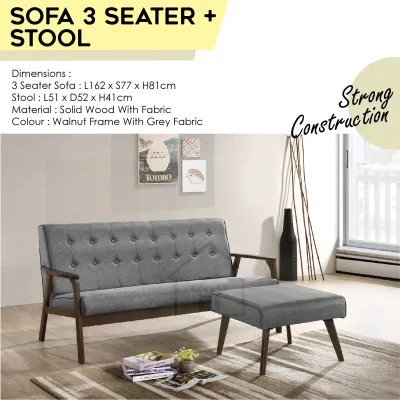
Prices are valid at publication and may change. Please refer to the product page for the latest price.
Do not overlook the physical journey of the sofa from the delivery truck to your living room. Singapore HDB estates, especially older blocks, may have narrow corridors, low ceiling clearances, or tight staircase turns. Measure your HDB lift door width, lift interior height, and depth, as well as your front door frame. If you choose a large, single-piece L-shape sofa, it might not fit through these tight spaces. Opting for modular designs that arrive in separate, manageable sections is often the safest way to prevent delivery day disasters.
The orientation of the chaise is another critical decision that dictates your room’s flow. You must decide between a left-facing or right-facing chaise based on your main entryway and the room’s natural focal point. Placing the chaise on the wrong side can block the pathway from the front door or cut off access to the balcony. A helpful rule of thumb is to position the chaise against a wall or on the side with less foot traffic to keep the main walkway open and inviting.
Additionally, consider the visual weight of the sofa within your space. In smaller HDB flats, a sofa with high legs that sits off the ground allows light to pass underneath, creating an illusion of openness. Conversely, a low-profile sofa that sits directly on the floor can make a low-ceilinged room feel more cramped. Take note of the backrest height as well; a lower backrest maintains sightlines across an open-concept living and dining area, while a higher backrest offers more head support but can act as a heavy visual barrier.
Assessing Fabric Durability and Maintenance Needs
Fabric selection directly impacts how well your sofa ages in Singapore’s warm, humid climate. Instead of relying on vague marketing terms like “ultra-durable” or “premium blend,” look closely at the manufacturer’s product specifications and care labels. Synthetic fibers such as polyester and nylon blends generally offer excellent resistance to wear, fading, and stretching. Natural fibers like cotton or linen provide a soft feel but are more prone to moisture absorption and staining unless treated with a protective finish.

When reviewing fabric specifications, look for the Martindale rub count, which measures a fabric’s resistance to abrasion. For standard domestic use in an HDB flat, a rub count of 15,000 to 20,000 is typically sufficient. If you have pets, young children, or use your living room heavily, aim for a heavy-duty rating of 30,000 rubs or higher. This quantitative metric provides a reliable way to compare fabric durability across different brands without relying on subjective sales pitches.
Maintenance is highly dependent on whether the sofa features removable, washable covers or fixed upholstery. For households with young children or pets, removable covers are highly practical. Check if the covers are machine-washable or require professional dry cleaning, as dry-cleaning costs can add up over time. Fixed upholstery, while often looking more tailored and sleek, requires regular vacuuming and immediate spot-cleaning to prevent dirt and oils from settling deep into the fibers.
Be realistic about fabric treatments and their limitations. Many modern fabric sofas come with liquid-repellent coatings that cause spills to bead up on the surface. While highly convenient, these treatments can wear off after multiple washes or prolonged use. Standard woven fabrics without specialized treatments will absorb liquids quickly, meaning you must act fast when spills occur. Understanding these material limits helps you choose a fabric that aligns with your household’s daily habits and maintenance tolerance.
Evaluating Brand Value and Construction Quality
To find true value, look beyond the exterior fabric and evaluate the internal construction of the sofa. A high-quality frame is the foundation of longevity. Look for brands that specify the use of kiln-dried hardwood or high-grade engineered wood, which resist warping in humid environments. Avoid frames held together solely by glue or staples; instead, look for joints reinforced with wooden dowels, corner blocks, and heavy-duty screws.
The suspension system determines how well the sofa retains its shape and support over years of sitting. Sinuous springs (S-shaped wires) and pocket springs are common in mid-range to high-end sofas, providing a resilient, bouncy feel. Elastic webbing is another common suspension method, often used in sleeker, low-profile designs. Ensure the brand provides clear details on the density of the foam cushioning, as high-density polyurethane foam (typically 30 kg/m³ or higher) resists sagging far better than low-density alternatives.
Warranty terms offer a clear window into a brand’s confidence in its product. Carefully read the fine print to distinguish between structural warranties and fabric warranties. A reputable brand often provides a multi-year warranty on the internal frame and suspension, while limiting the fabric and cushion filling warranty to one or two years. Be sure to verify the brand’s return, exchange, and repair policies. Some companies charge substantial restocking fees or transport fees if you decide to return a sofa because it does not fit your space or aesthetic.
Customer support and after-sales service are also critical components of brand value. Research how responsive a brand is when handling issues like delivery delays, transit damage, or warranty claims. A brand that offers clear communication channels, transparent policies, and accessible customer service representatives is often worth a slightly higher initial investment than a budget retailer with poor after-sales support.
Building Your Shortlist: Matching Options to Your Budget
When comparing different brands in Singapore, organize your options into a structured comparison matrix. Track the exact dimensions, fabric specifications, frame materials, and the total cost in S$. Make sure the total price includes delivery, assembly, and GST, as these additional fees can quickly push a seemingly affordable sofa out of your budget. Having all this data in one place makes it easier to spot which brand offers the best balance of materials and price.
Never rely solely on online listings and digital renders when buying a major piece of furniture. Showroom visits are essential to verify the actual comfort, seat depth, and fabric texture. Sit on the sofa in various positions, test the firmness of the cushions, and check if the actual dimensions match your home measurements. A sofa that looks perfect on a screen might feel too firm or have a seat depth that is uncomfortable for your height.
Consider the long-term flexibility of your purchase. Some brands offer modular L-shape sofa sets where the chaise can be moved from left to right, or extra middle seats can be added later. This modularity is incredibly valuable if you plan to move to a different HDB flat in the future or want to reconfigure your living room layout. Additionally, check if the brand sells replacement covers or individual parts, allowing you to refresh the look of your sofa without buying an entirely new set.
Finally, factor in the lead time for delivery. Custom-made or imported sofas may take several weeks or even months to arrive, whereas ready-stock items can often be delivered within a few days. If you are coordinating your sofa delivery with an HDB renovation timeline, ensure the brand’s estimated delivery window aligns with your move-in date to avoid sitting on the floor in your new home.
Pre-Delivery and Installation Checks
A smooth delivery process requires proactive planning. Once you finalize your purchase, confirm the delivery date and coordinate with your HDB town council or building management if you need to reserve the service lift. Ensure the pathway from the unloading bay to your front door is completely clear of obstacles, shoe racks, or potted plants. If you have newly installed vinyl or homogeneous tile flooring, prepare protective cardboard or felt pads to prevent scratches during assembly.
When the delivery team arrives, inspect the sofa thoroughly before signing the acceptance form. Check all fabric surfaces for tears, loose threads, or dirt marks acquired during transit. Examine the legs and frame for any scratches or structural instability. If you notice any defects, document them immediately with photographs and note them clearly on the delivery receipt before the team leaves.
Finally, test the modular connection mechanisms. Most L-shape sofas use metal brackets or interlocking clips to keep the chaise and main sofa body securely joined. Ensure these connectors align perfectly and lock the pieces tightly together. If the modules shift or slide apart when you sit down, have the delivery team adjust the brackets immediately before they leave your home.
Frequently Asked Questions (FAQ)
Can an L-shape sofa fit in a standard 4-room HDB living room?
Yes, an L-shape sofa can fit comfortably in a standard 4-room HDB living room, provided you select a model with appropriate dimensions. Most 4-room HDB living rooms can accommodate a sofa with a total width of 2.0 to 2.4 meters without blocking walkways. It is crucial to measure the exact wall length where the sofa will sit, leaving at least 10 to 15 centimeters of clearance for curtains or power outlets. Opting for a shallow seat depth and a low-profile backrest can also help the sofa blend into the room without making the space feel cramped.
What should I do if the sofa fabric gets stained?
If a spill occurs, act immediately by blotting the liquid with a clean, dry white cloth or paper towel. Never rub or scrub the stain, as this pushes the liquid deeper into the fabric fibers and can damage the weave. Always refer to the manufacturer’s specific care label attached to the sofa for approved cleaning methods. For water-safe fabrics, a mild solution of water and gentle soap may be used, but you should avoid harsh household chemicals or bleach. If the stain persists, consult the brand or a professional upholstery cleaning service to avoid permanent discoloration.
Community discussion
Share your experience or ask a question. Comments are reviewed before publication.