
Selecting the right furniture for a Singapore apartment requires a careful balance between utility and spatial harmony. In compact HDB flats and condominiums, every square centimeter counts. A Japanese shelf—characterized by its minimalist aesthetic, modular construction, and clean lines—offers an elegant storage solution that maximizes vertical space without visually overwhelming a room. However, choosing the wrong dimensions can quickly make a room feel cramped or disrupt the flow of daily foot traffic.
To find the ideal Japanese shelf size, you must evaluate both the physical footprint of the unit and the spatial dynamics of your specific layout. This involves assessing shelf depths, heights, and modular configurations against the realities of local housing designs, such as structural pillars, air-conditioning trunking, and narrow corridors. By aligning the proportions of your shelving with your room’s layout, you can create an organized, airy home environment that feels spacious and functional.
Understanding Japanese Shelf Profiles and Space Constraints
Japanese furniture design is deeply rooted in the concept of simplicity and efficient space utilization. Unlike bulky, heavy Western bookcases that often dominate a room, a classic Japanese shelf typically features a slender frame, open-backed compartments, and a shallower profile. These design elements are highly intentional; they aim to minimize the visual weight of the furniture, allowing light and air to pass through freely.
Products mentioned in this guide
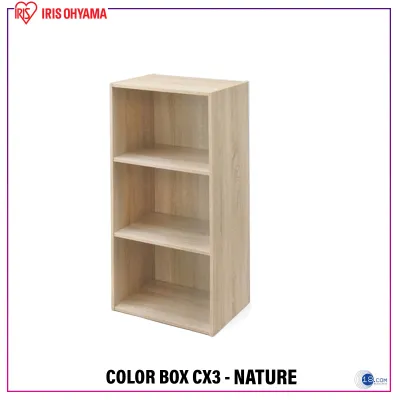
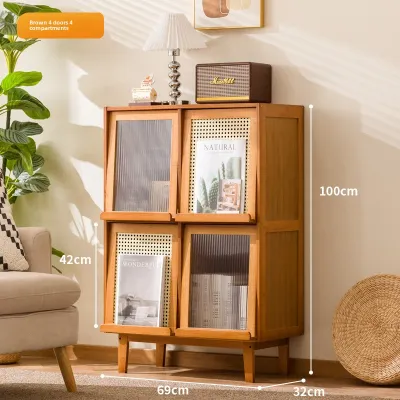
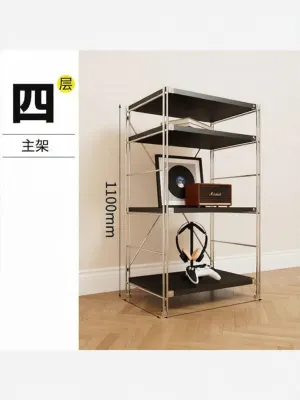
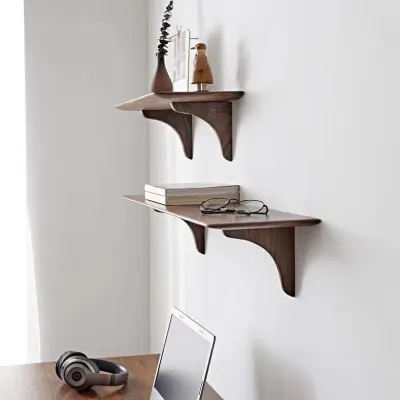
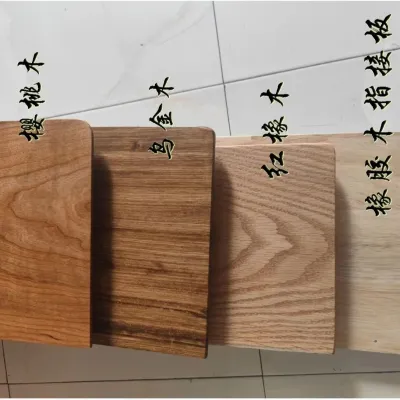
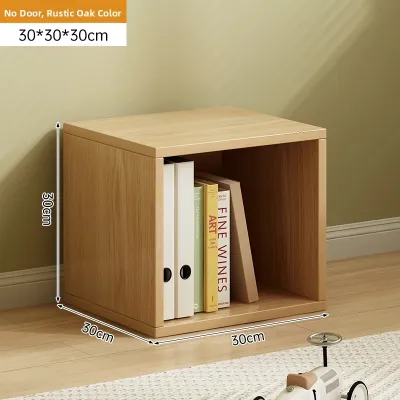
Prices are valid at publication and may change. Please refer to the product page for the latest price.
In Singapore’s HDB flats and condos, where living areas are increasingly compact, managing visual weight is just as important as managing physical space. A massive, dark-toned bookshelf can make a small living room feel claustrophobic, even if it technically fits within the floor area. In contrast, a Japanese-style shelf—frequently crafted from light-toned solid woods or high-quality veneers like oak, ash, or pine—helps maintain an open, uncluttered atmosphere.
The modular nature of many Japanese shelving systems is another significant advantage for local apartments. Instead of a single, rigid piece of furniture, these systems often consist of individual units or tiers that can be combined horizontally or vertically. This flexibility allows you to customize the height and width of your storage to match the unique architectural features of your home, such as recessed walls, structural columns, or awkward corners near the household shelter. By selecting a shelf with a low or mid-height profile, you can preserve natural light flow from your windows and balconies, keeping your living space bright and welcoming.
How to Measure Your HDB or Condo Space for a Shelf
Before purchasing a Japanese shelf, precise physical measurements are essential to ensure a seamless fit. Relying on visual estimates can lead to costly mistakes, especially when dealing with tight layouts where even a few millimeters can prevent a door from opening or block a walkway.

Floor and Wall Dimensions Begin by measuring the exact width and height of the wall space where you intend to place the shelf. Use a high-quality metal measuring tape for accuracy. Beyond the basic width and height, inspect the wall for any fixed obstructions. In Singapore apartments, these often include electrical sockets, light switches, fiber termination points, and air-conditioning trunking. Air-con trunking, which typically runs along the top or sides of walls, can protrude by 5cm to 10cm, preventing a tall shelf from sitting flush against the wall. Note the positions of these elements and ensure your chosen shelf height and depth do not interfere with them.
Clearance and Traffic Flow A shelf must not only fit the wall but also allow for comfortable movement around the room. In standard HDB or condo layouts, walkways and corridors are often narrow, sometimes measuring just 90cm to 100cm in width. If you place a shelf with a depth of 40cm in a narrow hallway, you reduce the walking space to a restrictive 50cm. As a general rule, maintain a clear walkway of at least 60cm to 70cm in front of the shelf. If the shelf is positioned in the dining area behind dining chairs, you will need at least 90cm of clearance. This space ensures that family members can pull out chairs, sit down, and walk past without bumping into the shelving unit.
Delivery and Access Checks One of the most overlooked aspects of furniture shopping is the delivery route. Even if a shelf fits perfectly in your living room, it must first get there. Measure the height and width of your HDB lift doors or condo service elevators, as well as any tight turns in the lift lobby or common corridors. Additionally, measure the clear opening of your unit’s main door and safety gate. If you are purchasing a pre-assembled solid wood shelf, these dimensions are critical. If the unit cannot fit through the lift or main door, you may face expensive return fees or delivery complications.
Baseboards and Skirting Most local homes feature skirting boards running along the base of the walls, typically measuring 1cm to 2cm in thickness. If a shelf has a completely flat back with no bottom recess, the skirting board will prevent the unit from sitting flush against the wall, leaving an unsightly gap where dust can accumulate. Check if the Japanese shelf you are considering features a built-in skirting cutout at the base. If it does not, you will need to account for this 1cm to 2cm gap when calculating the overall depth and stability of the unit.
Matching Shelf Dimensions to Common Room Layouts
Different rooms serve different purposes, and your shelf dimensions should reflect these functional and spatial needs. Choosing the right configuration of height, width, and depth ensures that your shelf enhances rather than hinders your room’s layout.
Living Room or Dining Area In the main living or dining areas, maintaining open sightlines is key to creating a sense of spaciousness. For these spaces, low-height shelves (80cm to 100cm) or mid-height shelves (120cm to 150cm) are highly recommended. A low-profile Japanese shelf can double as a console table behind a sofa or act as a subtle room divider between the living and dining zones without blocking the view. If you have a specific wall alcove or a recessed area next to a structural pillar, consider using a modular system. You can combine narrow modular columns to build a custom-width shelving unit that fits the alcove perfectly, making the furniture look like a seamless, built-in feature.
Bedroom or Study For bedrooms or dedicated study rooms, you can utilize taller shelving units (180cm to 210cm) to maximize vertical storage for books, documents, and personal items. However, placement requires careful planning. Avoid placing tall shelves directly adjacent to windows where they might block natural light or cast long shadows across the room. Ensure that the shelf is positioned far enough from the bed to prevent a crowded, claustrophobic feeling when lying down. Additionally, verify that the shelf does not impede the opening path of wardrobe doors or bedroom entryways.
Depth Considerations The depth of your Japanese shelf should be dictated by the items you plan to store.
- Shallow Depths (15cm to 25cm): These are ideal for displaying small decorative objects, ceramic ware, photo frames, and standard paperback books or manga. Shallow shelves have a very small physical footprint, making them perfect for tight corridors, entryway foyers, or small bedrooms.
- Standard Depths (30cm to 45cm): These are necessary if you need to store larger items, such as A4 files, ring binders, textbooks, or standard-sized storage boxes and baskets.
Before making a purchase, measure your largest books or storage containers. Always verify the internal shelf depth specified by the manufacturer, as the external frame dimensions will be slightly larger and may not reflect the actual usable storage space.
Common Sizing and Placement Mistakes to Avoid
Avoiding common pitfalls during the planning and installation phases will save you time, money, and potential safety hazards.
Ignoring Door Swing Arcs Always map out the swing arcs of all doors in the vicinity of your proposed shelf placement. This includes bedroom doors, bathroom doors, main entrance doors, and even balcony sliding doors or built-in wardrobe doors. A shelf placed even slightly inside a door’s swing path will prevent the door from opening fully, leading to daily frustration and potential damage to both the door and the furniture.
Overlooking Ceiling Fixtures Before selecting a tall shelving unit, look up. Note the positions of ceiling fans, low-hanging pendant lights, air-conditioning fan coil units, and curtain tracks. In Singapore’s warm climate, ceiling fans are incredibly common. Placing a tall shelf too close to a spinning ceiling fan is a serious safety hazard. Ensure there is ample clearance between the top of the shelf and any ceiling fixtures to maintain safe operation and unobstructed airflow.
Buying Massive, Fixed Units While a large, single-piece bookcase might seem convenient, it offers very little flexibility. If you decide to rearrange your room layout in the future, or if you move to a new HDB flat or condo, a massive fixed unit may not fit the new space. Opting for modular Japanese shelf components allows you to adapt your furniture over time. You can easily split a tall modular unit into two shorter ones, or add extra columns if you move to a larger home, ensuring your investment lasts for years.
Neglecting Weight Capacity and Anchoring Japanese shelves often feature a light, delicate aesthetic, but they must still support significant weight. Always check the manufacturer’s specified load capacity per shelf tier to prevent bowing or structural failure under the weight of heavy books. Furthermore, tall and narrow shelves (especially those exceeding 120cm in height) present a tip-over risk. It is critical to follow the manufacturer’s instructions for wall anchoring. This safety measure is particularly vital in households with young children or pets who might attempt to climb or pull on the shelves. Keep in mind that drilling into pre-cast concrete walls in HDB flats or drywall partitions in condos requires appropriate wall plugs and tools, so consult a professional installer if you are unsure.
Frequently Asked Questions (FAQ)
Can I customize the size of a Japanese modular shelf?
Yes, one of the defining features of Japanese modular shelving systems is their highly customizable nature. Most brands offer starter kits consisting of basic frames and shelves, which can then be expanded using add-on components. You can add extra tiers vertically to maximize high ceilings, or connect additional columns horizontally to fill a wide wall. This modularity allows you to adapt the shelf’s dimensions to your changing storage needs or to fit a completely different room layout if you relocate to a new HDB flat or condo.
How do I handle uneven walls or thick skirting boards in older flats?
Older HDB flats may occasionally have slightly uneven plaster walls or thick, traditional skirting boards. To address floor or wall unevenness, look for shelving units equipped with adjustable leveling feet, which allow you to stabilize the unit on uneven surfaces. If thick skirting boards prevent the shelf from sitting flush against the wall, you can use specialized spacer blocks behind the top of the frame to bridge the gap. This ensures the shelf remains stable and can still be securely anchored to the wall, even with a slight gap at the base.
What is the best shelf depth for standard books and files?
The ideal shelf depth depends on your specific storage items. For standard novels, paperbacks, and small display items, a shallow depth of 20cm to 25cm is usually sufficient and keeps the shelf’s footprint minimal. However, if you need to store standard A4 arch files, office binders, or common household storage boxes, you will require a shelf with an internal depth of at least 30cm to 33cm. Always measure your largest files or storage bins and compare them against the manufacturer’s specified internal dimensions before purchasing to ensure a proper fit.
Community discussion
Share your experience or ask a question. Comments are reviewed before publication.