
Finding the perfect high stool chair is the key to transforming a kitchen island or breakfast bar from a simple countertop into the social hub of your home. Whether you are furnishing a newly renovated HDB flat or updating a sleek condominium kitchen, the right seating bridges the gap between culinary preparation and casual dining. The secret to making a successful choice lies in balancing precise physical measurements with cohesive design elements. By understanding how different stool silhouettes, materials, and heights interact with your existing interior architecture, you can select a seating solution that is both highly functional and visually stunning.
Quick Guide to Matching High Stool Chair Styles
Choosing a high stool chair that feels integrated into your room requires a deliberate look at your existing design landscape. Instead of viewing the stool as an isolated piece of furniture, think of it as an extension of your kitchen cabinetry, flooring, and lighting fixtures. A successful style match depends on aligning leg finishes, seat materials, and overall silhouettes with the surrounding environment. For example, if your kitchen features matte black pendant lights and dark cabinet hardware, selecting stools with matching black metal legs creates an instant visual connection.
Beyond aesthetics, ergonomic compatibility must remain your top priority. Before browsing colors and textures, you must measure the height of your counter or island from the floor to the underside of the countertop. This single measurement dictates whether you need a counter-height or bar-height design. A mismatched stool height leads to poor posture and an uncomfortable dining experience. The most reliable approach is to identify your room’s dominant design theme, select materials that complement your lifestyle, and verify all physical clearances before committing to a purchase.
Products mentioned in this guide
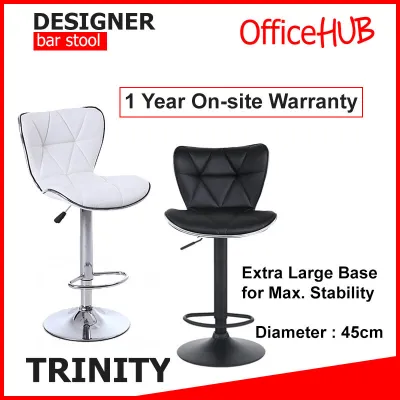
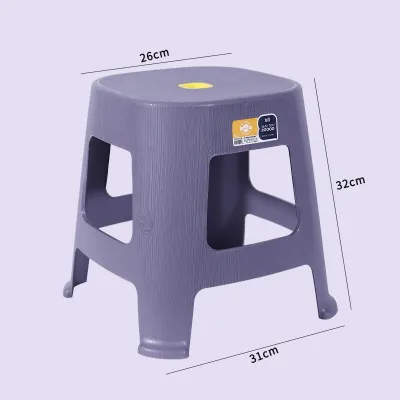
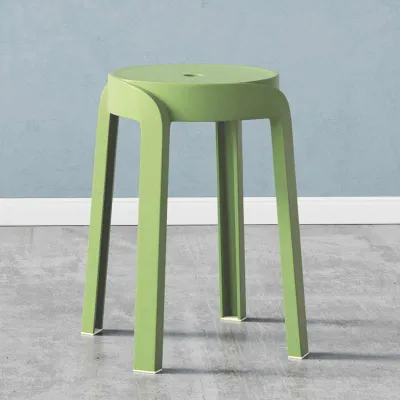
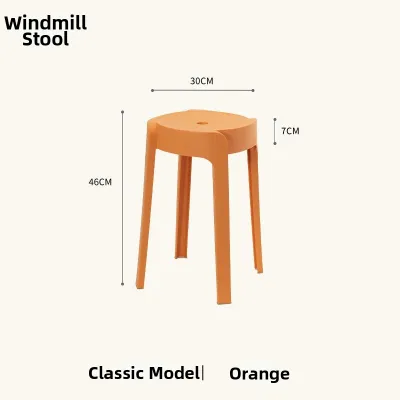
Prices are valid at publication and may change. Please refer to the product page for the latest price.
Assess Your Space and Existing Decor Before Shopping
Before exploring specific design styles, you must conduct a thorough spatial audit of your kitchen or dining area. The physical dimensions of your space will dictate the scale and quantity of the stools you can accommodate. Start by measuring the exact distance from the floor to the underside of your counter overhang. For standard kitchen counters or islands that stand between 85 and 90 centimeters high, you will require counter-height stools with a seat height of approximately 60 to 65 centimeters. If you have a raised breakfast bar or a commercial-style bar counter measuring 100 to 105 centimeters high, you will need bar-height stools with a seat height of 70 to 75 centimeters. Maintaining a gap of 25 to 30 centimeters between the seat and the underside of the counter ensures comfortable legroom.

Next, evaluate the available floor space and walkway clearance around your kitchen island. In compact apartment layouts, such as Singapore’s modern HDB flats and condominiums, maintaining clear traffic paths is essential. Ensure there is at least 90 centimeters of open space behind the stools when they are in use so family members can walk past without disruption. Additionally, consider the practicalities of delivery. Check the dimensions of your apartment’s main doorway, service lifts, and narrow corridors to guarantee that fully assembled furniture can be brought into your home without damage.
Once the physical boundaries are established, turn your attention to the existing decor. Take note of the dominant materials and finishes in the room. Look at the undertones of your wooden flooring, the color of your kitchen cabinetry, and the metal finishes of your appliances and tapware. If your kitchen features cool-toned marble countertops and stainless steel appliances, a high stool chair with warm brass accents or rich walnut legs can introduce a welcome layer of contrast. Conversely, matching the stool legs to the exact tone of your timber flooring creates a seamless, elongated visual flow that makes the room feel larger.
Match High Stool Chair Styles to Your Interior Theme
Your choice of seating should reinforce the architectural story of your home. By selecting a high stool chair style that aligns with your primary design theme, you create a cohesive environment that feels professionally curated.
Scandinavian and Minimalist Spaces
For homes designed around Scandinavian or minimalist principles, look for stools that prioritize simplicity, natural materials, and functional beauty. These spaces benefit from high stool chairs crafted from light-colored timbers such as white oak, ash, or beech. Molded plywood seats that follow the natural contours of the body offer exceptional comfort without the visual bulk of heavy upholstery. Focus on clean, tapered legs and subtle, unobtrusive footrests that blend into the frame.
When shopping for timber furniture, do not assume durability based solely on the wood species named in the product description. It is essential to review the manufacturer’s specifications for details on joinery and finish care. Look for stools featuring mortise-and-tenon or dowel joints, which offer superior structural integrity compared to simple screw-and-glue construction. Verify if the wood is sealed with a matte polyurethane lacquer or a natural oil finish; lacquered surfaces are generally easier to wipe clean, while oiled finishes require periodic reapplication but offer a more tactile, organic feel.
Industrial and Urban Loft Setups
Industrial interiors thrive on raw, utilitarian aesthetics, making them the perfect backdrop for robust metal-framed stools. Look for designs featuring matte black powder-coated steel, brushed iron, or gunmetal finishes paired with distressed leather or high-quality faux leather seats. Exposed rivets, weld marks, and mechanical adjustment mechanisms like threaded swivel seats add to the authentic loft character.
Because industrial stools often feature slender metal legs, you must verify the stated weight capacity and structural stability in the product specifications. Look for bases with cross-bracing, which significantly reduces the risk of wobbling over time. Given the high humidity levels in Singapore, it is also crucial to check if the metal components have been treated with a verified rust-resistant coating. Untreated iron or low-grade steel can quickly develop surface corrosion when exposed to moisture-laden air, especially in open-concept kitchens near balconies.
Mid-Century Modern and Contemporary Dining
If your home features retro curves, rich wood tones, and expressive textures, mid-century modern or contemporary stools are an ideal match. Look for high stool chairs with walnut or teak-toned legs, gently curved backrests, and upholstered seats featuring textured fabrics like bouclé, tweed, or performance velvet. These designs often incorporate organic, sculptural shapes that soften the hard, linear edges of kitchen countertops.
Before purchasing upholstered contemporary stools, always verify the fabric’s cleaning codes and the overall dimensions of the chair. If the stool features armrests, measure the height of the arms to ensure they can slide completely under your counter overhang when not in use. Failing to check this can lead to accidental scrapes on both the wooden armrests and the edge of your countertop, while also taking up valuable floor space in your walkway.
Evaluate Materials and Finishes for Daily Maintenance
While visual appeal is important, the practical demands of your household should dictate the materials you choose for your high stool chair. Kitchen islands are high-traffic zones where spills, crumbs, and daily wear are inevitable.
Evaluating seat materials requires a realistic look at your daily routine. Solid wood and metal seats are incredibly durable and can be wiped clean in seconds, making them excellent choices for busy households or those with young children. However, they lack the cushioning required for long periods of sitting. Upholstered seats offer superior comfort for extended dining or working sessions but require careful selection. If you prefer upholstery, look for performance fabrics that have been treated for stain resistance, or opt for high-quality faux leather, which offers the look of genuine leather while being easy to sanitize with a damp cloth.
Always consult the manufacturer’s care labels for approved cleaning agents before applying any household detergents. Avoid assuming that synthetic materials are inherently stain-proof or scratch-resistant without verified product specifications. For instance, certain low-grade plastics can discolor when exposed to direct sunlight through kitchen windows, while soft metals can scratch easily if rubbed with abrasive sponges.
Pay close attention to the structural joints and the design of the footrests. The footrest of a high stool chair takes a significant amount of force as users step up onto the seat. Check the product documentation to ensure the footrest is welded or bolted securely to the main frame rather than attached as an decorative afterthought. Ensure the base diameter of the stool is wide enough to prevent tipping, particularly for lightweight or top-heavy designs. In Singapore’s humid climate, wooden stools can expand and contract slightly, which may loosen joints over time. Regularly check and tighten any exposed screws or bolts to maintain structural safety.
Plan the Layout for Kitchen Islands and Breakfast Bars
A beautiful high stool chair is only as good as its placement. To create an inviting and functional dining area, you must plan the layout of your stools with careful attention to spacing and ergonomics.
To calculate how many stools can comfortably fit along your kitchen island, you must factor in both the width of the stools and the space required for movement. As a general rule, allow 66 to 76 centimeters of width for each stool, measured from the center of one seat to the center of the next. This ensures that guests have adequate shoulder room and can eat or converse without feeling cramped. Additionally, leave at least 15 centimeters of space between the outermost stools and the edge of the island counter to prevent a crowded appearance and allow for easy ingress and egress.
The choice between backless and full-back designs should be guided by how you intend to use the space. Backless stools are highly space-efficient because they can be tucked completely under the counter when not in use, keeping your walkways clear. This makes them perfect for quick breakfasts or morning coffee in compact kitchens. However, if you plan to use your island as a home office or for long dinner parties, stools with supportive backrests and integrated footrests are essential to prevent fatigue and support proper spinal alignment.
Finally, protect your home’s flooring from the constant movement of high stools. Sliding stools can easily scratch parquet, luxury vinyl tiles, or polished concrete. Check if the stool legs come equipped with non-marking rubber glides or felt protectors. If the manufacturer does not include them, purchase high-quality aftermarket floor protectors that match the diameter of the stool legs to keep your floors pristine.
Frequently Asked Questions (FAQ)
How much overhang do I need for a high stool chair?
For comfortable seating, your kitchen island or counter should have an overhang of at least 25 to 30 centimeters. This depth provides sufficient knee clearance so you do not have to sit sideways or hunch forward. Always measure your specific counter overhang and compare it with the depth of the stool’s seat before purchasing to ensure a comfortable fit.
Can I mix different bar stool styles in one kitchen?
Yes, mixing bar stool styles can create a dynamic, eclectic look if executed with intention. To keep the arrangement cohesive, maintain at least one unifying element across all stools. You can mix different chair shapes if they share the same leg finish, or use identical stool designs in two contrasting but complementary colors that match your kitchen’s palette.
What is the difference between counter-height and bar-height stools?
The primary difference lies in the seat height, which corresponds to different counter heights. Counter-height stools typically have a seat height of 60 to 65 centimeters and are designed for standard kitchen counters (85 to 90 centimeters high). Bar-height stools feature a seat height of 70 to 75 centimeters, making them suitable for taller bar tables or raised breakfast counters (100 to 105 centimeters high).
Community discussion
Share your experience or ask a question. Comments are reviewed before publication.