
Choosing the right style of high coffee table requires balancing physical ergonomics with the visual language of your living room. Unlike standard low-slung tables, a high coffee table (typically 24 to 30 inches tall) draws immediate visual attention and serves as a highly functional focal point. To select the perfect match, you must evaluate how the table’s height, silhouette, and materials interact with your existing seating, spatial constraints, and design theme.
Why a High Coffee Table Might Be the Right Choice for Your Space
Standard coffee tables typically sit around 16 to 18 inches (40 to 45 cm) off the ground, aligning comfortably with low-profile sofa seats. In contrast, a high coffee table reaches heights of 24 to 30 inches (approximately 60 to 76 cm), placing its surface closer to counter or casual dining heights. This elevation completely shifts how the piece functions within a home, transforming it from a simple footrest or cup-holder into an active, multi-use surface.
For modern households, particularly in space-conscious environments like Singapore’s HDB flats and condominiums, rooms must wear multiple hats. A high coffee table easily transitions from a casual dining spot for quick weeknight meals to a highly functional work-from-home desk during the day. This height allows you to sit upright on a standard sofa or low stool without hunching over, reducing back strain during long laptop sessions. It also serves as an excellent central hub for entertaining, allowing guests to gather around, place drinks down, or grab appetizers without bending down.
Products mentioned in this guide
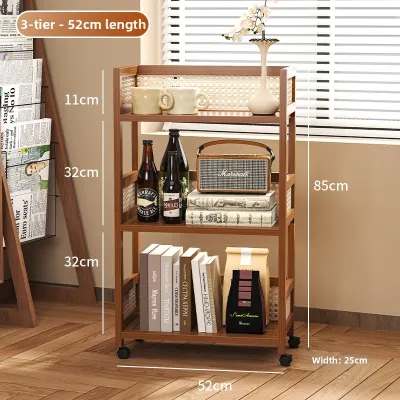

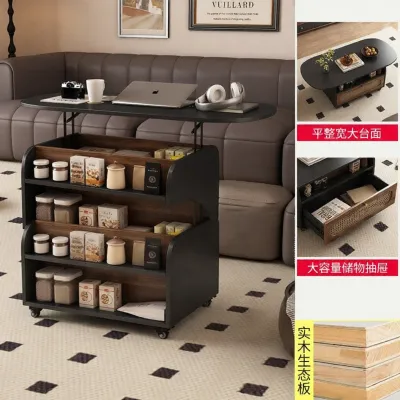
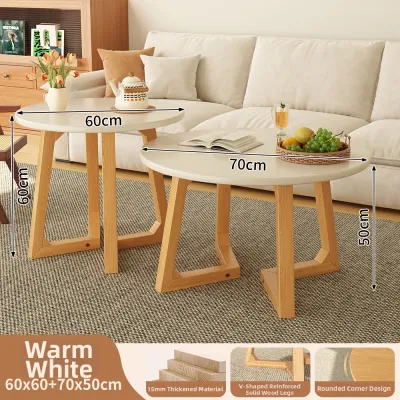
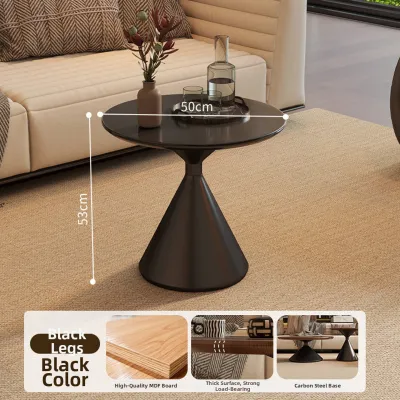
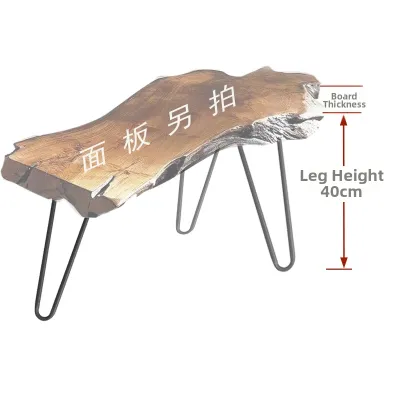
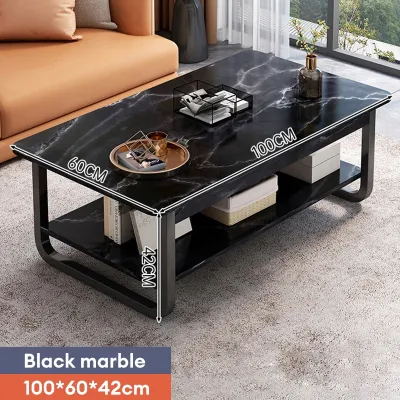
Prices are valid at publication and may change. Please refer to the product page for the latest price.
From a purely visual standpoint, a high coffee table introduces essential vertical interest to a room. Modern furniture trends often favor low-slung, modular sofas that can make a living room feel horizontally flat or bottom-heavy. Introducing a taller central piece breaks up this monotony, drawing the eye upward and creating a more balanced, dynamic composition. Additionally, in open-concept layouts where the living room flows directly into the dining area or kitchen, a taller coffee table helps maintain clear sightlines and defines the seating zone without requiring solid partitions.
How to Match High Coffee Table Styles to Your Existing Decor
To help you quickly identify which design elements align with your home’s aesthetic, the following reference table maps popular interior styles to their recommended materials, base structures, and shapes.

| Living Room Style | Recommended Materials | Base Design | Ideal Shape | Visual Weight |
|---|---|---|---|---|
| Modern & Minimalist | Tempered glass, polished metal, sintered stone | Geometric, hidden, or cantilevered | Round or clean square | Light to medium |
| Industrial & Urban Loft | Reclaimed wood, matte black iron, brushed steel | Exposed hardware, trestle, or metal frame | Rectangular | Heavy and structured |
| Mid-Century Modern | Walnut, teak, subtle brass accents | Tapered, splayed legs | Oval or kidney bean | Light and organic |
| Classic & Traditional | Mahogany, cherry wood, marble-look stone | Turned legs, pedestal, decorative molding | Round or ornate rectangular | Solid and grounded |
Modern and Minimalist Aesthetics
For clean, uncluttered spaces, a high coffee table must maintain a sense of lightness despite its elevated stature. Sleek profiles and geometric or hidden bases are essential to prevent the piece from dominating the room visually. Look for materials that allow light to pass through or reflect off the surface, such as tempered glass, polished chrome, or light-toned sintered stone. Sintered stone offers a highly durable, non-porous alternative to natural marble, resisting stains and scratches while maintaining a slim, refined edge profile. The key is to emphasize negative space; a cantilevered base or a thin metal frame ensures the table appears to float, preserving the airy feel of a minimalist interior.
Industrial and Urban Loft Styles
Industrial design thrives on raw, unrefined textures and a sense of utilitarian history. To complement this aesthetic, select a high coffee table that pairs a thick, distressed or reclaimed wood top with a robust metal frame. Matte black iron, brushed steel, or gunmetal finishes provide the necessary structural contrast to the warm, textured wood grain. Look for design details like exposed rivets, functional casters, or heavy-duty trestle bases that evoke an old-world workshop feel. The natural imperfections in the wood—such as knots, mineral streaks, and subtle color variations—add tactile warmth to the space, making the taller table a commanding, character-rich centerpiece.
Mid-Century Modern and Retro Vibes
Mid-century modern decor relies on organic silhouettes, warm wood tones, and playful yet functional geometries. When choosing a high coffee table for this style, look for warm-toned woods like teak, walnut, or cherry, which bring natural warmth to the living room. The legs should be tapered and slightly splayed—a signature of the era that keeps the tall table looking elegant rather than blocky. Organic shapes like ovals, rounded triangles, or kidney-bean silhouettes work exceptionally well here, as their gentle curves soften the verticality of a taller table. Subtle brass or copper caps on the feet add a touch of retro sophistication without overwhelming the organic design.
Classic and Traditional Elegance
In formal or transitional living rooms, a high coffee table should convey a sense of permanence, heritage, and refined craftsmanship. Traditional aesthetics call for rich, dark wood finishes like deep mahogany, walnut, or cherry, often accented with decorative molding or carved details. Look for tables featuring elegant turned legs, fluted columns, or a solid central pedestal base that anchors the seating arrangement. Topping the table with a substantial slab of natural marble or a high-quality marble-look stone elevates the formality of the room. The proportions should feel substantial and balanced, matching the visual weight of plush, rolled-arm sofas or structured wingback chairs.
Translating Style into Materials, Shapes, and Proportions
Material Maintenance and Care
While aesthetics guide your initial selection, the physical materials dictate how the table behaves under daily use. If you opt for a natural stone top, such as marble or travertine, keep in mind that these materials are porous and prone to etching from acidic liquids or staining from coffee spills; regular application of a penetrating sealer is necessary to protect the finish. For solid wood tops, the Singapore climate’s high humidity levels mean wood can expand and contract; check that the table’s joints are constructed to allow for natural movement without cracking. Always use trivets or coasters to protect wood finishes from heat marks and moisture rings, and consult the manufacturer’s instructions regarding specific care products for wood veneers, as harsh chemical cleaners can degrade the adhesive layer over time.
Shape Dynamics and Traffic Flow
The shape of your high coffee table directly impacts how easily people can move around the living room. Round or oval high tables are highly forgiving in tight or high-traffic spaces because they lack sharp corners, providing better knee clearance when sitting down and allowing smooth circulation. This is particularly advantageous in compact layouts where the gap between the sofa and the television console is narrow. On the other hand, rectangular or square high tables offer a more structured, expansive surface area. This layout is ideal if you frequently use the table for formal dining, board games, or spreading out multiple work documents, as it aligns neatly with the straight lines of a standard multi-seat sofa.
Visual Weight and Base Design
The design of the table’s base determines both its physical stability and its visual footprint. A solid pedestal or block base makes a tall table feel grounded and architecturally significant, but it can overwhelm a small room if paired with bulky seating. Conversely, a slender, four-legged frame or a wireframe base keeps the floor area visible, making the entire living room feel larger and more open. To achieve a harmonious balance, match the visual weight of the table to the scale of your seating: pair a heavy, deep-seated sectional with a more substantial, solid-based table, while pairing a delicate, raised-leg sofa with a high table that features slender, elegant legs.
The Pre-Purchase Checklist for High Coffee Tables
Height and Ergonomic Clearance
Before making a purchase, measure the exact height of your sofa’s seat cushions from the floor. For a high coffee table to function comfortably as a dining or work surface, the table top should ideally sit between 2 to 6 inches higher than the sofa seat. Additionally, ensure there is at least 10 to 12 inches of vertical clearance between the underside of the table frame (including any support aprons) and your knees when seated on the sofa, allowing you to slide your legs underneath comfortably.
Stability and Base Footprint
Because high coffee tables have a higher center of gravity than standard models, physical stability is a critical safety consideration. Examine the ratio between the width of the table’s base and the width of its top; a base that is too narrow relative to the top surface increases the risk of tipping if someone leans heavily on the edge. This is especially important in households with active children, pets, or older adults who might use the table for support when standing up. Look for models with weighted bases or wider leg spreads to ensure the unit remains rock-solid under daily pressure.
Multi-Use Surface Verification
If you plan to use the table for writing, typing, or dining, inspect the edge profile and surface texture. Extremely rustic wood tops with deep, uneven grooves can make it difficult to balance a wine glass or write on a single sheet of paper. Opt for a smooth, flat surface finish instead. Furthermore, look for gently beveled or rounded edges rather than sharp, 90-degree angles; rounded edges are far more comfortable to rest your forearms against during long working sessions and reduce the risk of painful bumps.
Delivery and Spatial Logistics
In Singapore’s high-density housing landscape, physical logistics can present unexpected challenges during delivery. Before ordering a tall, non-collapsible, or heavy stone-topped coffee table, measure your home’s entryways, main doorways, and any tight corridor corners. Crucially, check the internal dimensions of your condominium or HDB estate’s passenger lift, as well as the height of the lift doorway, to verify that a large, fully assembled table can be transported safely to your floor without requiring expensive manual stair-carrying services.
Frequently Asked Questions (FAQ)
What is the ideal height difference between a high coffee table and the sofa?
For comfortable dining, typing, or writing, the top of a high coffee table should ideally sit 2 to 6 inches higher than the top of your sofa seat cushions. This contrasts sharply with standard coffee tables, which are typically designed to sit 1 to 2 inches below the sofa seat. The slight elevation of a high table prevents you from having to lean forward excessively, promoting better posture during active tasks.
Can I use standard dining chairs with a high coffee table?
Generally, standard dining chairs are not a good fit for high coffee tables. Dining chairs typically feature an 18-inch seat height, which is designed for a 30-inch dining table, whereas high coffee tables often sit in the 24-to-28-inch range. Pairing them can result in cramped legroom or uncomfortable posture; instead, consider low-profile, counter-height stools (around 24 inches) or adjustable-height seating that can be tailored to the exact height of your table.
How do I style the top of a high coffee table without it looking cluttered?
Because a high coffee table sits closer to eye level, clutter is more visually prominent. To keep the surface organized, apply the rule of thirds by dividing the table into three zones and leaving at least one zone completely empty to preserve negative space. Use a low-profile decorative tray to corral daily items like remote controls or coasters, and introduce varying heights with a single tall ceramic vase or a small stack of art books to balance the table’s vertical presence.
Community discussion
Share your experience or ask a question. Comments are reviewed before publication.