
Protecting the floors of your home is a critical aspect of maintaining both the aesthetic appeal and the long-term value of your property. In Singapore, where residential spaces feature a diverse mix of flooring materials—ranging from elegant ceramic tiles in the kitchen to modern luxury vinyl in the living room and classic teak parquet in the bedrooms—a single approach to furniture protection simply does not work. Moving a heavy dining table, a sofa, or even a lightweight study chair can cause immediate, irreversible damage if the legs are not fitted with the correct protective hardware.
Using the wrong type of furniture slider can lead to deep scratches, permanent indentations, or unsightly scuff marks that are both difficult and expensive to repair. To prevent these issues, you must understand how different slider materials interact with specific flooring surfaces. By matching the physical characteristics of your floors with the appropriate slider design, you can ensure smooth, silent movement while preserving the pristine condition of your home’s surfaces.
Choosing the right furniture slider involves evaluating the vulnerability of your floor, the weight of your furniture, and the environmental conditions of your living space. This guide provides a comprehensive framework to help you select, install, and maintain the ideal sliders for tiles, vinyl, and parquet floors, ensuring your home remains beautiful and functional for years to come.
Products mentioned in this guide
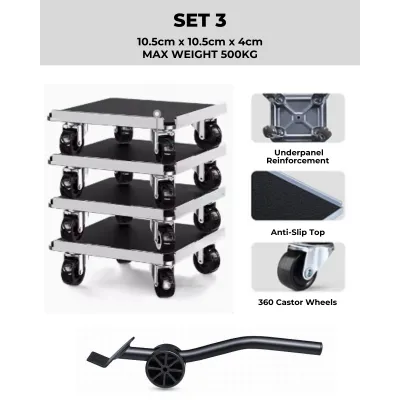
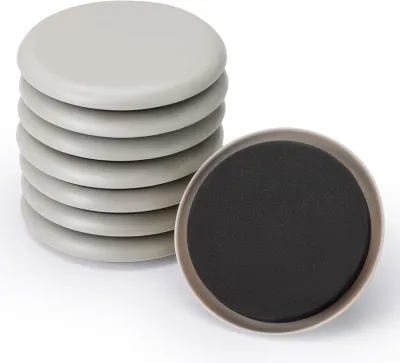
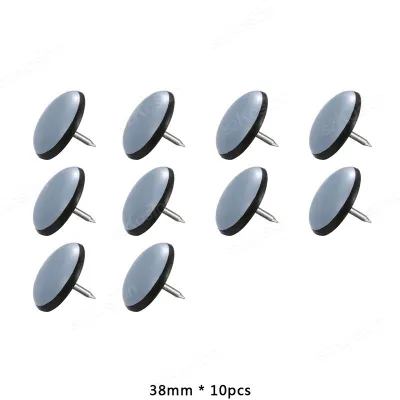
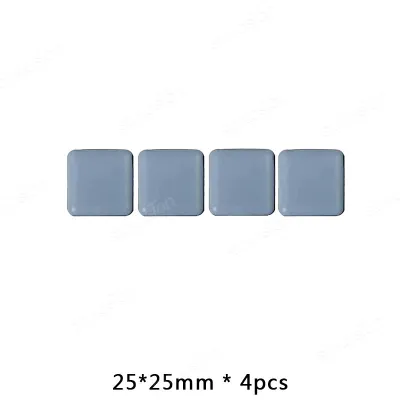
![[Min Buy Any 3] Steve & Leif Heavy Duty Round Felt Self Adhesive Furniture Felt Sliders Anti-Skid Pads](https://img.lazcdn.com/g/p/044da93e9c9e56f3e393d27958cba463.jpg_400x400q80.jpg_.webp)
Prices are valid at publication and may change. Please refer to the product page for the latest price.
Understanding Floor Vulnerabilities and Slider Materials
Every flooring material possesses unique physical properties that dictate how it responds to friction, pressure, and weight. Ceramic and porcelain tiles, for example, are incredibly hard and resistant to scratching, but they are far from indestructible. The primary vulnerability of a tiled floor lies in its grout lines and surface textures. When furniture is dragged across tiles, any slider that is too soft, thin, or poorly secured can easily catch on these recessed grout joints, leading to sudden resistance, torn sliders, or even chipped tile edges.
Vinyl flooring, particularly luxury vinyl tiles (LVT) or vinyl planks, offers a softer, more cushioned feel underfoot, but this inherent elasticity makes it highly susceptible to pressure damage. Heavy, stationary furniture can exert immense concentrated force on small areas, leading to permanent indentations in the vinyl core. Furthermore, vinyl surfaces are prone to scuffing and chemical discoloration when they come into contact with incompatible materials, meaning that the wrong slider can leave permanent dark marks or yellow stains that cannot be washed away.
Parquet and engineered wood floors represent some of the most delicate surfaces in a home. Natural wood is relatively soft and highly sensitive to abrasive wear, meaning that even tiny particles of dust or sand trapped under a furniture leg can act like “sandpaper,” grinding away the protective polyurethane or lacquer finish. Once this protective barrier is compromised, the underlying wood is exposed to moisture, dirt, and deeper gouging, which can eventually require professional sanding and refinishing.
To protect these diverse surfaces, manufacturers produce furniture sliders from several primary materials, each offering distinct performance characteristics. Felt is the most common material, valued for its soft, fibrous texture that cushions furniture legs and glides silently across smooth surfaces. Hard plastic sliders, often made from polyethylene or similar polymers, offer extremely low friction and high durability, making them ideal for effortless sliding over rougher or more textured surfaces.
Rubber and silicone sliders serve a different purpose entirely; rather than facilitating smooth movement, these materials are designed to grip the floor, preventing unwanted sliding while still providing a protective barrier against scratches. Understanding these material differences is the first step in selecting the right protection for your specific home environment.
Matching Sliders to Your Specific Floor Type
Selecting Sliders for Tile Floors
When selecting sliders for tiled surfaces, the primary goal is to achieve a smooth glide that easily bridges the gaps created by grout lines. For smooth, polished, or glazed ceramic and porcelain tiles, high-density felt pads or rounded hard plastic sliders generally perform exceptionally well. The hard, smooth surface of glazed tile allows these materials to slide with minimal resistance, making it easy to rearrange heavy dining chairs or tables without straining.

However, if your home features matte, textured, or rustic tiles, the selection process requires more care. Textured tiles have microscopic peaks and valleys that can quickly abrade soft, low-density felt pads, causing them to wear down or shred within a few weeks. For these rougher surfaces, thick, high-density felt or heavy-duty plastic sliders with rounded edges are much more durable, as they can withstand the abrasive texture without disintegrating.
The width and depth of your grout lines also play a crucial role in slider performance. If your tiles are laid with wide, deep grout joints, thin felt pads can easily sink into the gaps and catch on the sharp edges of the adjacent tiles as the furniture is moved. To prevent this snagging, choose sliders with a slightly bevelled or rounded edge profile, which allows the slider to climb gently out of the grout line rather than colliding with the tile edge.
Before purchasing sliders for your tile floors, always inspect the edge profile of the product. Ensure that the transition from the flat base to the side of the slider is smooth and curved rather than sharp and vertical. This simple design detail prevents the slider from catching, reduces the risk of the pad peeling off under lateral force, and ensures a quiet, seamless glide across your entire tiled area.
Selecting Sliders for Vinyl Floors
Vinyl floors require a protective strategy that focuses on weight distribution and chemical compatibility. Because vinyl is a relatively soft material, placing heavy furniture like wardrobes, bookcases, or large sofas on narrow legs can result in permanent, unsightly dents. To mitigate this risk, you must select wide, flat-base sliders that maximize the contact area between the furniture leg and the floor, effectively spreading the load and reducing the pressure exerted on the vinyl.
In addition to physical indentation, vinyl flooring is vulnerable to chemical staining caused by a phenomenon known as plasticizer migration. Certain dark-colored rubbers, low-grade plastics, and unsealed synthetic materials contain chemical compounds that react with the plasticizers in vinyl, leading to permanent yellow, brown, or black discoloration. To avoid this irreversible damage, never use dark rubber cups or cheap, unbranded plastic glides directly on vinyl surfaces.
Instead, look for sliders specifically labeled as “vinyl-safe,” “non-staining,” or made from high-quality, chemically stable materials such as clear silicone, high-density felt, or specialized non-reactive polymers. These products are formulated to provide the necessary cushioning and glide without releasing any compounds that could chemically bond with or stain your vinyl planks.
When shopping for vinyl-safe sliders, verify the manufacturer’s product specifications to confirm compatibility with luxury vinyl tile (LVT) or sheet vinyl. Opting for wide, light-colored, or clear silicone slip-on caps with integrated felt bases is often the safest choice, as they combine the excellent weight distribution of a wide cap with the non-reactive, non-scratching benefits of high-quality felt.
Selecting Sliders for Parquet and Wood Floors
Parquet and solid wood floors demand the gentlest protection possible to safeguard their delicate finishes from scratches and gouges. For these surfaces, high-density felt is universally recognized as the preferred material. The soft, dense fibers of high-quality felt provide a cushioned barrier that absorbs minor impacts and allows furniture to glide silently and smoothly across the wood without leaving any trace of friction.
It is critical to avoid using hard plastic, metal-exposed bases, or rough, industrial rubber sliders on parquet floors. Hard plastic and metal can easily trap tiny grains of sand or grit beneath them; as the furniture is moved, these trapped particles are pressed into the wood finish with immense force, resulting in deep, permanent scratches. Rough rubber can also leave dark scuff marks that are incredibly difficult to buff out of a delicate wood lacquer.
In Singapore’s hot and highly humid climate, protecting wood floors requires additional considerations. High humidity levels can cause wood to expand and contract, and it can also weaken the adhesives used on standard peel-and-stick felt pads. Over time, the adhesive on cheap pads can become gooey and slide off the furniture leg, exposing the bare wood or metal leg to your parquet floor and leaving a sticky residue that attracts dirt.
To combat the effects of humidity, consider using mechanical sliders, such as screw-in or nail-on felt glides, for heavy wooden furniture that remains stationary for long periods. For lighter, frequently moved items like dining chairs, high-quality slip-on silicone caps with bonded felt bases offer an excellent alternative, as they grip the furniture leg securely without relying solely on adhesive, while ensuring that no moisture is trapped directly against the wood surface.
Evaluating Furniture Weight and Base Design
Selecting the right slider material is only half the battle; you must also match the slider’s physical design and load capacity to the specific dimensions and weight of your furniture. Placing a lightweight, thin felt pad under a heavy solid-wood sideboard will result in the pad flattening completely within days, rendering it useless. Conversely, using a heavy-duty, thick plastic glide on a delicate, lightweight side table is unnecessary and can look visually unappealing.
Before purchasing, estimate the weight of your furniture piece—including its typical contents, such as books in a bookcase or crockery in a sideboard—and cross-reference this with the manufacturer’s stated load limits. High-quality slider packaging will often specify the maximum weight capacity per pad or per set of four. Ensuring your furniture falls well within these limits prevents premature wear and guarantees that the slider material will maintain its cushioning properties over time.
The attachment style of the slider should also align with how the furniture is used and the design of its legs. Self-adhesive pads are highly convenient and work best on flat-bottomed legs of light to medium-weight furniture, provided the surface is properly cleaned before application. For chairs with round, square, or angled legs, slip-on silicone or rubber caps offer a secure fit that wraps around the leg, preventing the slider from shifting sideways when the chair is pulled out.
For heavy-duty applications, such as large dining tables, beds, or heavy armchairs, screw-in or nail-on glides are the most reliable option. These mechanical fasteners ensure that the slider remains permanently anchored to the center of the furniture leg, eliminating the risk of the pad sliding off under heavy lateral loads. However, these should only be installed on solid wood legs, and care must be taken to pre-drill pilot holes to prevent the wood from splitting.
Finally, always ensure that the diameter of the slider matches or slightly exceeds the footprint of the furniture leg. If the slider is too small, the edges of the furniture leg will overhang, creating an uneven distribution of weight that can cause the furniture to tilt, wobble, or dig into the floor. A properly sized slider covers the entire base of the leg, ensuring maximum stability, optimal weight distribution, and a clean, professional appearance.
Installation, Maintenance, and Safety Checks
Proper installation is paramount to ensuring that your furniture sliders perform effectively and do not cause accidental damage to your floors. Before applying any self-adhesive slider, you must thoroughly clean the bottom of the furniture leg to remove all dust, wax, oils, and old adhesive residue. Wipe the surface with a damp cloth or a small amount of rubbing alcohol, and allow it to dry completely, as any remaining moisture or debris will prevent the adhesive from forming a strong, permanent bond.
Once the furniture leg is clean and dry, apply the slider carefully, ensuring it is centered on the leg base. For self-adhesive pads, press the pad firmly against the wood or metal for at least thirty seconds to activate the pressure-sensitive adhesive. To ensure the longest possible lifespan for the bond, avoid moving the furniture for at least twenty-four hours, allowing the adhesive to cure fully and grip the surface securely.
Even the highest quality furniture sliders require regular maintenance to remain effective over time. In any home, dust, pet hair, and outdoor grit inevitably accumulate on the floor. Over time, these abrasive particles can become embedded in the soft fibers of felt pads, turning a protective cushion into a highly abrasive surface that can scratch your floors. Periodically vacuum your felt pads using a brush attachment, or gently wipe them with a damp cloth to remove trapped debris.
Establish a routine to inspect your furniture sliders every six months, or immediately after deep cleaning your floors. Check for visual signs of wear, such as flattened or matted felt, cracked plastic bases, or adhesive that has begun to slip or ooze from the edges. If you notice that a felt pad has become hard, thin, or packed with dirt, replace it immediately to prevent any risk of floor damage.
Lastly, always pay attention to auditory and physical cues when moving your furniture. If you hear a scraping, grinding, or squeaking noise, or if you feel sudden resistance when sliding a chair, stop moving the item immediately. These signs indicate that a slider has either worn through, fallen off, or trapped a sharp piece of debris underneath. Inspecting the leg immediately and replacing the damaged slider can save you from a costly and frustrating floor repair.
Frequently Asked Questions (FAQ)
Can I use the same furniture sliders on all floor types?
While some multi-surface felt pads are marketed as universal solutions, using a single slider type across all flooring materials is generally not recommended. Different floors have distinct physical properties and vulnerabilities that require specific slider characteristics. For instance, a hard plastic slider that glides effortlessly on carpet or smooth ceramic tiles can easily scratch a delicate parquet floor if a tiny grain of sand becomes trapped beneath it.
Similarly, a narrow felt pad that works perfectly on a wooden dining chair can cause permanent indentations if used under a heavy cabinet on a soft vinyl floor. To achieve the best protection and performance, always match the slider material to the specific hardness, texture, and sensitivity of your flooring. Use high-density felt for parquet, wide and flat non-staining sliders for vinyl, and rounded, durable plastic or thick felt for tiled surfaces.
How do I know when it is time to replace my furniture sliders?
You should replace your furniture sliders as soon as you observe any signs of physical wear, degradation, or changes in performance. Visual indicators include felt pads that have become completely flattened, hardened, or heavily embedded with dirt and hair, as well as plastic bases that show deep scratches or cracks. If you notice adhesive residue oozing out from under the pad or if the slider has shifted off-center, it is time for a replacement.
Auditory cues are also highly reliable indicators of slider failure. If moving a piece of furniture suddenly produces a scraping, grinding, or harsh sliding sound instead of a quiet glide, the protective barrier has likely failed. Regularly checking your sliders after wet mopping or moving heavy items will help you identify these issues early, ensuring your floors remain fully protected against unnecessary wear and tear.
Community discussion
Share your experience or ask a question. Comments are reviewed before publication.