
Protecting your home’s flooring while maintaining the freedom to rearrange furniture requires matching the slider’s base material to the specific characteristics of your floor. Using the wrong slider can lead to permanent scratches, gouges, or unsightly scuff marks that are costly to repair.
To achieve effortless gliding, you must evaluate the hardness, texture, and finish of your flooring. Whether you are moving a heavy sideboard across polished marble or sliding dining chairs over delicate parquet, understanding how different materials interact under pressure is the first step toward safeguarding your home. Investing a few S$ in the correct sliders can save you thousands of dollars in professional floor restoration costs down the road.
Matching Furniture Sliders to Your Specific Floor Type
Every flooring material possesses a unique level of surface friction and vulnerability to wear. Hard, unyielding surfaces like ceramic tiles require different protective measures than softer, organic materials like solid timber or synthetic vinyl. Failing to account for these differences often results in accelerated wear on both the floor and the furniture legs.
Products mentioned in this guide
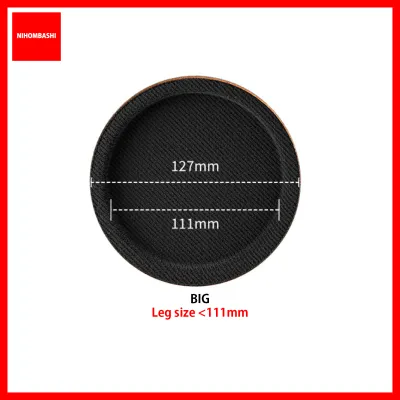
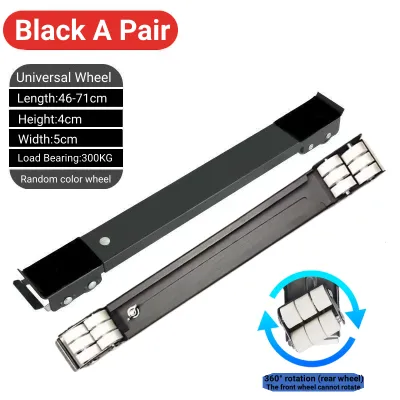
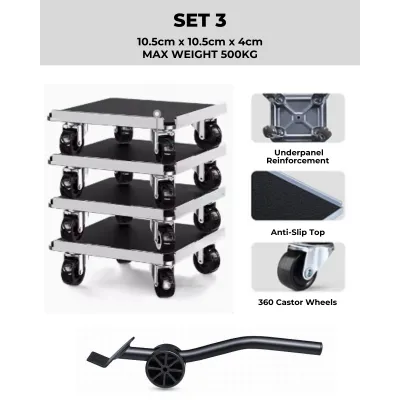
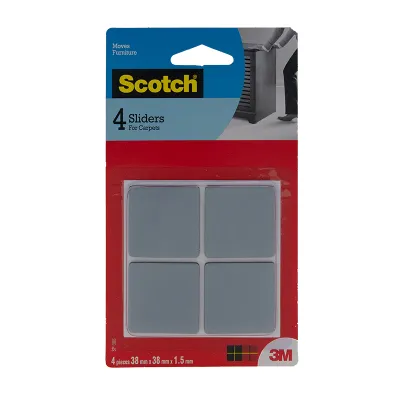
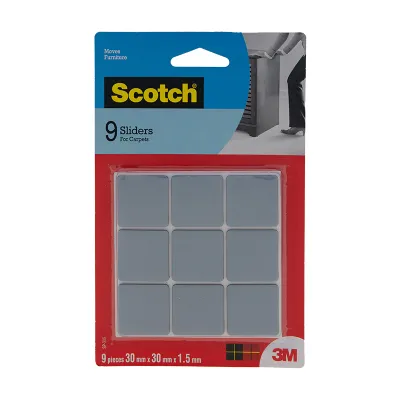
![[Min Buy Any 3] Steve & Leif Heavy Duty Round Felt Self Adhesive Furniture Felt Sliders Anti-Skid Pads](https://img.lazcdn.com/g/p/044da93e9c9e56f3e393d27958cba463.jpg_400x400q80.jpg_.webp)
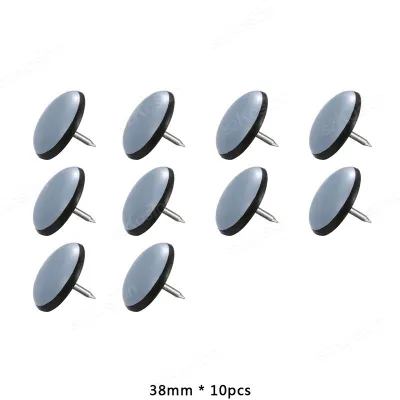
Prices are valid at publication and may change. Please refer to the product page for the latest price.
As a general rule, you should pair soft slider bases with hard, smooth floors, and hard slider bases with soft, carpeted floors. This contrast in textures minimizes friction and prevents the slider from binding. However, always verify these general guidelines against the specific recommendations provided by your flooring manufacturer.
Before applying any adhesive, nail-on, or heavy-duty sliders, review your floor’s warranty conditions. Some high-end vinyl or engineered wood warranties explicitly restrict the use of certain adhesives or rubber compounds, which can cause chemical discoloration or surface degradation over time.
Smooth and Hard Surfaces (Tiles and Marble)
Polished marble and ceramic tiles present unique challenges due to their grout lines, natural pores, and high-gloss finishes. While these floors are highly durable, they are susceptible to chipping under concentrated loads and scratching from trapped grit. Moving heavy furniture across these surfaces requires sliders that can bridge gaps without catching.
For tiled areas, smooth, hard plastic or specialized polymer slider bottoms are highly effective. These dense materials glide easily over grout lines without snagging, ensuring a continuous, fluid movement. The rigid structure of polymer sliders helps distribute the weight of heavy cabinets or sofas evenly across the tile surface.
When selecting sliders for polished marble, pay close attention to the edge design. Sliders with sharp, squared-off edges can dig into the stone or scrape the polished sealant during lateral movement. Opt for sliders with rounded, beveled edges that lift slightly at the perimeter to ensure they ride smoothly over minor surface unevenness.
Additionally, always verify the weight of your furniture against the slider’s rated load capacity. Concentrated pressure on a single point can crack ceramic tiles or fracture natural stone. Ensuring your sliders are rated for the heavy load of solid wood sideboards or marble-topped tables protects both the integrity of the slider and the underlying floor structure.
Sensitive and Scratch-Prone Surfaces (Vinyl and Parquet)
Vinyl planks and parquet wood floors are highly valued for their warmth and aesthetic appeal, but they are exceptionally sensitive to scratches, indentations, and finish wear. The protective topcoats on these floors can easily be stripped away by abrasive materials or excessive friction, leaving the underlying material vulnerable to moisture and dirt.
To protect these delicate surfaces, select soft, non-abrasive slider materials such as high-density felt or smooth, non-marking rubber. High-density felt acts as a soft cushion, absorbing minor impacts and allowing furniture to glide silently without scratching the polyurethane finish of parquet or the wear layer of luxury vinyl.
Avoid using hard plastic or metal sliders on parquet and vinyl floors under any circumstances. These rigid materials can trap tiny particles of grit underneath them, acting like sandpaper as the furniture moves. Over time, this abrasive action strips the protective topcoat, leaving permanent dull spots or deep gouges that require professional refinishing.
Before installing any slider on a sensitive floor, inspect the base of the protector itself. Check for any embedded manufacturing debris, rough seams, or hardened adhesive drops on the felt surface. Even a tiny imperfection on the bottom of a new slider can cause immediate scratching when subjected to the weight of a heavy chair or table.
Essential Selection Criteria Beyond Floor Type
Selecting the right slider involves more than just matching materials; you must also ensure a precise physical fit with your furniture. Properly sized and rated accessories prevent accidents, protect the structural integrity of the furniture legs, and ensure long-term performance.

Furniture Leg Shape and Size: Accurately measure the base of each furniture leg before purchasing sliders. The slider should cover the entire contact area of the leg without overhanging the edges, as overhanging sliders can catch on passing feet, collect dust, or create a tripping hazard. Conversely, a slider that is too small will not distribute weight effectively and may cause the furniture leg to split or slide off the protector entirely.
Weight Capacity: To determine the required load rating, calculate the total weight of the furniture piece—including its typical contents—and divide that figure by the number of legs. Compare this calculation against the manufacturer’s stated load limit per slider. Exceeding these limits can cause felt to compress permanently, rendering it useless, or cause plastic sliders to crack under pressure, exposing the floor to the raw furniture leg.
Attachment Method: Evaluate the attachment method based on your furniture’s material and how often the item is moved. Nail-on and screw-on sliders offer a highly secure, permanent connection for wooden legs, making them ideal for frequently moved items like dining chairs. For metal or plastic legs, or for temporary moves, self-adhesive sliders or slip-on silicone caps provide a non-invasive alternative that does not damage the furniture structure.
Safe Installation and Movement Practices
Proper installation and careful movement techniques are essential to prevent damage to both your furniture and your flooring during the setup process. Taking a few preparatory steps ensures that your sliders perform as intended and remain securely attached.
Begin by thoroughly cleaning and drying the base of each furniture leg. Dust, oil, and moisture can severely weaken the bond of self-adhesive sliders, causing them to shift or peel off when the furniture is moved. For wooden legs, a light sanding of the bottom surface can improve adhesive adhesion, provided you wipe away all sawdust before application.
When placing the sliders, use proper lifting and tilting techniques rather than dragging the furniture. Dragging a heavy item even a few centimeters to position a slider can cause immediate, deep scratches on sensitive parquet or vinyl. Enlist help to lift the furniture piece entirely off the ground, or tilt it carefully onto a protective blanket while securing the sliders to each leg.
Once the sliders are installed, practice safe pushing methods to move the furniture. Always apply force from the base or the lower third of the furniture piece to prevent it from tipping over. Push slowly and steadily, and stop immediately if you feel unexpected resistance or hear any scraping sounds, which may indicate that a slider has slipped out of alignment or trapped a piece of grit.
Maintenance and Troubleshooting for Smooth Movement
Furniture sliders require regular inspection and maintenance to remain effective. Over time, environmental factors and daily wear can degrade the slider materials, potentially putting your floors at risk.
Establish a routine to check your sliders for wear and tear every few months. Look for flattened or hardened felt, cracked plastic bases, or an accumulation of pet hair, dust, and grit embedded in the slider bottom. In Singapore’s humid climate, adhesives can degrade faster, so check that self-adhesive sliders remain firmly centered on the furniture legs.
To clean your sliders and restore their gliding performance, wipe the bases with a slightly damp microfiber cloth to remove loose dust and hair. For felt sliders, a soft-bristled brush can help loosen embedded dirt. Avoid soaking the sliders, as excess moisture can weaken the adhesive backing or cause wooden furniture legs to swell and split.
If a slider does leave a sticky residue or a dark mark on your floor, address it promptly. Always consult your flooring manufacturer’s care guidelines before applying any cleaning solvents. Test any residue remover or mild detergent on an inconspicuous area, such as inside a closet or under a rug, to ensure it does not discolor or strip the floor’s finish.
Frequently Asked Questions (FAQ)
Can I use the same sliders for all furniture in my home?
No, using a single type of slider for all furniture is highly discouraged because different rooms feature distinct flooring materials and load requirements. A hard plastic slider that glides effortlessly on a tiled kitchen floor can cause severe scratching if used on a parquet living room floor. Similarly, lightweight felt pads designed for dining chairs will quickly flatten and fail under the immense weight of a heavy bedroom wardrobe or kitchen appliance. For optimal protection, maintain a mixed inventory of sliders tailored to the specific floor type and weight of the furniture in each room.
How do I remove adhesive residue without damaging the floor?
To remove stubborn adhesive residue safely, always start by checking your flooring manufacturer’s specific care guidelines to avoid voiding any warranties. Begin with the gentlest method possible: apply a small amount of warm, soapy water to the area and gently rub the residue with a soft microfiber cloth. If the adhesive persists, you may consider a mild, floor-safe solvent, but always test it first on an inconspicuous spot. Avoid using abrasive scrubbing pads, steel wool, or harsh chemical solvents, as these can permanently strip the protective finish from parquet or etch the surface of polished marble.
Community discussion
Share your experience or ask a question. Comments are reviewed before publication.