
Choosing the right furniture bracket depends on three main factors: the total weight the bracket must support, the material of your shelf or cabinet, and the type of wall or mounting surface. By matching the bracket’s structural design—such as heavy-duty L-brackets for utility storage or concealed brackets for floating shelves—to your specific installation environment, you can ensure a stable, secure setup that prevents sagging or structural failure.
To make an informed decision, you must evaluate both the physical properties of your furniture and the load it will carry. This guide will walk you through assessing your load requirements, selecting the appropriate bracket style, measuring for a precise fit, and verifying your mounting surface.
Assess Your Load and Furniture Structure
Before purchasing any hardware, you must estimate the total weight the bracket will bear. This calculation includes the weight of the shelf or cabinet itself, plus the maximum weight of the items you plan to store on it. Books, heavy kitchenware, or decorative ceramic pieces can quickly add up, requiring a much higher load capacity than lightweight ornaments.
Products mentioned in this guide
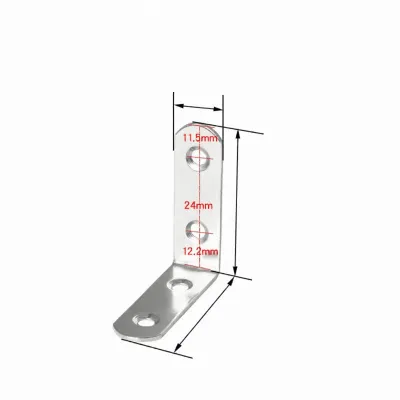
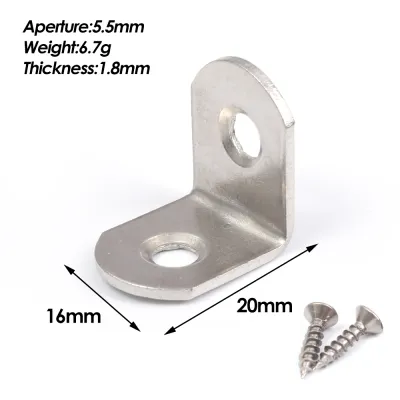
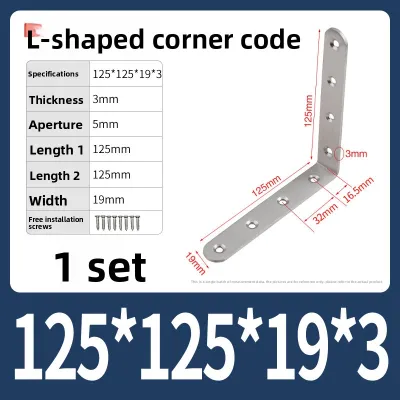
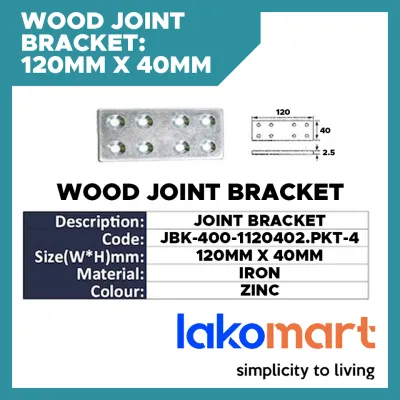
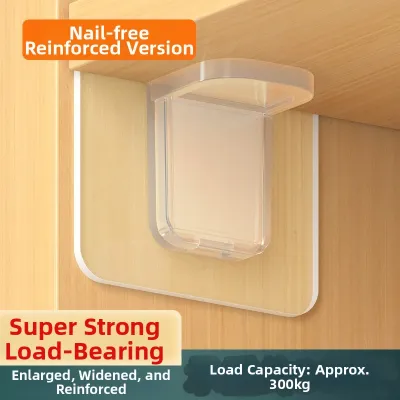
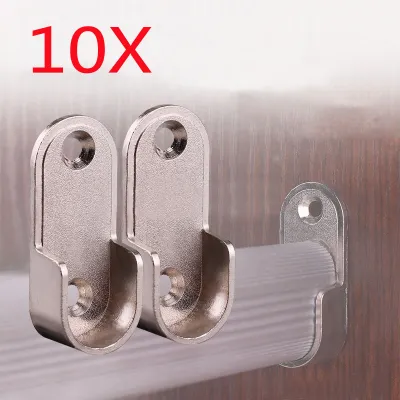
Prices are valid at publication and may change. Please refer to the product page for the latest price.
Next, examine the material of your furniture. Solid wood, such as oak or teak, offers excellent screw retention and structural integrity, allowing it to handle heavier loads without splitting. In contrast, engineered woods like particleboard or medium-density fibreboard (MDF) are more prone to crumbling or splitting under high tension. If your shelf is made of particleboard, you will need brackets with wider mounting plates or more screw points to distribute the weight evenly.
Always refer to the manufacturer’s product manual or specification sheet for the exact weight limits of your furniture piece. Guessing the load capacity can lead to sudden failure, so verifying the official guidelines is a crucial first step before selecting your mounting hardware.
Match the Bracket Type to Your Project
The bracket you choose determines both how much weight your installation can safely support and how the finished project will look in your home. Different bracket designs distribute forces in distinct ways, making some ideal for heavy-duty storage and others well-suited for minimalist, modern aesthetics.

By understanding the primary categories of residential brackets, you can select a style that aligns with your functional needs and visual preferences. Whether you are reinforcing an existing cabinet or mounting a brand-new display shelf, matching the hardware to the task is essential.
Standard L-Brackets and Corner Braces
Standard L-brackets, also known as angle brackets, are the most common and reliable option for traditional shelf support. These brackets feature a simple 90-degree bend, with one arm attaching to the wall and the other supporting the underside of the shelf. Because they transfer the vertical load directly down to the wall, they are highly effective for heavy-duty storage.
Corner braces, while similar in shape, are typically smaller and designed to reinforce the internal joints of cabinet frames, drawers, or box structures. If a cabinet joint is beginning to wobble or pull apart, installing a metal corner brace inside the frame can restore its structural rigidity.
Because standard L-brackets and corner braces remain fully visible after installation, they are most practical for utilitarian spaces like pantries, laundry rooms, or inside closed cabinets. If you plan to use them in living areas, you may want to look for decorative versions with finished coatings, though they will still occupy visible space beneath the shelf.
Floating Shelf and Concealed Brackets
For a clean, minimalist aesthetic, floating shelf brackets offer a completely hidden support system. These brackets typically consist of a flat metal backplate that mounts directly to the wall, with solid metal rods extending outward. The shelf itself must have matching holes drilled into its rear edge, allowing it to slide over the rods and sit flush against the wall.
To use concealed brackets successfully, your shelving material must meet specific thickness and structural requirements. The shelf must be thick enough to accommodate the internal rods without weakening the surrounding wood, which generally rules out thin boards or hollow-core doors. Solid wood or high-grade plywood is highly recommended to ensure the shelf does not split or sag under load.
Installing concealed brackets requires a high level of precision. The holes in the wall and the corresponding channels in the shelf must align precisely, or the shelf will sit crookedly or fail to slide onto the bracket. Always follow the manufacturer’s drilling templates and installation instructions carefully to ensure a secure and level fit.
Determine the Correct Size and Screw Placement
Selecting the right bracket type is only half the battle; you must also ensure the physical dimensions match your furniture precisely. Start by measuring the depth of your shelf or the side panel of your cabinet. As a general rule, the horizontal arm of a shelf bracket should extend at least two-thirds of the depth of the shelf to prevent the front edge from tipping forward under weight.
Next, examine the screw hole spacing on the bracket and compare it to the solid material available on your furniture. If you are mounting a bracket to a narrow cabinet frame, the screw holes must align with the thickest, most stable parts of the wood. Avoid placing screws too close to the edges of particleboard or thin plywood, as this can cause the material to blow out or split.
Finally, choose your screws with care. The screws must be long enough to penetrate deeply into the furniture material to provide adequate holding power, but they must not be so long that they pierce through the finished opposite side. Measure the thickness of your shelf or cabinet wall, subtract a safe margin, and select screws that match this depth while fitting snugly into the bracket’s pre-drilled holes.
Check Your Wall and Mounting Surface
The overall strength of your shelf or cabinet installation is ultimately limited by the wall surface it is mounted to. Even the strongest heavy-duty bracket will fail if it is secured to a weak or inappropriate wall anchor. Before you begin drilling, identify whether your wall is made of drywall, concrete, masonry, or timber studs.
For timber-framed walls, mounting your brackets directly into the wooden studs provides an excellent level of stability and load capacity. If you must mount brackets to drywall between studs, you must use specialized hollow-wall anchors, such as toggle bolts or expansion anchors, which expand behind the drywall to distribute the weight.
In homes with concrete or masonry walls, which are common in Singapore apartments, you will need to use a hammer drill to create pilot holes and insert masonry wall plugs. Always verify that the wall plugs you select are rated for the weight of your project and that they match both the drill bit size and the screw size specified by your bracket manufacturer.
When to Stop and Consult a Professional
While many bracket installations are straightforward DIY projects, certain situations require professional expertise to ensure safety and prevent costly damage. If you begin drilling and encounter crumbling plaster, powdery concrete, or drywall that feels soft and unstable, stop immediately. These are signs of compromised wall integrity that cannot safely support a loaded shelf or cabinet.
You should also halt your project if you discover stripped screw holes in your furniture that cannot be easily repaired, or if your wall detector indicates hidden plumbing pipes or electrical wiring directly behind your planned mounting points. Drilling into utility lines poses severe safety hazards and can lead to expensive emergency repairs.
If your project involves exceptionally heavy loads, such as overhead kitchen cabinets or large, solid-wood bookshelves, the structural demands may exceed standard residential DIY methods. In these cases, or whenever you feel uncertain about the stability of your installation, it is advisable to consult a qualified carpenter or handyman to complete the work safely.
Frequently Asked Questions (FAQ)
Can I use the same bracket for a shelf and a cabinet door?
No, shelf brackets and cabinet door hardware serve entirely different purposes. Shelf brackets are rigid, static supports designed to hold vertical weight in a fixed position. Cabinet doors, on the other hand, require dynamic movement to open and close, which is achieved using specialized hinges rather than brackets. Attempting to use a static bracket on a door would prevent it from functioning.
Do I need to pre-drill holes for furniture brackets?
Yes, pre-drilling pilot holes is highly recommended for almost all furniture bracket installations. In solid wood, drilling a pilot hole slightly smaller than the screw shank prevents the wood fibers from splitting as the screw enters. For engineered materials like MDF or particleboard, pre-drilling is essential to prevent the material from bulging or crumbling, though you should always check the manufacturer’s instructions for specific drill bit size recommendations.
Community discussion
Share your experience or ask a question. Comments are reviewed before publication.