
Selecting the right fridge roller base requires matching the physical footprint and fully loaded weight of your refrigerator to the structural limits of the support frame. A mismatch can lead to unstable appliance movement, floor damage, or structural failure of the base itself. By systematically measuring your appliance, calculating the total weight including contents, and evaluating the wheel and locking mechanisms, you can ensure your refrigerator remains stable during daily operation and easy to move during cleaning or maintenance.
Using a mobile base is particularly beneficial in humid climates or compact living spaces, such as apartments and HDB flats in Singapore, where dust accumulation and moisture behind large appliances can lead to hygiene issues. However, because refrigerators are top-heavy and contain delicate cooling systems, choosing a base that is too weak or poorly sized poses a significant safety risk. This guide outlines the essential steps to identify a compatible, high-capacity roller base that protects both your appliance and your kitchen flooring.
Step 1: Measure Your Refrigerator's Dimensions and Weight
Before browsing online marketplaces or hardware stores for a fridge roller base, you must gather the precise physical specifications of your specific refrigerator model. Relying on general estimates can result in a base that is either too small to support the appliance’s corners or too weak to handle the load.
Products mentioned in this guide
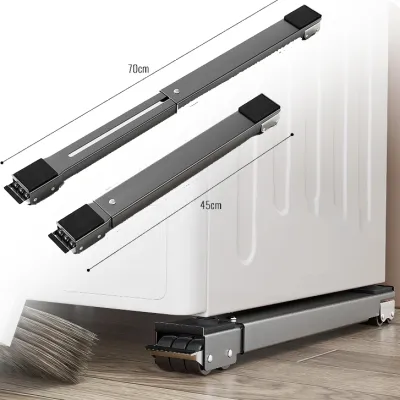

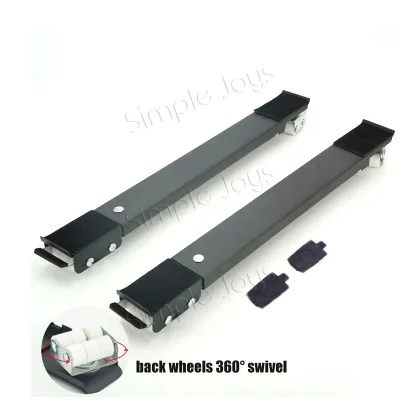
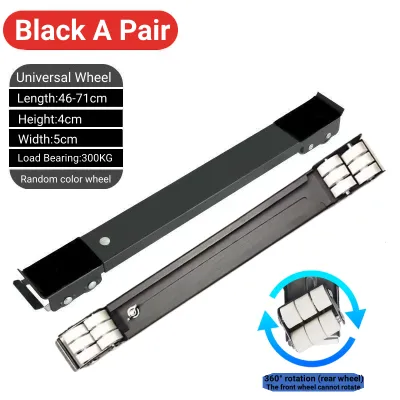

![[SG] Washing Machine Metal Fridge Dryer Universal Stand Base with 4 Locking 360° Adjustable Heavy Duty Wheels Load 300kg](https://img.lazcdn.com/g/p/cd63518a6735cb8379428453f9804936.jpg_400x400q80.jpg_.webp)
![SG] Washing Machine Metal Fridge Dryer Universal Stand Base with 4 Locking 360° Adjustable Heavy Duty Wheels Load 300kg](https://img.lazcdn.com/g/p/e98ce93db815efffc918bbe2189f76f6.jpg_400x400q80.jpg_.webp)
Prices are valid at publication and may change. Please refer to the product page for the latest price.
To find the exact empty weight (often listed as the net weight), locate the manufacturer’s rating plate. This is typically a silver or white sticker found inside the fresh food compartment wall, behind the crisper drawers, or on the exterior rear panel of the appliance. If the label has worn off or is inaccessible, consult the original user manual or search the manufacturer’s official website using your specific model number. Avoid using the shipping weight listed on retail sites, as this includes heavy packaging materials that do not reflect the actual weight of the appliance.
Next, measure the physical footprint of the refrigerator’s base. Use a metal measuring tape to determine the exact width and depth at the very bottom of the unit. Do not rely solely on the nominal dimensions listed in marketing brochures, as these often measure the widest points of the doors or include protruding handles and hinges. You need the dimensions of the actual structural chassis where the existing feet or rollers contact the floor. Additionally, measure the clearance of your kitchen doorways and lift access to ensure the combined height of the fridge and base can be maneuvered safely during installation.
Finally, inspect the bottom structure of your refrigerator. Tilt the unit slightly back with the help of an assistant and use a flashlight to examine the underside. Identify the solid, load-bearing metal edges of the chassis. You must ensure that the roller base’s corner brackets will align directly with these structural points. Avoid placing any part of the roller base where it might press against fragile components such as copper cooling lines, the plastic drip pan, electrical wiring, or the compressor housing, as localized pressure on these areas can cause costly mechanical damage.
Step 2: Determine the Required Weight Capacity
Once you have established the empty weight of your refrigerator, you must calculate the total operating weight. A refrigerator is rarely empty, and the weight of its contents can be surprisingly high. To ensure long-term structural integrity, you must select a roller base rated for the maximum loaded weight rather than the empty weight.

To calculate the required weight capacity, add a substantial safety margin to the net weight of the appliance. Food, condiments, and beverages add significant mass; for instance, liquids weigh approximately one kilogram per liter. A fully stocked family-sized refrigerator can easily hold 50 to 80 kilograms of groceries, ice, and stored liquids. To account for this dynamic and variable load, add a safety margin of at least 30% to 50% to the empty weight of your refrigerator. This buffer prevents the metal frame of the roller base from sagging or bending over time.
It is also critical to understand the distinction between static load and dynamic load limits. The static load limit refers to the maximum weight the base can support when it is completely stationary and the weight is evenly distributed. The dynamic load limit is the maximum weight the base can safely support while in motion. When you push a heavy refrigerator, the force is not distributed evenly; momentum shifts the weight toward the leading wheels, and rolling over minor floor transitions or tile grout lines creates sudden, localized impacts. Always verify that both the static and dynamic capacities of the roller base exceed your calculated total loaded weight.
Never purchase a base that barely meets your calculated weight. If a roller base is rated for a maximum of 150 kilograms and your loaded refrigerator weighs approximately 145 kilograms, the frame will operate at its absolute structural limit. This constant stress can cause the metal tubes to fatigue, the plastic corner joints to crack, or the wheel bearings to seize, leading to a sudden collapse that could tip the appliance forward.
Step 3: Select the Correct Base Size and Adjustability
Fridge roller bases generally fall into two categories: fixed-size heavy-duty dollies and adjustable telescopic frames. Selecting the right type depends on how closely the base’s dimensions align with your refrigerator’s footprint.
Adjustable telescopic frames are the most common option because they can be customized to fit a wide range of appliance sizes. These bases typically consist of four plastic or metal corner pieces connected by square stainless steel or painted steel tubes. You adjust the size by sliding the tubes in or out of the corner pieces and locking them in place with built-in screws, clamps, or snap buttons. When evaluating an adjustable base, check the manufacturer’s specified minimum and maximum extension ranges. Avoid extending the telescopic tubes to their absolute maximum limit, as the overlapping section inside the joint becomes very short, significantly reducing the frame’s resistance to bending and twisting.
Fixed-size bases, while less common, offer high structural rigidity because they lack adjustable joints. However, they must match your refrigerator’s bottom dimensions exactly. If you choose an adjustable base, ensure that the locking mechanisms on the connecting bars are robust. Loose or low-quality locking screws can slip under the weight of the refrigerator, causing the base to slowly expand or distort, which can drop the appliance off its support pads.
Regardless of the base type, the support beams and corner pads must align perfectly with the solid structural edges of the refrigerator’s bottom pan. The weight of the appliance must never rest on the thin sheet metal in the middle of the floor pan, as this can dent the bottom of the refrigerator and interfere with internal components. The corner pads of the roller base should feature non-slip rubber or silicone mats to prevent the refrigerator’s metal feet from sliding off the base during movement.
Step 4: Evaluate Wheel Types and Locking Mechanisms
The wheels, or casters, of the roller base bear the entire weight of the appliance and dictate how easily it moves. Choosing the wrong wheel material or locking mechanism can result in permanent damage to your kitchen flooring or an unstable appliance that moves on its own.
Evaluate the wheel material based on the flooring in your kitchen. Modern homes often feature tiled, luxury vinyl, or engineered wood floors. Hard nylon or cheap plastic wheels can easily scratch, gouge, or crack these surfaces under the immense weight of a loaded refrigerator. For delicate floors, look for wheels coated in polyurethane or high-density rubber. These materials distribute the weight more evenly, offer better shock absorption, and roll smoothly without leaving scuff marks or indents on vinyl and wood.
Equally important is the locking mechanism. A refrigerator must remain completely stationary during daily use. The constant opening and closing of heavy doors, combined with the micro-vibrations of the compressor cycling on and off, can cause an unlocked base to slowly drift or creep across the floor. Look for bases equipped with dual-locking mechanisms. These typically feature foot-operated lever brakes on the wheels that lock both the wheel rotation and the swivel caster direction. Alternatively, some high-quality bases feature heavy-duty threaded leveling feet next to the wheels; you screw these feet down to lift the wheels slightly off the ground when the refrigerator is in its permanent position, ensuring absolute stability.
Finally, consider the wheel diameter. Larger wheels (typically 50 millimeters or larger) roll much more easily over minor floor transitions, such as the edge of a floor mat or the grout lines between ceramic tiles. Small, low-profile wheels require significantly more force to push and are more likely to get stuck in floor joints, which can cause the refrigerator to tilt forward abruptly when you try to move it.
Step 5: Check Floor Compatibility and Clearance Requirements
Adding a roller base underneath your refrigerator alters its physical relationship with the surrounding kitchen environment. You must calculate these spatial changes before finalizing your purchase to avoid installation bottlenecks.
First, calculate the added height. A typical fridge roller base raises the appliance by 4 to 10 centimeters. If your kitchen features built-in cabinetry with a dedicated refrigerator niche—a common design in Singapore apartments—measure the vertical clearance carefully. Ensure that raising the refrigerator by the height of the base will not cause the top of the appliance to hit overhead cabinets or trim. There must also be sufficient space left to tilt the refrigerator slightly if needed for maintenance.
Second, verify that the increased height does not obstruct the refrigerator’s ventilation. Many modern refrigerators draw in cool air from the front bottom and exhaust warm air through the rear or sides. If your refrigerator has a bottom kickplate or ventilation grille, ensure the roller base does not block this airflow. Restricting ventilation forces the compressor to work harder to maintain cool temperatures, leading to increased energy consumption and a shorter appliance lifespan.
Lastly, assess the levelness of your kitchen floor. Kitchen floors are often slightly sloped toward floor drains to prevent pooling water. If your floor is uneven, a standard wheeled base without adjustable leveling feet will cause the refrigerator to sit at an angle. This can prevent the doors from sealing properly, leading to frost buildup and temperature fluctuations. Choose a roller base that combines wheels with independently adjustable threaded feet, allowing you to level the appliance perfectly even on a sloped surface.
Installation and Safety Verification Checklist
Before placing your refrigerator onto the new roller base, review this safety checklist to ensure a secure installation:
- Empty the Appliance: Always completely empty the refrigerator of all food, shelving, and door bins to reduce weight and prevent internal damage or spills during the transition.
- Unplug and Secure: Disconnect the power cord and water line (if applicable). Tape the refrigerator doors shut with non-damaging painter's tape to prevent them from swinging open unexpectedly.
- Enlist Assistance: Never attempt to lift or tilt a refrigerator onto a roller base alone. Always work with at least one capable assistant to share the load and stabilize the appliance.
- Position the Base: Assemble and adjust the roller base to match the measured footprint of the refrigerator. Lock the telescopic tubes securely and engage all wheel brakes before loading.
- Tilt and Slide: Have one person tilt the refrigerator slightly backward while the other slides the front of the roller base underneath. Lower the appliance gently, ensuring the front feet rest squarely on the non-slip corner pads. Repeat the process for the rear feet.
- Verify Alignment: Double-check that all four feet of the refrigerator are centered on the corner pads of the base and that no structural parts are pressing against cooling lines or wires.
- Test Stability: Release the tape on the doors, open them, and apply gentle lateral pressure to the sides of the refrigerator. If you observe any frame bowing, wheel deformation, or persistent wobbling, immediately halt use, remove the appliance from the base, and consult the manufacturer.
Frequently Asked Questions (FAQ)
Can I use a universal adjustable base for a side-by-side refrigerator?
Yes, you can use a universal adjustable base for a side-by-side refrigerator, but you must pay close attention to the width limits and weight distribution. Side-by-side models are significantly wider and heavier than traditional top-freezer models, which puts more stress on the center of the base. Ensure the adjustable base is rated for the extra width and that the connecting steel tubes do not sag when extended. For very wide appliances, look for bases that feature reinforced double-tube construction or a center support bar specified by the manufacturer to prevent structural failure in the middle of the frame.
Will a roller base cause my refrigerator to vibrate or make more noise?
A roller base can increase noise if it is not installed correctly or if it lacks proper dampening features. When the refrigerator’s compressor cycles on, it creates vibrations. If the roller base is sitting on an uneven floor, or if the wheels are not locked tightly, these vibrations can cause the metal frame to rattle against the floor or the appliance. To prevent this, choose a base with thick rubber vibration-dampening pads on the corners and ensure the locking feet are firmly extended to lift the weight off the wheels, anchoring the unit securely to the floor.
Community discussion
Share your experience or ask a question. Comments are reviewed before publication.