
Choosing the right firmness level for a foldable mattress requires balancing your primary sleeping position, body weight, and how often the mattress will be used. In space-conscious Singapore apartments, a foldable mattress serves as a highly practical bedding solution for guests, study rooms, or minimalist living spaces. However, because these mattresses are typically thinner than standard pocketed spring beds, selecting the correct firmness is critical to prevent waking up with back stiffness or feeling the hard floor underneath.
Assess Your Primary Sleep Position
Your natural sleeping posture dictates how your body weight is distributed across the mattress surface. Side sleepers require a softer to medium-firm surface that contours around the shoulders and hips. This contouring is essential because it relieves pressure points and keeps the spine in a straight, neutral line. If a foldable mattress is too firm, side sleepers may experience numbness or stiffness in their joints due to restricted blood flow.
Back sleepers need a balanced level of support that keeps the spine’s natural curve intact. A medium-firm foldable mattress is usually ideal, as it provides enough pushback to prevent the lower back and pelvis from sinking too deeply. If the mattress is too soft, the spine bows downward, leading to muscle tension and discomfort by morning.
Products mentioned in this guide
![[1-2 day delivery] Foldable Foam Mattress 3-Fold Mattress](https://img.lazcdn.com/g/ff/kf/Se38f308a460b4ba3aef73a3da6703c621.jpg_400x400q80.jpg_.webp)
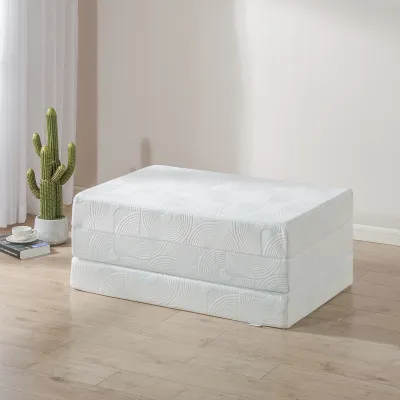
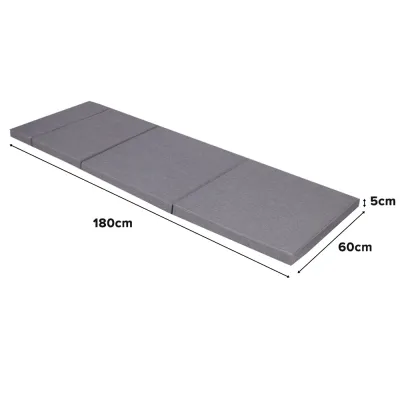
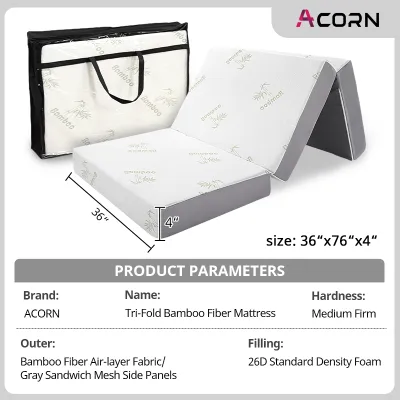
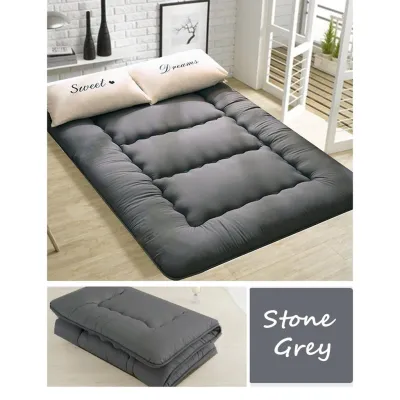
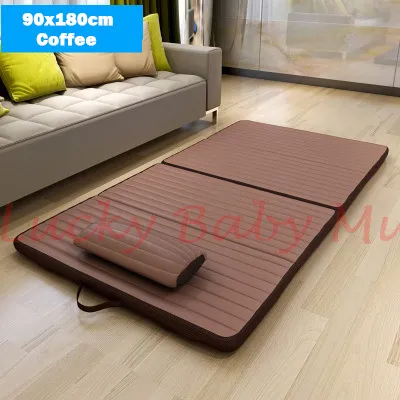
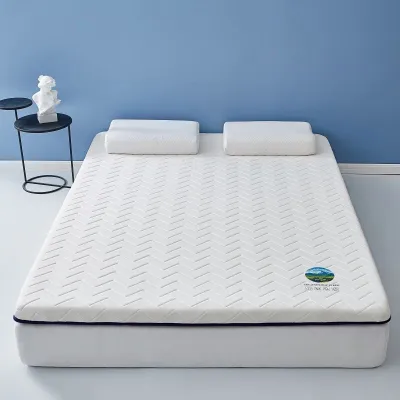
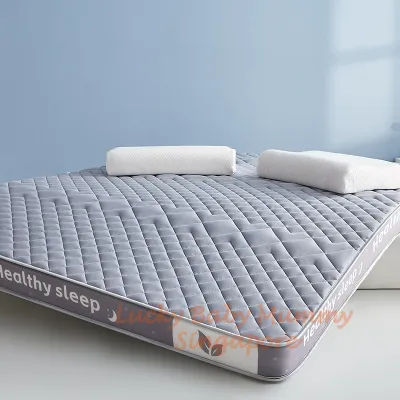
Prices are valid at publication and may change. Please refer to the product page for the latest price.
Stomach sleepers require a distinctly firm surface to maintain proper alignment. When sleeping on the stomach, the hips naturally sink deeper than the rest of the body; a soft mattress exaggerates this sinkage, arching the lower back uncomfortably. A firm foldable mattress keeps the pelvis elevated and level with the shoulders, reducing strain on the lumbar region.
Combination sleepers, who shift between multiple positions throughout the night, benefit most from a responsive medium-firm feel. This level of firmness allows for effortless movement without the feeling of being stuck in a deep foam contour. It offers a versatile compromise that accommodates different postures as you turn.
Factor in Your Body Weight
Body weight directly influences how deeply you compress the mattress layers, altering your perception of firmness. Lighter individuals, typically those weighing under 60 kilograms, exert less downward pressure on the mattress. Consequently, standard medium-firm mattresses can feel exceptionally hard to them, making softer options preferable to achieve adequate contouring and comfort.

Average-weight individuals, generally between 60 and 80 kilograms, typically find that standard manufacturer firmness ratings align well with their expectations. For this group, a classic medium-firm foldable mattress provides the intended balance of cushioning and structural support across most sleeping positions.
Heavier individuals, particularly those over 80 kilograms, require a firmer surface or a thicker, high-density foam core. Without sufficient density and firmness, heavier sleepers risk compressing the mattress fully, a phenomenon known as bottoming out. This results in direct contact with the hard floor or bed base, leading to severe discomfort and accelerated wear on the foam.
Define the Intended Use and Frequency
How and where you plan to use your foldable mattress should heavily influence your firmness choice. If the mattress is primarily intended for occasional guest use, a versatile medium-firm option is the safest choice. This middle-ground firmness accommodates a wide range of body types and sleeping preferences, ensuring your visitors enjoy a comfortable night’s sleep regardless of their usual habits.
For daily or long-term sleeping arrangements, you must prioritize a supportive firmness level tailored strictly to your personal physical profile. Daily use subjects the foam to continuous compression, meaning a mattress that is too soft will degrade quickly and fail to support your spine over time. Investing in a firmer, high-density core ensures the mattress retains its shape and supportive qualities for years.
The placement of the mattress also alters its perceived firmness. Placing a foldable mattress directly on the floor makes the overall sleeping surface feel noticeably firmer because the solid ground offers zero give. If you plan to use the mattress on a raised slatted or mesh bed frame, you may want to opt for a slightly firmer model to compensate for the natural flex of the frame.
Check Mattress Thickness and Core Materials
To ensure your chosen firmness actually delivers the promised support, you must look closely at the mattress thickness and construction. Foldable mattresses generally range from 5 to 15 centimeters in thickness. Thinner models require a much firmer, high-density foam base to prevent your body from sinking straight through to the floor, while thicker models can incorporate softer comfort layers on top.
When browsing options, look past generic marketing terms like “orthopaedic” or “extra supportive” and check the actual material specifications. High-density polyurethane foam or natural latex layers are excellent indicators of durable support. Check the manufacturer’s product labels for density ratings or material compositions to verify if the core can sustain your weight without sagging.
Additionally, consider how the folding design itself impacts the sleeping surface. Tri-fold and bi-fold mattresses feature seams where the segments connect, which can create slight gaps or localized soft spots. A firmer mattress core helps minimize the feel of these seams, ensuring a more even and continuous sleeping surface across the entire length of the bed.
Finalize Your Firmness Decision
Before making your final purchase, cross-reference your sleep position, body weight, and intended usage to identify your ideal firmness zone. For example, a heavier side sleeper will need a thicker, medium-firm mattress with a high-density core, while a lighter stomach sleeper can comfortably use a thinner, firm model.
Always verify the retailer’s trial period, return policy, and warranty terms specifically for foldable beds. Because comfort is highly subjective, having the option to exchange or return the mattress after a few nights of trial is invaluable. Ensure you understand whether the warranty covers foam sagging or seam splitting over time.
Finally, measure your available storage space and doorways to ensure the folded dimensions fit seamlessly into your home. In Singapore apartments, where storage space is at a premium, a mattress that is easy to fold, lift, and tuck away into a wardrobe or utility closet is just as important as its nighttime comfort.
Frequently Asked Questions (FAQ)
Can I make a foldable mattress firmer or softer after buying it?
Yes, you can adjust the feel of your foldable mattress, though your options are somewhat limited by its portable design. To make a mattress softer, you can add a plush mattress topper made of memory foam or microfiber, though you will need to store this topper separately when the mattress is folded. To make a mattress feel firmer, you can place a solid wooden board or a firm tatami mat underneath it, which eliminates any flex from the floor or bed frame. Keep in mind that these adjustments cannot fix a permanently sagging or low-quality foam core.
Does a foldable mattress need a special bed frame?
A foldable mattress does not require a specialized bed frame and can be placed directly on clean floors, solid platforms, or slatted frames. However, the type of base you use will affect both the firmness and the lifespan of the mattress. Solid platforms and floors provide the firmest feel, while slatted frames offer a bit more bounce but require closely spaced slats to prevent the foam from sagging through the gaps. Always check the manufacturer’s guidelines, as using an unsupportive base can sometimes void your warranty.

Community discussion
Share your experience or ask a question. Comments are reviewed before publication.